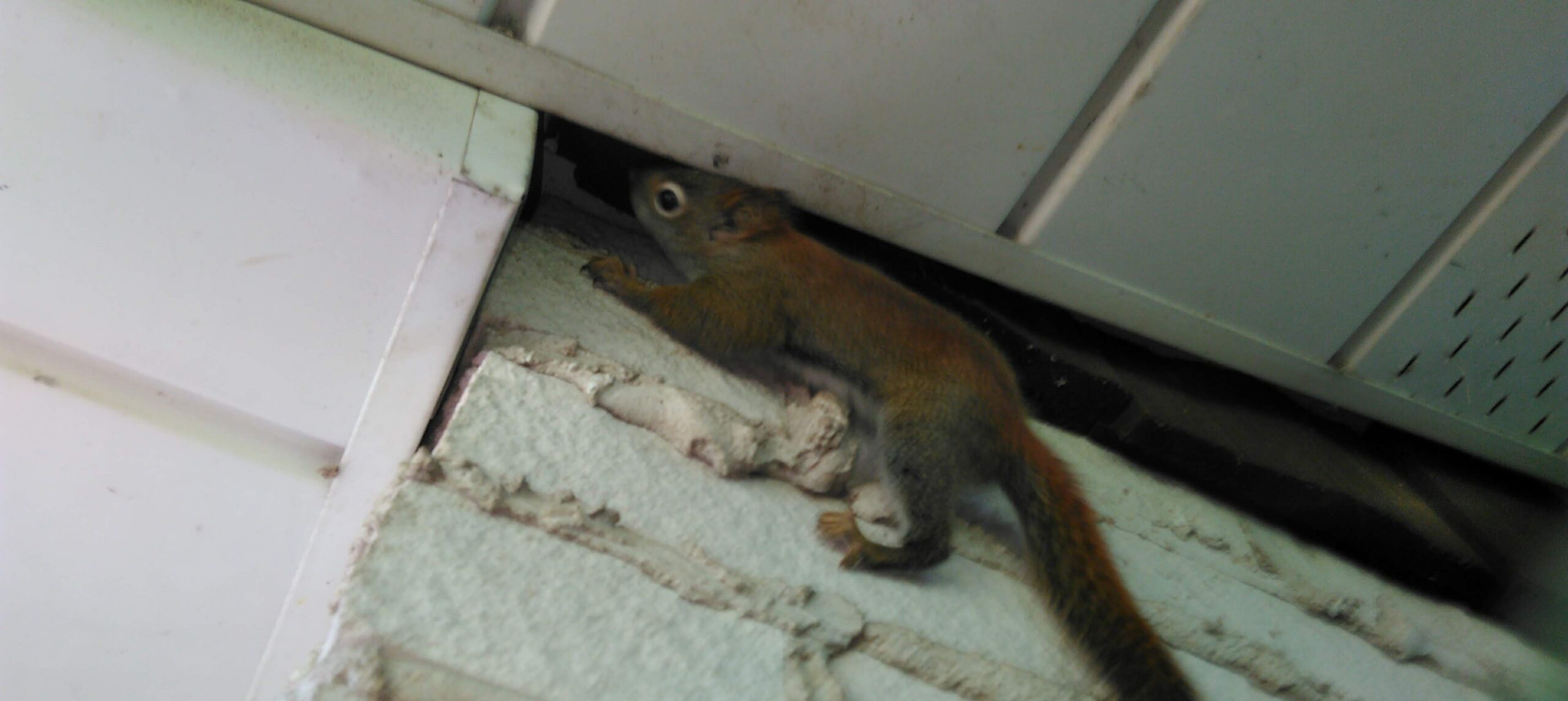
You may notice scratching sounds above the ceiling or movement near roof edges when winter arrives. You might assume it is just an outside activity. But when cold weather settles in, squirrels start looking for places that offer steady warmth and safety. Homes in Vaughan often provide exactly what they need.
You should take this seriously because squirrels in the attic in winter rarely happen by accident. These animals stay active all season and must conserve energy to survive. When your home offers heat, insulation, and quiet shelter, it becomes an attractive option. That is why professional help matters as soon as signs appear.
In this blog, you’ll learn why winter pushes these animals indoors, which squirrel infestation signs often show up first, and why squirrel removal services handled by professionals are the safest way to protect your home. At Skedaddle Humane Wildlife Control in Vaughan, we focus on humane solutions that keep people safe while respecting seasonal behaviour.
Cold Weather Increases the Need for Safe Shelter
Cold weather changes how squirrels survive, especially when winter settles in for weeks at a time. These animals do not hibernate, so staying warm becomes a daily challenge. As temperatures drop, the need for insulation, wind protection, and dry shelter increases fast. This pressure explains why homes become more attractive during winter.
- Outdoor Nests Stop Providing Enough Protection: Tree nests and leaf shelters lose heat quickly once snow and wind move in. Moisture makes these spaces colder and harder to use. Strong winds can damage or destroy nests entirely. When outdoor shelter fails, squirrels are forced to look for safer options nearby.
- Natural Shelter Fills Up Quickly in Winter: Tree cavities are limited and often shared during cold months. Once these spaces are full, there are few natural places left to go. Competition for warm shelter increases as winter continues. This pushes squirrels closer to residential areas where options feel more reliable.
- Homes Provide Steady Warmth and Insulation: Houses offer protection from wind, snow, and freezing temperatures. Heat escapes through roofs, vents, and wall spaces, creating warm pockets. Insulation holds that warmth even when it is very cold outside. This makes attics and wall spaces feel like ideal winter shelter.
- Indoor Spaces Reduce Exposure to Harsh Weather: Staying inside a structure limits contact with snow and ice. Dry, enclosed spaces help squirrels avoid dangerous temperature swings. Less exposure means less stress on the body. That is why squirrels in the attic in winter are so common in Vaughan neighbourhoods.
Insulation Feels Like a Ready-Made Nest
You may not think about insulation beyond energy savings. But from an squirrel’s point of view, it feels like soft bedding that traps warmth. That comfort makes attics especially attractive during long cold stretches.
Insulation-related reasons include:
- Soft Materials That Hold Heat: Insulation traps warm air and blocks cold drafts. This creates a stable environment that helps conserve energy. Less energy use means better survival in winter.
- Quiet, Undisturbed Space: Attics are rarely used in winter. Low noise and foot traffic reduce stress. Quiet spaces feel safer and allow squirrels to rest longer.
- Easy Nest Building: Insulation can be shaped into nesting areas without much effort. This saves time and energy. Once a nest is formed, the squirrel is more likely to stay.
These conditions explain why squirrel infestation signs often begin in attic spaces first.
Limited Natural Shelter In Urban Areas
You live in a growing area where development changes natural shelter options. Trees with cavities are limited. Leaf nests break down faster in winter storms.
Urban environments also reduce safe hiding spots. Predators, noise, and open spaces add pressure. Homes fill that gap by offering reliable shelter.
This shift explains why squirrel infestation signs increase in residential areas during colder months. It is not random behaviour. It is a response to environmental change.
Common Signs Warmth Has Drawn Activity Indoors
You may not see a squirrel directly, but signs often appear quickly. These signals usually show up as sounds or movement patterns that repeat.
Common signs include:
- Scratching or Thumping Noises: Sounds often happen early morning or late evening. Movement between rafters or walls creates this noise. Repetition suggests regular use.
- Visible Damage Near Rooflines: Loose soffits or vents may show wear. Entry points often widen over time. Damage tends to spread if not addressed.
- Insulation Displacement: Insulation may shift or compress. This affects energy efficiency. It also signals nesting activity.
Recognizing these signs early helps prevent long-term damage.
Why Activity Often Increases After the First Entry
You may think one visit is harmless. In reality, squirrels remember safe spaces. Each successful entry reinforces the behaviour.
Travel paths become familiar. Shelter areas feel secure. Over time, the space becomes part of a winter routine.
Without professional control, activity often escalates. That is why early intervention changes outcomes. Long-term prevention focuses on stopping access and breaking habits.
How Professional Wildlife Control Addresses Winter Activity
You should never try to block squirrels inside during winter. Timing and technique matter more in cold months. At Skedaddle, we focus on humane, seasonal solutions.
Our process includes careful assessment and planning. We allow squirrels to leave safely using one-way doors. These doors let them exit naturally but prevent re-entry.
Once the space is clear, we secure access points. This protects your home without causing harm. This approach works even during harsh winter conditions.
Squirrel Removal Services In Vaughan With Skedaddle
You may reach a point where prevention alone is not enough. When activity is already inside, removal must come first.
Our squirrel removal services in Vaughan focus on calm, controlled outcomes. We assess entry points, nesting areas, and movement patterns. Every step respects seasonal behaviour.
By combining removal with prevention, we protect homes long term. This process reduces repeat issues and limits future damage.
A Warmer Home Needs Stronger Protection
You may not realize how inviting your home feels during winter. Warmth, insulation, and quiet space work together to attract activity. Without professional control, those conditions remain.
At Skedaddle Humane Wildlife Control in Vaughan, we help homeowners manage squirrels in the attic in winter through humane removal and prevention. Request an estimate to learn more about how we protect your home and address squirrel infestation signs safely.
Early action keeps winter activity from becoming a repeat problem.

 Loading...







