







SQUIRREL REMOVAL PROCESS

Assess and Remove
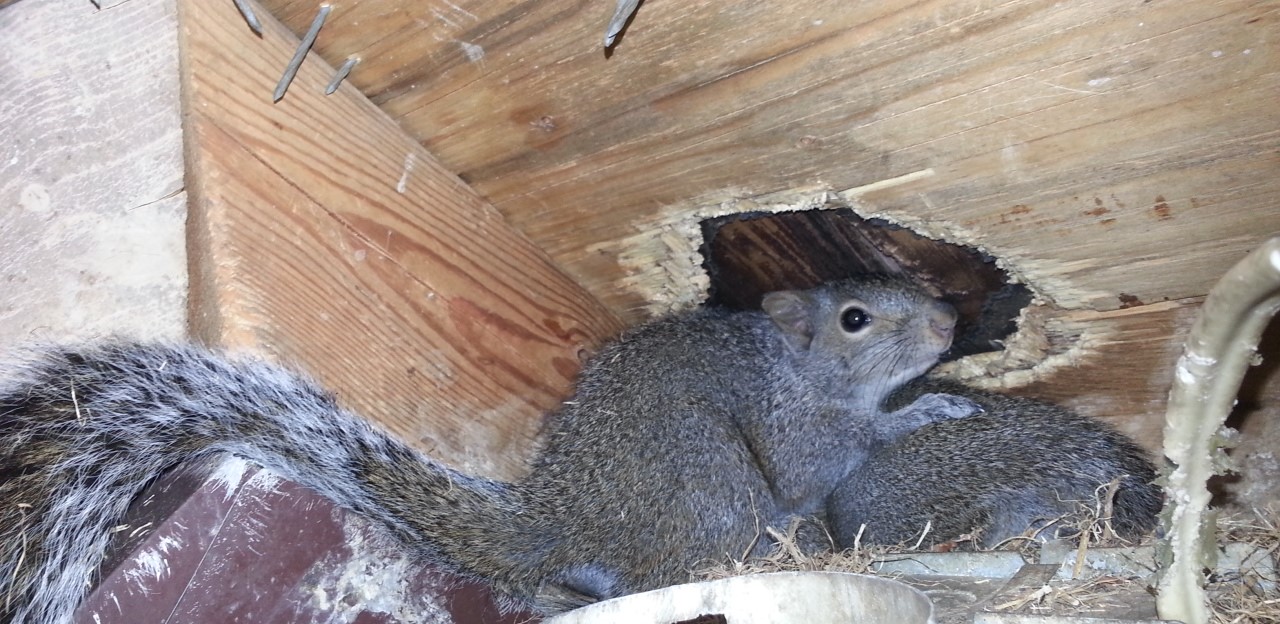
Our comprehensive 50 point home inspection is designed to determine squirrel entry points and home damage. The attic is a common den site for squirrels where they gain accessing by chewing holes or slipping in between building materials. We then use hands-on removal techniques to humanely evict the squirrels.

Clear and Clean
Squirrels are notorious for creating large, messy nests within their den site and causing damage through chewing. Skedaddle will thoroughly clear away any nesting material and debris from the den and clean up the mess left behind. We can also replace soiled insulation and damaged ductwork if required.

Prevent and Protect
Our final step is making sure your home is protected, not only against the current intruders, but all the other squirrels in your neighbourhood. To keep them out we will secure the entry points we identified, as well any other potential vulnerabilities.
Squirrels are a familiar sight in neighbourhoods throughout Windsor, from mature tree-lined streets to newer residential developments. While they may seem harmless outdoors, squirrels can quickly become a serious concern when they find their way into your attic, soffits, or walls. Scratching sounds overhead, damaged insulation, and chewed entry points are often the first signs that something isn’t right.
At Skedaddle Humane Wildlife Control, we understand the unique challenges homeowners in Windsor face when it comes to squirrel intrusions. Our team specializes in humane squirrel removal that protects both your home and the animals. Using proven techniques and a thorough approach, we safely remove squirrels from your property and secure vulnerable areas to help prevent future issues.
If you’re hearing unusual noises or noticing signs of activity around your roofline, acting quickly can help minimize damage and restore peace of mind. Our experienced Windsor team is here to provide effective, long-term solutions tailored to your home and your community.

Is It Good to Have Squirrels Around Your House?
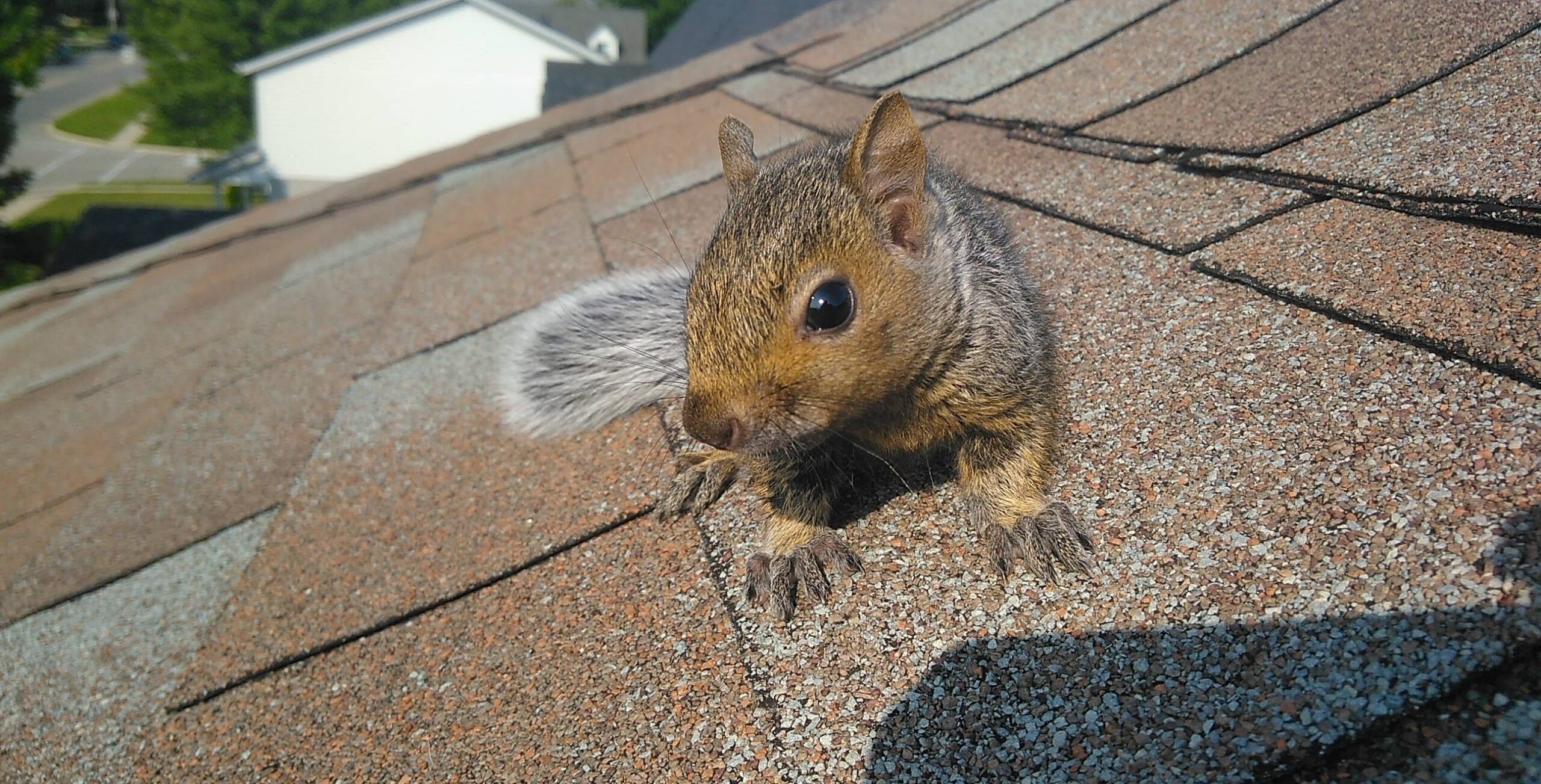
Squirrels play an important role in the local ecosystem around Windsor by helping with seed dispersal and supporting urban green spaces. However, when squirrels begin nesting in attics, chimneys, or wall cavities, they can cause structural damage, chew wiring, and create ongoing noise disturbances. While they are beneficial outdoors, it’s important to ensure they remain outside your home to prevent costly repairs and safety concerns.
Squirrel Activity by Season in Windsor
Squirrel behaviour in Windsor and across Southwestern Ontario shifts throughout the year. Understanding these seasonal patterns helps homeowners recognize early warning signs and take action before minor roof damage turns into a full attic intrusion. From baby season in spring to food gathering in fall, each time of year brings different risks.
Fall: Squirrels Store Food and Test Roof Access
In the fall, squirrels in Windsor gather and store food for the colder months and test vents, roof returns and siding for access to a sheltered space. Homeowners often notice more squirrels on the roof and repeated attempts to get into the attic. Mature tree-lined streets, older properties with aging soffits, newer developments and townhouses in Lakeshore, LaSalle, Tecumseh, Amherstburg and Kingsville all see this activity. Common signs include scratching or running in the attic in the early morning, chewed fascia and vent covers, and nesting material near the roofline.
Squirrels that get inside in the fall usually stay through the winter, chewing wiring and wood and damaging insulation. Skedaddle’s humane squirrel removal in Windsor starts with a full inspection to find every entry point, then uses one-way exclusion so squirrels leave safely, cleans affected areas and seals the roofline before winter.

Winter: Shelter and Survival Mode
Squirrels do not hibernate, but they do rely heavily on secure shelter during cold Windsor winters. If they have already established a nest in your attic, they are likely to remain there, venturing out during milder days to forage. Even if activity seems quieter, winter is not a guarantee that the problem has been resolved. Subtle sounds on warmer afternoons or visible roof damage after snow melt can signal ongoing occupancy. Winter is often a strategic time to address entry points and wildlife-proof vulnerable areas before the spring nesting season begins again.
Why Spring is Prime Time for Squirrel Infestations in Windsor
Spring is one of the busiest seasons for squirrel removal services in Windsor and its surrounding areas. As the weather warms up, female squirrels start searching for warm, dry, and secure locations to build a nest and raise their young.
Unfortunately, your attic is often the perfect place for these expecting mothers. From a squirrel’s perspective, it’s high off the ground, shielded from the elements, and safe from predators like cats, hawks, and raccoons. This makes it an ideal nursery for a new litter.
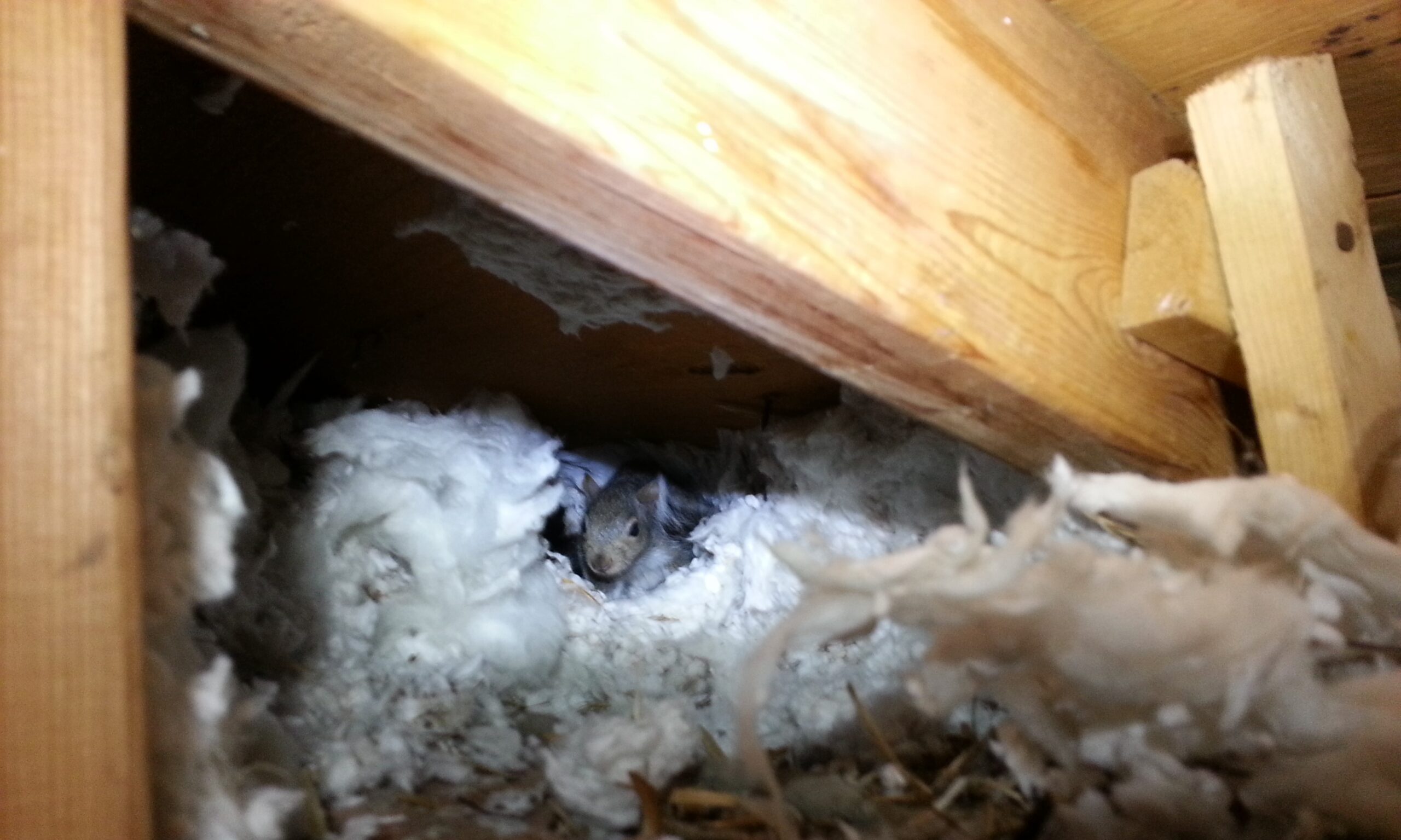
During this nesting season, you might notice several tell-tale signs of an unwanted houseguest. You might hear scratching, scurrying, or rolling sounds from your ceiling, especially in the early morning or late afternoon. You may also find physical damage outside, like chewing along roof edges, soffits, or vents. Inside, disturbed or matted insulation is a clear indicator that a nest is being built.
Because it’s highly likely that young squirrels are in the nest, it’s crucial to act quickly and responsibly. Addressing the issue as soon as you suspect a problem can prevent significant damage and stop the situation from becoming more complex and costly to fix.
Summer: Growing Young and Increased Daytime Noise
Unlike many other wildlife species, squirrels are active during the day. In summer, growing young become more mobile, which can mean louder scampering, thumping, or rolling sounds overhead. Exterior damage may also become more visible as squirrels make repeated trips in and out of the attic. You might see frequent squirrel traffic along power lines and rooflines, chew marks around vents or fascia, and bits of nesting material near entry points. Summer storms can also weaken roof components, making it easier for squirrels to exploit small gaps.
Common Squirrel Problems in Windsor
Squirrels are part of everyday life across Windsor and neighbouring communities like Lakeshore, LaSalle, Tecumseh, Amherstburg, Leamington, Kingsville, and Essex. Mature trees, steady food sources, and quiet residential streets make this region an ideal squirrel habitat. Most of the time, squirrels remain outdoors where they belong. Problems begin when they discover that your attic or roofline offers warmth, safety, and protection from predators and weather.
Spring and early summer are especially busy seasons. Female squirrels look for secure nesting sites to raise their young, and attics often provide the perfect sheltered space. In fall, squirrels may increase activity around homes as they gather and store food, testing roof vents, soffits, and fascia for easy access points. Once inside, they can quickly turn a small opening into a larger structural concern.
Here are the most common squirrel issues homeowners in Windsor experience:
- Squirrels in the attic: Scratching, scurrying, or rolling sounds overhead are often the first sign. Squirrels tear insulation for nesting material, leave droppings, and may create multiple entry and exit holes along the roofline.
- Chewed wiring and wood: Squirrels constantly gnaw to keep their teeth from overgrowing. This can lead to damaged framing, chewed soffits, and even exposed electrical wiring, increasing fire risk.
- Roof and vent damage: Plastic or aluminum roof vents are common targets. Squirrels can chew through weak materials and widen gaps around shingles, creating ongoing vulnerability to both wildlife and water intrusion.
- Nesting in walls and chimneys: While attics are most common, squirrels may also settle inside wall cavities or uncapped chimneys, leading to persistent noise and odours.
- Garden and yard disruption: Beyond the home itself, squirrels may dig in flowerbeds, raid bird feeders, or scatter stored nuts across lawns and planters.
Early signs to watch for include:
- Daytime scratching or scampering sounds
- Small holes or chew marks along roof edges
- Insulation or debris falling near exterior walls
- Increased squirrel activity focused on one section of the roof
Addressing squirrel activity early makes a significant difference. What starts as a small entry point can quickly expand into structural damage if left unaddressed. Professional squirrel removal in Windsor focuses on safely removing the animals from the home and reinforcing vulnerable areas so the same problem doesn’t repeat season after season.


Why Choose Skedaddle Humane Wildlife Control in Windsor
When squirrels move into your attic or start chewing along your roofline, you need more than a quick patch job. You need humane squirrel removal that addresses the animals inside and the structural vulnerabilities that allowed them in. Skedaddle Humane Wildlife Control in Windsor focuses on complete, long-term solutions designed for homes across Windsor and neighbouring communities.
Attic-focused squirrel removal: We identify active nesting sites, safely remove squirrels from attics and wall cavities, and secure entry points so the same space doesn’t become a repeat nesting site next season.
Designed for Windsor homes: From older properties with aging soffits to newer builds with roof vents and returns, our solutions are tailored to common construction styles found throughout Windsor, Lakeshore, LaSalle, Tecumseh and surrounding areas.
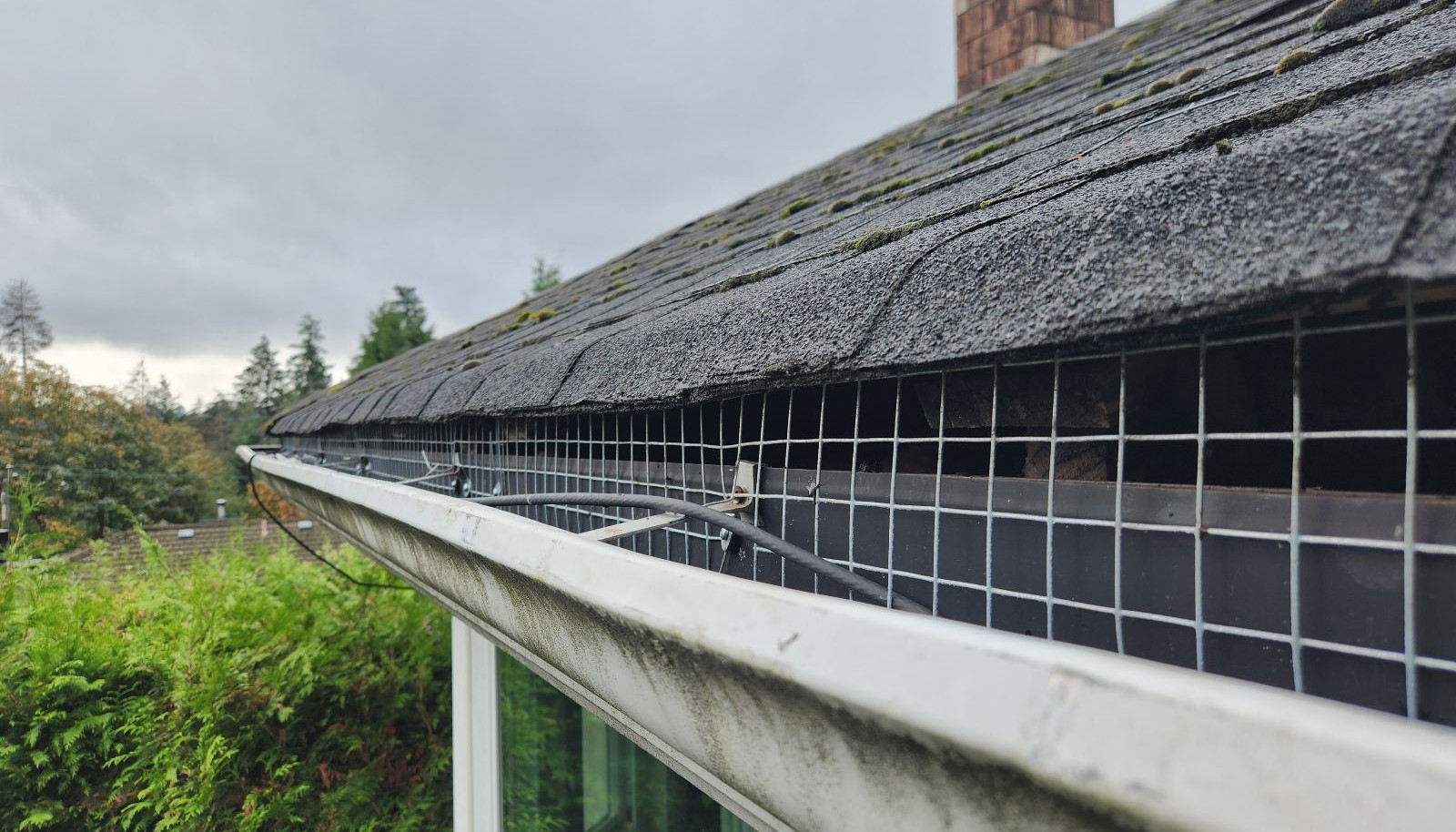
Prevention that blends in: We reinforce and seal vulnerable areas using durable materials that protect your home without changing its appearance.
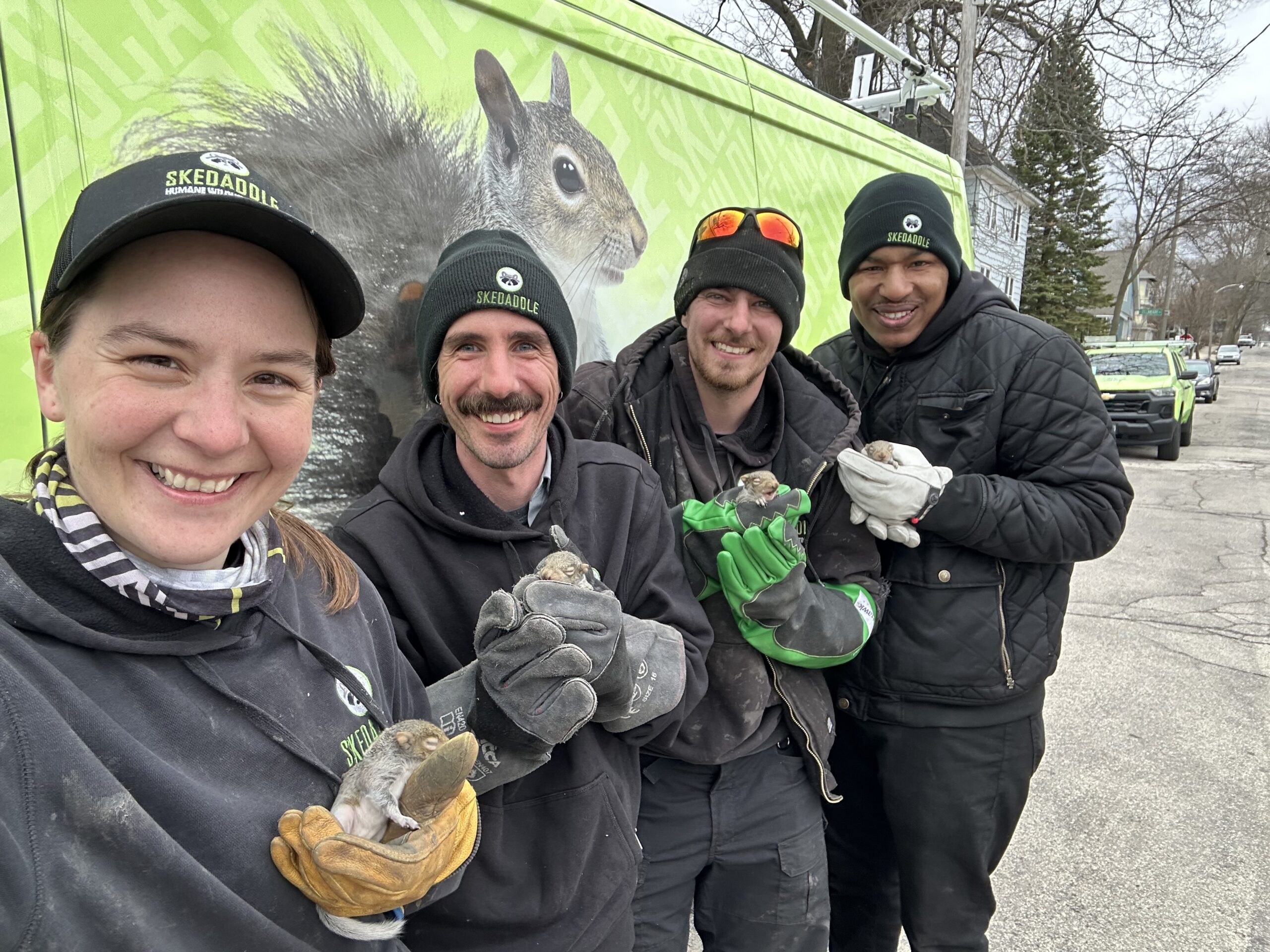
Baby-season aware approach: Spring nesting is handled carefully. We check for young squirrels and ensure families remain together while resolving the intrusion humanely and responsibly.
Clear homeowner guidance: We explain what attracted squirrels in the first place, whether it’s accessible roof gaps, nearby food sources, or overhanging tree branches, and provide practical steps to reduce future risk.
Our Humane Squirrel Removal Process
Squirrel problems often start subtly. You may hear faint scratching in the morning, then louder movement overhead, and eventually notice visible damage along the roofline. Our process is designed to address both the immediate activity and the long-term protection of your home.
1. Inspect & Assess
We begin with a comprehensive inspection of your property. Technicians examine:
- Roof vents, soffits, fascia, and roof returns
- The attic interior for nesting, droppings, and insulation damage
- Tree branches or structures that provide easy roof access
We confirm where squirrels are entering and identify all potential secondary openings that could become future access points.
2. Remove & Secure
Once activity is confirmed, we use humane exclusion techniques that allow squirrels to exit safely while preventing re-entry. During baby season, we take additional steps to locate and carefully reunite young squirrels with their mother outside the home.
This stage focuses on resolving the current intrusion fully, rather than simply blocking one visible hole.
3. Clear & Clean
Squirrels in the attic can leave behind droppings, urine contamination, and damaged insulation. After removal, we address affected areas to restore the space and reduce lingering odours or attractants that might draw other wildlife.
Depending on the situation, this may include:
- Removing accessible nesting debris
- Replacing soiled insulation
- Sanitizing impacted areas
4. Prevent & Protect
Long-term squirrel control in Windsor depends on proactive reinforcement. We seal and strengthen vulnerable entry points with wildlife-grade materials built to withstand chewing and weather exposure.
By combining humane removal with durable prevention, we help ensure your attic stays quiet, secure, and squirrel-free year-round.
Local Health and Safety Risks from Squirrels in Windsor
Squirrels may look cute from a distance, but when they move into your attic or walls in Windsor, they can create real health and safety concerns for families, especially those with children or pets. Beyond the visible damage, squirrels can carry diseases, leave droppings that attract parasites, and become aggressive if cornered or protecting their young. Professional squirrel removal in Windsor helps minimize these risks and keeps wildlife safely outside your home.
Disease and Parasite Exposure
Squirrels can carry parasites such as fleas, mites, and ticks, and their droppings may harbour bacteria or viruses that pose risks to humans and pets. Attics or wall cavities with squirrel activity can become unsanitary if droppings and nesting materials accumulate.
Damage to Insulation and Wiring
Chewed insulation or exposed electrical wiring increases the risk of fire hazards and property damage. These issues can create both immediate safety concerns and long-term repair costs if left unaddressed.
Noise and Sleep Disruption
Squirrels are active during the day and early morning. The constant scratching, gnawing, or scampering sounds overhead can disturb sleep, increase stress, and make living spaces uncomfortable.
Aggressive or Defensive Behaviour
While not typically dangerous, squirrels may bite or scratch if cornered, especially when protecting their young. Avoid attempting DIY removal, as this can put both you and the animals at risk.
By addressing squirrel activity promptly with professional guidance, homeowners in Windsor can reduce health risks, prevent structural damage, and maintain a safe, comfortable home environment.
Contact Skedaddle Today For Squirrel Removal
Tackling a squirrel infestation in your Windsor home with the help of professionals is essential to maintaining a harmonious living environment. By taking swift action, you can mitigate health risks and prevent potential damage to your property.
Remember, while squirrels are part of our natural ecosystem, ensuring they remain outside of your home is crucial for your family’s safety and peace of mind. Don’t let these small intruders compromise your comfort; invest in expert intervention to safeguard your home today.
Think Your Home Is Secure? Hidden Gaps Could Be Letting Squirrels Into Your Attic
Townhouse Trouble: Why Squirrels Love Attached Homes
Should You Feed Squirrels?
Windsor Squirrel FAQs: Did You Know?
Yes. Squirrels can carry parasites such as fleas, ticks, and mites, and their droppings may contain bacteria or viruses that pose health risks. While direct transmission to humans is uncommon, it’s important to avoid handling squirrels or their nests and to ensure your attic or walls remain clean if activity is present. Regular professional inspections can help minimize exposure and protect both people and pets.
Why do squirrels chew on wires and insulation?
Squirrels have ever-growing teeth, so gnawing is essential to keep them healthy. Unfortunately, this natural behaviour often leads to damage in attics and wall cavities. Chewed wires and insulation can create fire hazards, reduce energy efficiency, and require costly repairs if left unaddressed. Early intervention prevents small problems from becoming serious safety risks.
Squirrels are generally not aggressive, but they may bite or scratch if cornered, especially when defending their young. Attempting DIY removal without proper knowledge or equipment can increase the risk of injury and stress for both the animals and homeowners. Professional squirrel removal ensures the animals are handled humanely while keeping you and your family safe.
There are several signs that indicate squirrel activity in your home. Common clues include scratching or scampering noises during the day or early morning, chewed roof vents, soffits or fascia, droppings or nesting materials scattered in the attic, and damage to insulation. Detecting these signs early can save you from more significant structural damage and make removal safer and more effective.
Yes, if entry points are not properly secured, squirrels may attempt to re-enter the same area. Professional removal addresses both the immediate activity and the vulnerabilities that allowed access, sealing openings and reinforcing weak spots. This long-term approach prevents repeat intrusions and ensures that your attic or walls remain squirrel-free.
Squirrel activity peaks during spring and fall. In spring, females search for secure nesting sites to raise their young, which often leads them to attics and roof cavities. In fall, squirrels gather and store food in preparation for winter, increasing roofline and attic activity. Recognizing these seasonal patterns helps homeowners act early to prevent damage and protect their property year-round.
CALL US TODAY
1.888.592.0387
OR
Request for Services

