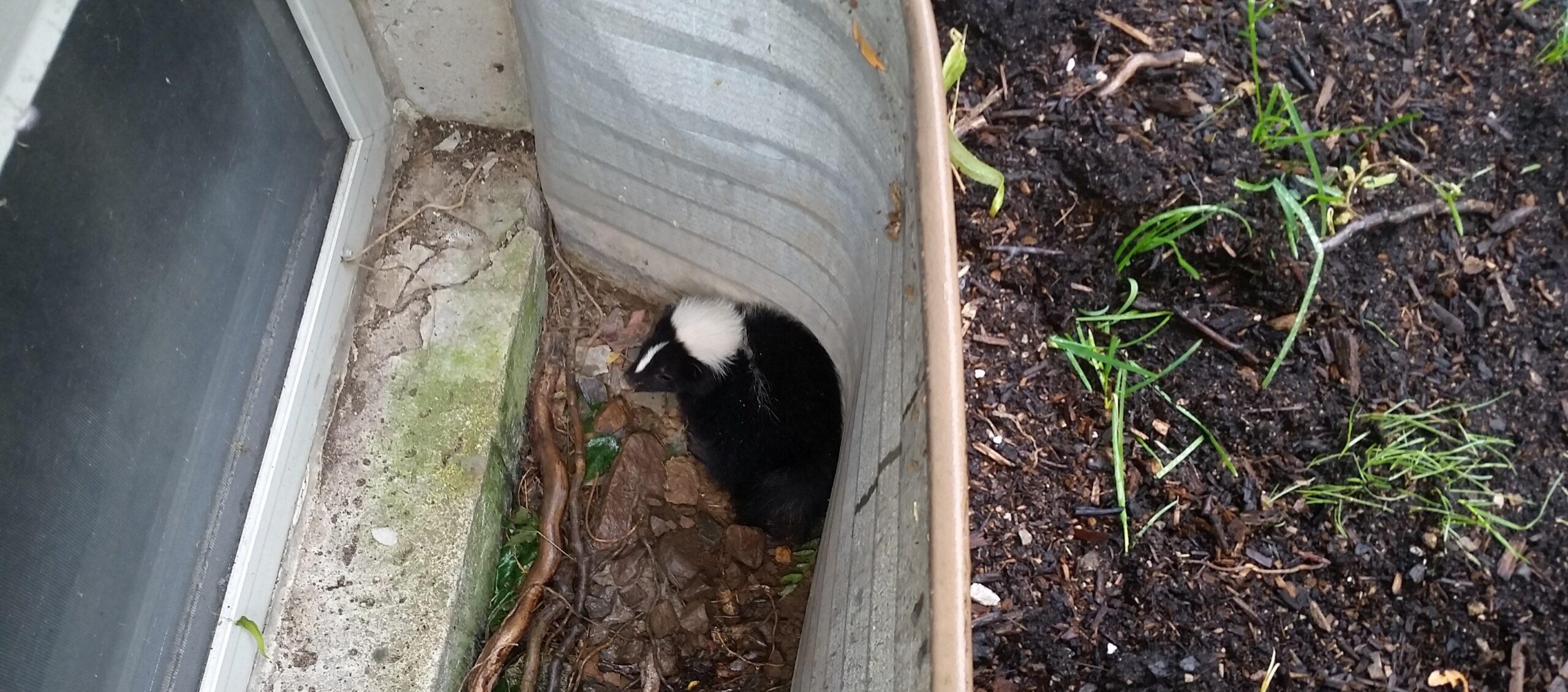
Spring is finally arriving in Woodbridge. The snow is melting, the grass is getting green, and the flowers are starting to bloom. You can feel the warmth returning to the air.
But along with the return of warm weather comes the return of local wildlife. You might see more activity in your yard as skunks wake up from the long winter. You might even catch a familiar, strong scent drifting on the breeze.
This is the time of year when nature gets busy. If you have spotted these black and white skunks around your property, you might be wondering about their lifecycle. Specifically, you are probably asking: when do skunks have babies?
The answer is usually in the late spring. Most babies are born between late April and early June, with the busiest time being in May. Understanding this timeline is very important for homeowners. It helps you know what to look for and when to be careful.
At Skedaddle Humane Wildlife Control in Woodbridge, we want to help you understand your wild neighbours. Knowing their schedule helps you protect your home and keeps these skunk families safe.
The Skunk Breeding Season Timeline
To understand when the babies arrive, you have to look at when the process starts. The skunk breeding season usually begins when it is still quite cold outside. It typically starts in February and goes through March. During this time, male skunks travel long distances to find a female.
Once the season is over, the males go back to being solitary. They do not help raise the young. The female does all the hard work by herself. She has a gestation period of about 66 days. This is the time she is pregnant. Because mating happens in late winter, the skunk baby season lines up perfectly with the warmer weather of spring.
Here is a quick look at the timeline you should know:
- February to March: This is when mating happens. Males are very active and looking for mates.
- April: Females are busy looking for a safe place to build a den. They need a warm spot to give birth.
- May to June: This is when most babies are born. This answers the big question: when do skunks have babies? Right now is the peak time.
- July: The babies are growing up inside the den. They are getting stronger every day.
What Newborns Look Like and How They Grow
Newborn kits are very small and fragile. At birth, they weigh only about 30 to 40 grams, which is close to the weight of a slice of bread. They look very different from the adults you may see outside and depend fully on their mother to survive.
They are born without fur, but their skin already shows the black-and-white pattern they will grow into. Because they cannot keep themselves warm, they must stay close to their mother in a dry, protected den.
Here are some important facts about their early development:
- Blind and Deaf: Newborn kits are born with their eyes closed and cannot hear. They rely on touch and smell to stay close to their mother. This makes them completely dependent on her care.
- Hairless: Without fur, kits cannot protect themselves from cold temperatures. A warm, dry den is essential for survival. Even short exposure to cold can be dangerous at this stage.
- Helpless: Kits cannot walk, climb, or defend themselves. They remain hidden deep inside the den for safety. Leaving the den too early would put them at serious risk.
- Rapid Growth: Although they start out very small, kits grow quickly. Within about two weeks, a thin coat of fur begins to appear. This helps them better regulate their body temperature.
Around three weeks old, their eyes begin to open and they start moving around more. Even then, they still rely on their mother’s milk and protection and are not ready to leave the den yet.
When They Leave the Den
For the first several weeks, the babies stay hidden inside the den. You will not see them outside during this time. The mother leaves only to find food and returns often to care for them. When she is active during the day in spring, it is usually because she needs extra food to support her growing babies.
By early summer, the young are ready to follow her outside. This is when most people first notice them.
Here is what you might see during this stage:
- Follow the Leader: The young often walk in a single line behind their mother. This keeps them organized and safe. While it may look harmless, it is best to give them space.
- Learning to Hunt: The mother teaches them how to dig for grubs and insects. This is often when small holes begin to appear in lawns. The babies are learning skills they need to survive.
- Self Defence: Even young ones can spray if they feel scared. They learn how to use this defence early. This makes close encounters risky.
- Staying Close: The babies do not wander far on their own. They stay close to their mother and each other. Being together helps protect them from danger.
Where They Build Their Homes
Knowing when babies arrive is important, but knowing where dens are built matters just as much. Natural shelter can be hard to find in areas like Woodbridge. Because of this, skunks often choose man-made structures that offer protection.
A good den is dry, quiet, and hidden from predators. Mothers prefer places that already provide shelter so they do not need to dig much. Homes and outdoor structures often meet these needs.
Common places you might find a den include:
- Under Decks: Decks provide shade and protection from rain. The space underneath feels safe and enclosed. This makes it one of the most common den sites.
- Beneath Sheds: Many sheds sit slightly above the ground. Small gaps underneath are easy to use as entrances. Once inside, the space stays dry and quiet.
- Under Porches: Soil beneath porches is often loose. A mother can dig a small opening without much effort. The solid structure above keeps the den protected.
- Crawl Spaces: Any opening in a foundation can become a den. Crawl spaces are dark and warm. Skunks will use them if access is available.
When a family moves in under your deck or shed, it can cause problems. They might dig up your garden looking for food. The smell can be very strong, especially if they get scared. Also, as the babies grow, the den gets crowded. This can lead to more noise and more activity right next to your house.
Professional Prevention With Our Team
At Skedaddle Humane Wildlife Control in Woodbridge, we have a proven method for handling wildlife. We know that simply trapping a skunk does not work well. It is stressful for the skunk and does not solve the long-term problem. Instead, we focus on humane removal and prevention.
We start by inspecting your home. We look for the entry point where the mother is getting in. Once we find it, we use a special tool called a one-way door. This is a clever device. It allows the skunks to leave the den to find food, but it does not let them back in.
However, during birthing season, we have to be extra careful. We cannot just lock the mother out if the babies are too small to walk. If we find immobile kits, we have to use a different approach. We might dig down to the den by hand to carefully remove the babies. We place them in a specialized reunion box outside the entry point. This box keeps them warm and safe.
When the mother comes back, she finds her babies in the box. She then moves them, one by one, to a new den site. This keeps the family together. Once they are gone, we secure your home. We dig a trench around the affected area and install heavy-gauge screening. This prevents any skunk from digging back under your deck or shed in the future.
We also clean up the mess. Skunks leave behind waste that can carry bacteria. We safely remove the contaminated soil and nesting material so your yard is clean and safe again.
Let Us Get Rid of Your Skunk Babies!
Now you know the answer to the question: when do skunks have babies? With spring arriving in Woodbridge, the skunk breeding season has passed and the babies are on their way. If you see an animal digging around your foundation or notice a den opening under your porch, do not wait. The sooner you address the issue, the easier it is to resolve.
Protect your property and ensure the animals are treated humanely. If you need help with a wildlife issue, contact Skedaddle Humane Wildlife Control in Woodbridge today to request an estimate. We are here to help you live pest-free.

 Loading...







