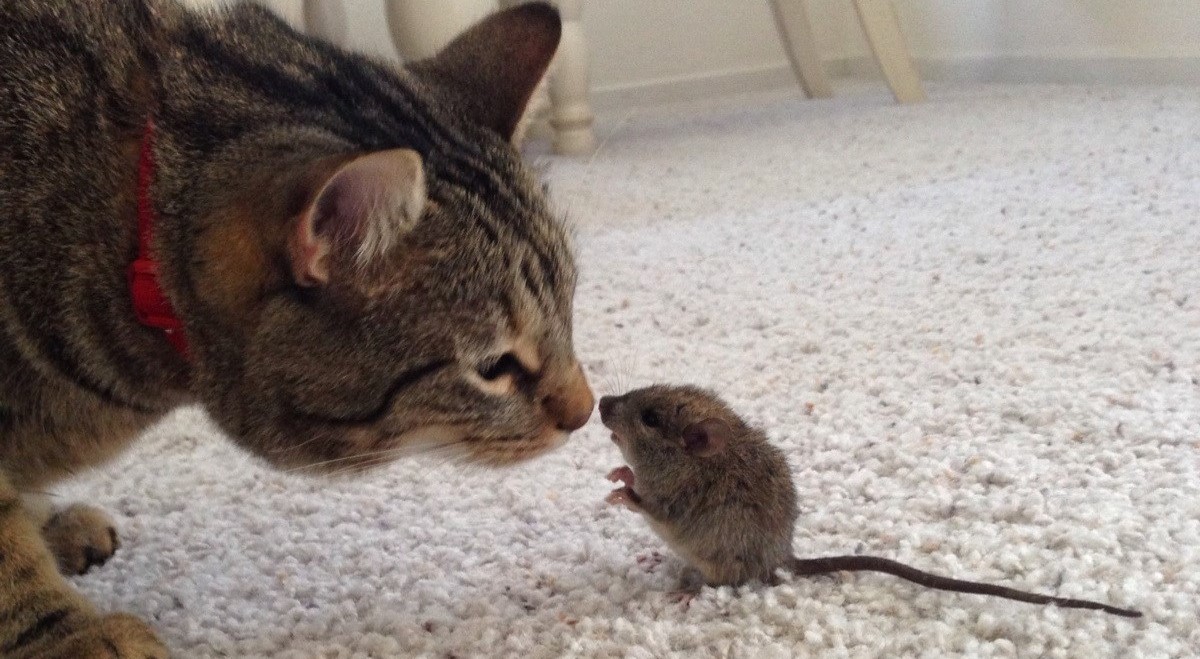
News that a kitten has tested positive for rabies in Chemainus, British Columbia, has naturally raised alarms for pet owners in the area. The idea of this deadly disease emerging so close to home is unsettling, especially when it involves such a young animal.
This event is a powerful reminder: rabies may be rare in our region, but it’s not something we can ignore. Knowing the facts will help you move beyond fear and ensure you’re ready to protect your pets and family. In this post, we’ll break down what happened, what rabies is, and how you can stay ahead of the risks—including how to easily handle rabies in kittens and prevent bigger concerns.
What Happened in Chemainus?
Let’s start with the basics. In July 2025, public health officials in Chemainus reported that a stray kitten was found on the roadside and soon developed symptoms typical of rabies—such as behavioural changes and problems swallowing. On July 21st, lab results confirmed what many feared: the kitten had rabies.
Although everyone known to have had close contact was identified and is being treated, the news rattled the community. Investigators suggest that the kitten likely contracted rabies from a bat—B.C.’s most common rabies carrier.
Here are a few quick facts:
- Nearly all animal rabies cases in B.C. for the last 25 years have involved bats.
- Only about 13% of bats tested for rabies are actually positive, but any exposure carries a risk.
- The threat to the general public is very low, but roaming animals—especially adventurous kittens—are more vulnerable.
If there’s one takeaway, it’s that even a single case like this one is a wake-up call to keep your guard up.
Understanding Rabies: What Pet Owners Need to Know
Rabies is a virus that attacks the nervous system of mammals, including pets and people. It’s almost 100% fatal once symptoms appear. This is why prevention and quick action are essential.
How does rabies in kittens or other pets usually spread? Primarily through the bite or saliva of an infected animal—often bats, raccoons, skunks, or foxes in Canada, with bats being the top culprit in B.C.
Key points about rabies:
- The virus can enter the body through bites, scratches, or saliva meeting an open wound or mucous membrane.
- People and animals almost always die once symptoms actually develop.
- The best way to manage risk is by making sure exposure never happens.
Unfortunately, rabies remains one of the world’s scariest zoonotic diseases, but its rarity does not mean we can let our guard down.
How Rabies Affects Domestic Animals
If an animal gets rabies, the virus invades its brain and nerves. Symptoms can be dramatic and scary. Unfortunately, by the time you see them, treatment is no longer an option.
Look out for these common signs in pets:
- Sudden changes in behaviour—friendly pets may become aggressive or vice versa.
- Difficulty swallowing or excessive drooling.
- Unstable walking (staggering or paralysis).
- Sensitivity to light and sound.
- Attempts to eat unusual objects (pica).
Once clinical signs appear, rabies in animals is always fatal. This makes prevention, especially pet rabies prevention, your strongest line of defence.
Special Concerns: Rabies in Kittens
Kittens are uniquely at risk for several reasons. They’re smaller, more curious, and less wary of wildlife. It’s easy to imagine a kitten pawing at a sick bat in the grass or a tree.
Small, quick interactions—like a scratch or playful bite—can be all it takes. Even indoor kittens may encounter a sick bat that enters through a window or chimney, making rabies threat to indoor pets very real.
The Power of Vaccination in Pet Rabies Prevention
Vaccination is not just a legal requirement in many places—it’s crucial for safeguarding your pet, your family, and your entire neighbourhood.
Benefits of rabies vaccination:
- Protects your pet even if an exposure occurs unexpectedly.
- Saves your family from worry, expensive medical bills, and heartbreak.
- Legally required in most regions—proof of vaccination spares your pet from long quarantines or, sadly, being put down if they bite someone.
Don’t underestimate the value of regular veterinary check-ups. Vets are experts in setting up the best pet rabies prevention schedule tailored to your animal’s needs.
Addressing the Rabies Threat to Indoor Pets
It’s easy to assume that if your pet never goes outside, the threat disappears. Sadly, that’s a dangerous myth.
Here’s why the rabies threat to indoor pets is real:
- Bats and other wildlife sometimes slip into homes unnoticed—through open doors, windows, attic vents, or chimneys.
- Even brief encounters while you’re asleep or away can put indoor pets at risk.
- All pets, indoors or out, should be kept up to date on rabies shots for total peace of mind.
Protecting your indoor animals is as critical as safeguarding those who love to roam outside.
Steps to Protect Your Pets and Family
Being proactive saves lives. Here are practical ways to help your pets steer clear of rabies:
- Keep vaccinations up to date: This is the single most powerful form of rabies protection for every pet.
- Supervise pets when outdoors: Never leave cats or dogs unsupervised. Keep walk times controlled and use a leash.
- Secure your house: Ensure windows have tight screens, chimneys are capped, and any potential wildlife “entry points” are professionally sealed.
- Stow food and trash correctly: Don’t leave dog or cat food outside, and use wildlife-resistant garbage bins.
- Educate your family: Teach children never to approach wild or unfamiliar animals—even adorable kittens or lost cats.
Follow these steps, and you’ll take a giant step toward reducing the risk of rabies in kittens or other household pets.
What to Do If You Suspect Rabies Exposure
Time is of the essence if you think your pet has tangled with a wild animal. Here’s a quick action plan:
- Act fast: Contact your veterinarian right away.
- Get guidance from public health: If you—or anyone else—were scratched or bitten, call your local Communicable Disease program for advice.
- Avoid direct handling: Don’t try to handle or capture the wild animal yourself. Call professional wildlife services for help.
Post-exposure treatment works, but only when started right away. Never try to treat or assess a wildlife situation on your own.
Signs to watch for after a possible encounter:
- Changes in your pet’s usual behaviour
- Unexplained wounds or bleeding
- New sensitivities to light, sound, or touch
When in doubt, seek professional advice—it’s always better to be cautious.
The Takeaway: Stay Informed, Stay Safe
Rabies in kittens reminds us all to be responsible and stay vigilant. Even though rabies is rare in British Columbia, especially in cats, the stakes are too high to be careless.
By following a few simple steps, you can confidently protect your loved ones:
- Schedule regular rabies vaccinations for both indoor and outdoor pets.
- Supervise your animals and secure your home to keep wildlife out.
- Be alert for signs of illness or injury in any animal.
- Seek help from animal and health professionals if you suspect exposure.
Learning more about rabies—and never letting your guard down—will help your family and pets stay safe in every season.
Fast Facts & Statistics
- In B.C., bats account for almost every rabies case—fewer than 15% of bats tested are infected, but one bite is all it takes.
- The Canadian Food Inspection Agency reports most domestic pet rabies cases come from accidental wildlife contact, especially in spring and summer.
- Rabies kills almost 59,000 people and countless pets globally each year—but prevention is simple and effective.
No one wants to face the stress and heartbreak of seeing a loved pet fall ill with rabies. But armed with up-to-date info and a good prevention plan, you can keep your furry friends safe for years to come.
The story from Chemainus is a reminder—not for panic—but for preparedness. With proper care, the rabies threat to indoor pets and outdoor pets can be almost entirely eliminated. If you want peace of mind and a healthy home, schedule your rabies vaccinations and stay informed.
If you have questions or spot a wild animal acting strangely, always choose professional, humane help over guessing. Remember, your pets rely on you for safety—let’s give them the best protection possible against rabies in kittens and all other dangers hiding just outside the door.

 Loading...







