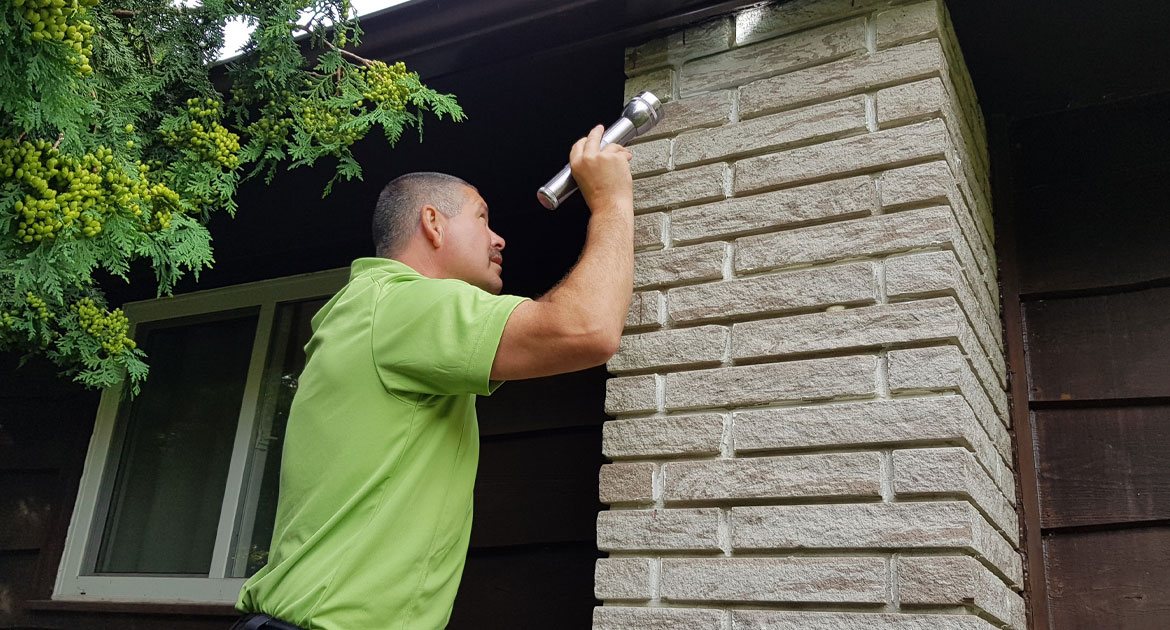
A wildlife issue can be stressful, but preparing for your upcoming property assessment doesn’t have to be. Our technicians conduct a full interior and exterior inspection to identify how animals are entering your home and what solutions will protect your property long-term. A little preparation beforehand helps ensure the assessment is thorough, efficient, and tailored to your situation.
To give homeowners peace of mind, our customer care specialist Brett Carey shares this helpful insight “When homeowners take just a few minutes to prepare—like making attic access available or mentioning recent repairs—it allows our technicians to focus on identifying the problem rather than navigating obstacles. We’re always here to walk you through what to expect before we arrive.”
Clear and Prepare Interior Access Points
One of the most valuable ways you can help your technician is by ensuring important interior access areas are easy to reach. Spaces such as attics, crawlspaces, and storage rooms provide essential information about wildlife activity, but they’re often blocked by personal items or difficult to enter. Clearing around attic ladders, removing obstacles from crawlspace entrances, and tidying storage areas enables the technician to safely and thoroughly inspect these key areas. This simple preparation helps prevent delays and ensures no part of your home is overlooked.
Share Any Recent Changes or Repairs
If your home has undergone updates or repairs—big or small—this information is incredibly helpful to your technician. Renovations, roof work, storm damage, or new insulation can change the structure or accessibility of certain areas, sometimes creating new wildlife entry points without homeowners realizing it.
Please also let your technician know if you’ve noticed any new or increased wildlife activity since your initial call. Fresh noises, sightings, droppings, or unusual behaviours can provide important clues about where animals may be entering or spending time.
If you’ve attempted any DIY fixes, patches, or deterrents, be sure to mention those as well. Even small home projects can accidentally block or open entry points, influence animal movement, or change how your technician approaches the inspection.
Mention Any Safety Concerns or Odd Signs
Your observations play a critical role in helping us understand the extent of the issue. If you’ve noticed chewed wires, fallen insulation, unusual odors, droppings, or strange noises, be sure to mention these details during the assessment. These signs often indicate specific wildlife species or high-activity zones within the home. Sharing this information ensures your technician can approach the inspection safely and uncover the root of the problem more quickly.
Ensure Exterior Access Is Available
A full-home inspection includes the entire exterior of your property—from the roofline to the foundation. To make this possible, please ensure backyard gates are unlocked, garages or side yards can be accessed, and any special entry instructions are communicated ahead of time. If you won’t be home, providing access directions ensures we can proceed without interruption. This step allows your technician to examine potential entry points such as vents, soffits, roof junctions, and other common areas where wildlife may be getting in.
Secure Pets for Everyone’s Safety
Pets are curious, and technicians often need to enter unfamiliar or tight areas. Keeping dogs, cats, or other animals safely secured in a room or crate ensures they stay calm and out of harm’s way. It also allows the technician to move freely through the home without causing stress to your pets.
Prepare Any Questions You Have
Your property assessment is the perfect opportunity to get answers. Whether you’re curious about the species involved, the removal process, potential risks, or long-term prevention options, we encourage you to ask. Our technicians are trained not only to inspect your home but also to provide clear, supportive explanations so you feel confident understanding your next steps.
Notify Household Members Before the Visit
Since the assessment involves a complete walkthrough of both the interior and exterior of your home, it’s helpful to let everyone in the household know when a technician will be on-site. This prevents surprises, helps keep pets secure, and allows our team to move through the home
Final Thoughts
Preparing for your property assessment is simple, and these small steps make a meaningful difference in the accuracy and efficiency of the inspection. By working together, we can quickly identify the wildlife issue and create a customized plan to protect your home for years to come.

 Loading...