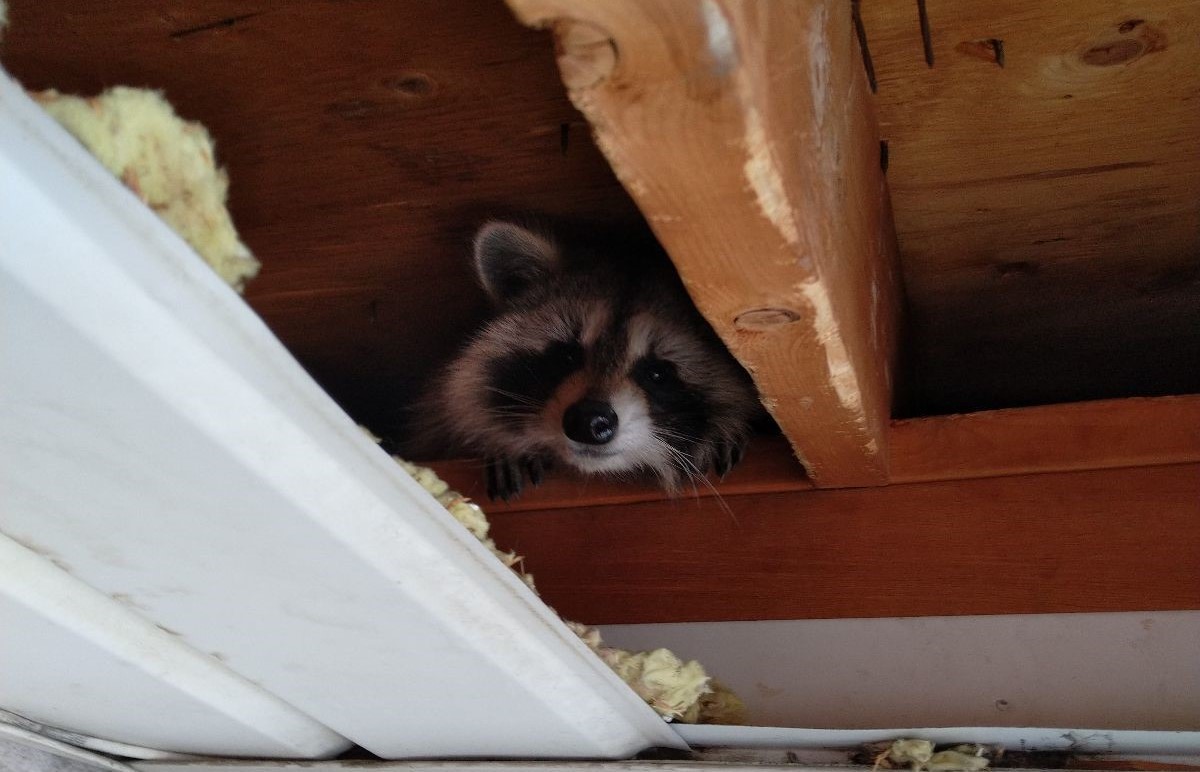

Raccoons are fascinating creatures with a range of behaviours and habits that can sometimes leave homeowners wondering whether what they’re observing is normal or cause for concern. Recognizing typical behaviours is essential for residents who frequently encounter these masked visitors near their homes, especially in neighbourhoods close to Butchart Gardens and other green spaces. At Skedaddle Humane Wildlife Control, we’ve spent decades studying and addressing raccoon-related issues, giving us unique insight into distinguishing normal habits from sick symptoms.
Understanding raccoon behaviour signs isn’t just about satisfying curiosity—it’s about protecting your home, family, and pets from potential health risks. When these animals display unusual behaviours, it often signals underlying health problems that could pose dangers to both the animal and nearby humans. Our team regularly helps residents identify concerning behaviours and implements humane solutions to manage wildlife conflicts effectively.
Normal Raccoon Habits: What to Expect
Raccoons are intelligent, adaptable creatures with distinct behavioural patterns. Recognizing these normal habits helps differentiate between typical activities and potential health concerns.
Nocturnal Activities
Raccoons are primarily nocturnal, meaning most of their activity occurs after sunset. If you notice them during daylight hours, this doesn’t automatically indicate illness, but it warrants closer observation.
- Common movements at dawn and dusk, especially during spring and summer when mothers need extra food for their young.
- Occasional daytime foraging during winter months when food is scarce.
- Increased activity around garbage collection days when easy meals are available.
Social and Family Structure
Contrary to popular belief, raccoons aren’t strictly solitary animals. Their social behaviours follow predictable patterns:
Female raccoons, often referred to as sows, typically raise groups of 3-5 kits without male involvement. It is normal to see a mother with her young from spring through fall. During winter, raccoons may den together for warmth, especially in urban areas where shelter options are limited. Adult males maintain loosely defined territories and may exhibit heightened aggression during mating season, typically between January and March.
Seasonal Behaviour Changes
Raccoon behaviour shifts significantly throughout the year:
- Spring (March-May): Female raccoons search for den sites to birth and raise their kits. This is when we receive the most calls about them in attics.
- Summer (June-August): Mothers begin teaching their kits survival skills. You may notice family groups foraging together near water sources.
- Fall (September-November): Raccoons intensify feeding to build fat reserves for winter. Garbage raids typically increase during this period.
- Winter (December-February): Activity decreases but doesn’t cease entirely. They don’t truly hibernate but may remain in dens during severe weather.
Sick Raccoon Symptoms: What to Watch For
Identifying sick symptoms early can help protect both the animals and your family. Here are key indicators that a raccoon might be ill:
Unusual Behaviour Patterns
When they deviate significantly from normal behaviours, it often signals health problems:
- Bold approach toward humans or pets without typical caution.
- Stumbling, disorientation, or circling in place.
- Unprovoked aggression or seeming confusion.
- Obvious difficulty walking or climbing.
- Excessive drooling or foaming at the mouth.
Physical Symptoms of Illness
Visual cues can help identify potentially sick raccoons:
- Mucus or pus around the eyes, nose, or mouth suggests infection.
- Healthy raccoons have thick, clean fur. Patchy fur, visible skin, or mange-like symptoms indicate illness.
- Unusually thin raccoons with visible hip bones typically suffer from advanced disease.
- While they normally make chattering and growling sounds, high-pitched screaming or unusual vocalizations might indicate pain or neurological issues.
Common Raccoon Diseases
Several diseases affect local populations that residents should be aware of:
Distemper vs. Rabies: How to Tell the Difference
Canine distemper and rabies are the two most concerning diseases affecting raccoons, and they can present with similar symptoms. Knowing how to distinguish between them is crucial.
Canine Distemper
This viral disease is common in local raccoons and presents with these symptoms:
- Respiratory issues – coughing, sneezing, and nasal discharge.
- Progressive neurological symptoms – twitching, seizures, and paralysis.
- Daytime wandering with apparent disorientation.
- Crusty eyes and nose.
- Relatively slow progression of symptoms over days or weeks.
Important note: While distemper cannot infect humans, it can spread to unvaccinated dogs. If you notice a raccoon displaying these symptoms near your property, keep pets indoors and call us immediately.
Rabies
Though less common than distemper, rabies is a fatal disease that can affect all mammals, including humans:
- Aggressive behaviour toward objects or animals.
- Self-mutilation.
- Excessive salivation or foaming at the mouth.
- Rapid symptom progression.
- Paralysis in later stages.
Critical safety warning: Never approach a raccoon suspected of having rabies. Contact animal control immediately and keep all people and pets away from the area.
Protecting Your Home and Family from Raccoon-Related Health Risks
Taking proactive measures can significantly reduce your risk of raccoon-related problems.
Raccoon-Proofing Your Property
The most effective strategy is preventing them from establishing dens on your property:
- Secure garbage bins with locking lids or bungee cords.
- Remove outdoor pet food after feeding times.
- Cap chimneys with proper wildlife-proof covers.
- Trim tree branches that provide roof access.
- Inspect and seal potential entry points around your home’s exterior.
What to Do If You Find Baby Raccoons
Finding baby raccoons (kits) requires special consideration:
Never assume they’re abandoned, as mothers frequently leave kits alone while foraging. Observe from a distance for 24 hours before concluding they are orphaned. Remember, attempting to raise them yourself is illegal and dangerous—raccoon kits require specialized care. Always contact wildlife professionals. At Skedaddle, we specialize in humane family unit relocation, keeping mother and babies together while removing them from your property.
When to Call Skedaddle for Raccoon Issues
Not every raccoon sighting requires professional intervention, but certain situations definitely warrant calling our team:
Emergency Situations
Contact us immediately if you encounter:
- Raccoons showing symptoms of illness.
- Raccoons inside your living space.
- Aggressive behaviour toward people or pets.
- Baby raccoons with no mother present for more than 24 hours.
Non-Emergency Situations
We also help with:
- Raccoons denning in your attic, chimney, or under decks.
- Property damage assessment and repair.
- Preventative exclusion work to raccoon-proof your home.
- Cleaning and sanitizing areas contaminated by waste.
Our Humane Approach to Raccoon Management
At Skedaddle, we’ve developed a comprehensive approach to wildlife management that respects both the animals and our clients’ properties. Our technicians follow a proven protocol that includes thorough property inspections to identify entry points, specialized equipment like thermal imaging to locate raccoons, especially babies, and humane removal techniques. This ensures the safe reunion of mothers and their kits when necessary.
Raccoons are a natural part of the ecosystem, but they can pose serious risks when their behaviour indicates illness or when they come uncomfortably close to human habitation. If a raccoon is causing concern on your property, act now rather than wait for the situation to worsen. Contact Skedaddle Humane Wildlife Control for professional, humane, and effective raccoon management solutions. Your family’s safety and peace of mind are our top priorities, and our expertise ensures the job is done right the first time.

 Loading...

