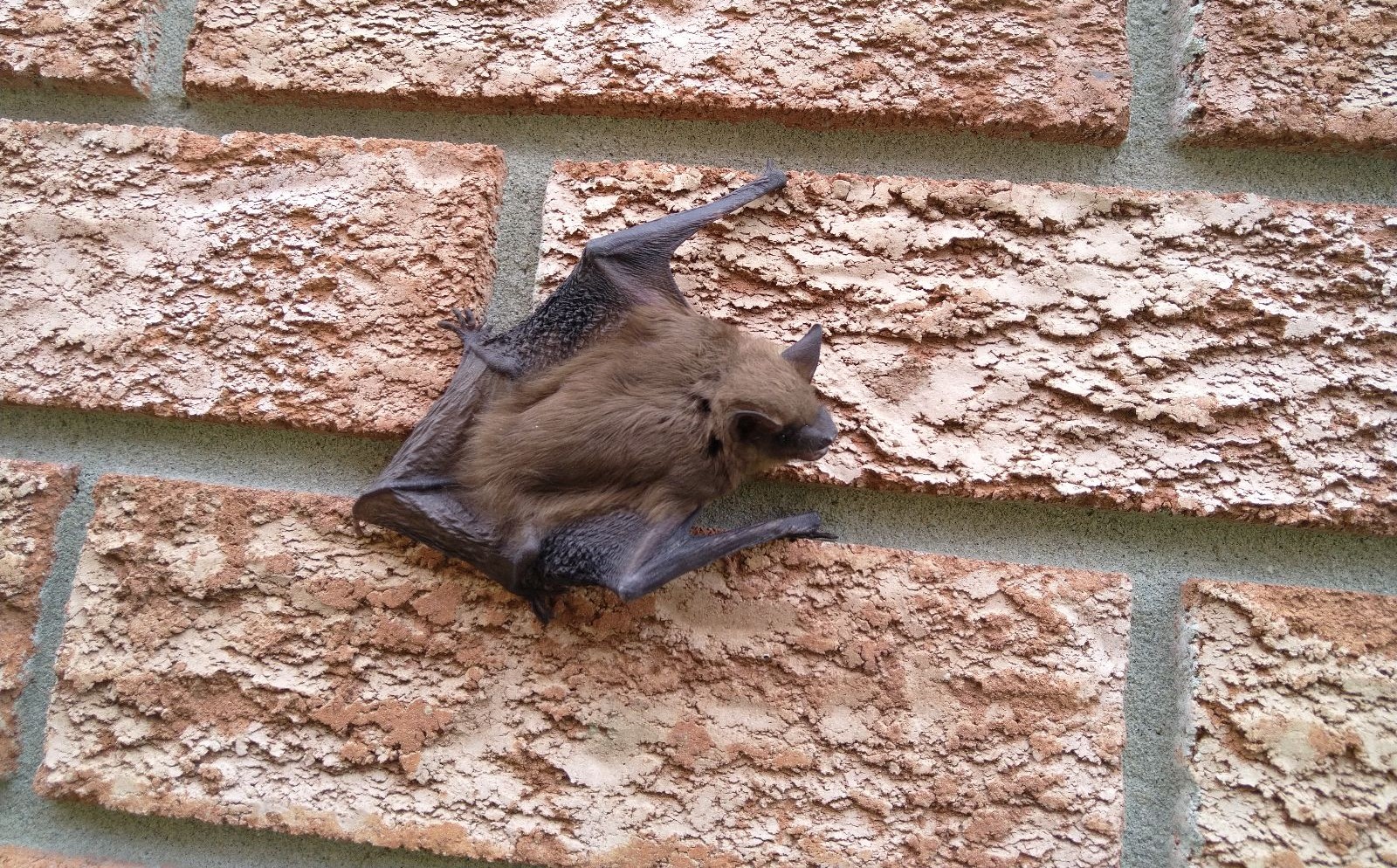
You may have noticed the occasional bat swooping overhead at dusk. But when these nocturnal creatures decide your home is an ideal roosting spot, it can become concerning. Why bats enter homes is a common question we receive at Skedaddle Humane Wildlife Control, especially during certain seasons when activity increases around residential areas.
Bats are fascinating mammals that play crucial roles in our ecosystem, consuming thousands of insects nightly. However, when they establish colonies in your attic or walls, they can create health risks and property damage that require professional attention. Understanding what attracts these animals to your house is the first step in preventing an unwanted infestation.
Why Bats Enter Homes
Bats don’t randomly select houses for roosting—they’re drawn to specific conditions that mimic their natural habitats while offering additional benefits. Recognizing these factors is crucial to understanding why your home might be particularly attractive to bats.
The Search for Ideal Roosting Conditions
Bats seek shelter that provides:
- Temperature stability: Attics maintain consistent temperatures necessary for raising young and surviving cooler nights.
- Protection from predators: Your home offers safety from owls, hawks, and other natural threats bats face in the wild.
- Proximity to food and water: Homes near water sources like the Inner Harbour or Gorge Waterway are particularly attractive, as these areas are rich in flying insects.
- Darkness and minimal disturbance: Undisturbed attics, wall voids, and chimney spaces provide the quiet, dark environment these mammals prefer for resting.
The structural features of older homes, with their classic architecture and often less-sealed construction, create ideal entry points for these creatures, which can squeeze through openings as small as 6 millimetres—about the size of a dime.
Common Entry Points That Attract Bats to Houses
Knowing how bats access your home helps identify vulnerabilities that may be attracting them in the first place. Our technicians have identified these primary entry points during thousands of inspections:
- Roof intersections and valleys: The junction where different roof sections meet often develops gaps as buildings settle.
- Deteriorated soffits and fascia boards: Weather-damaged or aging materials create openings bats can exploit.
- Uncapped chimneys: An open chimney is essentially an invitation for bats looking for vertical roosting spaces.
- Vents without proper screens: Attic, gable, and ridge vents provide direct access when not properly protected.
- Gaps around pipes and utility lines: Small openings often form where utilities enter your home, which are perfect for entry.
Even recently built properties can have construction gaps where materials meet that aren’t properly sealed. The character-rich historic homes around James Bay or Rockland neighbourhoods often have more entry opportunities due to settling and aging materials.
Seasonal Factors in Bat Home Invasions
The timing of bat invasions isn’t random. Understanding seasonal patterns helps predict when your home is at the highest risk and when prevention efforts are most crucial.
Maternity Season: A Critical Time
From June through August, female bats seek secure, warm locations to give birth and raise their young. During this period, females form maternity colonies where they collectively raise their pups. Each typically has one pup that cannot fly for 6-8 weeks. The colony becomes more active with increased comings and goings, and more droppings accumulate as the colony size effectively doubles. This maternity season creates a window of vulnerability where bats are most likely to enter homes. It’s also when removal becomes more complex due to the presence of flightless young.
Fall Transition Period
As summer ends and temperatures begin to drop, bats prepare for hibernation. During this transitional period, they actively seek protected spaces to overwinter. They may investigate new roosting options, including your home. Young bats born that summer are now flying and looking for roosting sites. This fall transition represents another high-risk period for new invasions in local homes, particularly those near natural areas like Beacon Hill Park or Mount Douglas.
Health and Property Concerns
Understanding the risks associated with bat infestations helps emphasize why prevention is crucial for homeowners.
Health Risks of Bat Infestations
Colonies present several health concerns. Guano accumulation can lead to respiratory infections like histoplasmosis when spores become airborne. While rare, bats are known rabies carriers, and the disease is transmissible through bites or scratches. Bat bugs, similar to bed bugs, can infest homes and occasionally bite humans. Additionally, surfaces contaminated with urine and droppings can harbour various bacteria.
Property Damage Concerns
Beyond health risks, bat colonies can damage homes in several ways:
- Insulation contamination: Guano and urine soil attic insulation, reducing its effectiveness and requiring replacement.
- Staining and odour issues: Urine can seep through ceilings and walls, creating stains and persistent odours.
- Structural deterioration: Over time, the acidic properties of guano can degrade wooden structural elements.
The costs of addressing these issues increase the longer a colony remains, making early detection and prevention crucial for homeowners.
Preventing Bats in Homes: Practical Solutions
At Skedaddle, we’ve developed proven strategies to prevent intrusions while respecting these important animals.
Home Maintenance to Deter Bats
Conduct regular exterior inspections, especially of your roofline, soffits, and fascia boards, at least twice a year, particularly before the maternity season begins in May. Use appropriate materials to close gaps 6mm or larger around your home’s exterior—remember, if you can fit a dime in the gap, a bat can enter. Install fine mesh screens (6mm or smaller) on all attic and gable vents while ensuring proper airflow is maintained. Replace rotting fascia boards, soffits, and other wooden elements that may create entry opportunities. Plan preventative work during the fall after the maternity season ends but before hibernation begins—typically late August through September.
Professional Exclusion Methods
For homes already experiencing activity, professional exclusion becomes necessary. Bat-specific one-way doors allow bats to exit while preventing re-entry without harming the animals. Our technicians identify and seal every potential entry point using wildlife-specific exclusion materials designed to withstand attempts to regain entry. Exclusion work must align with bat biology, avoiding both hibernation periods and maternity season when pups are present.
Identifying Bat Activity in Your Home
Recognizing the signs of activity early allows for more timely intervention. Common indicators include visual sightings of bats emerging at dusk or returning at dawn, high-pitched chittering sounds from walls or attic spaces, especially at dawn and dusk, small, dark droppings resembling mouse droppings but crumbling when touched, brown or black stains around potential entry points caused by body oils as bats squeeze through, and a distinctive musky odour from the accumulation of guano and urine. Listen carefully during June and July evenings when maternal colonies are most vocal with pups present.
Understanding Bat Biology: Key to Effective Management
Our approach to management is grounded in a scientific understanding of these remarkable animals. Key biological factors that influence management include their hibernation patterns and reproductive timelines. Understanding these elements is essential for effective intervention and humane solutions to bat issues.
If bats are becoming more than just a fleeting nighttime curiosity around your property, it’s time to act. Contact Skedaddle for professional removal and preventative measures tailored to your home’s unique requirements. Protect your home and health by addressing these unwanted visitors before they settle in for the long term.


 Loading...