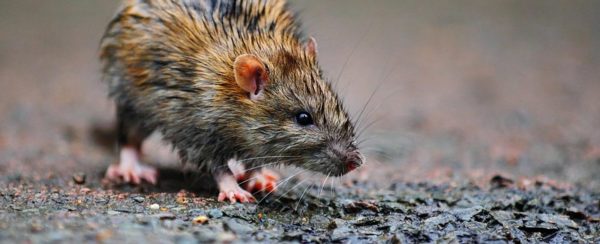
Rats are among the most notorious uninvited guests in homes, with their breeding patterns creating significant challenges for homeowners year-round. Just as the iconic Butchart Gardens transform with the seasons, rat populations follow their own reproductive cycles that can quickly turn a single sighting into a full-blown infestation.
At Skedaddle Humane Wildlife Control, our team helps residents understand rat breeding habits and address these persistent pests. We know that when rats give birth, it is crucial to get effective prevention and control.
The reproductive capacity of rats is nothing short of remarkable—and concerning. A single pair can potentially produce up to 1,250 offspring in just one year under ideal conditions. This rapid growth explains why spotting one rodent often indicates a larger problem lurking within your walls or beneath your floorboards.
Let’s explore the fascinating yet troubling world of rat reproduction and what it means for your home.
The Rat Reproduction Cycle: More Efficient Than You Might Think
The biology of rats has been perfected through millennia of evolution, making them one of the most successful mammals on the planet. Understanding their breeding patterns is essential when dealing with potential infestations.
Breeding Season: When Do Rats Give Birth?
Unlike some wildlife that breed seasonally, rodents can reproduce year-round when living in human structures where conditions remain relatively stable.
- Spring and summer months typically see the highest reproductive activity.
- Fall often brings another breeding surge as rodents prepare for winter.
- Even during winter, rats in heated homes continue to reproduce with little slow-down.
The ability to breed continuously throughout the year is one reason why rodent populations can explode so quickly in urban environments. A female rat doesn’t need to wait for a specific season; she simply needs adequate food, water, and shelter.
The Pregnancy Timeline
Once mating occurs, the gestation period for rats is remarkably short:
- Female receptivity: A female rat is in estrus (heat) for about 12 hours every 4-5 days until she becomes pregnant.
- Gestation period: Only 21-23 days from conception to birth.
- Litter size: Typically 6-12 pups per litter, though this can vary based on species and conditions.
- Maturation rate: Young rats reach sexual maturity at just 5-8 weeks of age.
Post-birth timing is crucial: A female rat can become pregnant again within 24-48 hours after giving birth, creating an almost continuous cycle of reproduction. This biological efficiency explains why DIY rodent control methods rarely succeed—by the time you notice one rat, dozens more may already be developing.
Factors Influencing Breeding Habits
Several environmental and biological factors determine when rats give birth and how productive their breeding becomes. Understanding these influences helps explain why infestations can suddenly accelerate—or occasionally slow down.
Environmental Triggers
Rats are highly responsive to their environment when it comes to reproduction. Various elements can play pivotal roles:
- Food availability: Abundant food sources in homes (especially during winter months) can trigger increased breeding rates.
- Temperature and shelter: Warm, protected spaces inside walls, attics, and basements create ideal year-round breeding conditions.
- Population density: When space is plentiful, females produce larger litters; crowding can sometimes reduce litter sizes.
- Seasonal changes: Even indoor rats may respond to seasonal light patterns that influence hormonal cycles.
Access to water is also key. Consistent water sources, such as leaky pipes, condensation, and pet water bowls, support higher reproductive rates. Without reliable water, breeding may temporarily slow—but rarely stops completely.
Species Differences in Reproduction
Homeowners typically encounter two main rat species, each with slightly different reproduction patterns:
Norway rats (Brown rats):
- Produce up to 7 litters per year.
- Average 8-12 pups per litter.
- Prefer ground-level and below-ground nesting sites.
- More common in basements and crawl spaces.
- Produce up to 6 litters annually.
- Average 6-8 pups per litter.
- Prefer elevated nesting locations.
- More likely to infest attics and upper levels of buildings.
Both species are prolific breeders, but understanding which type has taken up residence can help predict their movement patterns and breeding locations within your home.
Signs of Breeding in Your Home
Identifying a breeding site early can mean the difference between a minor issue and a major infestation. Here are key indicators that rodents have established breeding colonies in or around your property:
Physical Evidence
Evidence of rats extending into breeding grounds can include:
- Nesting materials: Accumulations of shredded paper, fabric, insulation, or dried plant material in enclosed spaces.
- Distinct pathways: Well-worn routes along walls, pipes, or rafters as rats travel between nesting sites and food sources.
- Concentrated droppings: Areas with numerous droppings, particularly near potential nesting sites.
- Gnaw marks: Fresh chewing damage, especially around potential entry points or near nesting areas.
Unusual sounds, such as increased scratching, squeaking, or scurrying noises in walls, ceilings, or floors—particularly at night when multiple juveniles become active—are a giveaway for rat activity.
Behavioural Patterns
Breeding colonies also create distinct behavioural evidence:
- Increased sightings: More frequent rat sightings, especially during daylight hours, suggesting overcrowding.
- Bold behaviour: Less cautious actions as competition for resources increases.
- Multiple size classes: Observing both adult and juvenile rats, indicating an established breeding population.
- Territorial markings: Grease marks along frequently travelled routes as rats’ oily fur rubs against surfaces.
When multiple signs appear simultaneously, it strongly suggests that rats aren’t just visiting your property—they’ve established breeding colonies and are actively reproducing.
The Hidden Psychology of Reproduction
What many homeowners don’t realize is that the breeding habits of rats are influenced not just by physical conditions but also by complex psychological and social factors. This hidden dimension of rodent behaviour can significantly impact control efforts.
Stress and Reproduction
Rats experience stress similarly to humans, and their reproductive patterns reflect this:
- Overcrowding stress: In extremely dense populations, some females may resorb embryos or experience pregnancy failures.
- Predation pressure: Increased threat perception can temporarily suppress breeding in some cases.
- Resource competition: Limited food access may reduce litter sizes or frequency.
However, it’s important to note that moderate stress—like that caused by inconsistent control attempts—can actually increase reproductive rates as a survival response. This nuance explains why halfhearted control efforts often seem to worsen issues.
Nesting behaviour showcases these effects: A pregnant female rat focuses intensely on creating a secure, hidden nesting site before giving birth. This often drives them deeper into structural voids and inaccessible areas of homes.
Social Structures and Breeding
Rat colonies develop complex social hierarchies that influence breeding times:
- Dominant females often have priority access to optimal nesting sites.
- Subordinate females may experience delayed sexual maturity when resources are limited.
- Male territories frequently overlap with multiple females, maximizing reproductive opportunities.
These social dynamics mean that simply removing a few visible rats rarely solves the underlying problem—the social structure quickly adjusts, and breeding continues with the remaining colony members.
Rats and Property Damage
When left unaddressed, the reproductive capacity of rats creates cascading problems that extend well beyond the initial nuisance of having rodents in your home.
Progressive Property Damage
As rat populations grow through continuous breeding:
- Electrical damage increases: More rats chewing on wiring creates greater fire hazards.
- Insulation destruction expands: Nesting females constantly seek new materials, often destroying attic or wall insulation.
- Structural integrity issues worsen: Expanded tunnel systems and gnawing can compromise building components.
- Plumbing vulnerability rises: More rats mean more chances of chewing vulnerable spots.
By taking proactive steps and understanding rat behaviour, you can protect your home from the challenges posed by these difficult pests. Do not let rodent infestations run amok on your property. Rodent issues should not only be attended to reactively but pre-emptively to control their unprecedented reproductive capacity.
Contact Skedaddle to Protect Your Home from Rats
The battle against infestations begins with understanding rat habits and the factors that influence their rapid growth. Without intervention, rats can take a significant toll on both your property’s integrity and health safety. If you’ve noticed signs of rat activity or want to protect your home before problems arise, Skedaddle Humane Wildlife Control offers comprehensive and humane solutions tailored to unique challenges.
With over 30 years of experience, our expert team provides thorough inspections, identifies entry points, and implements effective strategies to remove and prevent rats from invading your space. Don’t let these pests overrun your home—contact Skedaddle today for professional wildlife control services designed to keep your property rat-free, and your peace of mind intact. Engage us now, and safeguard your home against the relentless cycle of rat reproduction!

 Loading...