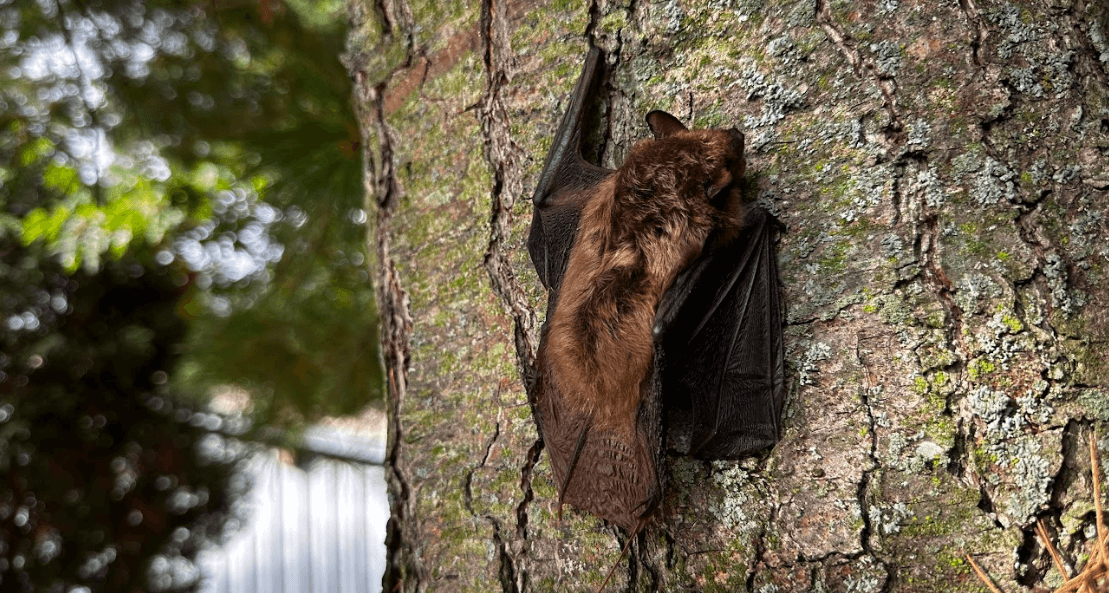
When winter hits in Canada, most people bundle up indoors, enjoying warmth while snow covers the ground. But you may not be the only one seeking comfort. Some wildlife, especially bats, look for safe, cozy spots to wait out the cold. You might wonder: Do bats hibernate in Canadian homes during the winter?
The short answer is yes; some species do. Certain bats, like the big brown bat, often spend winter months tucked away inside attics, walls, or other hidden parts of homes. They aren’t flying around or nesting like birds. Instead, they enter a deep sleep called hibernation to survive when food is scarce.
At Skedaddle Humane Wildlife Control in Ajax, we often get calls from homeowners during the colder months who are surprised to discover bats hibernating in homes. Let’s explore why this happens, what their winter habits look like, and what you can do to prevent bats in winter.
Why Some Bats Choose Homes Over Caves
Bats don’t hibernate anywhere they find. They look for spaces that are warm, quiet, and protected. Canadian winters can be harsh, and natural shelters like caves, hollow trees, or rock crevices aren’t always available, especially in urban and suburban areas. Homes often become a substitute.
Here’s why bats hibernating in homes is so common in Canada:
- Warmth and Shelter: Attics, chimneys, and wall cavities provide insulation from freezing temperatures.
- Stable Environment: Unlike outdoor shelters, homes stay at a fairly steady temperature, which helps them conserve energy.
- Safety From Predators: Indoors, they are hidden from owls, hawks, and other animals that may attack them outdoors.
This mix of comfort and safety makes your home an ideal hiding spot for a long winter nap.
Canadian Bat Winter Habits
Not all bats in Canada behave the same way in the winter. Their survival habits depend on the species and where they live.
Here’s what you should know about Canadian bat winter habits:
- Big Brown: They are known to hibernate inside buildings like homes, barns, and attics.
- Little Brown: They prefer caves or abandoned mines but sometimes use buildings too.
- Migratory: Some species, such as the red bat, fly south before the cold weather arrives.
When temperatures drop, bats enter a state called torpor. It’s like deep sleep, but their body temperature and heart rate slow down dramatically. This helps them save energy since insects—their main food source, aren’t around in winter.
Even though they appear still, bats may wake up a few times during winter. On warmer days, they might move around or change positions inside their hiding spot.
Why Bats Pick Attics and Walls
If you’ve heard quiet scratching sounds during the winter, especially in your attic, it could be a bat finding shelter. Attics and wall spaces are popular because they meet all of a bat’s needs for hibernation.
Here’s what attracts them:
- Insulation: Attics stay warmer than outdoor spaces, even in freezing weather.
- Quietness: There’s little disturbance, allowing bats to rest without being woken up.
- Darkness: Bats prefer dark, enclosed areas that mimic caves.
- Access Points: Small gaps around vents, soffits, or chimneys are easy entryways for them.
A single small hole is all it takes for a bat to enter. Once inside, they often stay unnoticed until spring when temperatures rise, and they start to move around again.
The Risks of Bats in Homes
While bats are vital for ecosystems, they eat thousands of mosquitoes and insects, they’re not safe to share a home with.
Here’s why having bats hibernating in homes can be risky:
- Health Concerns: Droppings, known as guano, can carry a fungus that leads to a lung condition called histoplasmosis.
- Odours and Stains: Guano buildup can create unpleasant smells and damage insulation or walls.
- Noise: You might hear scratching, fluttering, or squeaking noises at night.
- Structural Damage: Over time, urine and droppings can weaken building materials.
If you suspect bats are living in your home, it’s important to avoid disturbing them. Bats that are woken during hibernation can waste their stored energy and may not survive the winter.
When Bats Wake Up Mid-Winter
Sometimes bats wake up early, especially if temperatures rise for a few days. This can confuse them and cause them to accidentally enter living spaces through vents or small openings.
If you ever find a bat flying inside your home during winter:
- Stay Calm: Bats aren’t aggressive and usually just want to get out.
- Avoid Touching It: These animals should never be handled without professional help.
- Call Professionals: Our team at Skedaddle can safely and humanely remove them.
Once the bat is out, we can inspect your home and find out how it got in, using one-way doors to let wildlife leave safely while preventing them from coming back.
Common Entry Points in Homes
You may be surprised by how small an opening a bat can squeeze through. Some gaps are no bigger than a dime.
Common spots where bats can enter include:
- Roof vents and soffits
- Gaps along rooflines
- Chimneys and attic fans
- Cracks in siding or fascia boards
- Loose flashing or shingles
Since bats can return to the same roost year after year, sealing these entry points correctly is important to prevent future issues.
Where Bats Go When They Leave Homes
When bats leave in the spring, they move toward summer roosts like trees, barns, or caves. Female bats often form maternity colonies to raise their pups in warm, safe areas.
But many will return to the same house the following winter if it’s still accessible. This is why long-term bat prevention in winter is key. Once they find a reliable place to hibernate, they tend to use it again.
Signs You May Have Bats Hibernating in Homes
Because bats are quiet during winter, it can take time to notice they’re there. But some signs are easier to spot than others.
Look out for:
- Small Droppings on walls, insulation, or near entry points
- Staining or Dark Marks around gaps and vents (from bat oils)
- Chirping or Scratching noises, especially at night
- Unusual Odours in attics or upper rooms
If you see or hear any of these, it’s time to call for professional help. Our team can perform a detailed inspection to confirm activity and safely guide bats out once hibernation ends.
How We Prevent Bats in Winter
At Skedaddle Humane Wildlife Control, we use humane, science-backed methods to keep homes safe. Our process focuses on long-term prevention—not harm.
Here’s how we help:
- Inspection: We find where bats enter and look for signs of nesting or damage.
- One-way doors: These allow bats to exit your home safely but prevent them from coming back.
- Sealing and repairs: After removal, we seal every gap or opening to keep future wildlife out.
- Cleanup: We handle contaminated insulation or guano so your attic stays clean and safe.
We never use traps or relocation. Our goal is to protect both your home and the wildlife around it.
Keep Your Home Safe This Winter
Canadian winters are long and cold—but bats are clever survivors. Some species adapt by hibernating inside attics, walls, and other warm spaces. While their survival skills are impressive, bats hibernating in homes can create serious problems for property owners.
If you’ve noticed strange noises, droppings, or dark stains near vents, you could be seeing signs of Canadian bat winter habits up close. These animals look for safe, cozy spaces to conserve energy and stay warm, but that space shouldn’t be your home.
You can take action to prevent bats in winter with the help of experts. Contact Skedaddle Humane Wildlife Control in Ajax for a full inspection, humane removal using one-way doors, and sealing to keep wildlife out for good.
Request an estimate today and let our team help you protect your home: safe, warm, and bat-free all year long.

 Loading...







