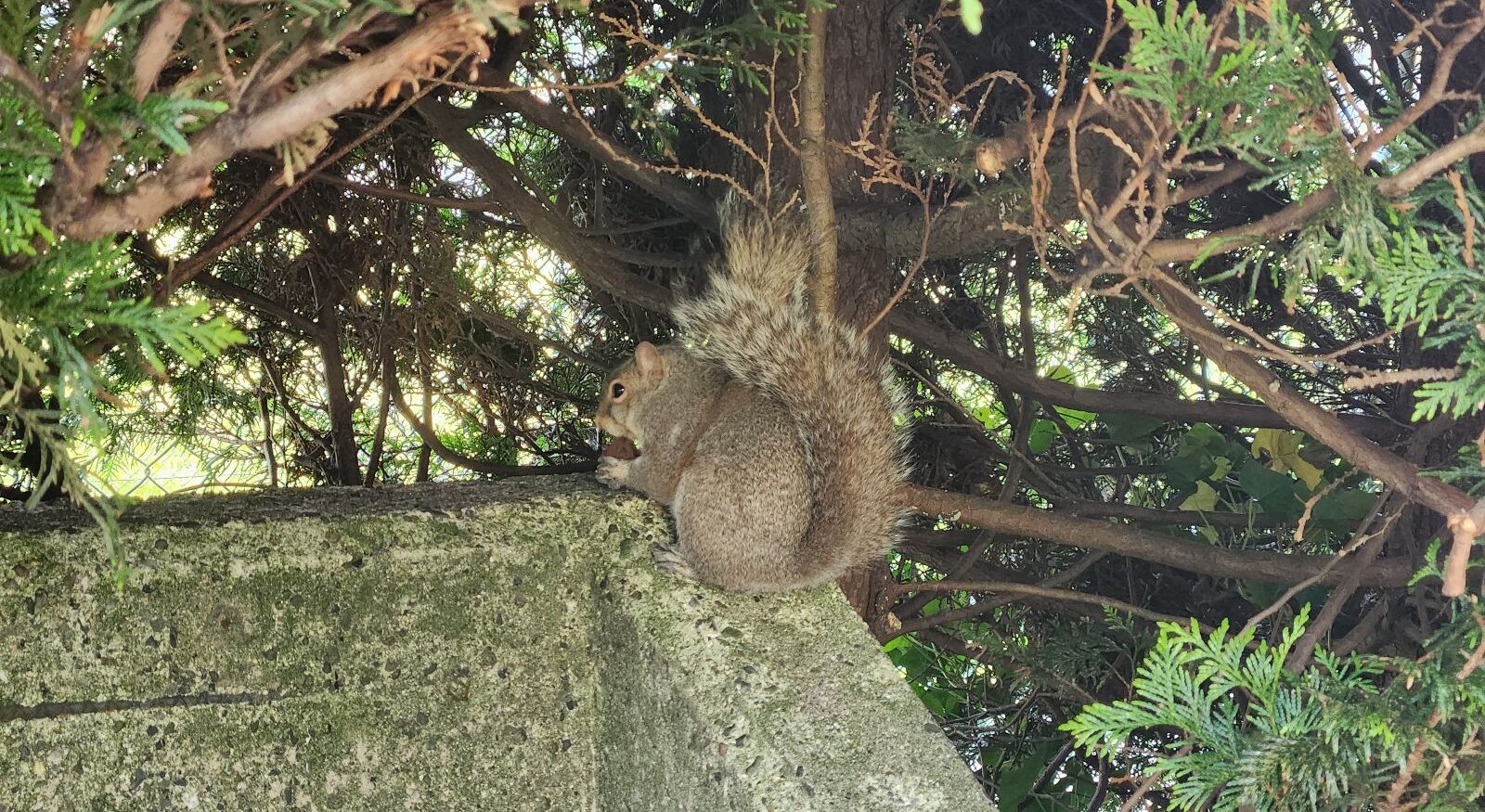

Winter in Colorado brings bright snow, cold mornings, and shorter days. It also brings a sudden rise in indoor squirrel problems, especially in cities like Arvada. As the temperature drops, these animals start searching for warm, safe places to build nests. Homes become easy targets, and many families want to know how to stop squirrels nesting in Colorado houses before winter gets harsh.
Stopping these animals from settling indoors takes awareness, timing, and the right prevention methods. Winter shifts the landscape, closes off food sources, and pushes wildlife closer to neighborhoods. That is why homeowners across Colorado look for reliable ways to keep squirrels outside and protect their attics, rooflines, and upper floors. This guide explains why winter increases the risk, where nesting begins, and the steps professionals like Skedaddle Humane Wildlife Control in Arvada take to keep homes safe. It also shares helpful winter squirrel prevention tips so Colorado homeowners understand what leads to these issues and why expert help matters.
Why Winter Pushes Wildlife Toward Colorado Homes
Colorado’s winters are demanding, and wildlife responds quickly to the change. Squirrels stay active all year, and when snow and freezing air arrive, they must find stable heat and shelter. Houses provide everything they need: warmth, dry space, and quiet pockets to hide.
Lower temperatures also change how these animals move. Rooflines, trees, and utility wires turn into travel paths as they search for safer places. When natural food supplies shrink, homes become even more appealing. These combined pressures make winter a peak season for indoor nesting.
How Cold Weather Opens New Paths Indoors
Winter often exposes weaknesses in a home’s structure. Even small changes can create openings big enough for wildlife to slip through, and most homeowners do not notice these shifts as they happen.
Cold air causes wood and other building materials to contract. When this happens, gaps can appear around roof edges, vents, and siding. A home that felt tightly sealed in the fall may suddenly have new spaces animals can use.
Strong Colorado winds can also lift shingles or bend pieces of flashing. Once a shingle loosens, it leaves a small opening behind. Wildlife only needs a tiny gap to push farther inside, and winter storms make these spots more common.
Heavy snow adds another layer of stress. Gutters may bend or pull away from the roof under the weight. When that separation occurs, the edge of the attic becomes exposed. This open space is a perfect entry point for squirrels looking for warmth.
Because these shifts happen slowly and often out of sight, many families are caught off guard by indoor nesting problems. The weakness forms long before the first signs of activity are heard.
Where Indoor Squirrel Problems Usually Begin
Once inside, squirrels look for quiet, warm areas where they can stay hidden. Indoor nesting often starts long before homeowners hear noises or see damage.
Typical nesting areas include:
- Attics With Stored Belongings: Boxes, blankets, and decorations create perfect shelter. These items also provide material that can be torn apart and shaped into nests.
- Wall Voids Behind Insulation: The darkness and warmth of insulated walls offer excellent protection. These areas are rarely disturbed, making them a favored hiding spot.
- Space Above Attached Garages: Garages warm up during the day, creating steady heat above them. This temperature shift draws wildlife toward overhead areas.
Once nesting begins, activity often spreads deeper into the home as animals explore for warmth and safety.
Winter Behavior That Increases Indoor Nesting
Winter changes how squirrels behave, and many of their actions are driven by simple survival. As temperatures drop, their habits shift in ways that increase the chance of indoor nesting. These seasonal changes make them more determined to find warm, protected areas inside Colorado homes.
Cold nights force wildlife to search farther for shelter. When outdoor temperatures fall quickly, squirrels travel across more yards and explore more houses. This wider search makes winter months the most common time for unexpected entry.
Rooflines, branches, and overhead wires also become bridges during the winter season. Trees that touch or hang close to the home give squirrels easy access to upper levels. With these natural pathways, reaching attics or roof edges becomes simple.
Chewing behavior increases as well. Even a tiny opening can be widened if a squirrel pushes and chews at it long enough. Winter stress, lack of food, and the need for warmth all make them more determined to work through weak spots in the structure.
Once they find a warm space, they often return. A home that feels safe becomes a regular nesting option unless it is sealed properly. This repeat behavior is why early prevention makes such a big difference.
Why Basements and Lower Areas Are Less Common
While raccoons or mice often enter lower parts of a home, squirrels usually favor higher spots. This is because attics and rooflines hold stable heat, especially during sunny Colorado afternoons. The height also gives them a sense of safety from outdoor predators.
However, once indoors, they may explore other areas in search of insulation, wires, or hidden spaces. Any part of the home can become damaged if the issue is not handled quickly.
Structural Weaknesses That Attract Indoor Nesting
For many homes, issues that appear small can attract unwanted wildlife. A weakness along the roof may stay unnoticed until a problem begins.
Common trouble areas include:
- Uncapped Chimneys: An open chimney creates a direct path inside. Warm air rising from the home draws animals toward it during colder days.
- Loose Vent Covers: Dryer vents, attic vents, and roof vents can shift during storms or heavy snow. A tiny movement is often enough to let wildlife squeeze through.
- Exposed Roof Junctions: Where the roof meets walls or other structures, seams can open slightly in cold temperatures. These seams are ideal for sneaking inside.
Spotting these trouble areas early helps reduce nesting issues during the peak winter months.
Ways to Stop Squirrels Nesting in Colorado Homes This Winter
Preventing indoor nesting requires a combination of blocking access, securing weak spots, and understanding how wildlife behaves in winter. Colorado homeowners do not need to handle this alone. Professional support keeps the process safe and effective.
Here are several ways winter nesting can be stopped, explained in longer detail:
- Seal and Reinforce Entry Points: A strong prevention plan begins with closing off openings around your roof, walls, and attic. Professionals identify gaps that are too small for most homeowners to notice. Once these areas are secured, winter nesting becomes much less likely.
- Protect Roof Vents and Chimneys: Screens, caps, and reinforced covers keep wildlife from exploring vents and chimneys. These areas are among the most common entry points in Colorado homes.
- Clear Paths That Lead to the Roof: Branches touching the roof or close to it act like bridges. Trimming these areas reduces the number of access points wildlife can use. Even a few inches of distance lowers the chance of climbing animals reaching the upper structure.
- Use Humane One-Way Door Systems: If an animal is already inside, our humane one-way doors allow it to exit while preventing it from returning. This safe method keeps both the home and the wildlife protected.
These steps work together to stop squirrels from settling inside and reduce long-term damage during winter months.
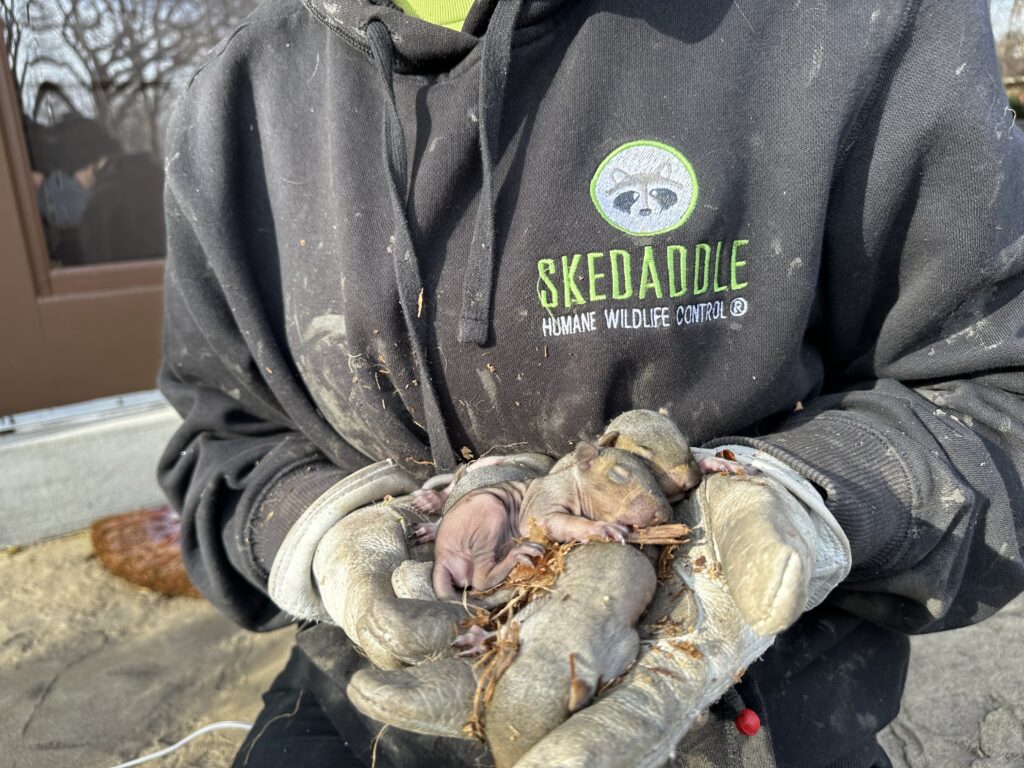
How Skedaddle Helps With Winter Squirrel Prevention in Arvada
Skedaddle Humane Wildlife Control in Arvada supports homeowners with a full, humane, and professional approach. Our methods are designed to protect families, strengthen homes, and keep wildlife safe.
Our work includes:
- Thorough Inspections: We look for hidden spaces, weak points, and pathways animals use to enter. Every part of the structure is checked carefully.
- One-Way Door Installation: These devices let wildlife exit safely while preventing re-entry. This fast, humane approach clears the space before repairs begin.
- Durable Repairs: We reinforce rooflines, vents, chimneys, and siding using materials built to withstand Colorado’s winter weather.
- Long-Term Prevention Planning: Our team helps homeowners understand how future nesting risks can be reduced without any unsafe DIY steps.
With this support, families stay protected all winter and enjoy peace of mind.
Stronger Winter Protection for Colorado Homes
Winter brings beauty to Colorado, but it also brings a rise in indoor squirrel problems. Cold nights push wildlife toward warm spaces, and attics become easy targets. Homeowners in Arvada and nearby areas can stay ahead of the problem by using proven winter squirrel prevention tips and calling in skilled professionals before nesting grows.
Skedaddle Humane Wildlife Control in Arvada offers humane, reliable, and long-lasting solutions to stop squirrels nesting in Colorado homes. Our one-way doors, detailed inspections, and strong repairs protect both the home and the wildlife. When the winter weather arrives, having expertise on your side makes all the difference.
If you want a warm and safe home this season, request an estimate to learn more, and let our team help you feel secure, supported, and prepared for the winter months ahead.

 Loading...







