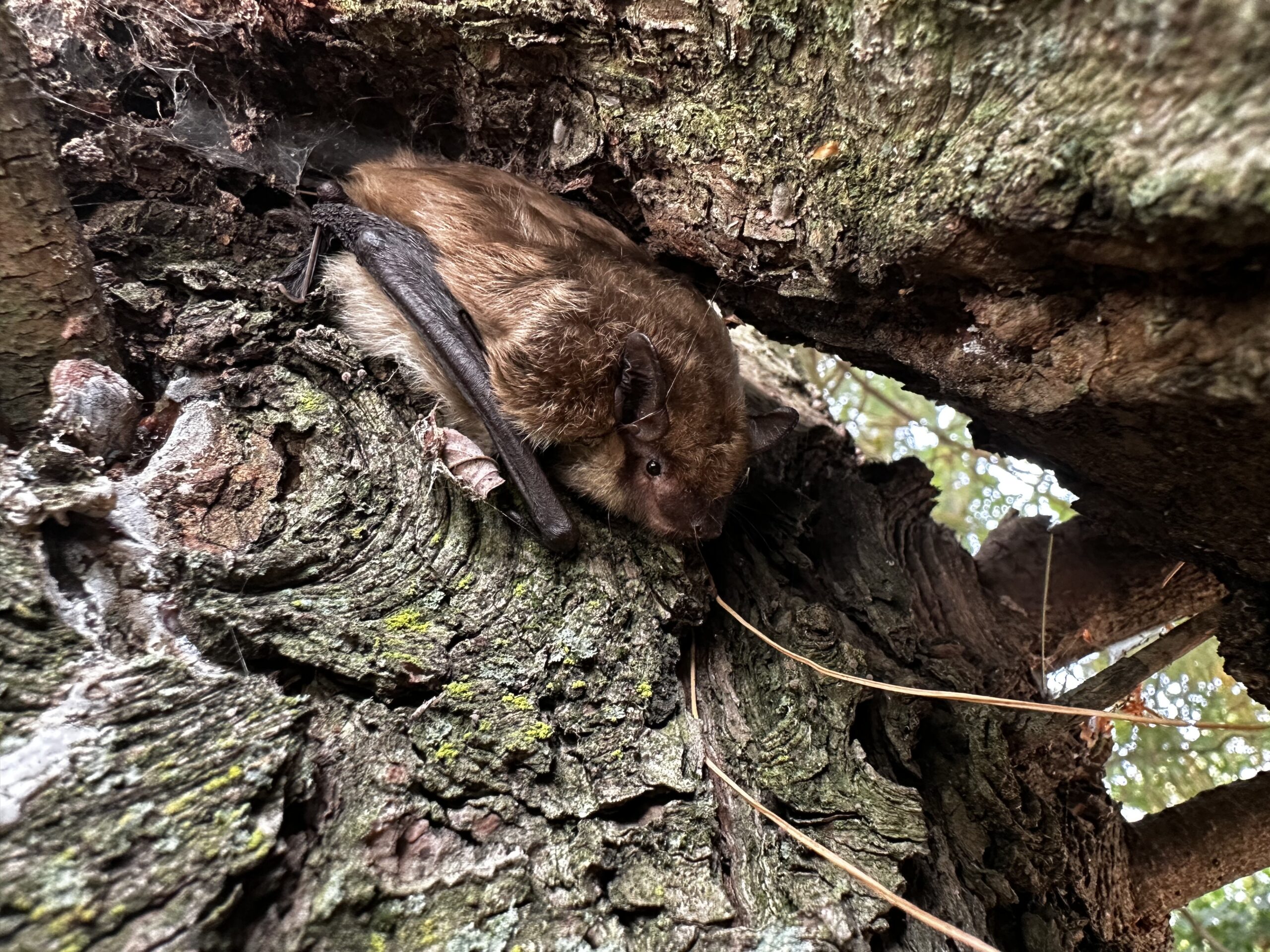
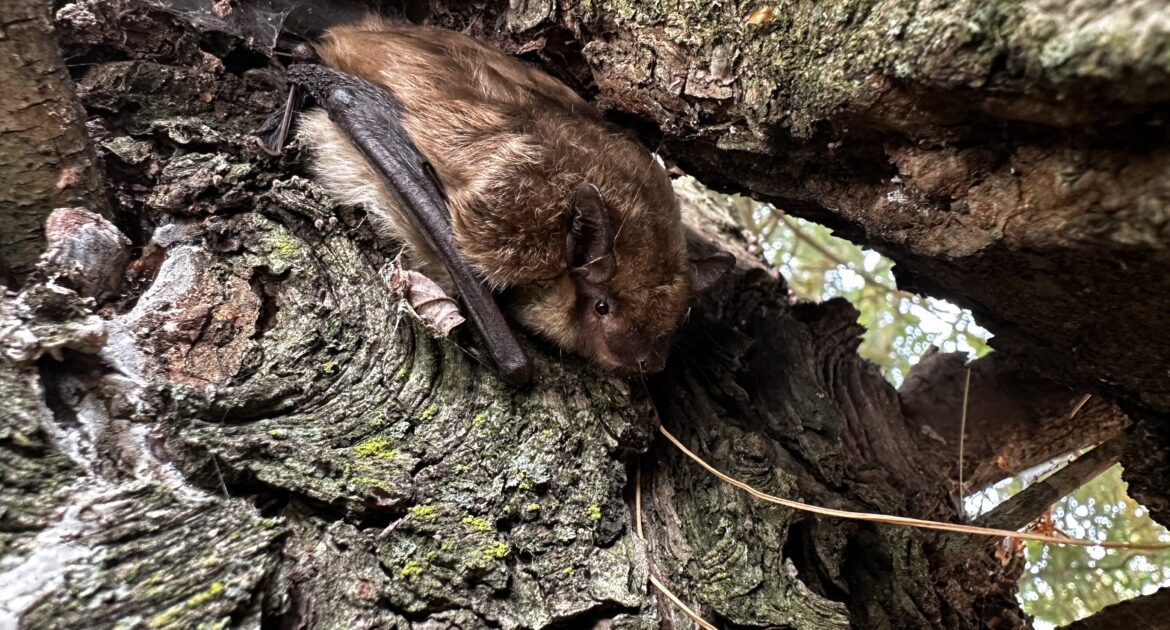
When the first chill of autumn sweeps through Baltimore and the famous Inner Harbor trees shed their leaves, many homeowners find themselves wondering about the mysterious habits of bats. With questions like “Do bats hibernate?” or “What happens to them during the cold months?” top of mind, it’s no surprise that the seasonal cycle of these creatures sparks curiosity and concern, especially for those with attics, chimneys, or barns nearby.
Understanding bat hibernation facts is key to protecting both your property and the local population year-round. As experts in humane wildlife removal serving the Baltimore area, we’re here to explain what actually happens to these animals in winter, why they behave the way they do, and what you can do to keep your home secure through every season.
Let’s take a deep dive into how hibernation works, why bats sometimes take up residence in homes like yours, and what challenges they face during the long winters.
The Purpose and Process of Bat Hibernation
Hibernation is a life-saving adaptation for bats in climates with cold winters and shifting food supplies. Unlike dolphins at the National Aquarium, these creatures depend on insects for food—and as temperatures drop each fall, their food source becomes scarce. But rather than migrate like some birds, many of Baltimore’s bats enter hibernation as a way to conserve energy and survive until insects reappear in spring.
Bats hibernate by entering a deep sleep called torpor. In this state:
- Their heart rate drops from over 400 beats per minute to less than 25.
- Body temperature cools to just above freezing.
- Breathing slows dramatically, sometimes to just one breath per hour.
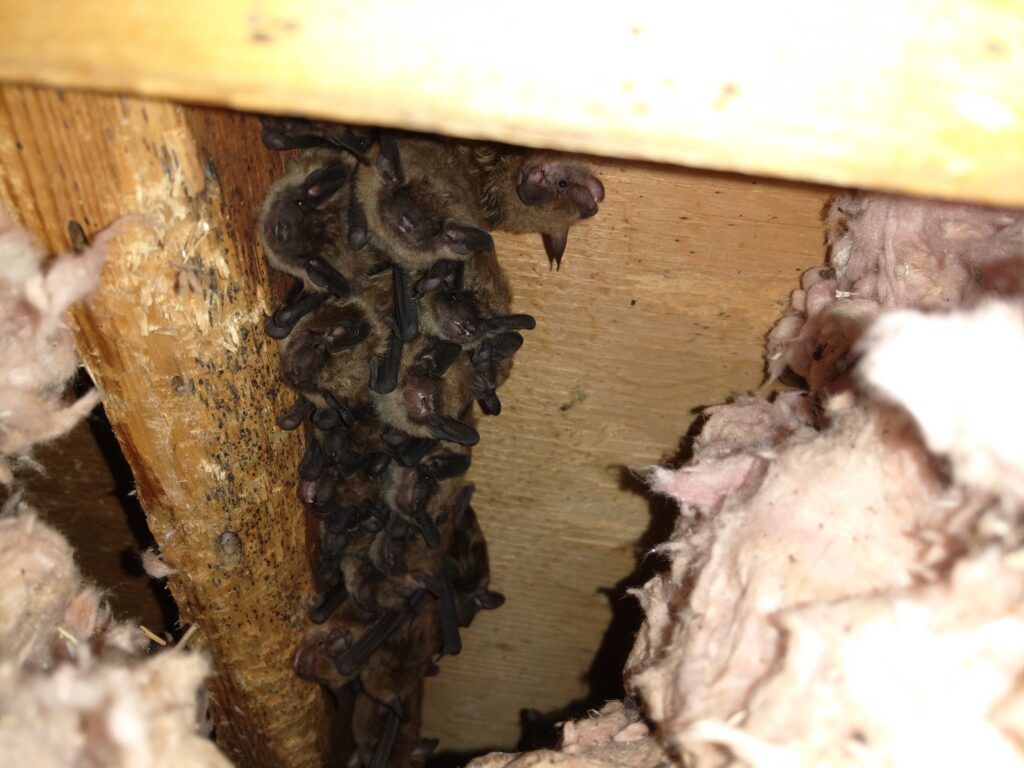
- They gather in protected places: caves, abandoned buildings, attics, and rarely-disturbed wall cavities.
These physiological changes allow them to use their summer fat reserves at a slow pace and survive on remarkably little energy. Many people are surprised to learn that, while in hibernation, bats are extremely vulnerable; waking them can actually threaten their survival through the winter.
Transitioning into hibernation is not a simple switch, though. Let’s explore what triggers this seasonal shift.
What Triggers Bats to Hibernate?
The question “What triggers bats to hibernate?” has a straightforward answer, rooted in Baltimore’s changing climate. As autumn brings cooler temperatures and the city’s insect population drops, bats sense the change through both shorter daylight hours and declining nighttime temperatures.
Key triggers include:
- Decreasing temperatures, often below 50°F overnight.
- Shortened daylight, disrupting regular feeding cycles.
- Dwindling insect populations, reducing food availability.
Before settling in for the winter, bats spend fall eating as much as possible to build fat storage for the months ahead. That’s why fall is a critical season for bat prevention in homes—most colonies look for safe, warm places at this time. Typical entry points include spaces as small as a dime along the roof, vent gaps, soffits, or in unsealed attic openings.
Once hibernation begins—generally by late September through October—these creatures remain in torpor through much of April. This period makes removal impossible and dangerous, both for the animals and homeowners.
Seasonal Bat Behavior Beyond Hibernation
It’s easy to assume that bats simply disappear during the winter, but their seasonal behavior is more complex and fascinating. Throughout the year, their habits change with the demands of weather, mating, and raising young.
Here’s how bat activity unfolds seasonally in Baltimore:
- Spring: Bats emerge from hibernation as temperatures rise, seeking insects to replenish energy.
- Summer: Colonies, often with mothers and pups, become most active. They consume thousands of insects each night, making them helpful natural pest controllers.
- Late Summer to Early Fall: Young bats learn to fly and feed themselves. Adult bats, especially females, increase feeding to build up fat reserves for hibernation.
- Fall (September – October): This is a prime time for bats to find hibernation roosts. They may move into homes, chimneys, or wall cavities in search of warmth and safety.
- Winter: True hibernation begins. Bats cluster together in quiet, dark locations where temperatures remain steady and interruptions are minimal.
For local residents, recognizing these seasonal changes can help distinguish normal outside bat activity from the signs of a colony settling indoors.
How Do Bats Survive During Hibernation?
These creatures survive the demanding winter months by conserving energy in ingenious ways. Their hibernation success relies on several strategies, each tied closely to their biology:
- Fat storage: By eating heavily during autumn, bats accumulate enough fat to last the winter.
- Site selection: Bats choose locations with stable temperatures and high humidity to minimize water loss and prevent freezing.
- Torpor cycling: Every few weeks, bats may briefly wake to drink, move, or shift positions, but they quickly return to hibernation.
During these rare awakenings, energy use spikes. That’s why experts advise never disturbing bat roosts during the cold months. Each unnecessary awakening burns vital fat which could mean the difference between life and death by spring.
To help Baltimore homeowners better understand bat survival, it’s important to note that these animals inside attics or behind walls can remain silent for months. Many people only discover a problem when the colony becomes active again in spring, or when a lost bat finds its way into a living space during warmer spells.
Environmental Factors and Threats to Bat Hibernation
Baltimore’s winter offers natural cold and periods of snow, but unexpected environmental factors can disrupt or threaten bat hibernation. Besides human disturbance from home repairs or attic inspections, another major threat is a disease called white-nose syndrome—a hidden issue that has devastated bat populations across North America.
White-nose syndrome, caused by a fungus, affects hibernating bats by:
- Growing on the noses and wings of these creatures.
- Causing frequent, premature awakening from torpor.
- Forcing them to use up their fat stores too quickly.
- Leading to dehydration and starvation before spring arrives.
This disease has changed the survival outlook for many species, including those common in Baltimore. Urban environments can further challenge bats, as temperature fluctuations, artificial light, and home renovations may force them to move, disrupting hibernation or using up energy reserves prematurely. These challenges highlight the importance of professional inspection and exclusion methods to protect both homeowners and bats alike.
What Homeowners Need to Know: Inspection and Prevention
Understanding bat hibernation facts doesn’t just satisfy curiosity—it is vital for keeping your home safe and wildlife populations healthy. If you’re in Baltimore, our experience tells us there are some critical steps to take as seasons shift.
Homeowners should take proactive steps each year to prevent bat infestations. This includes inspecting attics, rooflines, and exterior walls for any new gaps or entry points, keeping in mind that even holes as small as a dime can allow bats to enter. Pay attention to signs such as droppings, staining, or chirping and scratching noises during early evening hours. It’s important to avoid entering attics or disturbing suspected roosts from September through April to prevent waking a hibernating colony. For the best results, schedule a professional evaluation and bat-proofing before winter, ideally in late summer or early fall.
Signs to look out for:
- Bat droppings (guano) in the attic or around eaves.
- Stains or marks near small roof gaps and vents.
- Faint squeaking or scratching at dusk.
- One or more bats spotted inside living spaces.
Our trained technicians at Skedaddle specialize in thorough home inspections and humane exclusion. We use a detailed inspection process to identify all current and potential entry points, looking for even the tiniest gaps that bats can exploit. All work is performed with careful timing, respecting the breeding and hibernation cycles to protect both homeowners and wildlife.
Seasonal Bat Behavior and Skedaddle’s Humane Approach
As Baltimore’s seasons move from warm to wintry, bats follow ancient rhythms of adaptation. Understanding this seasonal behavior not only helps protect property, it also supports one of the region’s most beneficial wild animals.
Our approach combines:
- Respect for protected species and legal requirements.
- Extensive knowledge of bat biology and seasonal habits.
- Use of humane one-way doors that allow bats to leave safely with no chance of reentry.
- Application of our wildlife exclusion sealant to permanently seal entry points.
- Expert guidance on when and how to proceed, ensuring your bat problem is solved efficiently and ethically.
If you’ve spotted signs of bat activity or have concerns as Baltimore’s seasons change, know that Skedaddle is here to help. We ensure both your family and local bats stay safe—preserving Baltimore’s delicate balance of nature through every season.
No matter the month, understanding the complex hibernation and seasonal habits of local bats puts you in the best position to protect your home. And with Skedaddle, that peace of mind is within reach.
Safeguard Your Home Through Every Bat Season
Understanding the intricate hibernation patterns and seasonal behavior of these creatures is essential for both protecting your property and supporting Baltimore’s vital wildlife. With bats seeking refuge in attics and behind walls as temperatures drop, early detection and informed action are crucial for preventing costly damage, health risks, and difficult infestations that often go unnoticed until spring.
If you suspect bat activity or want to ensure your home is prepared before winter sets in, now is the perfect time to act. Skedaddle’s expert technicians bring unmatched knowledge, humane removal techniques, and a lifetime guarantee to every job—keeping both your family and local bats safe. Don’t wait until a hidden colony becomes a serious problem. Call Skedaddle today and secure your home with proven solutions that last through every season.

 Loading...







