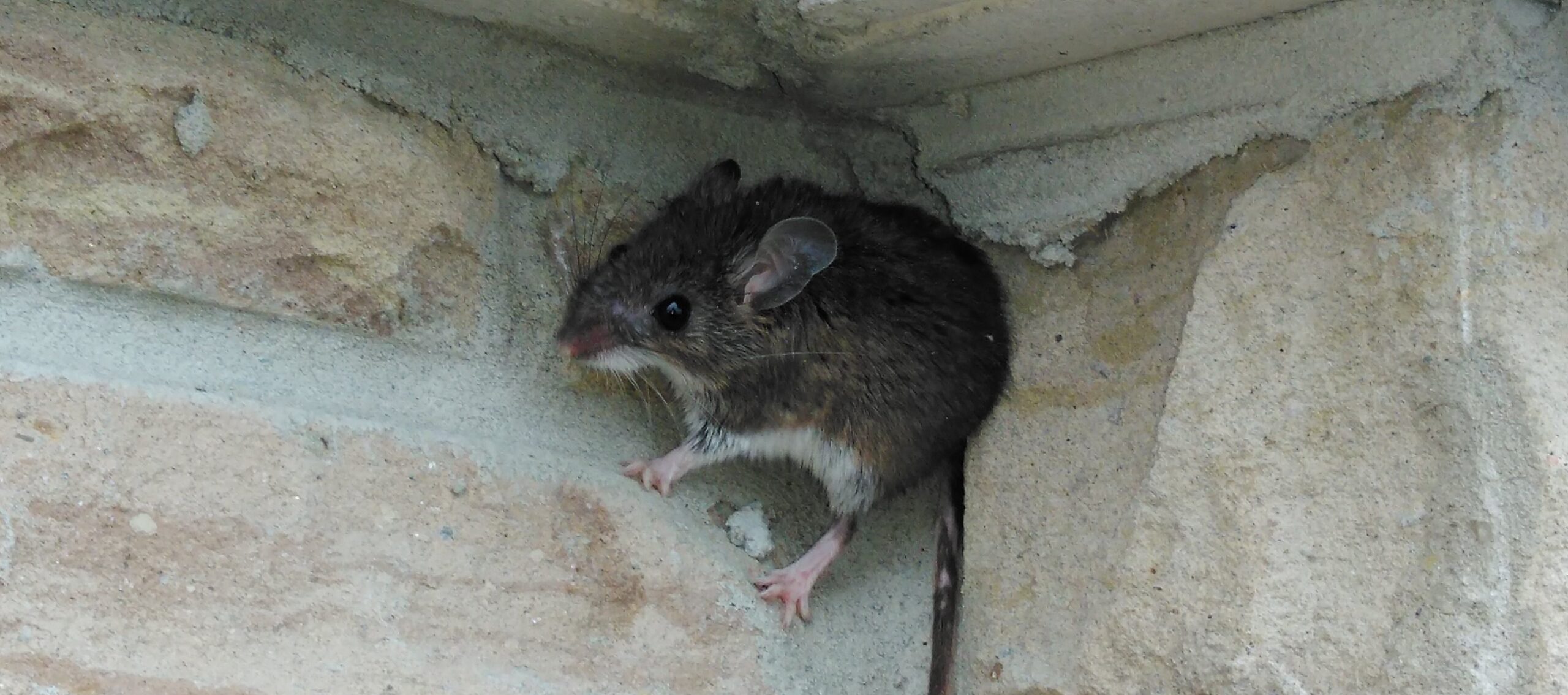
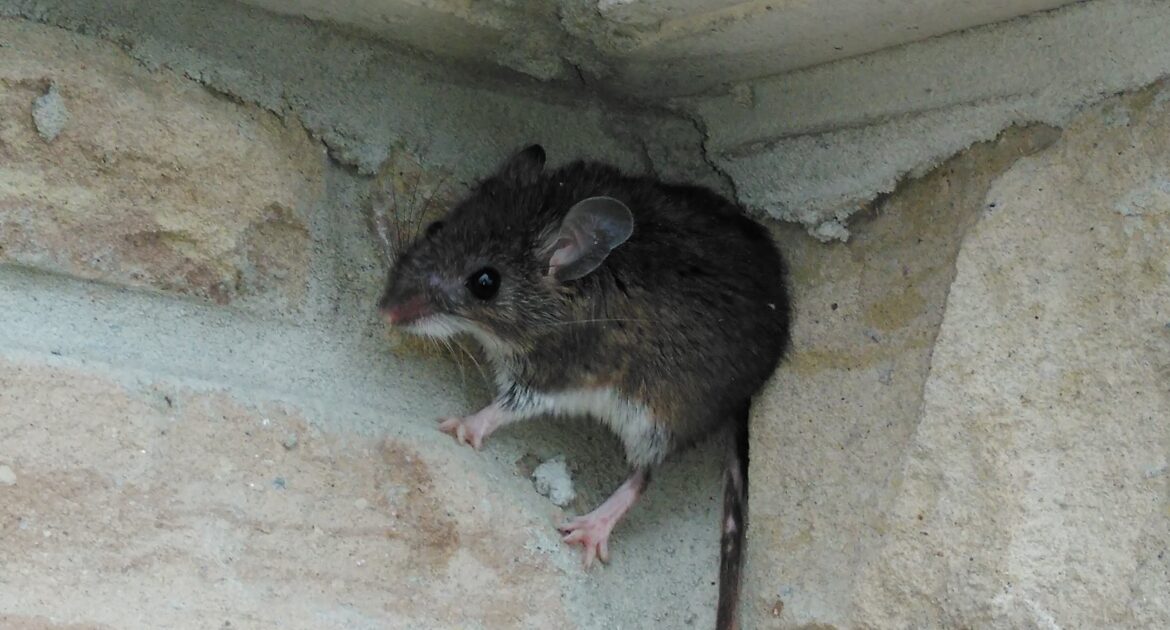
Backyard composting is a fantastic way to recycle food waste while enriching your garden with nutrient-packed fertilizer. However, without proper care, your compost pile can unintentionally invite unwanted visitors, like mice, to your yard. Drawn to the abundance of accessible food scraps, mice can quickly make your compost their home and may use it as a stepping stone to invade your house in search of more resources.
The key to enjoying the benefits of composting while keeping mice at bay lies in effective compost management. By understanding the connection between composting and mouse activity, we can explore simple, actionable tips to protect your home and maintain a rodent-free compost pile.
Is Your Backyard Compost Inviting Mice Into Your Home?
A backyard compost bin can be a feast for mice. These rodents are attracted to the warmth and abundance of food scraps, especially if proper composting practices aren’t followed. Organic materials like fruits, vegetables, bread, and grains serve as enticing snacks. Even non-food composting materials, like paper towels and cardboard, can double as nesting material for mice. Once mice feel safe and well-fed within the compost heap, they may venture indoors when the temperatures drop or food sources dwindle, creating further issues inside your home.
To make matters worse, mice reproduce quickly. A single pair can produce several litters in a year, turning a small population into a major infestation. This not only risks damaging your composting efforts, but it also increases potential damage to your home and the spread of harmful bacteria.
Addressing mouse control near the compost starts with preventative measures. If you want to stop your compost pile from becoming a magnet for these troublesome rodents, it’s important to consider placement, maintenance, and containment strategies.
Manage Compost Placement
Where you place your compost pile can make a big difference in preventing mouse issues.
- Distance from your home: Place your compost bin as far from your home as possible to reduce the likelihood of mice wandering into your house.
- Choose a well-lit area: Mice are nocturnal and prefer dark, secluded spaces. A brightly lit location can deter them from setting up camp near your compost.
- Elevated storage: Consider raising your compost bin on a platform or securing it to make it harder for mice to access.
Seal Your Compost Bin
Investing in a proper compost bin is crucial for keeping mice at bay. Open or improperly sealed piles offer an open invitation.
- Rodent-proof bins: Choose bins with secure, tightly-fitting lids and solid sides that mice cannot chew through.
- Air circulation: Ensure your bin has ventilation holes, but make them small enough to prevent access by rodents.
- Weighted covers: If your bin lid isn’t heavy, consider placing a weighted object on top to stop mice from prying it open.
Avoid Adding Mouse-Friendly Items
What you put in your compost pile matters. Some items attract mice, while others deter them. Avoid adding the following:
- Meat, fish, or greasy food scraps
- Bread or grains in large quantities
- Dairy products
Instead, focus on plant-based materials and mix greens (like vegetable scraps) with browns (like dried leaves or paper) to keep your compost balanced and less appealing to rodents.
Layer and Turn Regularly
Mice are less likely to settle in a compost pile that’s active and regularly disturbed.
- Layer strategy: Cover fresh food waste with a layer of soil or dried leaves to reduce odors and make the pile less appealing to mice.
- Frequent turning: Use a compost or gardening fork to turn your compost regularly, roughly once a week. This disrupts potential nesting sites and speeds up decomposition.
Tips to Keep Mice Away
While maintaining your compost responsibly helps, further steps are essential to guard your home against compost-related mice problems. Here are some tips to keep mice away from both your compost and your house.
Secure Your Home
Seal off any potential entrance points in your home to stop mice from moving indoors. With Baltimore’s weather and abundant green spaces, homes here are particularly susceptible to tiny intruders, especially when temperatures drop.
- Inspect entry points regularly: Look for gaps around windows, doors, pipes, and vents. Seal any openings larger than 1/4-inch with caulk, steel wool, or hardware cloth.
- Install door sweeps: Attach door sweeps to exterior doors to prevent mice entry at floor level.
- Focus on the roofline: Mice are skilled climbers and often access homes through roof spaces. Check attic vents and chimney gaps.
Eliminate Attractants
Mice are constantly searching for food and shelter. Removing these incentives reduces their interest.
- Clean outdoor spaces: Avoid leaving food or trash around your yard. Ensure bird feeders are secured and kept away from your house.
- Tidy storage areas: Mice love cluttered environments. Organize sheds and garages, and store items like grass seed and pet food in sealed containers.
- Regular landscaping: Trim overgrown bushes, trees, and shrubs mice could use as cover near your home.
Natural Repellents
If you’re looking for humane ways to deter mice from your compost and home, natural repellents are an excellent option.
- Peppermint oil: Douse cotton balls in peppermint oil and place them near your compost bin or suspected entry points in your home.
- Cayenne pepper: Sprinkle pepper around compost edges to use its strong scent as a barrier.
- Ultrasonic devices: Place ultrasonic repellents near your compost or house. Though not a standalone solution, they can support other preventative measures.
Protecting Your Home and Compost with Skedaddle
No one wants to deal with mouse issues, whether in their compost or their home. If mice have already made their way into your property or you’re unsure about how to implement the strategies mentioned here, Skedaddle’s wildlife control experts are ready to help. With decades of experience, we’ll identify how mice are entering your home and seal it against future rodent intrusions.
Contact us today to schedule an inspection and take the first step toward a mouse-free home.

 Loading...