

Raccoons are primarily nocturnal because nighttime activity helps them avoid predators, reduces competition for food, and allows them to forage safely in urban areas like Baltimore. Their keen night vision and sensitive whiskers make it easier to navigate streets, backyards, and alleys under the cover of darkness.
For homeowners, this nocturnal behavior often leads to overturned garbage cans, rustling in attics, or disturbances around outdoor lights. Understanding why raccoons are active at night is essential for preventing property damage and implementing effective, humane management strategies.
Nocturnal Animal Behavior: Why Raccoons Are Active at Night
Raccoons aren’t alone in living by night—many urban animals take advantage of the quiet and darkness to move, eat, and socialize. For these creatures, being most active from dusk until dawn is deeply rooted in their biology and survival strategies.
Raccoons are equipped for the night with:
- Sharp night vision allows them to see clearly in low light.
- Sensitive whiskers to help navigate and locate food in the dark.
- Keen senses of smell and hearing to stay alert for both food and danger.
- Dexterous front paws for quietly handling objects or searching for meals.
- Natural camouflage marked by their dark “mask,” helping them blend into the shadows.
The basic answer to “why are raccoons active at night” is simple: the dark hours provide safety from most predators and less competition for food. This is especially true in a bustling city like Baltimore. Nighttime means fewer people, less traffic, and more leftovers to scavenge—making it easier and less risky to seek food.
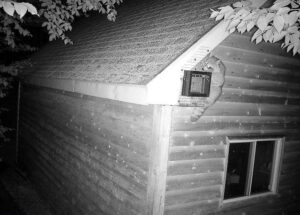
Urban Raccoons: Nocturnal vs. Diurnal Behavior
Many people associate raccoons strictly with the night, but their “nocturnal” label isn’t set in stone—especially in the city. The hidden insight here is that raccoons are surprisingly flexible. They may exhibit both nocturnal and diurnal behavior depending on food sources and safety.
City life alters their routines significantly. While most raccoons in natural settings are predominantly nocturnal, those living closer to people sometimes adjust their schedules based on what’s happening around them. For instance, if food is available during the daytime or at night, raccoons may be more active during daylight.
Here’s how urban raccoons shift their activity:
- Increased daytime movement if nighttime human activity is high.
- Scavenging during quiet daytime hours in neighborhoods with less foot traffic.
- Adjusting their schedules quickly if they feel safe or if easy meals are consistently available at certain times.
- Teaching their young flexible habits to adapt to unpredictable city life.
This behavioral flexibility is a significant part of why raccoons have become such successful city residents. Baltimore’s urban environment—with its parks, alleys, and abundant curiosities—allows raccoons to shape their routines as needed.
How Human Activity and the Environment Shape Raccoon Habits
It’s no surprise that as Baltimore has grown, so have its wildlife challenges. Human changes to the landscape affect how raccoons live, move, and even raise their families.
Key ways human presence influences raccoon nocturnal habits include:
- Bright lights and noise from businesses and traffic pushing activity later into the night.
- Garbage day routines drawing raccoons out when bins are accessible.
- Restaurant districts (like those near Fells Point) provide constant food, leading to more raccoons in central neighborhoods.
- Construction, new housing, or repairs forcing raccoons to relocate and adjust activity times.
Property owners should know that raccoons are opportunists. If a home or business provides easy meals or shelter—even unintentionally—these animals will adapt their schedules to take advantage.
Adaptability and Survival: Why Raccoons Succeed in Baltimore
What sets raccoons apart is their adaptability. They don’t merely survive in the city—they thrive. This means they can change not only their hours of activity but also their diet, nesting locations, and even their family care methods based on what’s most available.
Raccoons manage city life through several survival strategies:
- Regularly switching den sites to avoid threats or after losing access to a favorite spot.
- Learning which neighborhoods or alleyways have the most reliable food each week.
- Exploring attics, chimneys, and sheds for safe spaces to raise their young.
- Quickly discovering and exploiting any new weaknesses in home construction.
Their ability to adapt to both nocturnal and, when advantageous, diurnal patterns ensures that raccoons will remain a “neighbor” to Baltimore homes and businesses for years to come.
What Attracts Raccoons to Your Home or Business?
Knowing what raccoons are seeking can help you protect your property. The most common attractants are things many Baltimore property owners can control.
Raccoons are often drawn to homes and businesses for several practical reasons. Easily accessible garbage cans or bins without secure lids provide a convenient food source, while outdoor pet food left out overnight further attracts these opportunistic animals. Structural gaps or holes in siding, soffits, or rooflines offer entry points for shelter, and bird feeders or spilled seed on the ground can make properties even more appealing.
To minimize the risk of nighttime raccoon visits, take several preventive measures. Secure garbage bins and, if possible, store them indoors. Bring pet food and bird feeders inside after dark to remove easy food sources. Regularly inspect your roof and siding for weak points or gaps that could serve as entryways. Additionally, trim trees and shrubs away from structures to reduce climbing opportunities and keep raccoons at a safe distance from your property.
Staying one step ahead keeps raccoons from seeing your property as their next great den site.
Managing Nocturnal Animal Behavior: Tips and When to Seek Help
If you’re dealing with raccoons on your property, the best response starts with prevention and, when necessary, professional raccoon control services.
Here’s what you can do to manage nocturnal animal behavior:
- Regularly inspect and seal entry points like vents, soffits, and roofing edges.
- Use motion-activated lights to deter shy raccoons from approaching your buildings.
- Clean up fallen fruit or seed and store food securely.
- Never attempt to handle or approach raccoons, especially if babies are present.
- Maintain good yard hygiene by removing debris where animals could hide.
There are situations where professional intervention is essential. Skedaddle’s team provides thorough site assessments to identify all access points and signs of raccoon activity. They safely remove adult raccoons and their young using humane methods, followed by comprehensive cleanup and sanitation to eliminate hazardous materials. Any damage in attics, walls, or rooflines is repaired and restored, and proven barriers and screening are installed to ensure ongoing protection for your property.

Keep Your Baltimore Home Raccoon-Free: Expert Nighttime Solutions from Skedaddle Humane Wildlife Control
If you hear noises at night, see droppings, or find property damage, don’t wait—these are strong signs of raccoon activity. Our specialists are ready to assist you with every step for a lasting, safe solution.
Understanding raccoons’ nighttime habits is essential for keeping your Baltimore property secure. Their remarkable adaptability enables them to thrive in urban environments, shifting activity patterns and exploiting vulnerabilities in search of food and shelter.
Don’t let raccoons make your attic their next den or turn small issues into expensive repairs. The experienced team at Skedaddle is ready to assess, remove, and safeguard your home or business using humane and proven solutions. Reach out to Skedaddle today and reclaim your peace of mind—let us keep your nights quiet and your property raccoon-free for good.

 Loading...







