You put your trash out the night before collection and wake up to find the bags torn open and scattered across the alley. You hear heavy footsteps on the roof after dark. You notice a gap in the soffit above your front door that definitely was not there last spring. If you live in Baltimore, these are not random occurrences. They are part of a pattern that plays out across the city every single night.
Baltimore’s rooflines, alleys, and trash collection schedule create ideal conditions for raccoons to thrive in dense residential neighborhoods. These animals are smart, adaptable, and perfectly suited to city life. The connected rooftops of rowhome blocks give them an elevated travel route above street traffic. The alleys behind those homes give them a hidden corridor at ground level. And the trash that lines those alleys on collection nights gives them a reliable, high-calorie food source that requires almost no effort to access. Everything they need is right there, built into the layout of the city itself.
At Skedaddle Humane Wildlife Control in Baltimore, we work with homeowners across the city’s densest neighborhoods every season. In this blog, you will learn exactly why Baltimore’s urban layout makes it such a prime environment for these animals, how they move through the city after dark, and why calling our team at the first sign of activity is the most important step you can take to protect your rowhome.
Are Raccoons Dangerous?
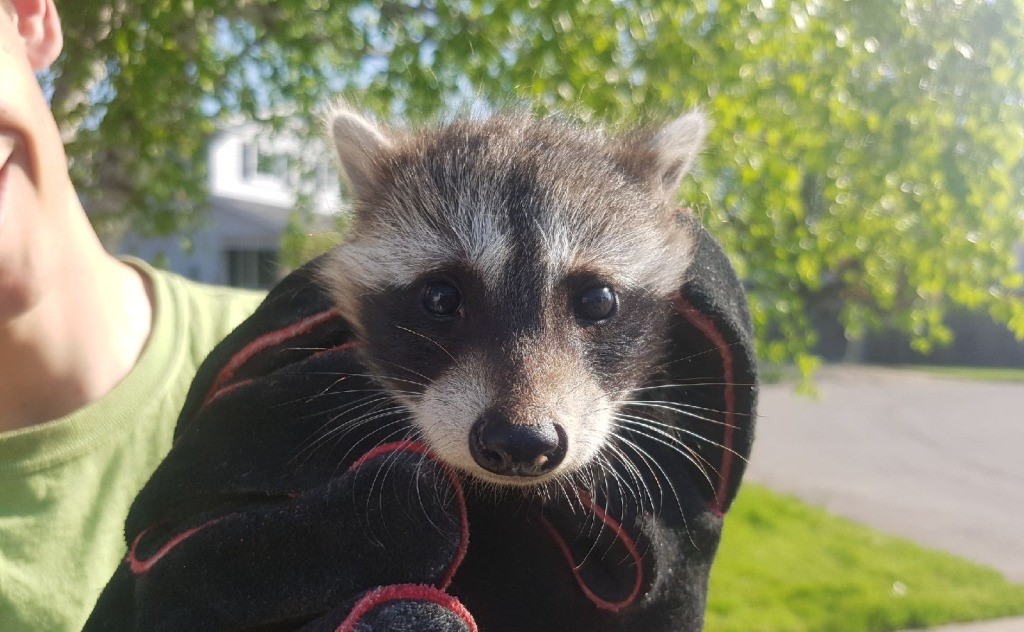
Yes, raccoons can be dangerous, and Baltimore residents should take any sign of activity on or inside their home seriously. These animals can carry rabies, distemper, and a roundworm parasite found in their droppings that poses a real health risk to humans and pets. They are also large, strong, and capable of being aggressive if they feel cornered or threatened, especially a female protecting her young.
Beyond direct contact, the damage these animals cause inside a rowhome attic creates its own set of hazards. Droppings accumulate quickly and release harmful airborne particles when disturbed. Chewed wiring creates fire risks. Torn insulation reduces your home’s ability to regulate temperature and can harbor bacteria and parasites long after raccoons are gone. The danger is not just about being bitten, it is about everything that comes with having them living inside your home.
Homeowners should never attempt to approach, corner, or handle these animals on their own. If you hear activity on your roof or in your attic, or if you find signs of entry along your roofline, call our team at Skedaddle right away. These situations need professional handling from the start, and the sooner we can assess what is going on, the safer the outcome for your home and your family.
Dense Rowhomes
Baltimore’s rowhome blocks are one of the main reasons raccoons do so well in the city. Rows of attached homes create a continuous, unbroken environment that these animals can move through freely without ever needing to cross open ground. Here is what makes dense rowhome neighborhoods such reliable habitat:
- Attached Homes Create a Single Unbroken Habitat: When homes share walls from one end of the block to the other, there are no gaps, fences, or open spaces that force raccoons to exposed ground between properties. They can move from one end of the block to the other entirely at roof level or through the connected alley behind the homes. That unbroken corridor makes the entire block accessible as a single territory rather than a series of separate properties. For an animal that ranges widely after dark, that kind of continuous access is a significant advantage.
- Density Means More Food, Shelter, and Entry Points Per Block: A single rowhome block in Baltimore can have dozens of homes packed tightly together, each with its own trash storage, roofline vulnerabilities, and attic space. More homes per block means more potential food sources, more potential entry points, and more potential shelter options within a very small area. Raccoons do not need to travel far to find everything they need. The density of the neighborhood does the work for them.
- Neighboring Entry Points Spread the Problem Quickly: When one home on a rowhome block has an active entry point in the soffit or roofline, raccoons using it are moving across the shared rooftop and have easy access to the adjacent homes as well. A problem that starts at one address can quickly become a block-wide issue as these animals explore neighboring rooflines for additional entry points. This is one of the reasons our team always checks the full roofline context during an inspection rather than focusing only on the home that called us.
Connected Rooflines
The rooftops of Baltimore’s rowhome blocks function like an elevated highway system for raccoons. Once they reach roof level, which they do easily using downspouts, trees, fences, and brick walls. They can travel the entire length of a block without coming back down to street level. Here is why connected rooflines are such a reliable travel and shelter route:
- Continuous Rooftops Give Them a Safe Elevated Path: At roof level, raccoons are above most of the human activity, traffic, and noise that would otherwise disturb them at ground level. They can move quickly and quietly from one end of a block to the other without encountering dogs, people, or vehicles. That elevated path is also much safer from predators than the alley below. Once they learn the rooftop route, they use it consistently as their primary travel corridor after dark.
- Rooftop Access Points Are Easy to Find on an Aging Block: Older rowhome blocks in Baltimore often have a mix of roofline conditions. Some homes well-maintained, others with worn soffits, loose flashing, or damaged vent covers. Raccoons test every surface as they travel the roofline, and weak spots are easy to identify by pushing and pulling at edges. A single vulnerable point anywhere along the block gives them access to the attic behind it. The more homes on the block with deferred roofline maintenance, the more options they have for getting inside.
- Shared Gutters and Flashing Create Natural Travel Lanes: Where adjacent rowhomes share gutter systems or flashing along party walls, there are often small gaps, overlaps, and raised edges that raccoons use as footholds and travel markers. These features break up the flat surface of the roof and give them natural navigation points as they move along the block. They learn these routes quickly and repeat them night after night, which is why rooftop activity tends to follow a consistent pattern once it is established.
Roof Damage
Baltimore’s rowhome housing stock is old, and aging rooflines create the entry points raccoons need to get inside. Soffits, fascia boards, and flashing that have been exposed to decades of weather eventually develop gaps, cracks, and soft spots that are easy to exploit. These vulnerabilities do not need to be large. A small gap along a soffit edge or a loose section of flashing is enough to give a determined animal the opening it needs.
Fascia boards that have softened from moisture rot are especially common on older rowhome blocks. When wood deteriorates, it loses the strength to hold soffit panels and roofline trim securely in place. Raccoons can feel that weakness when they push against a surface, and they focus their effort there. What looks intact from the street level may be significantly compromised along the edges where it meets the soffit. Something that only becomes visible during a close inspection from the roof.
Once an entry point has been created or widened, water follows the same path inside. Rain that gets into the attic through a chewed or pried-open soffit soaks insulation, saturates roof decking, and creates long-term moisture damage that compounds over time. The structural damage caused by water intrusion through a wildlife entry point often exceeds the cost of the original repair, especially on homes where the problem has gone unaddressed through multiple seasons. Our team checks every inch of the roofline during an inspection because the damage is rarely limited to one visible spot.

Alley Access
Baltimore’s back alleys are a built-in travel network for raccoons. Narrow, shadowed, and largely free of foot traffic after dark, alleys give these animals a safe ground-level route that runs behind entire blocks of homes. Here is why alley access is such a critical part of how they move through the city:
- Alleys Provide a Hidden, Low-Traffic Corridor: Most Baltimore alleys see very little human activity after dark. The narrow passage, low lighting, and enclosed feel make them ideal travel routes for raccoons that prefer to move unseen. Raccoons use alleys as their primary ground-level highway, moving between trash sources, den sites, and water access points without having to cross open streets. The alley system that runs behind Baltimore’s rowhome blocks gives them a connected route through the city that is almost entirely out of view.
- Fences, Walls, and Downspouts Give Them Easy Roof Access: The alley side of a rowhome block is lined with fences, utility poles, downspouts, and brick walls. All of which give these animals easy climbing routes up to the roofline. They move from the alley floor to the rooftop in seconds using these structures. That vertical access between the alley and the roof is what connects their ground-level food-finding routes with their elevated travel and denning areas. The two systems work together as a complete urban habitat.
- Alley Activity Is Hard for Homeowners to Monitor: Most homeowners rarely check their alley-facing roofline or the back of their property after dark. That lack of visibility works in these animals’ favor. Damage to soffits, gutters, or entry points on the alley-facing side of a rowhome often goes unnoticed far longer than damage at the front of the home. Our team always inspects the full perimeter during an assessment, including the alley-facing roofline, because that is often where the most significant entry points are located.
Garbage Storage
Trash is one of the biggest reasons raccoons keep coming back to Baltimore neighborhoods. On collection nights, alleys fill up with bags and bins full of food scraps. For these animals, that is an easy, reliable meal that takes almost no effort to get to. The same blocks get visited night after night because the food keeps showing up on the same schedule.
Plastic trash bags are no match for these animals. They tear through them in seconds and dig through the contents without slowing down. Even lidded bins are not much of a barrier — these animals are strong enough to push lids off or pull them aside. The easier the food is to reach, the more often they come back to that same spot.
When food is easy to find in an alley, these animals tend to den close by. A rowhome attic just above a food-filled alley is one of the most attractive den spots in the city. They emerge after dark, head down to the alley to eat, and return to the roofline before sunrise. Getting them out of the attic is the first step and that is a job for our team, not the homeowner.
Movement After Dark
Raccoons are nocturnal, which means they do all of their moving after the sun goes down. Baltimore’s alleys and rooftops fit their nightly routine perfectly. Here is how a typical night plays out:
- Nocturnal Emergence: They Start Moving at Dusk: As it gets dark, these animals wake up inside their den (often in a rowhome attic) and start making their way down to the alley below. They climb down using downspouts, brick walls, fences, and trees. The sound of movement on the roof at dusk is often the first thing homeowners notice. If you hear activity above your ceiling in the early evening, there is a good chance a den is already set up somewhere on your roofline.
- Synchronized Feeding: Trash Night Drives Their Route: These animals learn when trash gets put out in their neighborhood. On collection nights, they move from one alley to the next, hitting every food source along the way. They are not wandering randomly, they are following a route that has worked before. This is why the same alley keeps seeing activity night after night, even when one household removes its trash early. The route is already set, and they stick to it.
- Return Before Dawn: Back to the Roofline Before Daylight: Before people start waking up, these animals head back up to the roofline and into their den. They are tucked in before most residents are out of bed. That is part of why the problem is so easy to miss at first. The signs are there: sounds at dusk and dawn, scattered trash in the alley, damage building up in the attic, but by the time they are obvious, the animals are usually well settled in.
Raccoon Problems in Baltimore
Baltimore is one of the most active cities for urban raccoon activity in the Mid-Atlantic. The older housing stock, dense rowhome layout, and alley trash storage all work together to create ideal conditions for these raccoons to thrive. Our team at Skedaddle works across the city every season and sees the same patterns show up in neighborhoods like Hampden, Remington, Charles Village, and Waverly. The city’s layout does not just attract these animals; it helps large populations stay and grow.
Spring is the busiest time of year for attic entry in Baltimore. Females are looking for warm, quiet, enclosed spaces to give birth and raise their young. A rowhome attic checks every box. Most homeowners do not realize something is in the attic until they start hearing more noise at dusk and dawn — and by then, a litter of young is often already up there. Acting early makes the removal process much simpler and less disruptive.
Fall brings another wave of activity as these animals look for a warm place to spend the colder months. An attic that was used in spring is always the first choice when fall arrives. Homes that were not properly sealed after a spring situation are at real risk of being entered again. Our team seals every gap on the roofline after removal, not just the main entry point, but every spot that could give them a way back in next season.
Removal and Prevention with Skedaddle
When you call our team at Skedaddle, we start with a full inspection of your roofline, attic, and exterior, including the alley-facing side of your home that most homeowners never think to check. We find every active entry point, look for signs of nesting, and confirm whether young are present before we do anything else. That full picture is what lets us handle the job safely and completely from the start.
Once we know what we are dealing with, we put one-way doors over the active entry points. These let the raccoons get out on their own but stop them from getting back in. After the attic is clear, we seal every opening with strong materials that hold up long-term. Homeowners should never try to block entry points themselves, especially if young might still be inside. Sealing an active opening with animals inside makes the situation much harder to fix.
Cleanup and prevention are the last steps. Our team clears out contaminated insulation, treats the affected areas, and fixes every roofline condition that made your home a target. You do not need to get on the roof, and you do not need to handle any of this yourself. The moment you hear activity above your ceiling or spot damage on your roofline, call our team at Skedaddle Humane Wildlife Control in Baltimore and let us take it from there.
Frequently Asked Questions
How do I know if a raccoon has gotten into my rowhome attic?
The most common signs are thumping or heavy footsteps above the ceiling at dusk or dawn, visible damage to soffits or vent covers along the roofline, and a strong musky odor coming from the attic. You may also find droppings near the base of your downspouts or along the alley-facing roofline.
Can raccoons spread disease to my family or pets?
Yes. These animals can carry rabies, distemper, and a roundworm parasite called Baylisascaris procyonis that is found in their droppings. Pets that spend time in alleys or yards where these animals have been active are at risk of exposure. Homeowners should never handle droppings or nesting material. Call our team to manage cleanup safely.
Will raccoons leave my attic on their own once the weather warms up?
A male may move on, but a female with young will stay until her kits are old enough to be mobile, which can take several months. Even after they leave, the entry point and scent markers remain and will attract others in future seasons. Our professional removal and sealing is the only reliable way to end the cycle.
Do raccoons damage rowhomes differently than detached houses?
Yes. In a rowhome, connected rooflines mean that an animal denning in one attic has easy access to adjacent properties. Entry points on a shared roofline can affect multiple homes at once. Our team always inspects the full roofline context when working on a rowhome block, not just the individual property that called us.
What should I do if I see a raccoon on my roof at night?
Do not approach it or try to scare it off the roof. Observe where it goes and note any areas of the roofline it seems to focus on — that information is useful for our team during the inspection. Call Skedaddle the next morning and let us assess whether an active entry point exists on your home.
How can I make my property less attractive to raccoons?
The most effective steps are securing trash storage so bins cannot be opened and keeping the alley-facing side of your property free of accessible food. However, food access alone does not solve the problem if a den is already established on your roofline. Removal and sealing need to happen first, and our team handles both.
Your Roofline Is the First Line of Defence — Let Skedaddle Secure It
Baltimore’s layout makes raccoon activity almost unavoidable in dense residential neighborhoods. The rooflines connect everything, the alleys provide cover, and the trash schedule keeps them coming back night after night. But unavoidable does not mean unmanageable and calling the right team makes all the difference.
These animals are not going to stop on their own. Every night they are on your roof, testing edges, finding weak spots, and moving in and out of any opening they have already created. The longer the situation goes without professional attention, the more damage builds up inside your attic and along your roofline.
The good news is that you do not have to figure any of this out yourself. Our team at Skedaddle Humane Wildlife Control in Baltimore knows this city’s housing stock and understands exactly how these animals move through rowhome blocks. We inspect the full roofline, handle removal humanely, seal every entry point, and clean up what they leave behind. You do not need to climb on the roof, and you do not need to deal with any part of this on your own. Request an estimate today and let our team secure your home before the damage goes any further.

 Loading...







