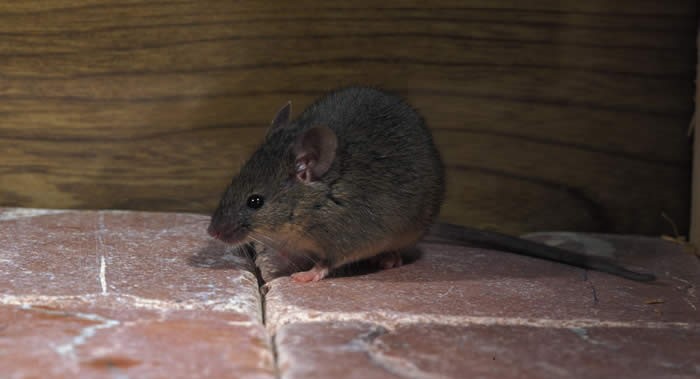
You might notice a quick movement near the wall or a small shape darting across the floor. You may pause and wonder if your eyes are playing tricks on you. When you spot a mouse in the basement, that moment matters more than it seems.
You should be concerned, not because of panic, but because one sighting often points to a bigger issue. A basement offers warmth, quiet, and easy access to the rest of the home. When an animal chooses that space, it usually means the area already feels safe. That’s why reaching out to Skedaddle Humane Wildlife Control in Barrie right away is so important.
In this blog, you’ll learn why spotting a mouse in the basement is rarely a one-time event, how hidden activity grows, and which signs of mice infestation often appear next. You’ll also see why professional mouse removal services are the safest way to protect your home in Barrie, without putting yourself or your family at risk.
Why A Basement Sighting Should Raise Concern
You may think one mouse wandered inside by accident. In reality, basements are chosen for a reason. They stay warm, quiet, and close to food and shelter pathways. When one appears, others are often already nearby.
You may not hear constant noise at first. Activity often happens at night or behind walls. That silence can create a false sense of safety. The real concern is what you don’t see yet.
Over time, hidden movement leads to damage, contamination, and stress. That’s why early professional action matters more than waiting to see what happens next.
A Single Mouse Often Means More Are Nearby
You may only see one mouse, but that rarely tells the full story. Basements connect to wall voids, utility lines, and floor gaps. These areas allow movement without being seen.
Signs that one sighting may not be isolated include:
- Established Travel Routes: Mice follow the same paths once they feel safe. These routes often run along walls, pipes, or wiring. Repeated use makes movement faster and harder to notice. Over time, activity becomes predictable.
- Access To Multiple Levels: Basements connect upward through walls and floors. That allows activity to spread quietly. What starts below often moves into living spaces later. Early control helps stop that spread.
- Familiar Shelter Conditions: Warmth, quiet, and darkness attract repeat use. Once a space feels safe, it gets reused night after night. That comfort encourages others to follow.
This is why seeing a mouse in the basement should never be ignored.
Damage That Affects Your Home’s Safety
You rely on your home’s structure to protect your family. Wildlife activity weakens that structure over time. Damage often starts small but spreads quietly.
Structural concerns include:
- Chewing On Wires And Materials: Mice chew to manage tooth growth. Wiring, insulation, and wood are common targets. This damage increases fire risk. It also leads to costly repairs.
- Insulation Breakdown: Disturbed insulation loses effectiveness. That affects temperature control and energy use. Cold drafts and uneven heating follow. These costs build month after month.
- Entry Points That Grow Larger: Small gaps widen with repeated use. Each entry makes return visits easier. Over time, sealing becomes more complex. Professional control prevents escalation.
This kind of damage often begins with a single mouse in the basement.
Why Activity Rarely Stops On Its Own
You may hope the mice will leave once temperatures change. That rarely happens. Safe shelter encourages return visits.
Once habits form, they repeat because:
- Paths Become Familiar: Travel routes are learned and reused. Movement becomes faster and quieter. That makes detection harder. Activity continues without warning signs.
- Shelter Remains Available: Warm, dry spaces stay appealing year-round. Without professional changes, nothing pushes mice out. Comfort keeps them coming back.
- No Barrier Stops Re-Entry: Exit without prevention leads to return. Without controlled access, behaviour doesn’t change. That’s why professional solutions matter.
This pattern explains why signs of mice infestation often appear weeks after the first sighting.
Why Professional Assessment Matters Early
You should never try to handle wildlife issues yourself. Basements hide risks that aren’t visible. Professional assessment protects both people and property.
At Skedaddle, we focus on understanding behaviour before action. That prevents mistakes and ensures humane results. Timing and structure matter.
Early professional involvement limits damage, reduces health risk, and restores peace of mind.
Mouse Removal Services With Our Professional Wildlife Team
You don’t need to manage this alone. When indoor activity is confirmed, professional mouse removal services provide safe, lasting results.
Our approach includes:
- Full Property Inspection: We identify where mice enter and travel. This ensures no space is missed. Accurate assessment prevents repeat activity.
- One-Way Door Installation: We use one-way doors that allow mice to exit naturally. They cannot return once outside. This works with natural behaviour.
- Securing Access Points After Exit: Once activity ends, we seal all openings. This changes how the home functions as shelter. Prevention is built into the process.
This method protects your home while respecting mice behaviour. It’s how we handle mouse removal services in Barrie.
You benefit most when problems are solved completely. Short-term fixes don’t change behaviour. Professional control does. Our long-term protection comes from controlled access, interrupted habits, and structural reinforcement. That’s how ongoing stress and damage are avoided.
Peace Of Mind Starts With The Right Support
You shouldn’t have to wonder what’s happening behind the walls. When you spot a mouse in the basement, it’s a sign to act, not wait. Early professional help prevents bigger problems later.
You can request an estimate to learn more about mouse removal services, understand the signs of mice infestation, and protect your home in Barrie. At Skedaddle Humane Wildlife Control in Barrie, we’re here to handle the problem safely, calmly, and correctly.

 Loading...