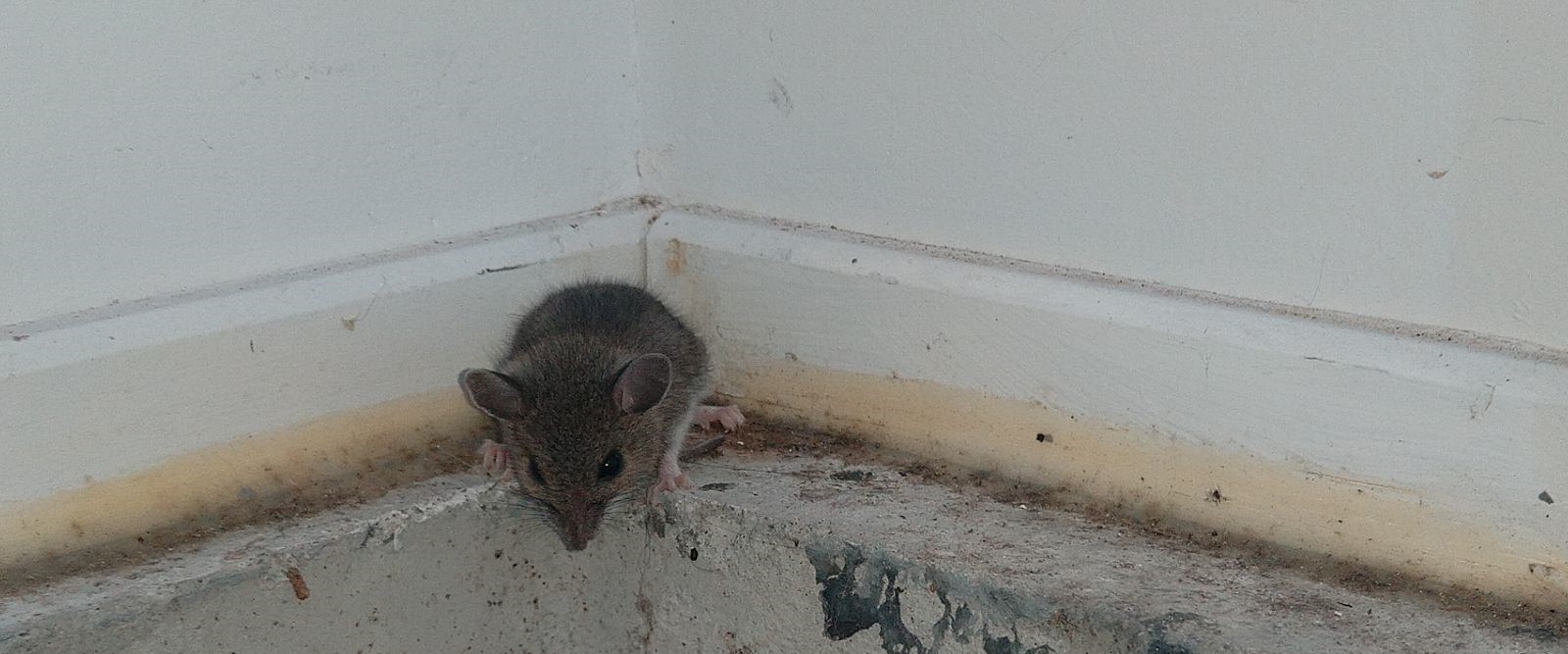
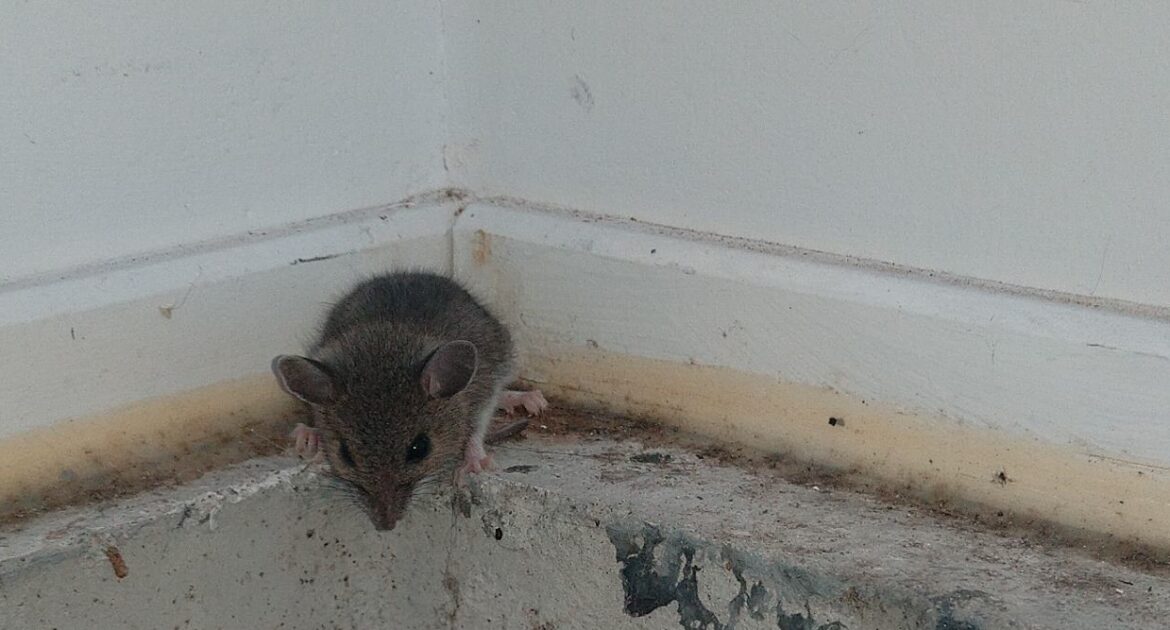
It is a beautiful Saturday afternoon in Barrie, and you are enjoying the sunshine on your back patio. Suddenly, you spot movement out of the corner of your eye. A small, furry creature darts along the fence line and disappears into the garden. It was definitely a mouse. Your first instinct might be to shrug it off—after all, it is outside, not inside. But then a nagging thought creeps in: does seeing one mouse mean there are more? And are they going to try to get into your house?
While seeing a mouse in the wild is relatively common, finding one in your backyard can sometimes be a warning sign of a bigger issue. Mice are opportunistic creatures that are always looking for food, water, and shelter. If your yard provides these things, they are likely to stick around. And if they are comfortable in your yard, it is only a short hop, skip, and a jump to the warmth and safety of your home.
In this blog, we will explore what it really means when you spot a mouse in the backyard, the signs that suggest a larger population might be nearby, and why professional intervention is the safest route to protect your property. We will explain how Skedaddle Humane Wildlife Control in Barrie can help secure your home against these unwanted guests without you having to lift a finger.
What A Mouse In Your Backyard Really Means
Seeing a mouse outdoors does not always mean you have a full-blown emergency on your hands, but it is certainly not something you should ignore. Mice are naturally part of the outdoor environment, but when they start getting too close to human structures, the risks increase. Here is what that sighting could actually indicate about your property.
- They Have Found A Reliable Food Source: Mice do not hang around areas where they are starving. If you see a mouse in the backyard, it has likely found a steady supply of food. This could be anything from bird feeders spilling seeds onto the grass, to a vegetable garden, or even accessible garbage cans. Once they know the “restaurant” is open, they will keep coming back, and they often bring their friends and family with them.
- Your Yard Offers Great Hiding Spots: A backyard mouse is also a sign that your landscaping might be offering perfect shelter. Woodpiles, dense shrubbery, tall grass, and cluttered sheds are like luxury condos for rodents. If they feel safe from predators in your yard, they will establish nests. The closer these hiding spots are to your foundation, the more likely it is that they will eventually find a crack or crevice to slip inside your home.
- It Might Be A Scout: Mice are explorers. The one you see scuttling across the patio might be scouting for new territory. As the weather in Barrie changes, especially as it gets cooler, mice start looking for warmer places to spend the winter. A backyard mouse today could be checking the perimeter of your house for weaknesses, looking for that tiny entry point that leads to your basement or attic.
Signs of a Mouse Infestation Nearby
Seeing the actual animal is the most obvious clue, but mice are often elusive. They are nocturnal and fast, so you might not always catch them in the act. However, they leave behind plenty of evidence. If you suspect you have outdoor mice concerns, look for these common signs that indicate a population is growing on your property.
- Droppings: This is the most common sign. Mouse droppings look like small, dark grains of rice. You might find them near food sources, in sheds, or along the foundation of your house. Fresh droppings are dark and moist, while older ones are gray and crumbly. Be careful never to touch or sweep these up yourself, as they can carry harmful bacteria.
- Gnaw Marks: Mice have teeth that never stop growing, so they have to chew on things to keep them filed down. Look for small, rough chew marks on wood, plastic bins, garden hoses, or even the siding of your house. If you see fresh, light-colored wood exposed on your deck or shed, you likely have a visitor.
- Runways and Tracks: Mice tend to use the same paths over and over again because they have poor eyesight and rely on their whiskers and scent. In the morning, look for small footprints in damp soil or tracks through the grass. Over time, they can wear down “runways” along walls or fences where they travel frequently.
- Burrows and Holes: Check the ground around your home’s foundation, garage, or shed. Small holes in the dirt, about the size of a dime or nickel, can be entrances to underground nests. If you see these holes, it means the mice have established a semi-permanent residence on your property.
Why Daytime Sightings Are Concerning
Mice are primarily nocturnal animals. They prefer to hunt for food and move around under the cover of darkness to avoid predators like owls, hawks, and neighborhood cats. Because of this natural instinct, seeing a mouse during the day is significant.
- High Population Pressure: When a mouse population gets too large for the available nesting spots and food sources, some mice are forced to come out during the day to forage. If you see a mouse in the backyard while the sun is shining, it often indicates that the “night shift” is overcrowded. This suggests that there is a large, established colony nearby that is competing for resources.
- Displaced Nests: Sometimes, a daytime sighting means a nest has been disturbed. This could happen if you were recently gardening, moving a woodpile, or cleaning out a shed. If a mouse’s home is destroyed, it has to flee immediately to find safety, regardless of the time of day. This frantic search for new shelter often leads them straight toward your house.
- Illness or Poison: In some unfortunate cases, a mouse seen during the day might be sick or suffering from the effects of poison put out by a neighbour. These animals may move slowly or act confused. This is another reason why you should never try to handle the mouse yourself—sick animals can be unpredictable.
Mouse Prevention With Our Professional Team
Preventing future issues is just as important as solving current ones. When you work with Skedaddle, we help you understand how to make your property less attractive to rodents in the future. While our technicians handle the physical work of securing your home, understanding the environment helps you maintain a pest-free zone.
We will assess your property for specific risk factors. For example, if we notice that bird feeders are placed too close to the house or that overhanging tree branches are acting as a “highway” to your roof, we will let you know. We might suggest moving woodpiles further away from the foundation or switching to rodent-proof garbage bins.
Our goal is to create a long-term solution. By combining our professional exclusion techniques with smart property management, we ensure that the mice stay in the wild where they belong. We provide a lifetime guarantee on our workmanship because we are confident in our ability to keep your home secure. You do not have to worry about climbing ladders, crawling into crawl spaces, or dealing with unpleasant traps. We take care of it all.
Backyard Mouse? Secure Your Home Today
Seeing a mouse in the backyard is a clear signal that it is time to take action. Whether it is a single scout or signs of a larger population, ignoring the problem allows it to grow. The risks to your property and health are too great to leave to chance or ineffective DIY methods.
At Skedaddle Humane Wildlife Control in Barrie, we are ready to help. Our team has the experience, tools, and humane methods to protect your home from outdoor mice concerns. We do the hard work so you can enjoy your backyard—and your home—with peace of mind.
If you have spotted a backyard mouse or noticed signs of a mouse infestation, do not wait for them to move in.
Request an estimate today to learn more about how we can help you reclaim your home.

 Loading...







