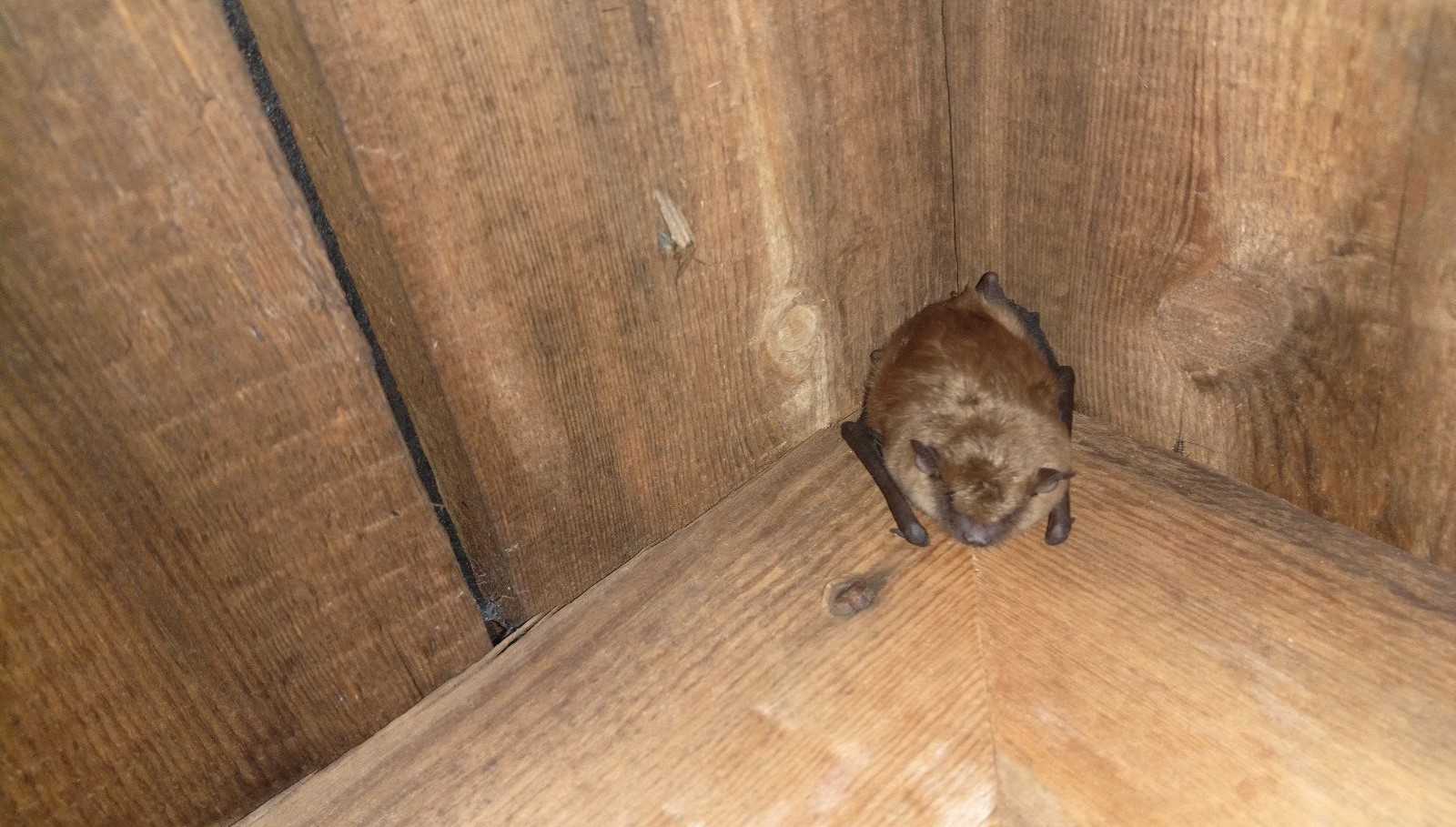
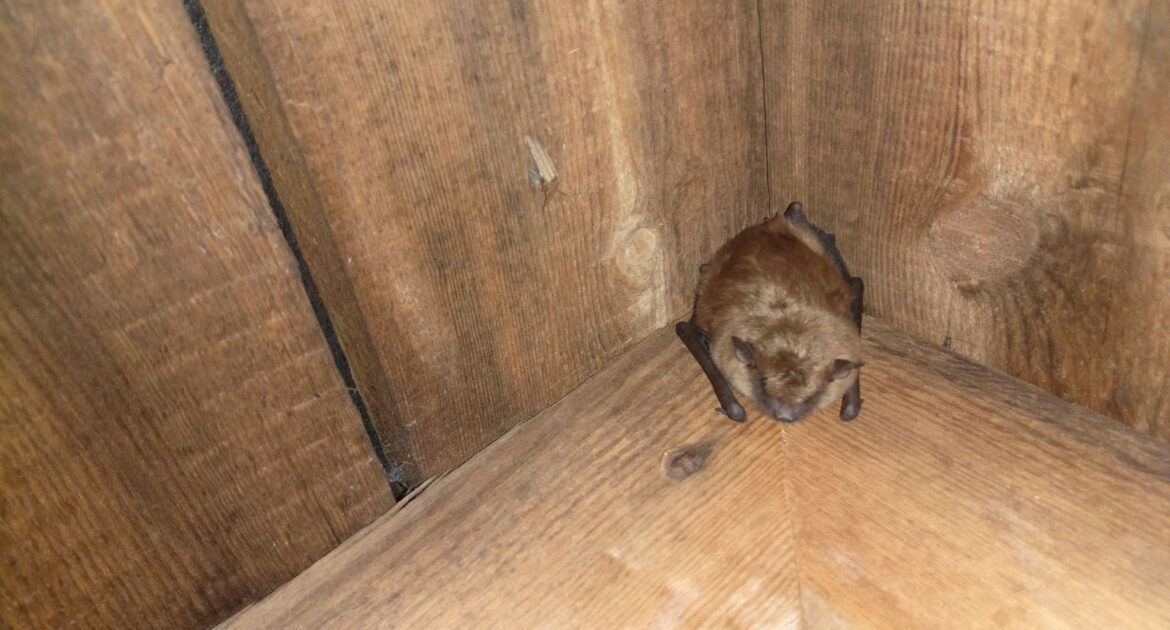
You may not think about winter wildlife very often, but you notice things fast when something is happening inside your home. One question many homeowners ask is simple: Do bats hibernate in Coquitlam homes? The answer is yes, some species do.
When you live in places like Coquitlam or Burnaby, you’re surrounded by forests, rivers, and green space. Those natural areas support local wildlife, but they also make your home a perfect winter shelter when temperatures drop. That’s why you often hear about bats hibernating in Coquitlam homes during the coldest months.
You feel the cold damp air every winter, and so do these animals. When insects disappear and the nights get long, some species enter a deep rest called hibernation. This is why you sometimes see winter bat activity in Coquitlam, and it’s why you may have these animals resting quietly in your attic or walls. Homes offer steady warmth, dry space, and insulation. Everything they need to survive the cold season.
This guide explains Coquitlam bat hibernation facts in simple, clear steps. You’ll learn why they choose homes, where they hide, how hibernation works, what signs to look for, and what homeowners should know. We’ll also share how our team at Skedaddle Humane Wildlife Control in Burnaby supports safe, humane removal using one-way doors when the season is right.
Why Bats Hibernate (Simple Science Homeowners Should Know)
You may wonder why these animals rest through the winter instead of staying active. Hibernation is a natural survival tool. When food runs out, they slow down almost everything in their bodies so they can live through the colder months.
You see fewer insects in winter because the cold slows them down or sends them underground. Since these animals rely almost completely on insects, they don’t have the energy they need to stay active all season. Their bodies respond by conserving energy in a safe, quiet space.
During hibernation:
- Their heart rate drops very low
- Their breathing slows down
- They stay still for long periods
- They use very little energy
This slow state helps them survive months without eating. It’s a delicate process, which is why they seek out safe, stable areas. Something homes often provide during winter storms.
Where Bats Hibernate Inside Coquitlam Homes
Not every species chooses houses, but big brown bats are known for using buildings during the winter. You often see bats hibernating in Coquitlam homes because the structures give them everything they need: insulation, darkness, and steady temperatures.
You may not see these animals directly because they hide well. Some of the most common spots include:
- Attics: Insulated, quiet, and warm from rising indoor heat.
- Wall Cavities: Tight, dark spaces that stay protected from weather.
- Roof Peaks: High, stable areas above the coldest winter air.
- Chimney Gaps: Narrow spaces that block wind and moisture.
- Soffits and Fascia Boards: Easy to slip into and well-insulated.
Once inside, they choose a spot with the right temperature. If it’s too warm, they wake up often and burn too much energy. If it’s too cold, they can’t rest safely. Your home naturally creates a balance that protects them all winter long.
You never need to do anything to attract them. Modern homes already provide everything they look for. They’re drawn to dry insulation, steady heat from furnaces, and dark, quiet corners where they can rest without being disturbed. Homes also protect them from predators and offer safe areas that stay above freezing all winter long. These conditions explain why winter bat activity in Coquitlam is more common than many homeowners expect.
Signs You May Have Hibernating Bats
You might not notice anything at first. Hibernating animals stay quiet most of the time, but there are a few gentle clues you can watch for. These signs don’t mean danger—they simply show you that wildlife may be settling inside for the season.
Possible signs include:
- Light Scratching or Soft Movement: This usually happens when one wakes briefly.
- A Small Pile of Droppings (Guano): Often found near an entry point.
- Stains or Smudges: Oils from their bodies leave marks near openings.
- A Sudden Appearance of One Inside Your Home: This sometimes happens during mid-winter warm spells.
These animals do not want to interact with people. If one appears, it’s usually an accident caused by a temperature change, a shift in airflow, or a tiny gap leading into a living space.
But, not every sign is obvious. You may never hear anything at all because:
- They stay still for long periods
- They do not chew like rodents
- They rest deep in walls or insulation
- Their groups are usually small
This is why many homeowners only learn about the situation in spring.
Why Bats Choose Homes Over Natural Spots
You may picture caves or rocky areas as the main place these animals hibernate. That’s true for many species, but not all. In Coquitlam and Burnaby, most natural caves are small, unstable, or too cold for long-term survival.
Your home offers features that natural spaces can’t match:
- Stable Warmth: Temperature changes happen slowly inside buildings.
- Better Insulation: Dry materials help maintain a safe environment.
- Less Disturbance: Predators stay outdoors.
- Consistent Shelter: No flooding, shifting rocks, or freezing water.
Big brown bats, in particular, are perfectly adapted to using houses as their winter shelter. They have strong wings, small bodies, and quiet movement, making them ideal for tight indoor spaces.
You know how much energy it takes to stay warm in the winter. These animals feel that even more. Every time they wake up, they burn lots of energy. Homes reduce the need to wake often, helping them survive until spring.
How Hibernation Works Through the Winter
You may think hibernation means months of deep sleep, but that isn’t how it really works. These animals enter a state called torpor, which is a slow, quiet form of rest that helps them save energy when winter hits. In torpor, their body temperature drops, their breathing slows down, and they stay very still in a tucked-away spot. They hold this low-energy state for long stretches so they can survive when food is unavailable.
Even though they rest deeply, they don’t stay that way nonstop. They sometimes wake every few weeks to shift positions or respond to changes in temperature. This gentle movement is normal and doesn’t mean anything is wrong. It’s just how their bodies stay safe and balanced through the colder months.
You may see one flying in the middle of winter. This can happen for a few reasons:
- A warm spell causes them to wake
- A loud noise startles them
- Indoor heat rises more than usual
- A small gap leads them into a living area
- Their roosting spot becomes too warm or too cool
This isn’t aggression or danger. It’s a confused response to the weather and environment.
Seasonal Timing Homeowners Should Know
Understanding when these animals move and rest helps you know what to expect.
Typical timeline:
- Late Summer to Fall: They look for safe places to spend winter.
- Mid to Late Fall: They enter hibernation.
- Winter: They stay mostly inactive.
- Early Spring: They become active again and leave on their own.
- Late Spring: This is when one-way doors can be installed safely.
Winter is not the time to block entry points. Doing so can trap resting animals inside, which is unsafe for them and can cause damage inside your home.
What Homeowners Need to Know About Winter Activity
You want these animals out, but timing matters. Winter removal is unsafe for the wildlife because they cannot survive outdoors until temperatures rise and food returns.
Here’s what you should keep in mind:
- You should not disturb hibernating wildlife
- You should not try to block holes in winter
- You should watch for signs but avoid touching anything
- You should keep living spaces sealed from attic or wall gaps
- You should call trained professionals when spring arrives
Your home stays safe when the animals are handled with proper seasonal timing.
Professional Winter Support From Skedaddle
You want the situation handled the right way, and that’s where we come in. At Skedaddle Humane Wildlife Control, we follow seasonal laws and safe methods. We use one-way doors when the weather warms, so animals can leave on their own but cannot return.
During winter, we:
- Inspect safely without disturbing hibernation
- Identify entry points
- Plan for spring removal
- Protect your living spaces
- Keep your home safe until conditions allow full work
You never need to lift a finger. We handle everything for you.
A Safe Home Starts With Knowing the Facts
Bats hibernating in Coquitlam homes may be resting quietly right above you, and most homeowners never even know it. When you understand Coquitlam bat hibernation facts and how winter bat activity in Coquitlam works, you’re better prepared to handle things safely. If you want support, we’re here to help.
Request an estimate to learn more about safe, humane removal with Skedaddle Humane Wildlife Control in Burnaby. We’ll guide you through the process and keep your home protected from winter to spring.

 Loading...