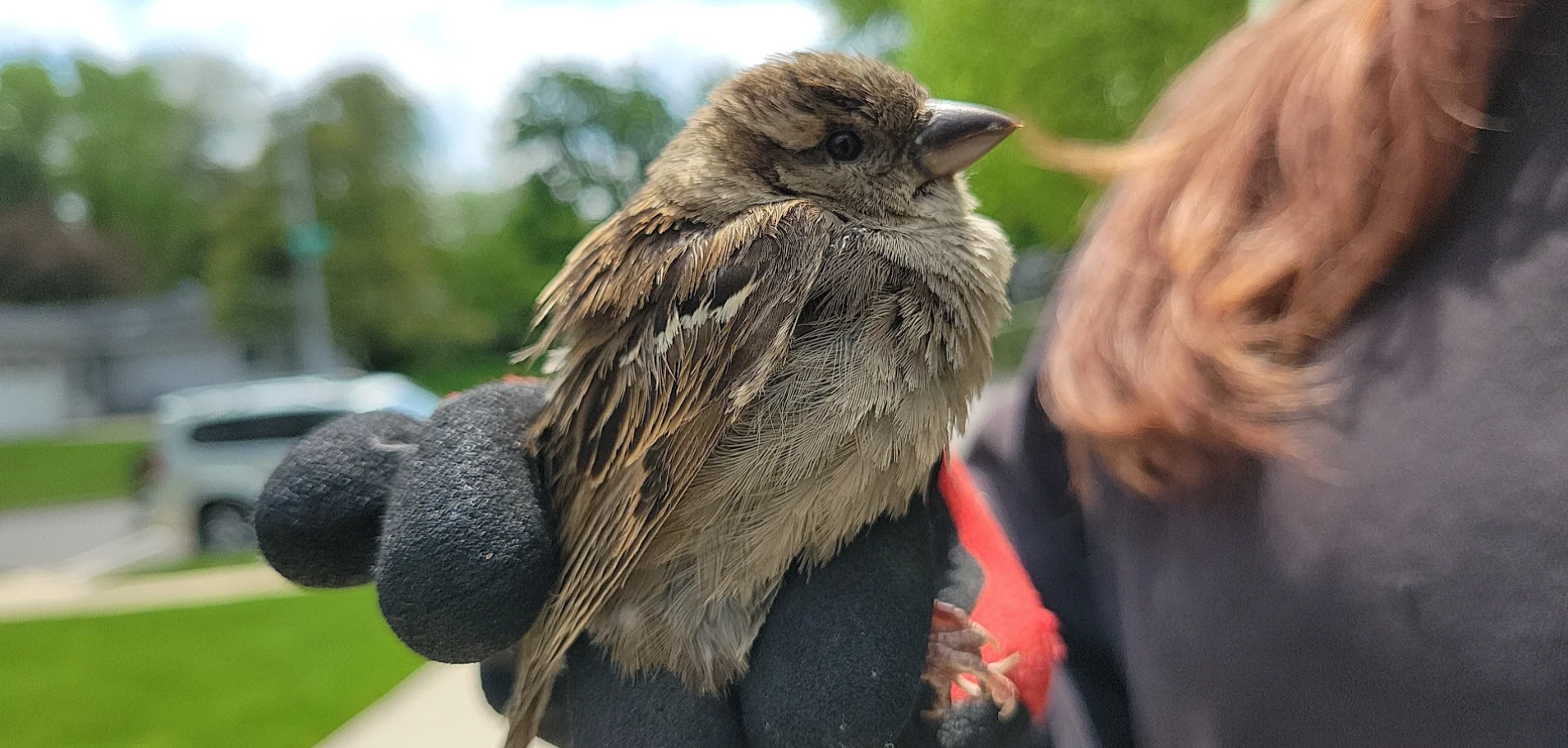
You may notice more noise near vents or hear fluttering sounds when the weather turns cold. Winter wildlife in British Columbia becomes far more active around buildings once temperatures drop.
Warm air, shelter, and quiet spaces are hard to find outdoors during winter, so animals look for safe places near people. That is why birds nesting in dryer vents and chimneys becomes such a common problem during the cold season, especially for homes and businesses in Burnaby.
You may not realize how easy it is for birds to access these areas. Dryer vents and chimneys release warmth and often sit high enough to feel safe from predators. Once birds in chimney in BC find a protected space, nesting activity can begin quickly and continue throughout the winter. Our professional bird nest removal services from teams like Skedaddle Humane Wildlife Control in Burnaby matter when colder weather pushes wildlife indoors.
In this blog, you will learn how birds nest in dryer vents and chimneys during the cold season, why these areas attract repeated activity, and when professional wildlife support is needed. Knowing how these entry points work helps explain why trained professionals should handle removal and long-term prevention.
Why Dryer Vents Become Nesting Spots in Winter
Dryer vents may not seem like a problem area at first, but they become very attractive during cold months. These vents often release warm air and are typically tucked away on the side of a building. During winter, wildlife in British Columbia, such as bird’s search for places that help them stay warm and safe with little effort. Once a vent is used even once, it can quickly turn into a repeat nesting spot.
Common ways birds use dryer vents include:
- Warm Air Draws Birds Inside: Dryer vents release heat every time the appliance runs, even during freezing weather. This warmth signals a safe place where birds can rest without using extra energy. In winter, finding steady heat becomes a priority, which makes vents especially appealing. Birds may return again and again once they connect the vent with warmth.
- Damaged or Loose Vent Covers: Vent covers can crack, bend, or loosen over time due to weather and age. When flaps no longer close fully, the opening stays exposed. Birds can push through these gaps with little effort. Once inside, the vent offers shelter that feels hidden and secure.
- Lint and Debris Create Nesting Material: Lint often builds up near vent openings or inside the duct. Birds may use this soft material as a base for nesting. Twigs, grass, and feathers are added over time, which increases blockage. This buildup can restrict airflow and create safety risks if not addressed.
- Quiet, Enclosed Space Feels Safe: Dryer vents are narrow and dark, which makes them feel protected. Wind, rain, and snow are blocked, creating a calm space. Once birds settle in, the vent may be used throughout the season. Repeated activity is common when the space remains undisturbed.
Birds nesting in dryer vents can cause airflow problems, overheating, and fire risks when nests are left in place.
How Chimneys Become Shelter During Cold Months
Chimneys are often overlooked once colder weather arrives, especially if fireplaces are not used often. During winter, these tall openings can become an ideal shelter for birds in chimneys in BC situations. Chimneys provide height, warmth, and protection from harsh conditions. Nesting activity can happen quickly and stay hidden for weeks.
Birds often nest in chimneys. Here is why.
- Chimneys Trap Heat Naturally: Even when fireplaces are not active, chimneys hold warmth from inside the building. Heat rises and collects inside the structure. This creates a more comfortable space during cold nights. Birds are drawn to this steady temperature during winter months.
- Wide Openings Allow Easy Entry: Many chimneys are left uncapped or have damaged covers. Birds can fly straight down without any barrier. Once inside, the space feels protected and quiet. Nest building can begin soon after entry.
- Protection From Weather and Predators: Chimneys block wind, snow, and rain completely. The enclosed design also reduces exposure to predators. This sense of safety encourages birds to stay longer. Winter storms make these protected spaces even more appealing.
- Vertical Space Supports Nesting: The depth of a chimney allows nests to sit far from the opening. This reduces disturbance from outside noise or movement. Birds can remain hidden while raising young or resting. Long stays become more likely as winter continues.
Birds in chimneys are often only noticed once noise, airflow problems, or safety issues arise.
Why Winter Makes Nesting Problems Worse
Winter changes how animals behave across British Columbia. Cold weather limits natural shelter and food sources, which pushes birds closer to buildings. Vents and chimneys offer exactly what is missing outdoors. This makes nesting problems more frequent and harder to spot during winter months.
Winter conditions increase nesting because of one of these reasons.
- Outdoor Shelter Disappears: Leaves fall and tree cover thins during winter. Natural nesting spots become exposed to wind and snow. Birds search for safer places that offer cover. Buildings provide shelter that stays consistent all season.
- Heat Becomes a Priority: Staying warm helps birds save energy. Dryer vents and chimneys release steady warmth. This makes them far more attractive than outdoor spaces. Once warmth is found, birds are likely to stay nearby.
- Reduced Human Activity Creates Opportunity: Some appliances and fireplaces are used less during winter. Less activity means less noise and disturbance. Birds can nest without being noticed right away. This allows nests to grow larger over time.
- Repeat Use Happens Year After Year: Once a nesting spot proves safe, birds often return in future seasons. Old nesting materials can attract new activity. Without proper prevention, the same entry points are reused. This leads to ongoing problems each winter.
Winter wildlife in British Columbia often depends on these entry points year after year without professional intervention.
Protecting Your Property Through Professional Support
You may feel relief once nesting stops, but long-term protection is key. Professional services focus on identifying why nesting happened in the first place. Entry points are secured and future access is reduced.
This approach helps prevent repeat issues during future winters. It also protects airflow systems, heating equipment, and indoor air quality. Bird nest removal services work best when paired with proper exclusion and inspection.
Keep Birds Out for Good With Professional Help
Birds nesting in dryer vents and chimneys may seem minor at first, but the risks add up quickly. Birds nesting in a chimney often stay hidden until blockages or safety issues appear. That is why bird nest removal services should always be handled by our trained professionals.
If you are dealing with winter wildlife in British Columbia, professional wildlife removal in BC is the safest path forward when dealing with activity around vents or chimneys. Skedaddle Humane Wildlife Control in Burnaby provides trusted support, humane solutions, and long-term protection. Request an estimate today to learn more and keep your home or business safe all winter.

 Loading...