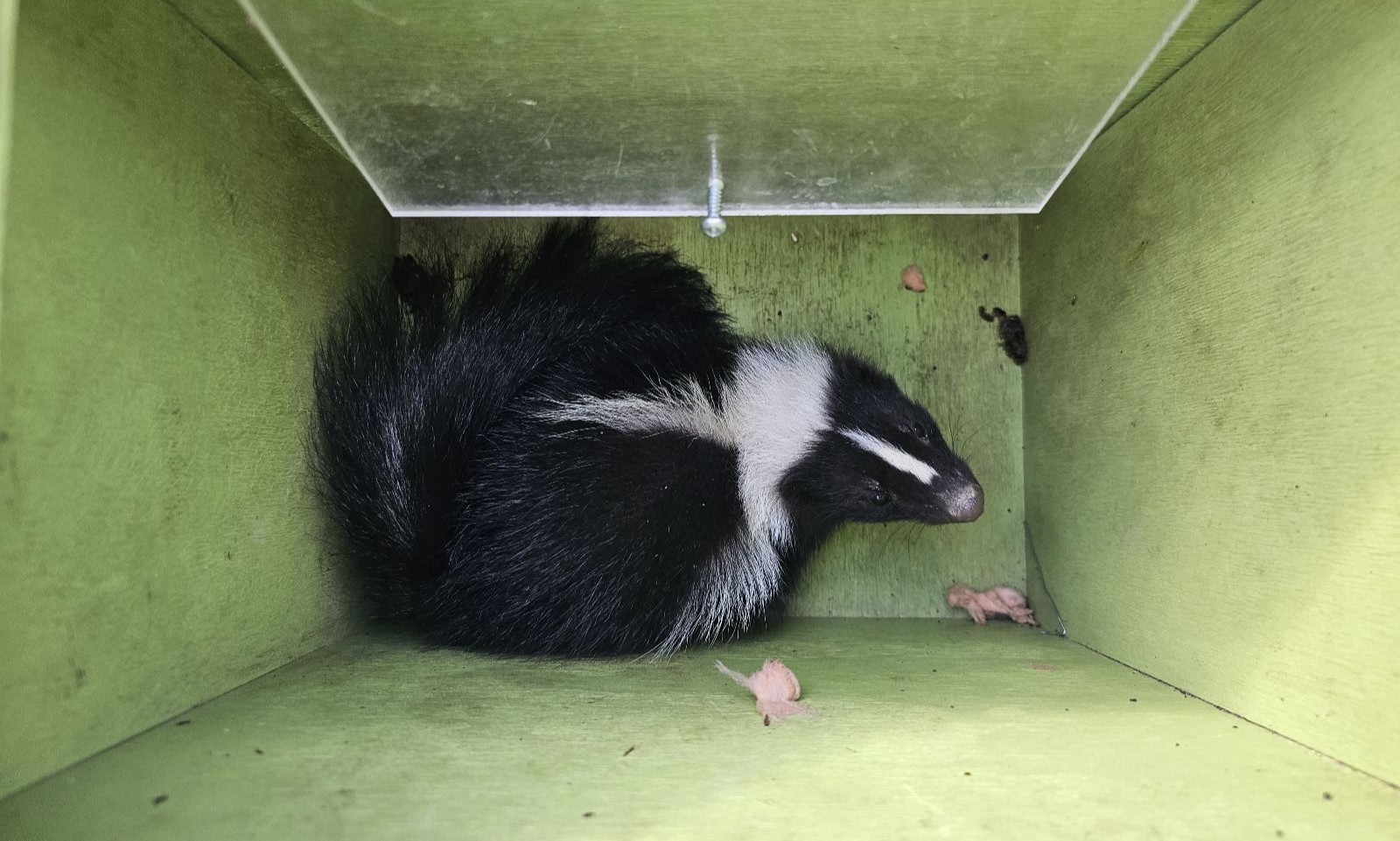
Skunks are a unique and fascinating part of Richmond’s wildlife. With their iconic black-and-white fur and their role in controlling insect populations, they’re an important part of the local ecosystem. But have you ever wondered where skunks in Richmond are hiding? Their secretive nature and nocturnal habits make them a mystery to many residents.
In this blog, we’ll uncover the common hiding spots of skunks, why Richmond is such a perfect home for them, and how you can take humane steps to prevent them from settling on your property. Let’s dive in and learn more about these intriguing animals!
Understanding Skunk Behaviour
To figure out where skunks might be hiding, it’s helpful to understand their behaviour. Skunks are nocturnal, meaning they’re most active at night. During the day, they look for safe, quiet places to rest and stay hidden.
Skunks are omnivores, which means they eat a mix of insects, small rodents, fruits, and vegetation. Their diet often determines where they choose to hide, as they prefer areas close to food sources.
Their habits also change with the seasons. In the warmer months, skunks are more active and may roam further in search of food. During the colder months, they seek out warm, sheltered spots to stay safe from the elements. This seasonal behaviour often brings them closer to human homes.
Common Skunk Hiding Spots
Skunks are resourceful when it comes to finding hiding spots. They can adapt to a variety of environments, from residential areas to natural spaces. Here are some of the most common places skunks in Richmond might be hiding:
Residential Areas
- Under Decks and Porches: These spaces provide safety and protection from predators.
- Crawl Spaces: Gaps in foundations or crawl spaces are popular spots, especially in colder months.
- Sheds and Garages: Skunks may sneak into these structures if they’re left open or have gaps.
Natural Spaces
- Parks and Green Spaces: Richmond’s parks, like Minoru Park and Terra Nova Rural Park, offer plenty of dense shrubs and tall grass for skunks to hide in.
- Abandoned Burrows: Skunks often take over burrows left behind by other animals, such as groundhogs or rabbits.
Urban Environments
- Quiet Corners: In urban areas, skunks may hide in alleys, under dumpsters, or near buildings with minimal human activity.
- Gardens: Overgrown gardens with dense vegetation can attract skunks looking for a safe place to rest.
Why Richmond is a Skunk Haven
Richmond’s unique mix of urban and natural environments makes it an ideal home for skunks. The city’s mild climate allows skunks to thrive year-round, while its abundance of green spaces provides plenty of food and shelter.
Richmond is home to many parks, gardens, and residential areas that offer the perfect combination of resources for skunks. The proximity to water sources, such as the Fraser River, also creates a rich ecosystem that supports a variety of wildlife, including skunks.
Did you know? Skunks are excellent diggers and can create their own burrows if needed. However, they often prefer to use existing structures or burrows to save energy.
Signs of Skunk Activity
If you think skunks might be hiding on your property, there are a few signs to watch for. These clues can help you identify whether skunks are nearby:
- Musky Odour: Skunks are known for their distinctive smell, which can linger in areas where they’re active.
- Small Holes in the Yard: Skunks dig shallow holes in search of grubs and insects.
- Tracks: Skunk tracks have five toes and visible claw marks.
- Droppings: Skunk droppings are similar to those of a cat but may contain insect shells or seeds.
It’s important to note that these signs can sometimes be confused with other wildlife activity. If you’re unsure, it’s best to consult a professional Richmond wildlife control service for an accurate assessment.
How to Prevent Skunks from Hiding on Your Property
While skunks are an important part of Richmond’s ecosystem, you may not want them setting up camp on your property. Here are some humane ways to make your home less appealing to skunks:
Secure Food Sources
- Use garbage bins with tight-fitting lids to prevent skunks from accessing food scraps.
- Avoid leaving pet food or birdseed outside overnight.
Seal Entry Points
- Close off gaps under decks, porches, and sheds using durable materials like hardware cloth.
- Inspect your home’s foundation for cracks or openings and seal them properly.
Maintain Your Yard
- Trim overgrown vegetation and remove woodpiles or other potential hiding spots.
- Keep your lawn tidy to reduce the availability of insects and grubs.
Use Motion-Activated Lights
- Install motion-activated lights to deter nocturnal animals without causing them harm.
By taking these steps, you can reduce the chances of skunks finding your property attractive while still respecting their role in the environment.
The Importance of Professional Richmond Wildlife Control
If you’re dealing with skunk activity on your property, it’s always best to call in the experts. Professional wildlife control services, like Skedaddle Humane Wildlife Control, use humane methods to assess and manage skunk activity.
Here’s why professional help is the best option:
- Expert Assessment: Professionals can identify potential entry points and hiding spots.
- Safe Removal: They have the training and experience to handle wildlife situations responsibly.
- Long-Term Solutions: Experts can implement prevention strategies to keep skunks from returning.
DIY methods are not recommended, as they can be unsafe for both you and the skunks. Professionals ensure the safety of everyone involved while respecting Richmond’s wildlife.
Peaceful Coexistence with Richmond’s Skunks
Skunks in Richmond are an essential part of the local ecosystem, but their secretive nature often leaves residents wondering where they might be hiding. By understanding their behaviour, identifying common hiding spots, and taking proactive steps to prevent them from settling on your property, you can coexist peacefully with these fascinating animals.
If you need help managing skunk activity, Skedaddle Humane Wildlife Control is here to assist. With humane and professional methods, we can help you protect your property while respecting Richmond’s wildlife. Contact us today to learn more about our services and how we can help you live harmoniously with nature.

 Loading...