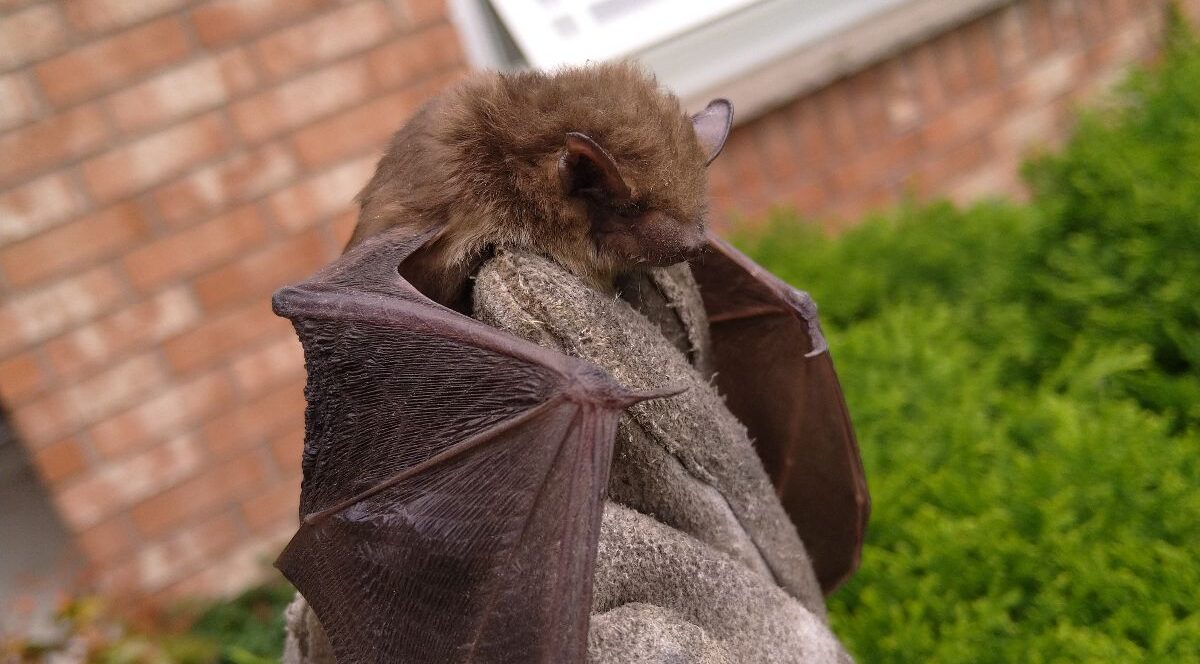
Bats often choose houses over trees because buildings offer a warm, safe, and permanent shelter that mimics their natural habitats. You might wonder why a wild creature would leave the forest. Houses provide steady temperatures, safety from predators, and easy access, making them the perfect place for females to raise their young safely. In this blog, we will explore exactly why these flying mammals prefer human structures.
You can easily see how a cozy attic looks much better to them than a drafty hollow tree. Our team at Skedaddle Humane Wildlife Control in Port Coquitlam handles these situations daily, so we know exactly what draws them indoors. The loss of natural wildlife trees and the expansion of urban areas mean your house is often their best option. We put together this guide so you know what makes a property attractive to them.
Here is a quick look at what we will cover. The following sections highlight the main reasons they decide to move in.
Could wildlife cause health problems in your home?
Yes, having wild animals in your house can cause serious health problems. Their droppings, known as guano, can grow a fungus that releases harmful spores into the air. When you breathe in these spores, it can lead to respiratory issues. You should never touch or disturb their droppings yourself.
Beyond respiratory concerns, they can also carry other diseases or parasites like mites and bugs. These pests can spread from the attic down into your living spaces. You do not want your family exposed to these risks. That is why it is so important to keep them outside where they belong.
Always remember that homeowners should not touch wild animals or clean up their waste. Call us right away if you suspect an infestation. Our team has the right protective gear and training to handle the situation safely.
Superior Temperature Control
Keeping your home at the right temperature is important for your comfort and energy savings. Superior temperature control means you can enjoy a cozy space in the winter and a cool retreat during the summer. By using the best insulation and air sealing methods, you can stop drafts, keep heat where it belongs, and reduce energy waste. This not only makes your home more comfortable but also saves you money on your energy bills.
Here are some key benefits to consider when improving your home’s temperature control solutions:
- Warmth for Raising Young: Female bats need very warm and steady temperatures to raise their pups. Attics trap heat perfectly, giving them a cozy space to thrive. Trees simply cannot hold heat the same way a house can. This makes your attic the perfect nursery.
- Protection from Extreme Weather: A house protects them from heavy rain, strong winds, and freezing cold. The insulation inside your walls keeps the environment stable no matter what happens outside. A tree with a hole in it will still let in cold drafts and rain.
- Energy Savings: When they do not have to work hard to stay warm, they save vital energy. A well-insulated building does all the heavy lifting for them. This saved energy helps them hunt and survive much better in the wild.
Safety from Predators
Houses offer incredible security from predators like owls, raccoons, and cats. When they roost in trees, climbing predators can easily reach them. Trees lack the heavy walls and sturdy barriers found in buildings.
You will notice that a roof offers a solid shield against anything trying to attack from above or below. Once they squeeze into a tiny gap in your siding, nothing else can get to them. This level of safety is simply not found in the wild.
They are incredibly smart when it comes to choosing safe spots. A quiet, dark attic means they can sleep all day without worrying about an attack. This peace of mind keeps them coming back to the same spot year after year.
Loss of Natural Habitat
The loss of natural habitat is a growing problem for many animals. As forests are cut down and wetlands are filled in, wildlife is left with fewer places to live and thrive. This forces them to look for new homes, often bringing them closer to human spaces like homes or buildings. Here are some common reasons why natural habitats are disappearing and the impact it has on animals:
- Fewer Dead Trees: Deforestation and land clearing remove the dead or hollow trees they naturally use. Without these natural roosting spots, they have to look elsewhere. Urban areas leave them with very few choices besides human structures.
- Expanding Neighbourhoods: As cities grow, forests shrink, pushing them closer to people. They adapt by finding shelter in the new buildings that replace their old woods. Your home is often the only sturdy shelter left in the area.
- Lack of Old-Growth Forests: They need large, old trees with deep hollows to roost comfortably. Many modern forests are too young to provide these features. A house easily replaces the deep hollows they are missing.
Stable, Long-Term Shelter
Natural roosts like dead branches and old trees eventually rot and fall down. Human structures are built to last a lifetime, providing a permanent home. They recognize this stability and take full advantage of it.
Many of them are highly loyal to their roost sites and return to the same place every single year. If your house offered a great home last summer, they will remember it. They prefer a reliable place they can trust over an unpredictable natural spot.
You might not realize that a simple gap in your roof is an open invitation for a lifelong resident. Temporary natural shelters just cannot compete with the durability of a modern building. This is why a sturdy house always wins out over a temporary tree hollow.
Proximity to Food and Water
The loss of natural habitat has made it harder for many animals to find safe places to live. Urban development, deforestation, and farming have left fewer trees and natural spaces for them to call home. This forces animals to search for new shelter options, often leading them closer to human spaces. Here are some key reasons why animals are drawn to residential areas for shelter and survival:
- Close to Insects: Homes located near lakes, ponds, or bright outdoor lights attract a lot of bugs. They eat thousands of insects every night, so living close to the food source is a huge bonus. An attic near a bug-filled yard makes hunting incredibly easy for them.
- Less Travel Time: Living right next to their hunting grounds means they fly less. Minimizing travel time saves them energy and keeps them safer from nighttime predators. Your house gives them the perfect home base right next to the buffet.
- Reliable Water Sources: Many neighbourhoods have birdbaths, pools, or nearby creeks. They need to drink water every night while flying. A neighbourhood provides a steady supply of water that might dry up in a wild forest.
Easy Access
They can enter buildings through gaps as small as half an inch. Common entry points include loose flashing, roof intersections, and open vents. These small openings act like open doorways into a perfect, quiet shelter.
You might not even see these tiny cracks from the ground. Aging materials and minor storm damage create vulnerabilities that they quickly discover and memorize. Once they find a way in, they use it repeatedly without you ever knowing.
They do not need a massive hole to make themselves comfortable. A small gap is actually better because it keeps out larger predators. Your home provides the perfect balance of a tiny entrance and a massive, secure living space.
Local Climate Challenges
Building reliable shelters for wildlife helps them survive the challenges of our unpredictable weather. The rain and cold temperatures can make it very hard for animals to stay safe and dry. When tree roosts become wet or too cold, animals are forced to seek other options. Providing sturdy and dry homes ensures they have a safe place to rest no matter the weather outside.
Wildlife houses also protect animals from other dangers, like predators. Natural homes in tree cavities or under logs often leave animals exposed to larger predators. A house built with care can offer a secure space with small entrances that keep unwanted visitors out. This gives the animals peace and safety, especially during nighttime when predators are most active.
By placing shelters in your yard, you support local wildlife while also helping to balance the ecosystem. Birds, bats, and other creatures play important roles, like controlling pests and pollinating plants. When you provide shelter, they can thrive and continue to benefit the environment. It’s a simple step with a big impact for the animals and the area they call home.
Why You Need Professional Bat Removal
Bats in your home can be a serious issue, but removing them yourself can create more problems and risks for you and the animals. Without proper training, you could harm the bats or accidentally trap them inside, causing damage to your home. Bats can also carry diseases like rabies, making direct contact dangerous. That’s why it’s so important to trust our professionals at Skedaddle to handle the situation safely.
At Skedaddle, our team uses humane and effective methods to remove bats from your home. We install special one-way doors that allow the bats to leave but prevent them from getting back in. This method ensures that no bats are harmed during the process. Once the bats are safely out, we inspect your home to find entry points and seal them to stop future infestations.
Protecting both your home and wildlife is our top priority. Bats play a key role in the environment, such as controlling insect populations, so it’s important to handle them responsibly. Our removal process is designed to keep your property secure without risking harm to these beneficial animals. With Skedaddle, you can trust that the job will be done safely, efficiently, and with care for both your family and the bats.
Frequently Asked Questions
How small of a hole can they fit through?
They can squeeze through a gap as small as half an inch wide. That means even a tiny opening along your roofline can become an entry point. Loose shingles, vents, or small cracks are all potential access spots. Sealing these gaps early is key to keeping them out.
Do they return to the same place every year?
Yes, they are very habitual and tend to return to the same roost year after year. Once they find a safe and warm space, they will keep coming back. This pattern makes the problem worse if it is not handled properly. Our professional exclusion ensures they cannot re-enter.
Why is it bad to have them in my house?
Their droppings can build up quickly and cause damage to insulation and wood. Over time, this can lead to costly repairs and strong odours. There are also health risks linked to airborne spores from the waste. Keeping them out protects both your home and your well-being.
Can I clean up their droppings myself?
Cleaning up droppings without proper gear is not safe. Harmful spores can become airborne and be inhaled during cleanup. Our professionals use protective equipment and proper methods to handle the situation. It is always safer to leave this job to trained experts.
Protect Your Home and Live Bat-Free
Bats may seem like harmless creatures, but having them inside your home can lead to serious problems. From health risks caused by guano to damage in your attic, it’s clear that keeping bats outside is important for both your safety and the bats’ well-being. They are simply looking for a safe shelter, and while your home might seem like the perfect spot to them, it’s not the right place.
At Skedaddle Humane Wildlife Control in Port Coquitlam, we understand how important it is to handle bat intrusions carefully and responsibly. That’s why we use proven humane methods to remove bats and make sure they don’t come back. Our team of trained specialists is ready to help secure your home so both you and the bats can live safely in the spaces meant for you.
If you think bats have settled in your attic or another area of your home, don’t wait. Call our team today to learn more about how we can help. Request an estimate and see how easy it is to work with our professionals who care about keeping your home protected and your family safe. Reach out today, and together we’ll take the first step toward a bat-free home!

 Loading...







