Living in North Vancouver, it’s nearly impossible not to notice the breathtaking scenery. Many properties are close to the ocean, rivers, or lakes, setting the stage for a vibrant natural world right at your doorstep.
If you’ve seen more feathered visitors lately, you’re not alone. Proximity to water often transforms properties into prime spots for wildlife. Homes near water don’t just look beautiful — they also welcome a symphony of birds, thanks to the unique environment nearby. Understanding why your location attracts birds will help you appreciate and care for your surroundings even more.
Why Birds Flock to Water
Water is essential for life, and birds are no exception. Just like humans, birds need water to stay hydrated. But water’s importance goes even beyond that.
Short, frequent trips to a reliable water source allow birds to drink, bathe, and preen their feathers. Clean feathers help with temperature control, insulation, and flight. In fact, ornithologists note that most songbirds visit water several times a day during hot weather.
Beyond drinking and bathing, water-rich environments offer birds an abundance of food. Whether your property borders a riverbank, a pond, or the stunning Pacific coastline, aquatic ecosystems are bustling with:
- Insects and small fish
- Amphibians
- Aquatic plants and seeds
Estimates show that nearly 75% of all bird species depend on wetland or aquatic habitats for at least part of the year. That’s why the variety of birds near water properties is so unique compared to other spots.
Spotting Water-Attracting Bird Species in North Vancouver
North Vancouver is a paradise for birdwatchers and anyone who enjoys the cheerful sounds of local birds. With the Burrard Inlet, the Capilano River, and countless small streams nearby, there’s always something to spot.
Some of the most common water-attracting bird species you might see include:
- Mallards & Canada Geese: Often found gliding across ponds or feeding in wetlands.
- Gulls: Look for these on the coastline or following fishing boats.
- Great Blue Herons: These large, majestic birds wade through shallow waters hunting for fish.
- Belted Kingfishers: Recognizable for their bright colouring and rapid hunting dives.
- Swallows: Frequently swoop over water surfaces to snatch up insects.
Migration also plays a big role in what you see. North Vancouver is part of the Pacific Flyway, a vital stopover for millions of migratory birds each year. This means you’ll likely notice different birds in spring and fall than in the dead of winter or the peak of summer.
How Your Waterside Property Attracts Birds
If you live near the water, your property becomes an extension of nature’s habitat. Birds don’t see fences or gardens — they recognize a continuous environment full of resources.
Your yard offers:
- Tall trees for perching and nesting
- Dense bushes for hiding and protection from predators
- Open spaces for foraging and social interaction
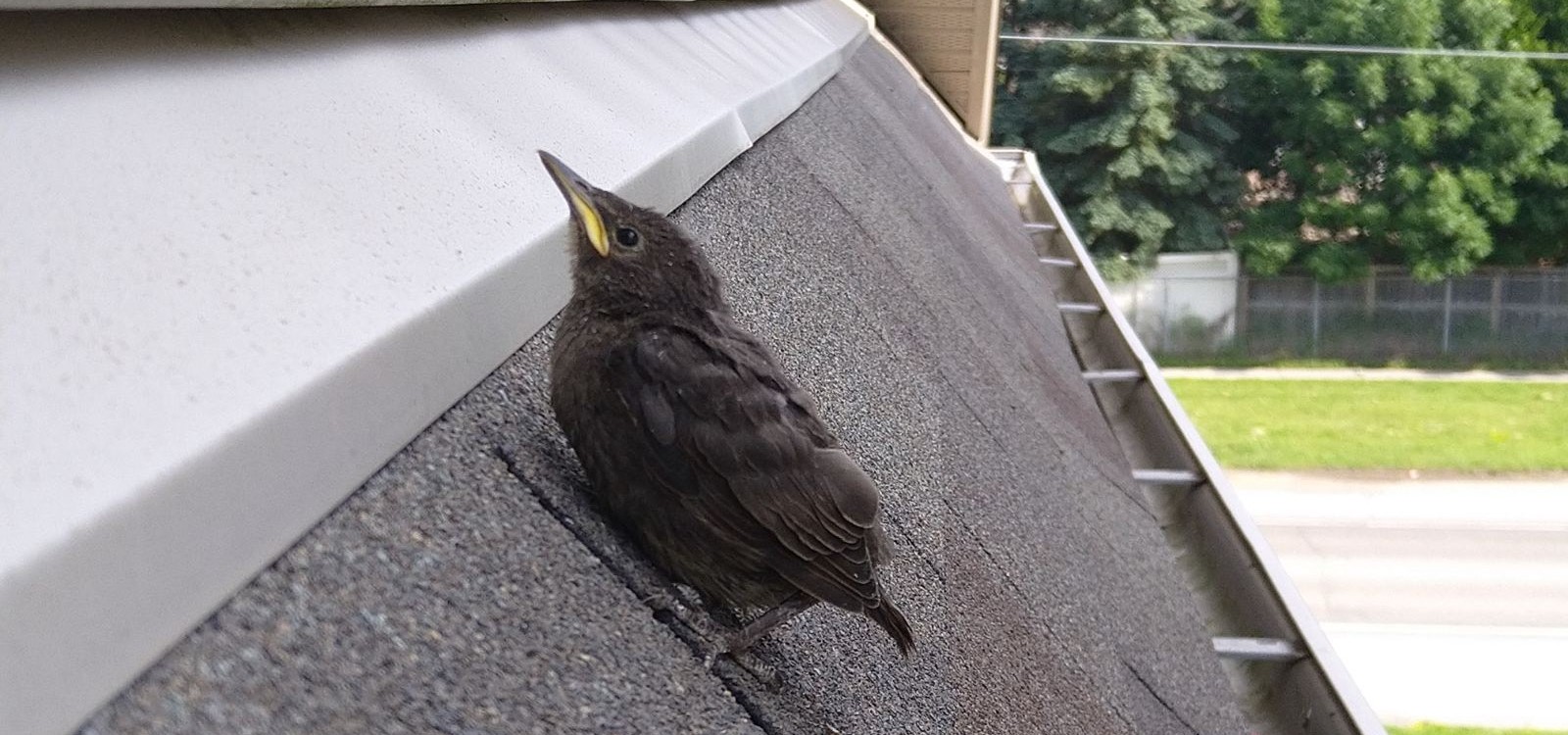
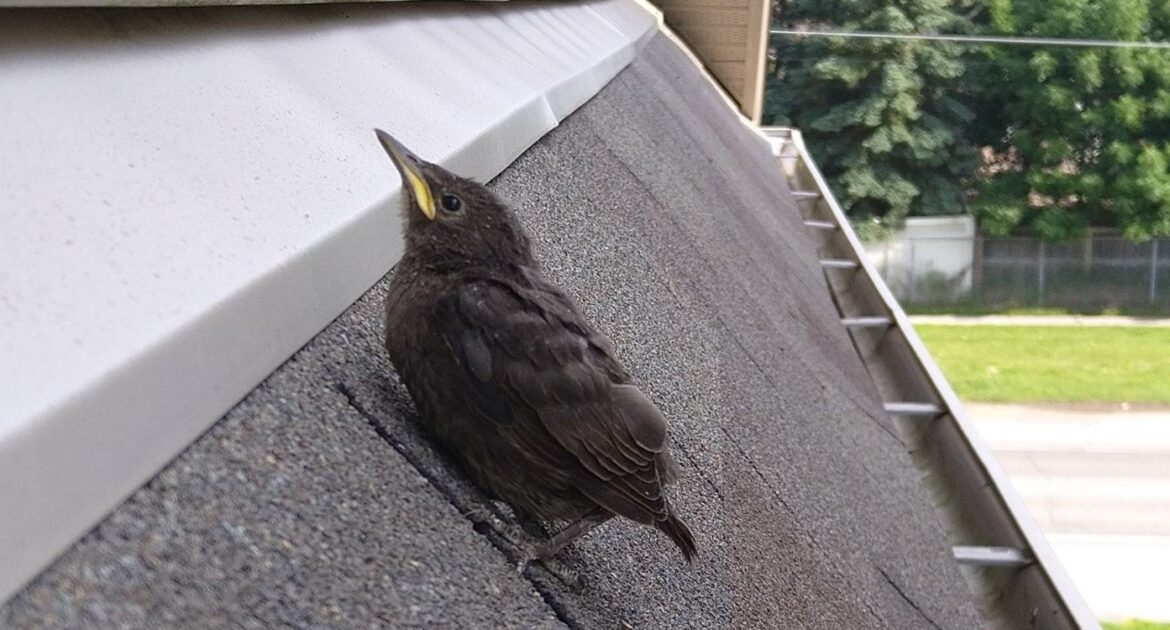
Even your house can become helpful. Ledges, eaves, and window boxes sometimes offer shelter or nesting spots for clever birds. If you’re near water, this is all the more inviting since birds can easily access both food and shelter.
Birds near water properties rely on these features:
- Proximity to consistent drinking and bathing water
- Safe places for building nests
- Ample food sources in the area
Statistics show that properties within 500 metres of a water source can see up to 30% more bird activity compared to homes farther away.
The Importance of Native Vegetation
Plants and trees are just as important to birds as the water itself. The native flora in North Vancouver — think Douglas fir, Red cedar, salmonberry, and huckleberry — offers valuable food and shelter.
These plants help in many ways:
- Provide insects for birds to feed on
- Produce berries and seeds through the seasons
- Offer sturdy branches for nesting
A healthy mix of native species ensures a greater diversity of water-attracting bird species around your home. It also maintains the natural food web, supporting not just birds, but insects and even mammals. According to the North American Bird Conservation Initiative, properties that feature native plants are five times more likely to support bird nests than those with ornamental or non-native landscaping.
If you’re considering landscaping changes, choose native species whenever possible. You’ll help welcome more birds near water properties while contributing to the area’s beauty.
Enjoying the Presence of Birds
Birds bring much more than pretty songs and flashes of colour. Having more birds near your property can lead to:
- Natural insect control, helping to reduce mosquitoes and other bugs
- Seed dispersal, promoting new plant growth and maintaining healthy forests
- Pollination, benefiting gardens and wildflowers alike
For many, birdwatching is a peaceful hobby. Spending even a few minutes a day enjoying the sight or sound of birds has been shown to reduce stress and boost mental well-being. About 20% of Canadians report participating in birdwatching activities, and numbers are growing.
You might notice how your children or neighbours become interested in wildlife after seeing a heron fly overhead or catching a glimpse of a kingfisher diving for its meal. This connection helps remind us of our shared responsibility to protect our environment.
Some famous benefits of living among birds:
- They improve local ecosystem health in visible and invisible ways.
- Their presence boosts property value and curb appeal.
- Their activity keeps yards feeling lively and dynamic.
Managing Birds Near Waterways the Right Way
When sharing space with birds, it’s important to strike a balance. Issues like noise or nesting in unwanted places can arise, but the approach should always be respectful and humane.
Here’s how you can responsibly enjoy and manage birds near waterways:
- Observe birds from a distance to avoid disturbing natural behaviours.
- Avoid feeding wildlife, as this can disrupt their diets and foraging patterns.
- Protect native vegetation — trimming or removing trees during nesting season can harm birds.
- Install screens or covers if birds are nesting in vents or eaves, but only outside active nesting periods.
- Consult a certified humane wildlife professional if you have concerns about specific bird activity.
Professional wildlife teams are familiar with Canadian regulations for bird protection, especially around nesting and migratory species. With their guidance, managing birds near waterways is both safe and effective for everyone.
Remember, it’s never recommended to try to remove or relocate birds on your own. Instead, trust professionals to assess and assist as needed while considering the needs of both humans and wildlife.
Living in Harmony With Birds Near Water Properties
Owning a home near one of North Vancouver’s many beautiful water bodies is a privilege. It means sharing your space with local wildlife, especially birds that depend on the nearby ecosystems for survival.
When you consider the role your property plays, you’re embracing the unique rhythms of nature:
- Seasonal migratory birds come and go, adding to the area’s diversity.
- Native birds use both water and your property for all aspects of their life cycle.
- The careful management of these spaces ensures lasting harmony.
If you have questions or wish to make changes, always seek out guidance from trained local professionals. They’ll help you protect your enjoyment of home while safeguarding the needs of birds near water properties and water-attracting bird species alike.
So next time you spot a heron by the river or hear a chorus of morning songbirds, take a moment to enjoy the privilege of sharing your surroundings. The presence of birds is a sign of healthy land and water — and a gentle reminder that your property, and you, are an important part of North Vancouver’s natural community.

 Loading...