You keep mice away from BBQ grills by removing existing rodents safely, sealing every access point, reinforcing surrounding structures, and preventing re-entry with humane one-way doors. Mice in your BBQ grill spaces happen when rodents find warmth, shelter, and food scent. Long-term prevention requires professional exclusion and structural protection.
You open your grill expecting to cook dinner, not to deal with rodents nesting in grills. Yet mice in your BBQ grill units are more common than most homeowners realize. Grills offer warmth, quiet space, and leftover food scent — especially in cooler seasons across Colorado.
You want a clear answer fast. You want to know how to keep mice away from grill areas without risking your health or making the problem worse. At Skedaddle Humane Wildlife Control in Denver, we focus on prevention-first strategies. That means removing animals humanely, sealing entry points properly, and reinforcing the surrounding space so they cannot return.
In this guide, you’ll see exactly how professional prevention works and why a structured approach keeps your grill protected season after season.
How do you keep mice away from BBQ grills?
You keep mice away from BBQ grills by addressing both the grill itself and the surrounding structure. Professional removal ensures any existing rodents exit safely. Sealing access points prevents re-entry. Structural reinforcement blocks future intrusion. Humane one-way doors allow wildlife to leave while stopping them from coming back.
You cannot rely on surface cleaning or hoping the animals move on. Rodents in grills choose those spaces because they feel secure. If the conditions remain the same, they will return.
You need a layered approach. Removal without sealing fails. Sealing without inspection misses hidden access points. Prevention works when every vulnerability is addressed. That is where our professional wildlife exclusion makes the difference.
Professional Grill Exclusion and Sealing Methods
Mice in BBQ grill problems require precise exclusion. We focus on eliminating access and preventing re-entry at the source. Our process includes:
- Full grill cabinet inspection to identify nesting zones and structural weaknesses
- Identification of even the smallest entry points rodents use to access the grill
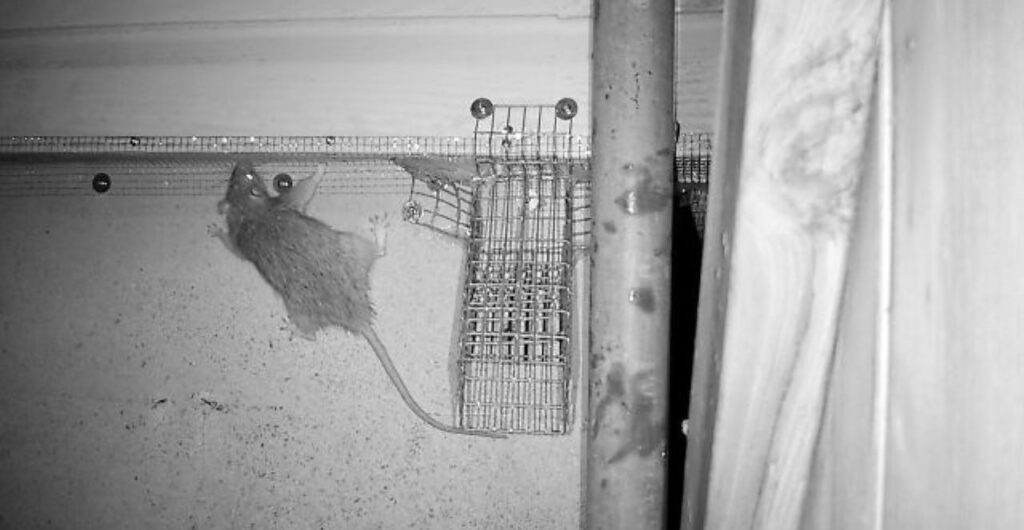
- Installation of humane one-way doors that allow wildlife to exit but not re-enter
- Safe removal of nesting material using proper protective equipment
- Precision sealing of gaps, seams, and cabinet openings
You may not realize how small an opening a mouse can use. Even minor seams inside grill cabinets can become entry routes. That is why inspection must be thorough and systematic.
One-way doors are critical. They allow rodents to leave safely while preventing them from becoming trapped. Once activity stops, all entry points are reinforced and sealed properly. This step forms the foundation of how to keep mice away from grill areas permanently.
Structural Reinforcement Around BBQ Areas
Prevention goes beyond the grill box itself. Rodents nesting in grills often enter from surrounding deck and foundation spaces. Barrier reinforcement includes:
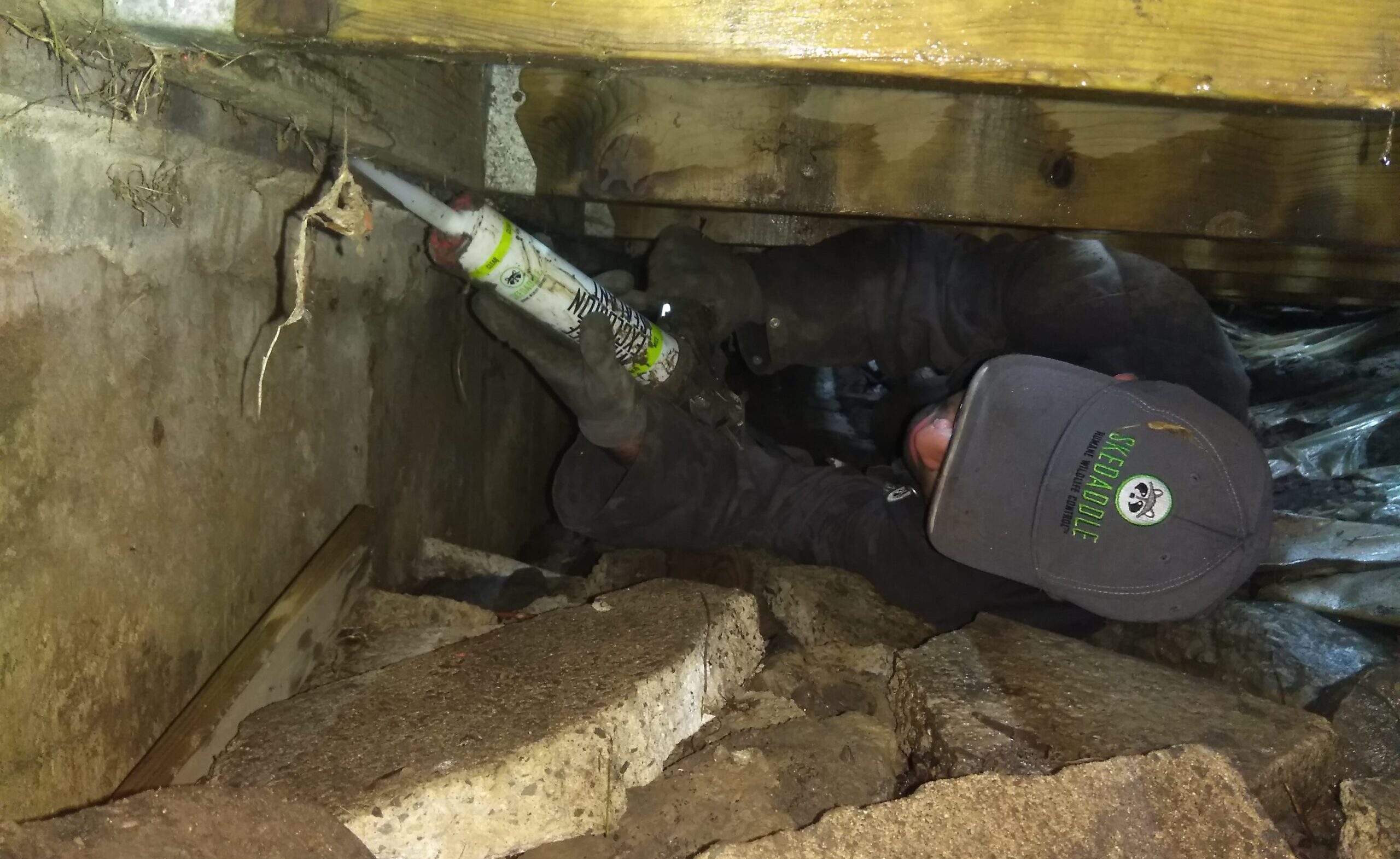
- Sealing gaps between deck boards where rodents travel beneath structures
- Closing utility line gaps where pipes or gas lines enter the home
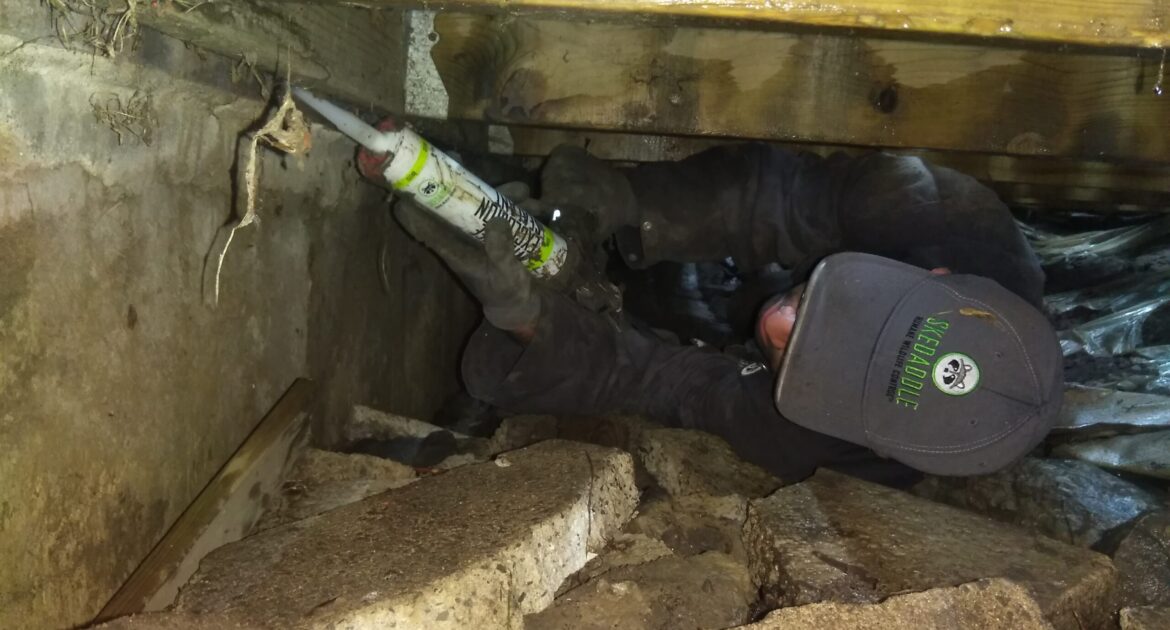
- Repairing and sealing foundation cracks that create hidden access routes
- Screening vents and crawlspace openings near grill placement areas
You may think your grill is the only concern. In reality, mice in BBQ grill units often indicate broader structural vulnerabilities. Decks, siding, and foundation edges create travel corridors. If those remain open, rodents will continue exploring and attempting entry. Reinforcement blocks those pathways before they lead back to your grill.
Grill Placement & Storage Adjustments
You may not realize how much grill placement affects rodent activity. A BBQ positioned tight against siding or foundation walls creates a sheltered corner that animals naturally investigate. Even when the grill is covered, the space beneath and behind it can offer protection from wind and predators.
You reduce risk significantly when placement allows airflow and visibility around the grill. Elevation also matters. Grills positioned directly on deck surfaces with tight gaps underneath can create hidden voids where rodents travel unseen. Adjusting placement helps reduce concealed movement paths that lead into cabinet areas.
Vegetation plays a role as well. Dense shrubs, stacked firewood, and overgrown landscaping near cooking zones provide cover and nesting material. When surrounding greenery touches siding or deck edges, it forms a bridge toward your grill. Professional guidance ensures positioning supports prevention rather than unintentionally encouraging rodents nesting in grills.
Long-Term Exclusion Monitoring & Maintenance
You cannot treat prevention as a one-time event. Mice in BBQ grill cases often reflect seasonal patterns, especially in Colorado where temperature shifts drive animals toward sheltered areas. Monitoring ensures small vulnerabilities do not reopen over time.
Follow-up inspections help confirm that sealed entry points remain intact. Weather, expansion, and structural settling can create new micro-gaps that are invisible to homeowners. Reinforcement checks ensure those weaknesses are corrected before rodents exploit them.
Entry-point monitoring combined with seasonal adjustments strengthens long-term protection. As colder months approach, wildlife behaviour changes. Maintaining vigilance during these transitions keeps your grill protected year-round. Prevention works best when it is consistent, not reactive.
A complete rodent prevention game plan ties every step together. Inspection identifies vulnerabilities. One-way doors allow humane removal. Structural reinforcement blocks travel routes. Ongoing monitoring ensures durability. When layered correctly, these strategies prevent mice in BBQ grill problems from returning.
Rodent Prevention Game Plan With Skedaddle
You do not just need removal. You need a system that prevents mice in BBQ grill problems from coming back. Rodents nesting in grills usually happen when multiple small vulnerabilities go unchecked. Our prevention game plan addresses every layer of exposure around your outdoor cooking area.
Our structured approach includes:
- Comprehensive inspection of the grill and surrounding exterior structures
- Humane one-way door installation to allow wildlife to exit safely without re-entry
- Removal of nesting materials using proper safety protocols
- Full structural sealing and reinforcement of access points around decks, siding, vents, and foundations
You benefit from a layered defence system. We do not focus on just one gap or one animal. We identify how rodents accessed the space, remove them safely, and block every path that could lead back to your grill.
Mice in BBQ grill situations often repeat when only part of the issue is addressed. Our prevention model ensures the grill, the surrounding structure, and seasonal wildlife behaviour are all considered. That is how to keep mice away from grill areas long term.
Frequently Asked Questions
How common are mice in BBQ grill problems in Denver?
Mice in BBQ grill situations are common during fall and winter when rodents search for warmth and shelter. Colorado’s temperature swings increase the likelihood of rodents in grills, especially when BBQ units sit close to siding or deck structures.
Do one-way doors really prevent rodents from nesting in grills?
Yes. Humane one-way doors allow animals to exit safely while preventing re-entry. When combined with professional sealing and structural reinforcement, they are a highly effective method for keeping mice away from grill areas long term.
Is structural reinforcement necessary if the grill looks sealed?
Yes. Mice in BBQ grill units often enter through nearby deck gaps, utility line openings, or foundation cracks. Even if the grill cabinet appears sealed, surrounding vulnerabilities can allow rodents in the grills to continue.
Can mice permanently damage my BBQ grill?
Yes. Rodents in grills may chew wiring, insulation, and gas lines, which can create fire hazards or mechanical failure. Addressing mice in BBQ grill problems early helps reduce long-term repair costs and safety risks.
How quickly should I act if I suspect mice in BBQ grill areas?
You should act immediately. The longer rodents in grills remain, the more damage and contamination can occur. Early professional inspection ensures humane removal and prevents future infestations.
Will mice return after removal if no sealing is done?
Yes. Without proper exclusion and sealing, mice in BBQ grill spaces often return to the same sheltered location. A full prevention strategy is necessary to keep mice away from grill areas permanently.

Take Back Your Grill From Mice!
You deserve to use your grill without worrying about mice in BBQ grill spaces. You should not have to deal with rodents nesting in grills or question how to keep mice away from grill areas on your own.
Prevention requires removal, sealing, reinforcement, and monitoring. When each layer works together, the problem stops returning season after season. Professional exclusion protects both your grill and the surrounding structure.
If you suspect mice in BBQ grill units, request an estimate from our team. At Skedaddle Humane Wildlife Control, we’ll inspect, remove, seal, and reinforce properly so you can cook with confidence again.

 Loading...







