There’s nothing quite like the simple joy of watching birds flutter and chirp around a backyard feeder. But while those feathered visitors bring plenty of beauty and charm, your bird feeder might also play host to some unexpected guests. From sneaky predators to health risks and even property damage, feeding stations can invite a whole cast of uninvited wildlife.
Don’t worry, though—we’re here to help! With our tips for preventing wildlife from entering your home and our wildlife control services in Evergreen, we will help keep your home and family safe.
Today, we’ll take a closer look at how bird feeders can attract more than just birds and share practical tips for keeping your backyard both lively and safe.
Bird Feeders Attract Wildlife Beyond Birds
One of the most common surprises for homeowners placing bird feeders is the array of animals drawn to the easy source of food. While many aim to attract colorful birds, the reality is that the feeders often wind up appealing to a variety of non-bird species.
Animals Commonly Attracted by Bird Feeders
Here’s a closer look at the unintended guests that frequently show up when feeders are in use:
- Squirrels and Chipmunks
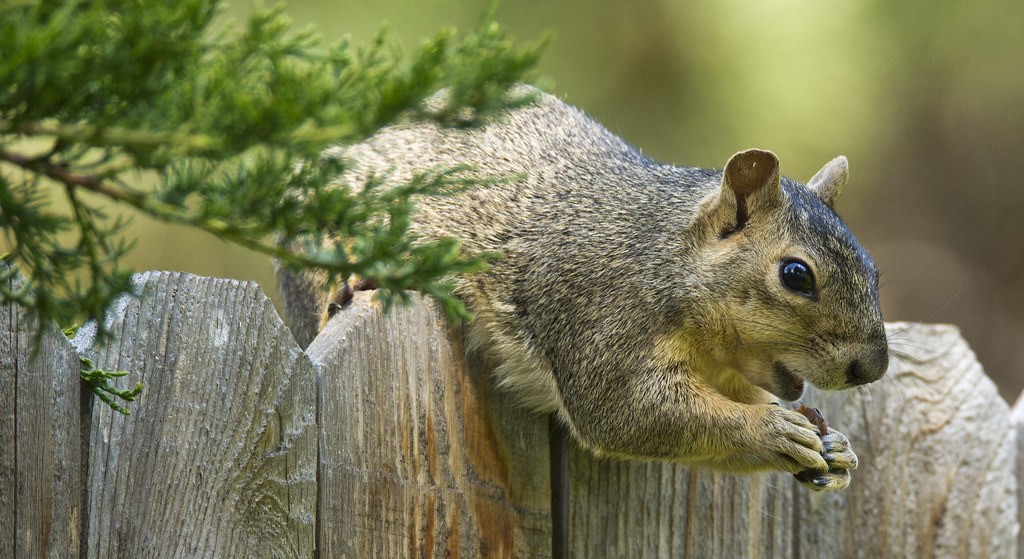
These small mammals are notorious for raiding feeders, often scaring away the intended visitors. Squirrels are acrobatic and clever, making them great at overcoming even “squirrel-proof” feeders.
These nocturnal animals are drawn to feeders, especially at night, when they can scavenge unnoticed. Once they’ve identified your yard as a food source, raccoons may even start exploring garbage cans or other parts of your property.
- Deer
Some bird seeds, such as sunflower seeds, appeal to deer. If you live in areas like Colorado’s foothills, deer could be frequent visitors to your bird-feeding zone.
- Rodents
The spilled seed from feeders can attract mice and rats, posing health concerns and the possibility of infestations. Once rodents are comfortable in your yard, they may move closer to your home.
- Predatory Animals
Bird feeders can increase vulnerability for birds by making them an easy target for predators like hawks or neighborhood cats.
The diversity of wildlife drawn by bird feeders can lead to growing challenges, from property damage to unwelcome animal encounters.
Wildlife Risks From Bird Feeders
While observing animals in their natural behaviors can be exciting, the presence of unwanted wildlife brings specific risks. Understanding these risks can help you prepare and act responsibly.
Property Damage and Cleanup Problems
Many animals, including raccoons and squirrels, are capable of causing significant damage when attempting to access bird feeders. Raccoons can topple feeders, chewing on wires or structures nearby. Birds themselves often leave droppings and nesting material behind, adding to the cleanup needs in your yard.
Animal Health and Disease Concerns
Spilled seed can become moldy or contaminated, affecting the health of animals feeding on it. Additionally, overcrowding at feeders can spread diseases among birds or other wildlife, such as salmonella. This can create unintended and serious health issues in your backyard ecosystem.
Attracting Long-Term Unwelcome Guests
Once animals discover consistent sources of food, they’re more likely to return. Rodents or raccoons that frequent your yard due to a feeder are far more likely to eventually end up inside your home. This creates a challenging problem for many homeowners.
Unwanted Animals And Bird Feeders
One of the bigger challenges with bird feeders is ensuring that they serve the intended purpose without encouraging non-bird species to take over. With proper adjustments and proactive care, you can minimize the risks associated with feeders.
Practical Solutions to Manage Feeders
Here are some practical steps you can take to manage feeders while reducing risk of attracting unwanted animals.
- Select Thoughtful Placement
Position bird feeders at least ten feet away from structures like fences, trees, or your house to discourage climbing animals like squirrels from accessing them. Hanging feeders on poles with baffles can make climbing nearly impossible.
- Use Specialized Feeders
Invest in feeders specifically designed to deter unwanted visitors. Squirrel-proof feeders or weight-sensitive models close their openings when heavier animals climb onto them.
- Limit Spillage
Spilled seed is one of the primary causes of additional wildlife around feeders. Try using no-mess seed blends or feeders designed to catch fallen seeds. This will also help prevent mold and bacteria growth at the base of your feeder.
- Adjust Feeding Timing
Consider bringing feeders inside at night to deter nocturnal animals such as raccoons from accessing them after dark.
- Clean Regularly
Routine cleaning of your feeders and surrounding area is key to avoiding disease and discouraging unwanted animals from settling in. Remove leftover food, wash feeders with mild soap and water, and ensure droppings are cleaned up to maintain a healthy feeding zone.
- Practice Variety in Feeding Methods
Planting native flowers and shrubs can provide food sources for birds while reducing dependence on feeders. This can help maintain bird activity while further minimizing risks.
Reducing Wildlife Risks From Bird Feeders
While bird feeders can create potential problems, they can still be an enjoyable feature when managed responsibly. The key is to address risks proactively to avoid bigger issues down the road.
Why Environmental Considerations Matter
Respecting the surrounding ecosystem is vital. Feeding stations should serve their purpose without disrupting natural animal behaviors or creating unnecessary conflicts in the area.
Simple Adjustments for Long-Term Benefits
By following some of the practical steps listed earlier, you can create an equitable balance between welcoming birds to your yard and ensuring other animals and risks are minimized. With small changes, the positive aspects of feeders can outweigh the challenges.
Your Role as a Responsible Homeowner
The choices we make when maintaining feeders go a long way toward reducing their environmental impact. At Skedaddle, we believe that preventative measures and thoughtful maintenance can make a difference for both homeowners and the wildlife living around them.
When to Call Skedaddle for Wildlife Removal Services
Knowing when to seek professional help is essential for maintaining a safe and balanced environment around your home. At Skedaddle, we specialize in humane wildlife removal services, providing reliable solutions for situations where animals may pose risks to your property or safety. If you notice signs of unwelcome visitors, such as unusual noises in your walls, attic, or chimney, it could indicate the presence of raccoons, squirrels, or birds nesting in your home. Damage to roofing, siding, or insulation is another clue that wildlife may have taken up residence.
- Discovering droppings or strong odors near your home may indicate a health hazard from animals like bats or rodents.
- Call us if you notice wildlife displaying unusual behavior, as this could signal illness or aggression.
- Avoid handling these situations on your own to prevent injury, ineffective results, or further damage to your home.
With over 30 years of experience, Skedaddle’s experts know how to assess and address wildlife issues effectively, prioritizing the safety of both people and animals. Reach out to us if you’re in doubt, and we’ll provide a professional solution tailored to meet your needs.
Enjoy Wildlife Without Compromising Your Property
If you’re noticing signs of unwanted wildlife near your feeders or looking for help improving how you manage outdoor feeding stations, Skedaddle Wildlife Control in Evergreen is here to assist. Our expertise in humane wildlife control ensures that you can maintain your yard as a welcoming space for birds without causing harm or inviting other animals in.
Give us a call today to learn more about how we can help you keep wildlife in its rightful place around your home!

 Loading...







