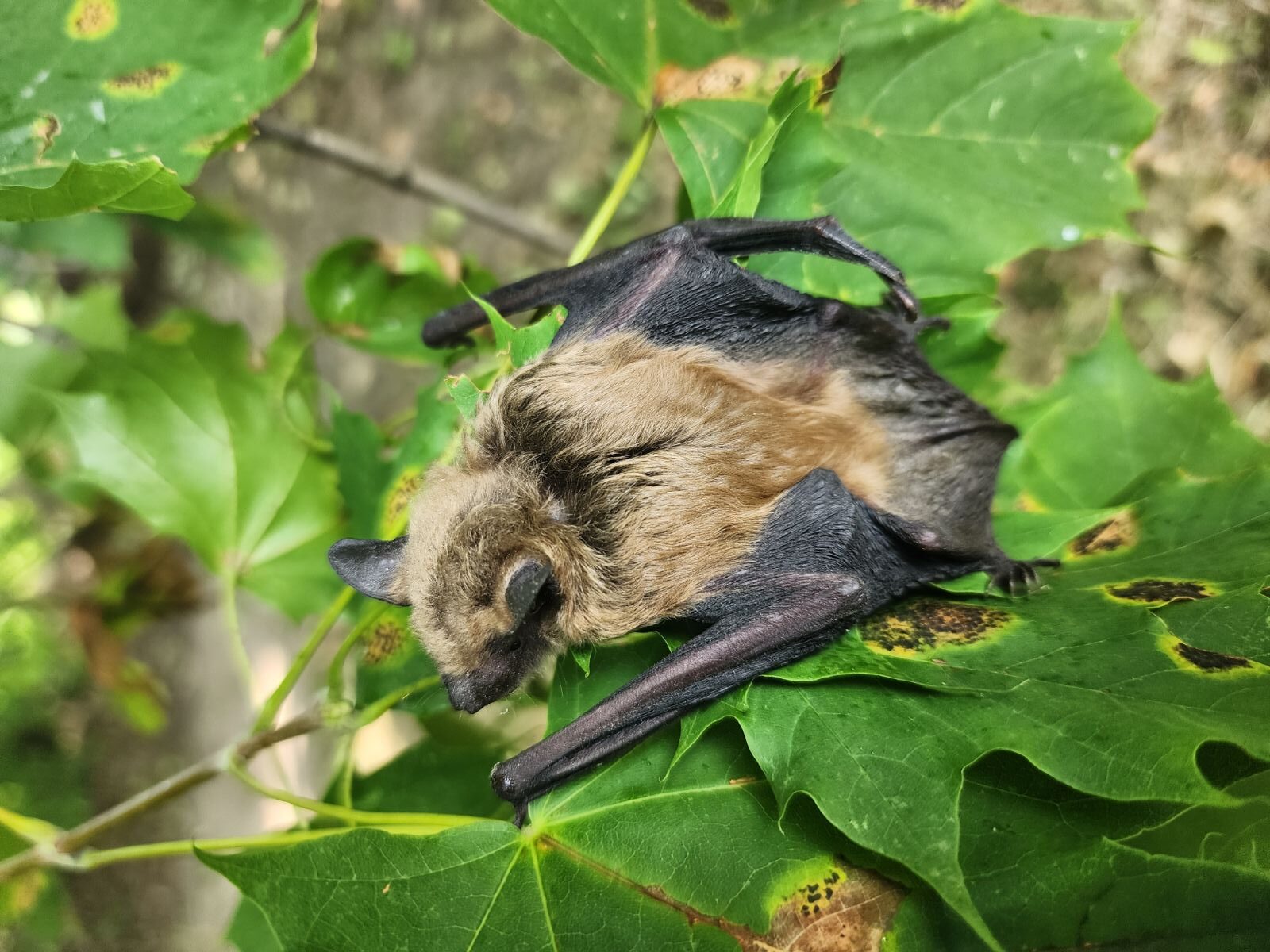
A common question from Denver residents is: Do bats hibernate in homes during the winter? This is a surprisingly common occurrence in many urban areas throughout Colorado. Denver’s unique combination of natural and man-made structures attracts local species to settle in attics, wall spaces, or chimneys as the weather turns cold. Understanding their winter behavior is crucial for keeping your property safe and supporting conservation efforts while appreciating their vital role in our ecosystem.
Let’s explore where bats go during the cold months, what draws them indoors, the potential risks of winter bat activity within your home, and how Skedaddle can help you handle any concerns—humanely and effectively.
Understanding Bat Hibernation in Urban Denver
Bats have adapted remarkably well to Denver’s mix of traditional and modern architecture. Our city’s homes provide the consistent, protected environments that these creatures seek for winter hibernation. Known as “hibernacula,” these roosting spots shelter bats from low temperatures and drastic weather changes.
The Hibernation Process
A bat’s hibernation process is unique. As fall shifts into winter and insect populations dwindle, bats search for safe places to enter a deep sleep-like state, lowering their body temperature and slowing their metabolism to conserve energy until spring. In the wild, caves or tree hollows would be ideal, but due to urban growth and significant habitat loss, the sturdiness and relative warmth of residential attics, wall cavities, and unused chimneys often lure bats indoors.
Sheltering in our homes is appealing for these critters because homes offer reliable protection from the elements. Bats are drawn to:
- Consistent indoor temperatures that remain above freezing
- Minimal disturbance from humans or pets during colder months
- Protection from predators and wind
- Easy access is provided by rooftop gaps, soffits, vents, and chimneys
As a result of their stealth nature, winter bat activity in Denver often goes undetected until spring, unless you know the signs.
Why Do Bats Choose Urban Homes for Hibernation?
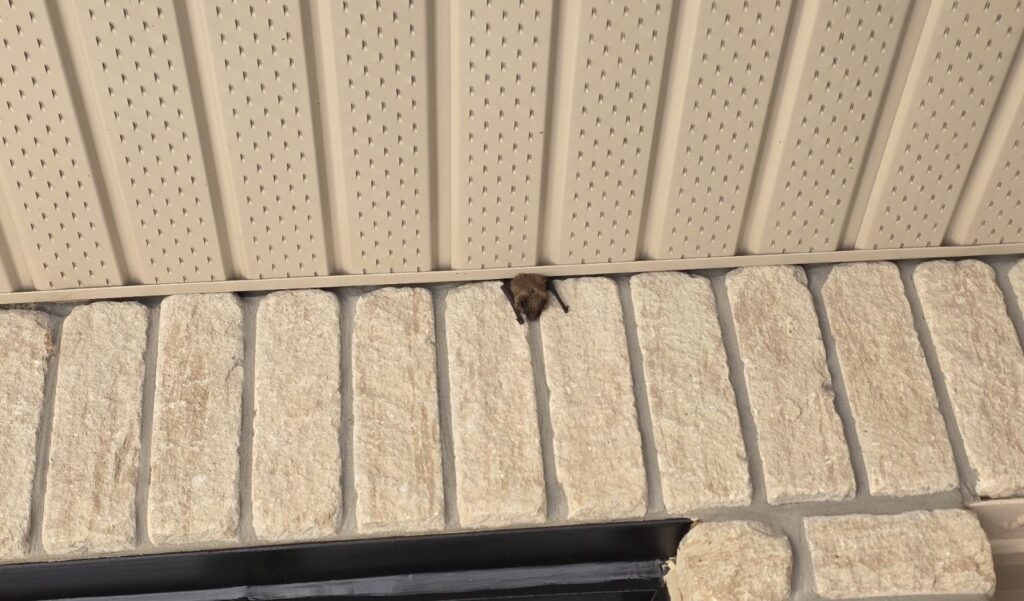
With their keen sense for shelter, bats make use of the smallest openings—often as tiny as a dime—along rooflines and siding. Once inside, they exploit unoccupied areas in attics or between walls to form winter colonies.
Several factors lead bats to urban buildings for hibernation, including:
- The loss of natural roosts from development, tree removal, or disturbances in surrounding areas like Evergreen
- Consistent, undisturbed darkness and warmth within attics, chimneys, and wall voids
- Greater stability compared to exposure in sheds or beneath bridges
- Prevalence of construction gaps and wear in older homes
With the warmth of your home acting like a protective cave, bats can remain almost completely inactive for months, making them nearly invisible guests. However, their presence can pose several risks if left unchecked.
How to Identify Signs of Bats Hibernating in Homes
Since hibernating bats stay quiet and hidden, most property owners don’t notice their presence until spring—unless they know what to look for. The first clue may come as an unexpected encounter in your living space, but there are other subtle signs:
- Small, dark droppings are scattered in attics or along wall spaces, especially where insulation is disturbed
- Stains or oily marks around small wall or fascia gaps at rooflines
- Unexplained, faint squeaking or rustling sounds during evenings
- Unpleasant odors, especially in closed or poorly ventilated areas
- Occasional sightings of a single bat indoors—often emerging from basement or attic voids
If you notice any of these signs, it’s important to act quickly. Prolonged bat occupation increases contamination from droppings and the risk of disease transmission to you and your family. Bat droppings, also known as guano, can harbor spores that, if inhaled, may cause respiratory infections such as histoplasmosis—a concern heightened by the confined spaces where bats hibernate.
Identifying these clues is valuable, but knowing when to call for expert help is crucial.
Effective and Humane Bat Exclusion Techniques
At Skedaddle, our approach to winter activity focuses on humane and lawful removal paired with extensive prevention measures. Since bats hibernate from September to April, removing a colony during this time is not only unsafe for them but often illegal, as interrupting hibernation can endanger their survival.
Here are effective exclusion techniques:
- Schedule a detailed inspection in late summer or early autumn before hibernation begins to ensure that action taken avoids harm to the bat populations.
- Locate all current and potential entry points. Our trained technicians rely on decades of experience to spot the smallest gaps, typically missed by the untrained eye.
- Install temporary one-way exclusion doors at entry spots—these allow bats to exit to feed while preventing re-entry.
- Thoroughly seal every entry and exit opening once all bats have safely vacated, using wildlife-specific exclusion sealant designed to withstand seasonal extremes.
- Remove and sanitize contaminated insulation and droppings to restore healthy air quality in your home.
The ideal window for this work is typically August through September, when pups are mature, bats are actively foraging, but before they begin their winter hibernation. Outside this period, exclusion must wait until warmer temperatures return.
Our team ensures every removal is carried out in compliance with wildlife protection laws and best practices. Protecting bats while securing your home is not only possible, but it’s our mission.
Ecological Importance and Conservation of Bats
Bats play a crucial role in Denver’s ecology, benefiting people, gardens, and local wildlife. They consume thousands of insects each night, acting as natural pest controllers and supporting the health of urban trees and plants. In turn, healthy populations help:
- Reduce the need for chemical pesticides in neighborhoods
- Support pollination and ecosystem balance
- Provide food for native predators
Unfortunately, the loss of roosting sites and misunderstandings about bats threaten their populations. Many still believe bats are universally dangerous, leading to unnecessary removal and a lack of support for conservation.
At Skedaddle, we strive to balance human needs with wildlife stewardship by promoting facts over fear. Here’s how you can support bat conservation:
- Educate others about bats’ ecological benefits and their low risk when undisturbed
- Avoid harming or disturbing colonies during hibernation and baby season
- Participate in local conservation efforts or citizen science projects
- Install bat houses on your property to provide alternative roosting options
By protecting bats, we invest in biodiversity, healthy gardens, and safer green spaces—including our iconic neighborhoods near the Rockies.
Managing Bat Hibernation Risks: Practical Steps for Homeowners
Homeowners and business operators can take precautionary measures to reduce winter bat activity and ensure both health and safety:
- Inspect your property’s exterior frequently, especially in late summer and autumn, for new or expanding gaps along the roof, soffits, and vents.
- Repair damaged screens and weatherproof vulnerable roof areas before cold weather sets in.
- Keep attic and crawlspace access points closed and well-sealed.
- Contact bat removal professionals if you see evidence of activity—never attempt remediation on your own, as direct contact is unsafe for both you and the bats.
Skedaddle’s team of wildlife technicians is highly trained to identify, safely remove, and exclude bat colonies, all while ensuring the long-term wellness of your home and the species.
Our unique process begins with a comprehensive inspection of 35–50 critical points on your property. We then develop a careful, humane exclusion plan tailored to animal behavior and seasonal needs. After removal, professional sanitation and odor remediation are performed to ensure a clean environment. Finally, all entry points are sealed using weather-tested materials for effective, long-lasting protection.
Each of these steps is backed by a lifetime warranty, keeping your home protected throughout seasonal changes—ensuring your attic remains yours alone year-round.
Ensure a Bat-Free Winter—with Peace of Mind
Denver’s unique blend of urban living and natural beauty means hibernating bats are an unexpected yet common part of local homeownership. Recognizing signs of winter bat activity and understanding their seasonal behaviors is the first step to safeguarding both your property and a thriving ecosystem. Acting quickly and knowledgeably not only prevents costly structural damage and health risks but also ensures that bat colonies are managed humanely and in accordance with conservation guidelines.
Don’t let the chilly months turn your attic into a sanctuary. Trust Skedaddle’s expert team for comprehensive inspections, safe removal, and long-term prevention—backed by years of experience and a lifetime warranty. Take control of your home’s safety and comfort today by reaching out to Skedaddle; together, we’ll protect your property and support the wildlife that makes Denver unique.

 Loading...







