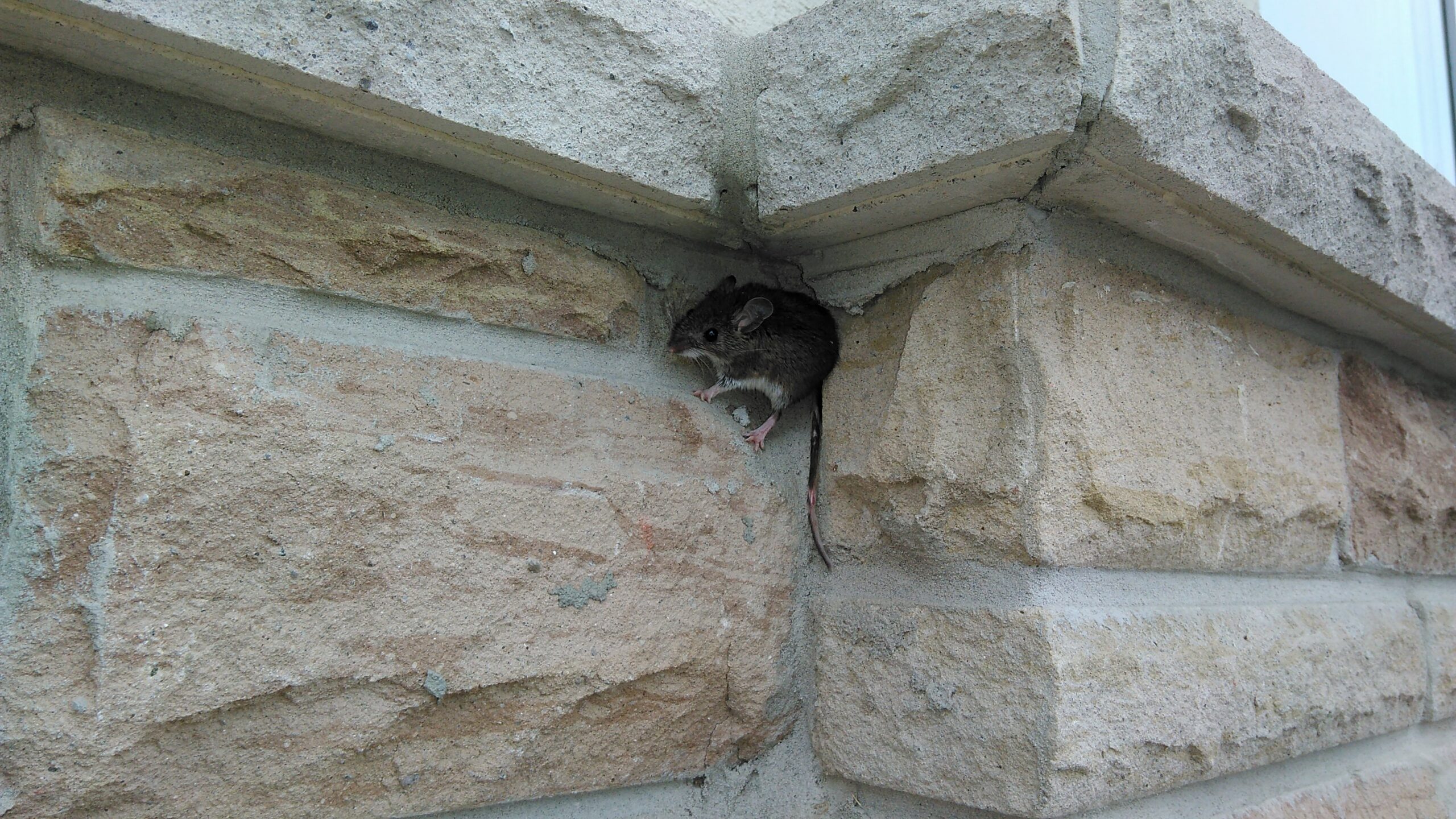
You may notice strange smells, light scratching sounds, or dusty areas that never seem to stay clean. These signs can feel small at first, especially during cold months when homes stay closed up. Because these changes happen slowly, it is easy to ignore them or assume they are not serious.
What many people do not realize is that rodent removal in Colorado is not just about removing animals. It is also about protecting your health, the air you breathe, and the spaces where you live. Risks like hantavirus can remain even after these animals are no longer seen.
You may think the danger is gone once rodents stop showing up. In many cases, the real risk stays hidden inside walls, attics, and insulation. Droppings, urine, and nesting materials can remain long after rodents leave. That is why mouse droppings cleanup and rodent contamination cleanup are so important for protecting local homes.
At Skedaddle Humane Wildlife Control in Colorado, we focus on complete solutions that remove rodents safely and reduce long-term health risks.
This guide explains how our team handles removal, cleanup, and prevention to help protect your home and your health.
Why Health Risks Remain After Rodents Are Gone
You may feel relieved when scratching sounds stop or activity slows down. However, quiet does not always mean safe. Health risks can remain long after rodents have left the space. Hantavirus spreads through tiny particles left behind, not through direct contact, which makes proper cleanup very important.
Why do health risks often continue? Here are the main reasons.
- Droppings and Urine Stay Hidden: Waste often collects in insulation, wall spaces, and crawl spaces where it cannot be seen. These hidden areas can trap particles that become airborne when air moves or repairs are made. Without professional mouse droppings cleanup, harmful contamination can stay hidden for a long time.
- Dust Carries Contaminated Particles: As waste dries, it can break down into fine dust. Heating and cooling systems can move this dust through vents and into living spaces. This can increase exposure even when you never touch contaminated areas.
- Nesting Materials Hold Moisture and Bacteria: Shredded insulation, paper, and fabric absorb waste and moisture over time. These materials allow bacteria and viruses to survive longer. Removing nesting materials safely is a key part of full rodent contamination cleanup.
- Smells Signal Ongoing Risk: Strong or lingering smells often point to deeper contamination inside walls or ceilings. Even light odours can mean waste has built up in hidden areas. Removing odours requires more than basic surface cleaning.
These risks explain why professional care is important long after rodents leave, helping protect indoor air and long-term health.
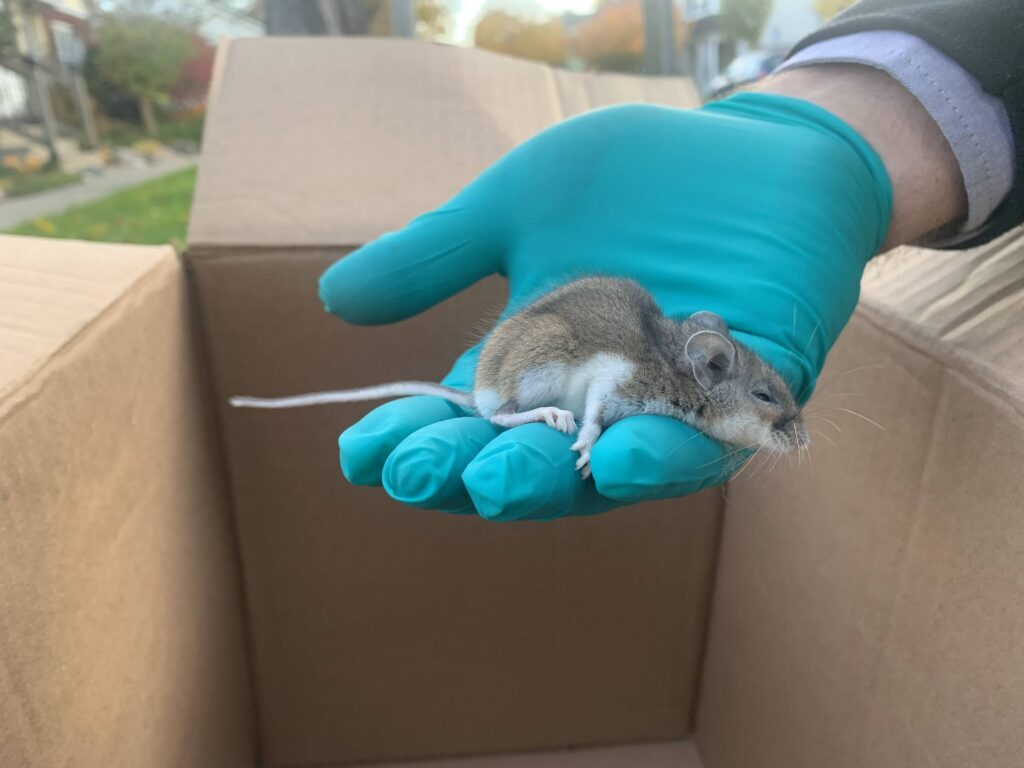
How Skedaddle Safely Clears Rodents From the Home
You may think removal is the most important step, but it is only one part of the process. Removal must be done carefully to avoid spreading contamination or creating new risks. When removal is handled the right way, cleanup and prevention can work better.
Our approach to rodent removal in Colorado includes:
- Thorough Property Inspections: Each job begins with a full inspection of the home. Entry points, nesting areas, and travel paths are carefully found. This helps address the entire problem, not just what is easy to see.
- One-Way Door Installation: Special one-way doors are placed over main entry points. These doors let rodents leave but stop them from getting back inside. This clears the home without forcing these animals deeper into walls or ceilings.
- No Poisons or Traps Indoors: Poisons and traps can create health risks inside the home. Rodents may die inside walls, causing smells and more contamination. Our methods avoid these risks by using safe, non-toxic removal techniques.
- Timed Removal for Complete Exit: Removal is timed carefully to make sure all rodents leave safely. This helps prevent separation and reduces stress. The goal is a quiet, full exit from the home.
Once removal is complete, cleanup becomes the next important step.
Why Professional Cleanup Reduces Hantavirus Risk
You may not see contaminated areas clearly, but that is what makes them dangerous. Harmful particles can hide in dust, insulation, and surfaces long after rodents are gone. Cleanup must follow strict safety steps to reduce airborne exposure.
Our professional cleanup focuses on four key steps.
- Controlled Area Preparation: Work areas are sealed off before cleanup begins. Ventilation is set up to control airflow and protect nearby rooms. This helps keep dust and particles from spreading through the home.
- Protective Equipment and Tools: Our team uses special protective gear made for biohazard cleanup. This protects both technicians and the people living in the home. The right tools also help remove materials safely.
- Removal of Soiled Insulation and Materials: Contaminated insulation and materials cannot be cleaned properly. These items are removed and disposed of safely. This step is critical for proper mouse droppings cleanup.
- Disinfection of All Affected Surfaces: All affected surfaces are treated to help remove bacteria and viruses. This reduces lingering health risks. Odours are also addressed to restore a clean indoor space.
Cleanup is not just about appearance. It is a health-focused service that protects air quality and surfaces.
How Hidden Spaces Increase Long-Term Exposure
You may spend most of your time in kitchens, bedrooms, and living rooms. However, the greatest risks often sit above or below these spaces. Hidden areas allow contamination to build slowly without being noticed.
Common high-risk spaces include:
- Attics and Ceiling Voids: Warm air rises and carries dust into attic spaces. Waste left in attics can spread through vents and gaps. This makes attic cleanup an important part of full rodent contamination cleanup.
- Wall Cavities and Utility Chases: These narrow spaces trap dust and droppings. Air movement inside walls can push particles into rooms. Without proper cleanup, exposure can continue.
- Crawl Spaces and Basements: Low airflow and moisture allow contamination to linger longer. These spaces are often ignored because they are out of sight. Professional access ensures they are fully cleaned.
- Storage Areas and Garages: Stored items can absorb odours and particles. Contamination can spread onto boxes and belongings. Cleaning these spaces helps protect both property and air quality.
Addressing hidden areas helps reduce long-term health risks throughout the home.
Why Prevention Matters After Cleanup
You may think cleanup solves everything, but prevention is just as important. Without prevention, the same gaps and weak points still exist. Stopping re-entry protects the work already done and helps prevent new contamination.
Our prevention work includes:
- Permanent Sealing of Entry Points: Small gaps are found and sealed with strong, chew-resistant materials. These repairs are built to last through weather and wear. Blocking entry points stops rodents before they get inside.
- Structural Reinforcement of Vulnerable Areas: Rooflines, vents, and foundation gaps are common access points. These areas are strengthened to reduce future entry. Reinforcement helps keep the home protected year-round.
- Monitoring High-Risk Zones: Areas with past activity receive extra attention. These zones are reinforced to prevent repeat use. This helps reduce seasonal return risks.
- Lifetime Protection Against Re-Entry: Our exclusion work is backed by a lifetime guarantee. Protection continues long after service is complete. Homes stay secure year after year.
Prevention completes the safety process and helps ensure cleanup results last.
How Skedaddle Helps Reduce Ongoing Health Concerns
You deserve peace of mind, not ongoing worry. Reducing hantavirus risk requires a full system approach. Removal, cleanup, and prevention must work together.
At Skedaddle Humane Wildlife Control in Colorado, we focus on long-term safety, not quick fixes. Our process supports cleaner air, safer living spaces, and lasting protection.
By addressing both rodents and the contamination they leave behind, we help reduce exposure risks inside your home. Cleanup removes harmful droppings and nesting materials. Sealing entry points helps stop these animals from returning. This creates a safer home for your family season after season.
Protect Your Home With Professional Support
Health risks linked to rodent activity should never be handled alone. Rodent removal in Colorado, mouse droppings cleanup, and rodent contamination cleanup require training and proper equipment. Skedaddle Humane Wildlife Control provides complete services designed to protect your home and your health.
Request an estimate today to learn how our team can help restore safety with professional care you can trust.

 Loading...







