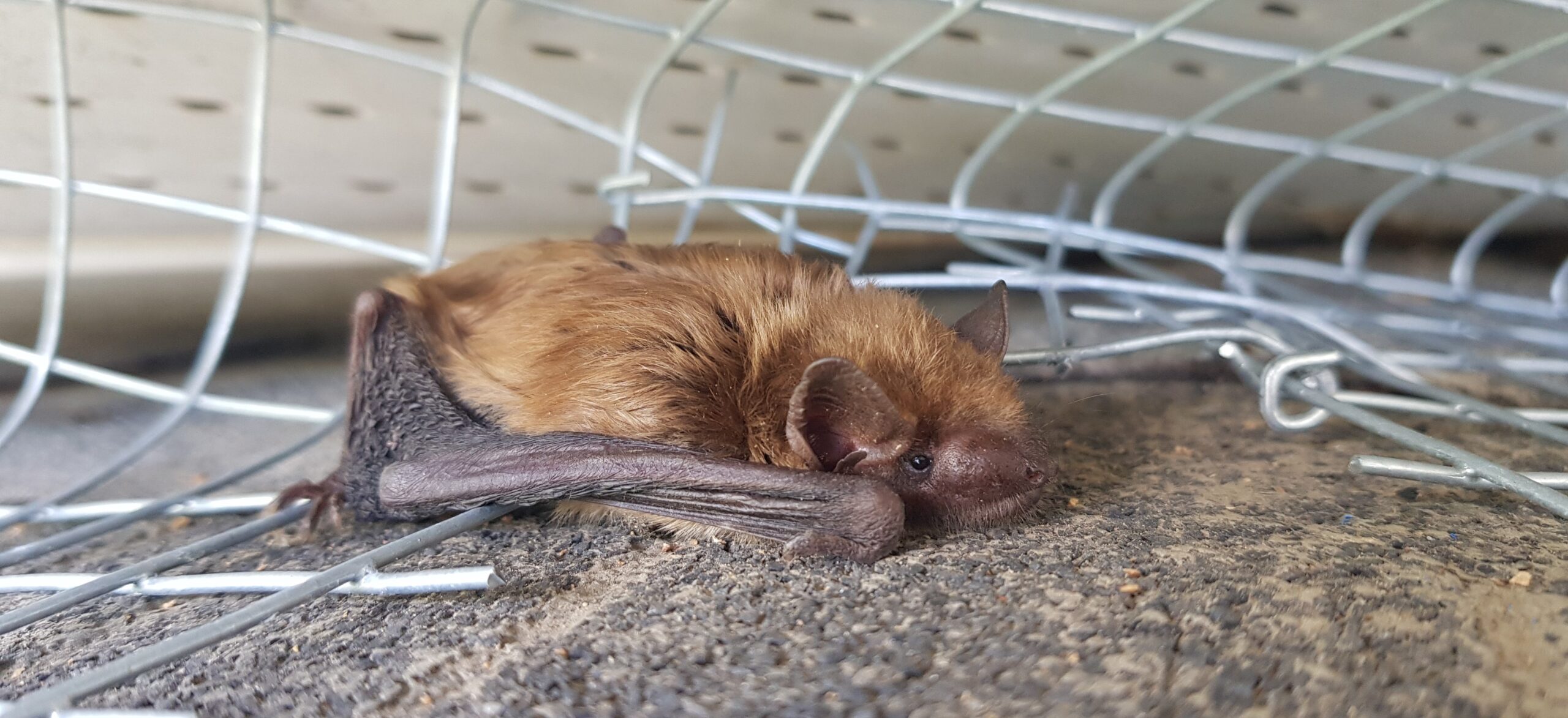
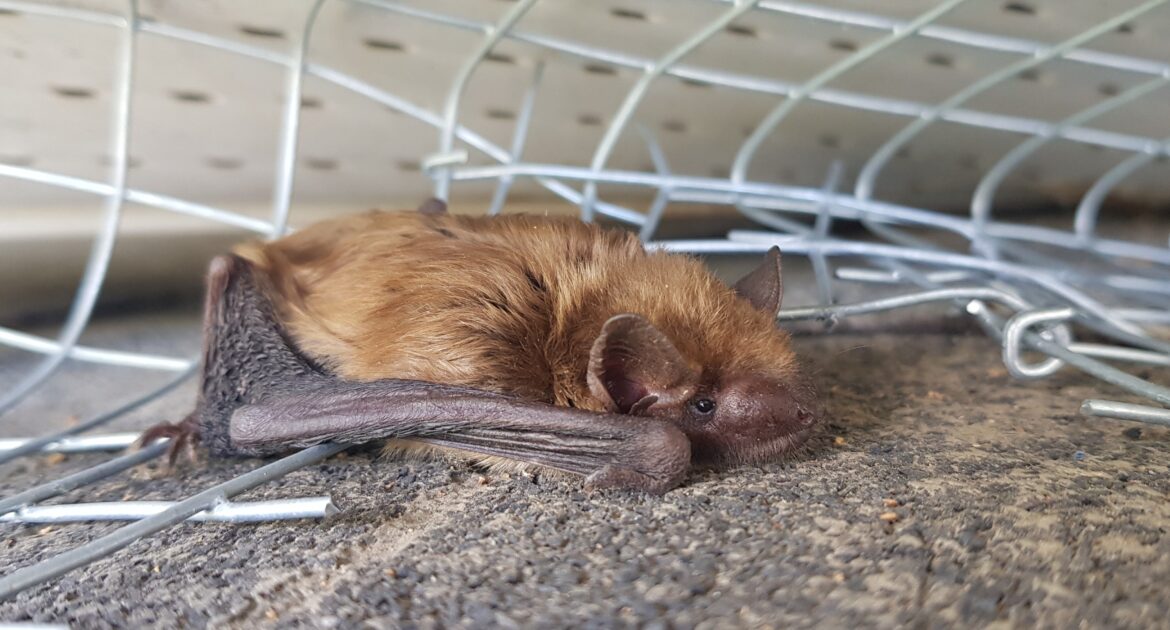
Misunderstandings about bats have fueled fear and misinformation for centuries. While it’s true that bats sometimes roost in homes, leading many Denver homeowners to feel uneasy, it’s time to separate fact from fiction. From the idea that bats carry diseases and bad luck to whether they pose significant risks to humans, we’re here to address common bat misconceptions and share actionable insights.
Our goal at Skedaddle is to help you understand the reality so you can respond with knowledge rather than fear. Read on to learn more about bats from our expert Skedaddle Humane Wildlife Control team in Denver.
Bat Myths Debunked
When we talk to homeowners about bats, we often hear the same myths repeated. Let’s break them down and reveal the truth behind these pervasive misunderstandings.
Myth 1: Bats Are Blind
The truth: Bats are far from blind. While their vision might not rival that of an eagle, most species see well, especially in low light conditions. Additionally, bats use echolocation, an extraordinary ability to “see” through sound. By emitting sound waves and listening for the echoes, they can locate objects and prey even in total darkness.
Myth 2: Bats Will Fly Into Your Hair and Get Stuck
The truth: This myth likely comes from panic during surprise encounters. Bats do not nest in hair or intentionally fly toward people. If it seems like a bat is swooping near you, it’s likely chasing an insect or trying to find a way out.
Myth 3: All Bats Have Rabies
The truth: While bats can carry rabies, the incidence is extremely low. According to the Centers for Disease Control and Prevention, only 5 to 6 percent of bats tested for rabies actually have the disease. However, to stay safe, avoid handling bats directly and contact professionals if one finds its way into your space.
Myth 4: Bats Suck People’s Blood
The truth: Out of over 1,400 bat species, only three feed on blood (and those primarily target livestock). The rest consume insects, fruit, or nectar. These small flying mammals provide crucial benefits, such as pest control and pollination.
Myth 5: Bats in the House Bring Bad Luck
The truth: This superstition likely stems from vampire myths, but it has no basis in fact. Bats in your home may indicate a structural issue, such as small openings they can use to enter. That’s something we can help you address.
Are Bats Dangerous?
If you’re a homeowner worried about safety, you’re not alone. The presence of bats in or around your home can be unsettling, but how dangerous are they really?
Disease Risks
The primary concern is the potential for diseases like rabies or histoplasmosis. Rabies can be transmitted through bites or scratches, though cases are rare. Histoplasmosis is a respiratory illness caused by a fungus in droppings (guano). To reduce risks, avoid direct contact with bats and their droppings, and always seek professional help for removal and cleanup.
Structural Damage
Bats prefer warm, dark spaces, which makes attics and walls ideal roosting spots. Over time, bat colonies can leave significant amounts of guano behind, which soils insulation and causes unpleasant odors. Repair costs can add up quickly if colonies are left unchecked.
Emotional Impact
Even if bats pose minimal physical risk, their sudden appearance in your home can be an unsettling experience. Many of our Denver clients share their initial fear, which often stems more from surprise and misunderstanding than actual danger. By addressing entry points and removing colonies humanely and effectively, we help eliminate that worry.
Common Bat Misconceptions
Beyond safety concerns, bats are often misunderstood for their role in the ecosystem and how they interact with humans. Here are some additional misconceptions to clear up.
- “Bats don’t have any positive impact on humans.”
Bats consume thousands of insects every night, acting as natural pest control. Some species even pollinate crops like avocados and bananas.
- “Bats are dirty.”
Despite living in caves or attics, bats groom themselves frequently and are typically cleaner than many assume.
- “If I see a bat outside during the day, it means something is wrong.”
Not necessarily. While bats are nocturnal, they may occasionally be seen during the day, especially if they’ve been disturbed or are searching for a new roost.
What to Do If You Encounter Bats
If you find bats around your Denver home, it’s important to remain calm and follow these steps.
- Observe from a Distance
If the bat is outdoors and not near a common entry point to your home, it’s likely just passing through. Leave it alone, and it will typically fly away during its next active cycle.
- Check for Signs of a Roost
If you see multiple bats or signs of guano near your roofline, eaves, or attic, this could indicate a colony. Look for small openings where they might be getting in and listen for any activity at dusk.
- Contact a Professional
Bats are a protected species, and removing them requires specialized knowledge and equipment. At Skedaddle, we use humane and effective techniques to exclude bats from your property without harming them.
- Address Entry Points
Once the bats have been removed, sealing entry points is critical to prevent reentry. Our team identifies even the smallest gaps and uses durable, weather-resistant materials to keep your home secure.
- Clean and Restore
Safe removal is only part of the solution. Proper cleaning and restoration of affected areas ensure that any health risks from guano are minimized, and your home is returned to its original condition.
When to Call Skedaddle for Bat Removal Services
Bats are a vital part of the ecosystem, but their presence in your home can pose health risks and cause structural damage. Knowing when to contact Skedaddle for professional removal services is crucial for ensuring a safe and effective solution. You should reach out to us as soon as you notice any signs of bat activity, such as frequent sightings of bats near your home, scratching or squeaking noises in your attic or walls, or the presence of droppings (guano) around entry points. These indicators often mean bats have established a roost in your property and require immediate attention.
At Skedaddle, we specialize in humane wildlife control and prioritize your family’s health and safety. Our team is available to assess your property, remove bats efficiently, and implement preventative measures to keep them from returning. Contact us at the first sign of concern to protect your home and ensure peace of mind.
Take Action Today for Peace of Mind
Now that you’ve learned the truth behind common bat misconceptions, you can see there’s no reason for unnecessary fear. However, ignoring the presence of bats in your home can result in costly damage and health concerns. If you suspect bats have taken up residence on your property, act quickly to address the issue.
At Skedaddle, our team is ready to help Denver homeowners protect their properties using humane, proven methods. Call us today for expert advice or to schedule a consultation. Together, we’ll ensure your space is both safe and bat-free.

 Loading...

