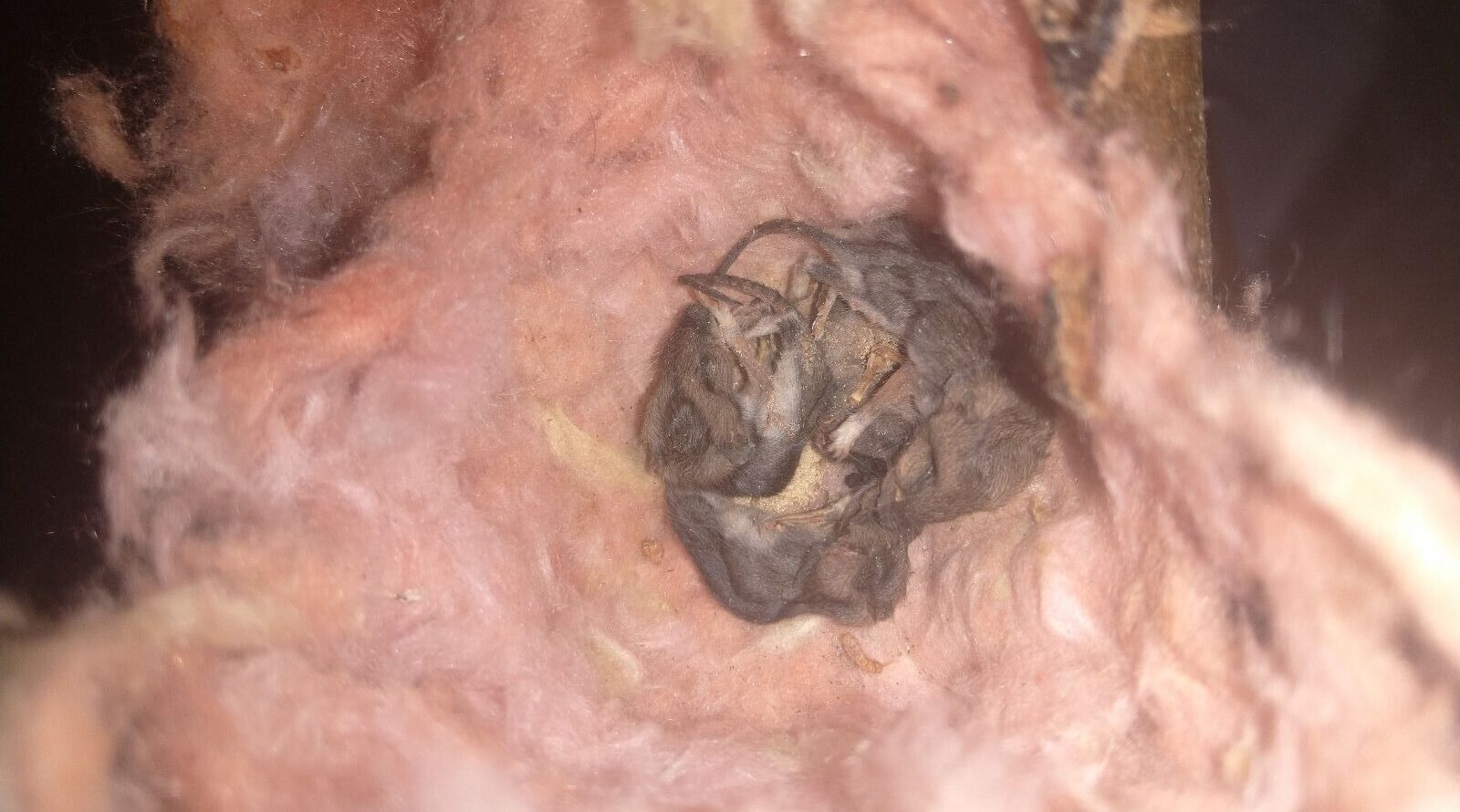
Living in Colorado means enjoying beautiful mountain views and fresh air. However, it also means sharing the environment with local wildlife. While seeing animals in nature is great, finding evidence of them inside your home is a different story. One of the biggest concerns for homeowners in our area is finding rodent droppings. This is not just a mess to clean up; it can be a serious health risk.
Many people ask, what is hantavirus? It is a serious respiratory disease found in the droppings, urine, and saliva of infected rodents. In Colorado, the deer mouse is the main carrier. When fresh or dried droppings are disturbed, virus particles can float into the air. If you breathe in these particles, you can get sick. This is why you must never sweep or vacuum droppings yourself.
Knowing the risks is the first step to protecting your family. In this blog, we will guide you through the dangers of rodent droppings, the symptoms to watch for, and how our team at Skedaddle Humane Wildlife Control in Colorado can help you handle the situation safely.
How Long Can Hantavirus Survive Indoors?
One of the first questions people ask Google when they find droppings is: “How long does hantavirus stay alive?”
The answer depends on where the droppings are found. The virus can remain active for two or three days at normal room temperature. However, in dark, cool places like basements, attics, or garages—where rodents love to hide—the virus can survive even longer. Sunlight helps kill the virus, but most infestations happen in hidden areas where the sun does not shine. This means that even old droppings found during spring cleaning can still pose a risk to your health. You should always assume that any droppings you find could be dangerous.
Identifying the Deer Mouse
Not every mouse carries hantavirus, but it is impossible to tell just by looking at them. However, in Colorado, the primary carrier is the deer mouse. It helps to know what they look like so you can be aware of the risk.
- Fur Colour: They typically have tawny or brown fur on their backs.
- Underbelly: Their feet and bellies are distinctly white.
- Tail: They have a two-toned tail that is dark on top and light on the bottom.
- Eyes and Ears: They have large, dark eyes and big ears compared to house mice.
Even if you do not see the mouse, the presence of droppings is enough to call for professional help. Because you cannot test a mouse for the virus just by looking at it, we treat every situation with the highest level of caution.
What Every Colorado Homeowner Should Know About Rodent Droppings
Finding droppings in your home is stressful. It is important to understand exactly why they are dangerous so you can make the right choices. It is not just about the smell or the mess. The real danger is invisible to the naked eye.
Here are the key facts you need to know:
- Airborne Risks: The biggest danger is not touching the droppings, but breathing near them. When droppings dry out, they can crumble. If you disturb them, tiny dust particles carrying the virus float into the air.
- Urine Matters Too: It is not just solid waste. Rodent urine also carries the virus. As it dries, it becomes part of the dust in your attic or crawl space.
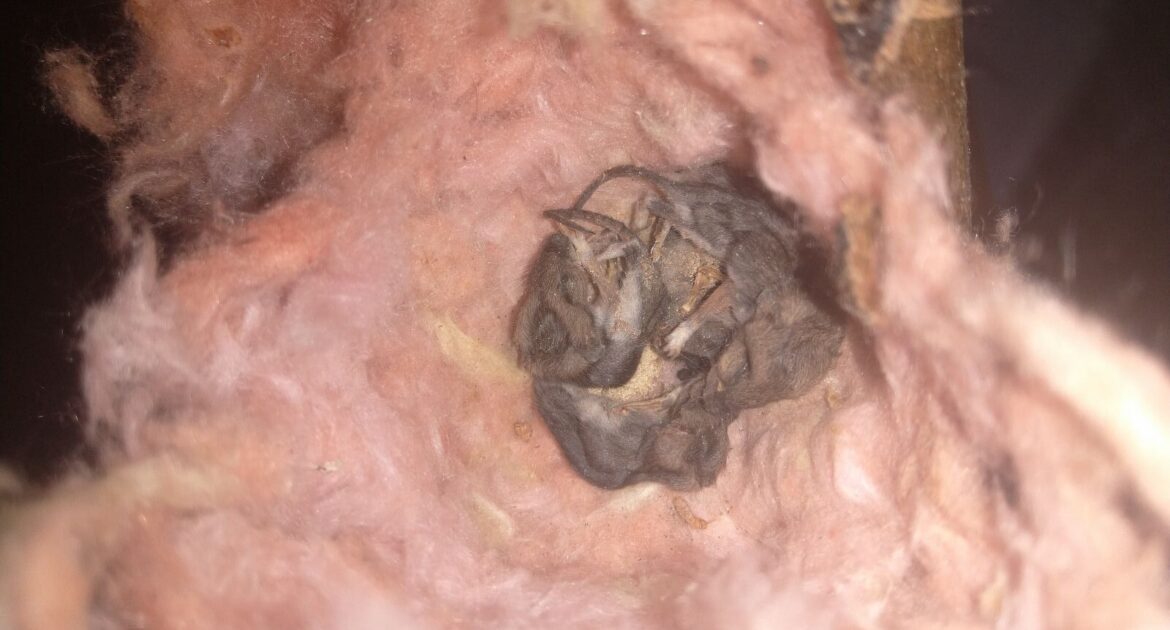
- Nesting Materials: Mice build nests out of soft things like insulation and paper. They urinate and defecate in these nests. Moving a nest is one of the most dangerous things you can do because it releases a large cloud of dust.
- No Direct Contact Needed: You do not have to touch a mouse to get sick. Simply being in a poorly ventilated room with stirred-up dust from an infestation can be enough to cause exposure.
Recognizing Hantavirus Symptoms
If you have been cleaning out a shed, garage, or attic and suspect you were exposed to rodent waste, you need to know what to look for. Hantavirus symptoms can take anywhere from one to eight weeks to appear after exposure. This long wait time can make it hard to connect the sickness to the cleaning you did a month ago.
Early symptoms often feel like the flu. You should watch out for:
- Fever and Chills: A sudden fever is often one of the first signs.
- Muscle Aches: You might feel deep muscle pain, especially in your thighs, hips, back, and shoulders.
- Fatigue: Feeling extremely tired or weak is common.
- Stomach Issues: Nausea, vomiting, diarrhea, and abdominal pain can occur in about half of all cases.
If the illness gets worse, late symptoms can become much more serious. This happens 4 to 10 days after the first signs. These late symptoms include:
- Coughing: A dry cough that does not go away.
- Shortness of Breath: Feeling like you cannot get enough air.
- Chest Tightness: A sensation that your lungs are filling with fluid.
If you have any of these symptoms and have been around rodents or their droppings, see a doctor immediately. Be sure to tell them about the potential exposure.
The Challenge of Cleaning Mouse Droppings Safely
Many homeowners think they can grab a broom and a dustpan to clean up the mess. This is the most dangerous thing you can do. Cleaning mouse droppings safely requires specific equipment and training that most people do not have.
When you sweep or vacuum, you are applying force to the droppings. This force breaks the waste apart and launches those dangerous viral particles into the air. A standard household vacuum cleaner will blow these particles right back out into the room through its exhaust. Even wearing a simple dust mask from the hardware store may not be enough to protect you from these microscopic viruses.
Because the risk is so high, we strongly advise against doing this work yourself. The health of your family is not worth the risk of improper cleanup. Our team at Skedaddle uses specialized respirators and containment systems to ensure that nothing becomes airborne during the removal process.
Why Professional Removal is Essential
At Skedaddle Humane Wildlife Control, we understand that your home is your safe place. You should not have to worry about dangerous viruses in your attic or walls. That is why we handle the dirty work for you.
We approach the problem differently than a standard cleaning crew. Our process is designed to keep you safe:
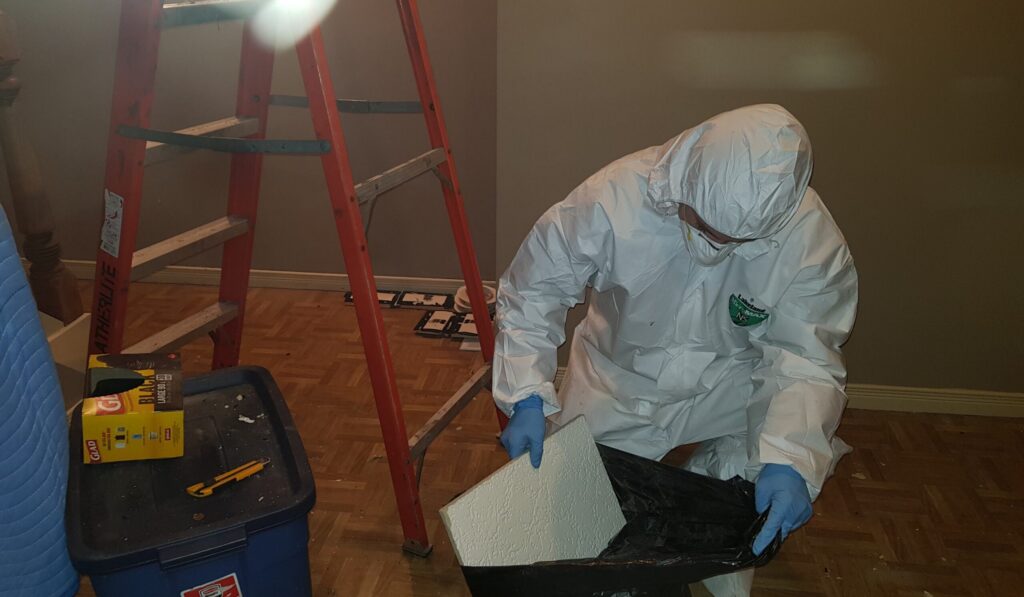
- Personal Protective Equipment (PPE): Our technicians wear full-body suits, gloves, and industrial-grade respirators. This protects us so we can protect you.
- Safe Neutralization: We do not just sweep. We use professional-grade products to spray down the droppings and nesting sites. This wets the waste, which stops dust from flying into the air. It neutralizes the area before we ever touch it.
- Contained Removal: We carefully remove the soiled insulation and droppings using equipment that contains all the waste. We take it away from your home so you do not have to deal with disposal.
- Decontamination: After the physical waste is gone, we treat the area to kill any lingering bacteria or viruses. This restores your home to a healthy state.
How We Prevent Future Problems
Cleaning up the mess is only half the battle. If you do not stop the animals from coming back, you will face the same risks again next season. Rodents are clever and can squeeze through tiny holes. A mouse can fit through a hole the size of a dime!
Skedaddle focuses on long-term prevention. We start by inspecting your home from top to bottom. We look for every crack, gap, and hole where a mouse could enter.
Once we find the entry points, we use our specialized one-way doors. These clever devices allow the animals to leave your home on their own to find food. However, when they try to come back in, the door will not open. This clears your home of animals without harming them.
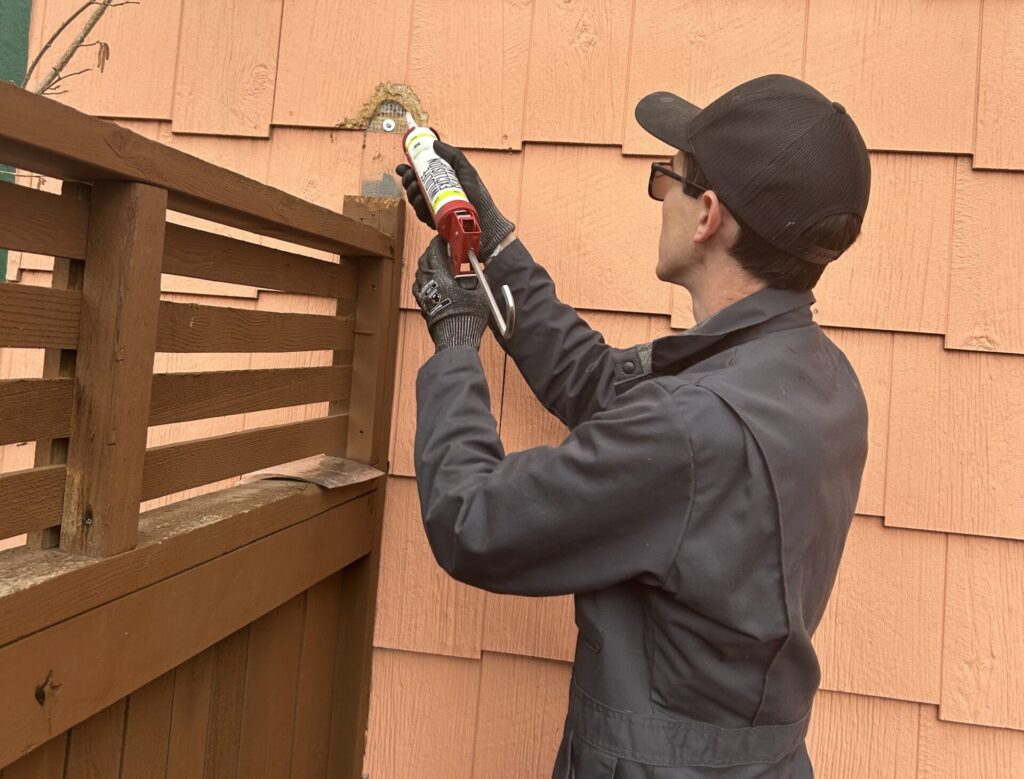
After the animals are gone, we seal up the entry points with heavy-gauge screening and wildlife-proof sealant. This locks them out for good. We want to make sure you never have to worry about what is hantavirus or rodent droppings in your home again.
Breathe Easier with Expert Help
Dealing with a rodent infestation is about more than just getting rid of the animals. It is about protecting your health and your home. Understanding what hantavirus is and the risks associated with it is crucial for every homeowner. The dangers of hantavirus symptoms and the difficulty of cleaning mouse droppings safely make this a job for professionals.
You do not have to face this challenge alone. At Skedaddle Humane Wildlife Control in Colorado, we have the tools, the training, and the experience to handle the situation safely. We will remove the health risks and seal your home to keep animals out for the future.
If you suspect you have rodents in your home, do not wait. Protect your family today.
Contact us to request an estimate and learn more about our safe removal services.
Frequently Asked Questions
Is hantavirus fatal?
Yes, Hantavirus Pulmonary Syndrome (HPS) is a very serious disease. It can be fatal. According to health officials, it has a high mortality rate. This is why professional cleanup is so important.
Do rats carry hantavirus too?
In Colorado, the deer mouse is the main carrier. However, rats can carry other diseases. It is best to treat any rodent infestation as a health hazard.
Can my pets get sick from it?
Cats and dogs generally do not get sick from hantavirus. However, they can bring infected rodents or fleas into your home. It is important to keep your pets away from rodents for your own safety.
Where are the most common hiding spots?
Rodents love quiet, dark areas. We often find them in attics, crawl spaces, inside walls, behind kitchen cabinets, and in garages. They look for places where they will not be disturbed.
How do I know if the mice are gone?
If you stop hearing scratching noises at night and do not see new droppings, they may be gone. However, the best way to be sure is to have a professional inspection. We can verify if the activity has stopped.

 Loading...







