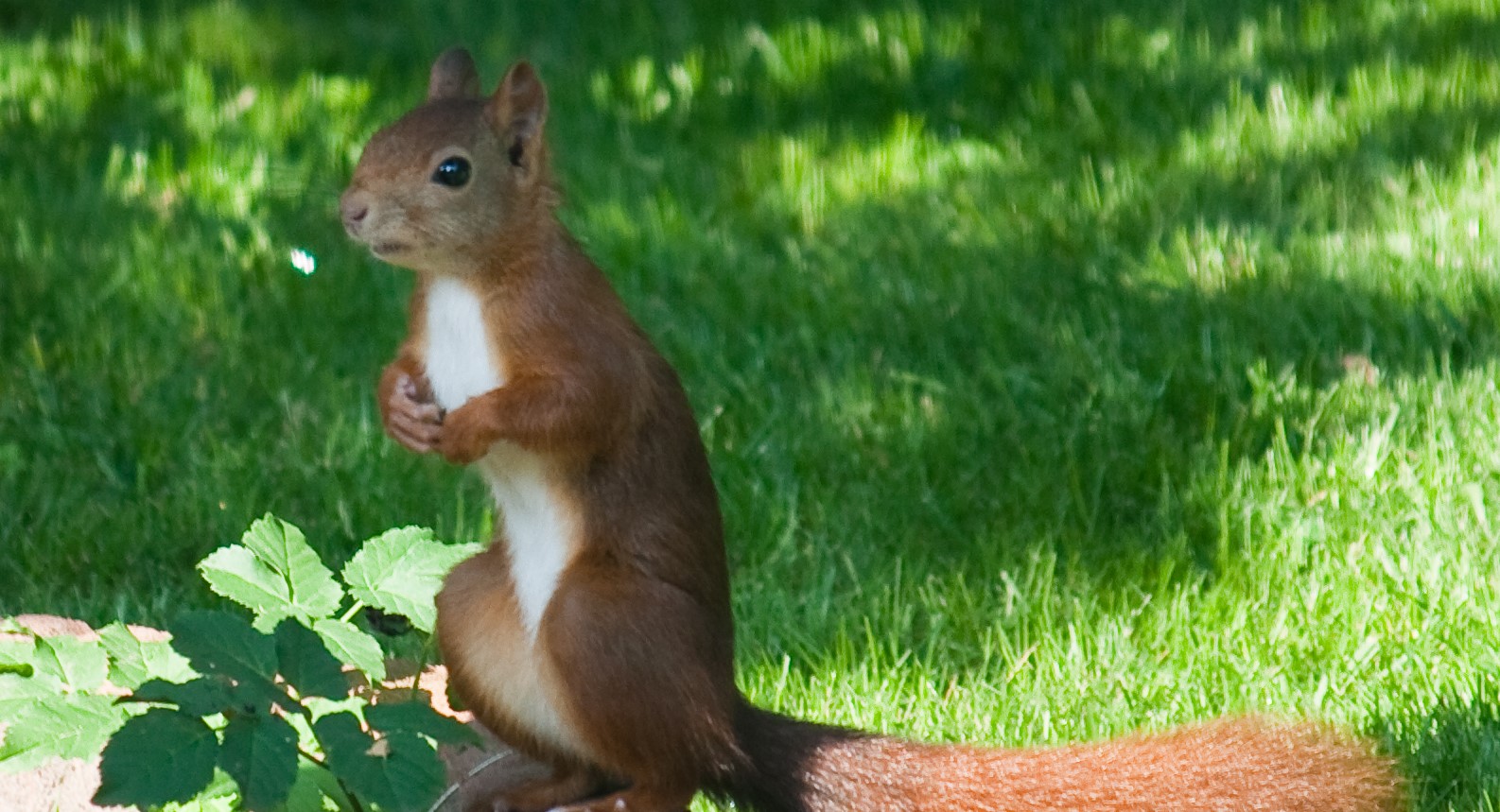
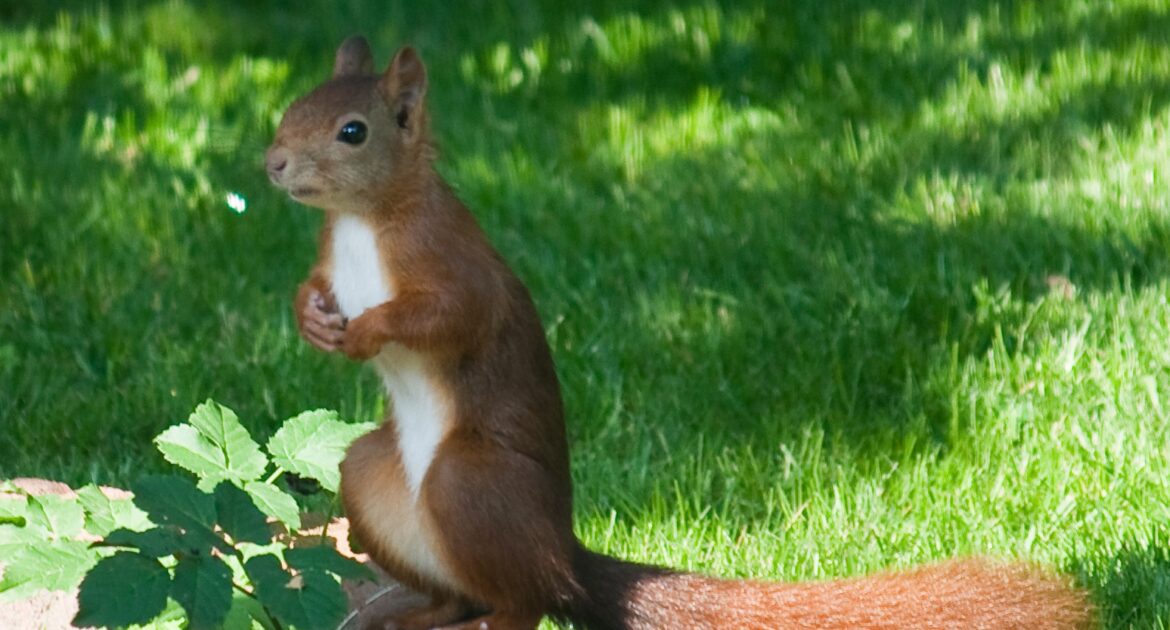
Squirrels are undoubtedly fascinating animals, but when they invade your home, the damage they can cause is far from enchanting. If you’ve noticed scampering sounds in your attic or chewed wires and woodwork, chances are you’ve got some unwelcome squirrel visitors. But which type is the most destructive? Is it the grey squirrel, the red, or the black?
When it comes to squirrel damage comparison, grey squirrels often lead the pack in creating chaos. Their natural curiosity and drive to nest make them more likely to chew through insulation, wires, and wood. Black squirrels are actually a variety of grey squirrels and show similar behaviour in terms of damage. Red, on the other hand, are typically less widespread but can still cause significant destruction when they do take up residence. No matter the type invading your home, the need for squirrel damage prevention becomes crucial to protect your space and peace of mind.
At Skedaddle Humane Wildlife Control in Durham Region, we deal with all types of squirrel nuisances. Our one-way door system ensures they exit without the chance to return. Keep reading to explore the unique habits of grey, red, and black squirrels and the different ways they can impact your home.
Grey Squirrels and Their Appetite for Destruction
Grey squirrels are among the most common and invasive species in Canada. They’ve adapted remarkably well to urban and suburban environments, which means they frequently come into contact with human homes. Their preference for attics and wall spaces as nesting sites makes them one of the worst culprits for household damage.
Why do grey squirrels cause the most damage?
- Chewing Behaviour: Grey squirrels gnaw on everything from wood to electrical wires. Their constant chewing can lead to fire risks or structural damage in your home.
- Nest Building: They strip insulation and other materials to make nests, leaving gaps in your walls or attic that reduce your home’s energy efficiency.
- Persistent Entry: Once a grey squirrel finds a way into your home, it’s determined to stay. They can widen even the smallest holes to gain access.
Red Squirrels: Small but Mighty Troublemakers
Although not as common as grey and red squirrels can still create quite the headache for homeowners. These smaller, more agile squirrels might be less destructive overall, but when they do intrude, they usually cause significant damage.
How do red squirrels stand out?
- Storage Habits: Red squirrels love to store food indoors. You might find piles of acorns or other nuts clogging up vents or chimneys, which can block airflow and create fire hazards. These food stashes can also attract other pests, like insects or rodents, making the problem even worse.
- Aggressive Chewers: Like their grey cousins, red squirrels chew constantly to keep their teeth sharp. They can gnaw on your wooden beams, siding, or even furniture, weakening the structure of your home over time. Their habit of chewing wires is particularly dangerous, as it can increase the risk of electrical fires.
- Tight Spaces: Red squirrels take advantage of their small size by squeezing into tiny gaps. Even a corner left unattended can become their entry point, giving them access to your attic or walls. Once inside, they can move through surprisingly narrow spaces to create nests and hide food.
Black Squirrels: A Familiar Twist on Grey
Did you know black squirrels aren’t a separate species? They’re actually a colour morph of grey, meaning they share most of their behaviours and tendencies. If you’re comparing grey vs red squirrels, the black type aligns almost entirely with greys in terms of activity and destruction.
How do black squirrels cause damage?
- Chewing & Gnawing: Black types have the same instinct to chew as grey squirrels, creating similar damage to wiring, wood, and structural materials in your home.
- Persistent Nesting: Like greys, black squirrels are highly determined when it comes to building roosts and will rip apart insulation to suit their needs.
Since they behave identically to grey squirrels, black squirrels can be just as much of a problem. Whether black or grey, it’s important to focus on squirrel damage prevention to stop them from becoming permanent houseguests.
Practical Ways to Prevent Squirrel Damage
Nobody likes dealing with squirrel damage, but the good news is that there are steps you can take to prevent them from gaining access to your home. Keeping these animals out doesn’t stop at patching holes; it’s about creating an environment that’s less inviting for these furry invaders.
Here are some tips for squirrel damage prevention:
Seal Entry Points: Inspect your home for gaps, cracks, or holes that squirrels could sneak through. Be thorough, as squirrels only need a small opening to squeeze their way inside. Use durable materials like caulk or steel wool to seal these entry points and make your home less accessible.
Trim Branches: Keep tree branches trimmed at least two metres away from your roof. This distance makes it harder for squirrels to jump onto your home. Regularly checking and cutting back overhanging branches can also reduce the chances of roof damage from storms.
Secure Food Sources: Keep bird feeders well away from your home, as they’re a major attractant for squirrels. Place feeders at least 10 feet from your house, and opt for ones designed to deter squirrels. Sealed garbage bins not only keep squirrels at bay but also prevent other wildlife from scavenging.
Install Steel Mesh: Cover vulnerable areas like vents with heavy-duty steel mesh to prevent wildlife entry. This simple barrier can block curious animals while still allowing airflow. It’s especially useful for chimney openings, which are common entry points.
Regular Maintenance: Routine inspection and repair of your home’s exterior can help deter entry. Check for loose shingles, damaged soffits, or rotting wood that might make it easier for squirrels to get in. A little upkeep now can save you from bigger problems later.
Why You Should Always Address Damage Right Away
Leaving squirrels unchecked can lead to long-term headaches for homeowners. Chewed wires are not only costly but dangerous, potentially sparking a fire. Damaged insulation results in higher energy bills due to heat escaping during the winter and cool air in the summer. Beyond the physical destruction, squirrels carry diseases and parasites that could put your family at risk.
Taking action promptly not only saves you money but also ensures your home remains a safe and comfortable space. Wildlife removal specialists, like ours at Skedaddle Humane Wildlife Control in Durham Region, are equipped to handle the situation professionally while respecting the needs of the animals.
Time to Act on Squirrel Removal
When it comes to squirrel damage comparison, grey squirrels are often the most destructive. However, red and black squirrels can also wreak havoc if they find a way into your home. Whether it’s gnawed wires, stripped insulation, or ruined woodwork, all types of squirrels are capable of causing significant harm.
If you’ve noticed signs of a squirrel problem, don’t wait. Skedaddle Humane Wildlife Control in Durham Region can help you regain control of your home safely and effectively. Our trained professionals use one-way doors to remove squirrels humanely and prevent their return.
Request an estimate to learn more about keeping your home wildlife-free. Protect your property now and take the first step toward a damage-free living space!

 Loading...







