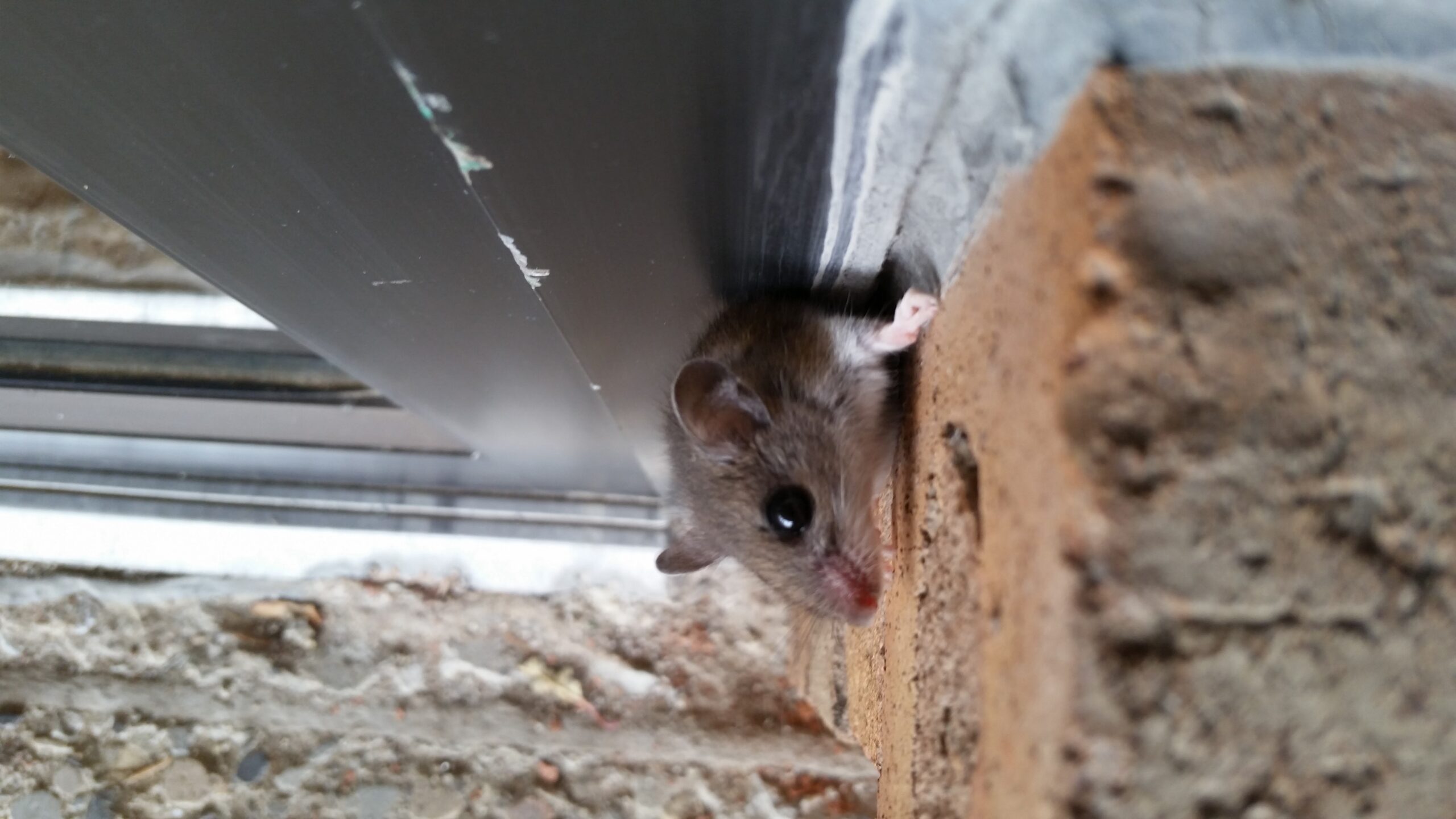
This time of year, winter brings cozy routines, comfort foods, and, unfortunately for many Durham homeowners, the challenge of keeping mice out of the pantry. As temperatures drop across Ontario and winter settles in with frost, snow, and frequent freeze-thaw cycles, mice are quick to look for reliable shelter and easy food. If they catch the scent of flour, sugar, grains, pet food, or other pantry staples, your kitchen can become a target fast. Nothing disrupts an ordinary winter evening like realizing rodents have helped themselves to your food storage.
We understand how important it is to protect your pantry and how stressful it can feel when mice show up in the kitchen during winter. Below are practical, effective steps to safeguard your ingredients and help you maintain peace of mind all season long.
Why Mice Target Pantries During Durham’s Winters
Unlike the milder, wetter winters on the West Coast, Durham Region experiences colder Ontario conditions: longer cold spells, snowfall, and repeated freeze-thaw cycles. When outdoor shelter and food become harder to find, mice naturally push indoors for warmth and reliable calories, making kitchens and pantries one of their most attractive destinations.
Common reasons pantries become a mouse “hot spot” in winter include:
- Greater urgency to get inside: Cold snaps and storms increase pressure to find shelter fast.
- Concentrated food sources: Dry goods are calorie-dense and easy to nibble and carry.
- Small entry points: Mice can squeeze through gaps as small as a dime—often around foundations, utility lines, garage doors, and exterior vents.
Rodent activity isn’t just a nuisance. It can lead to food contamination, unpleasant odours, and damage to wiring, insulation, and stored items. Prevention is always easier than dealing with a full infestation.
Physical Barriers and Rodent-Proofing for Ontario Conditions
Rodent-proofing isn’t only about plugging obvious holes. It’s about identifying every place a mouse could enter and removing opportunities for shelter. In Durham, freeze-thaw cycles can expand tiny cracks, and shifting materials around foundations, doors, and vents can create access points over time.
Reliable strategies include:
- Seal gaps and cracks around doors, windows, baseboards, and exterior penetrations using heavy-gauge steel mesh and professional-grade sealants.
- Secure vents and openings (including attic and wall vents) so climbing mice can’t use them as entry points.
- Upgrade pantry storage: Keep flour, sugar, cereal, grains, and pet food in rigid, airtight containers. Cardboard and thin plastic bags are easy to chew through.
- Clean up food debris daily, especially under appliances and around pet bowls, recycling, and pantry shelves.
If you’re unsure where mice are getting in, Skedaddle technicians can provide a thorough property assessment, checking the perimeter, foundation, attic spaces, and less obvious access points, then sealing vulnerabilities using proven materials built to last.
Smart Storage: Protecting Your Pantry Staples
Winter mouse prevention improves dramatically when food isn’t easy to access. These habits reduce scent, reduce mess, and eliminate “easy wins” for rodents:
Use sturdy glass or metal containers with tight-fitting lids for flour, sugar, oats, rice, cereal, and baking supplies. Rotate pantry stock to avoid forgotten items that can become nesting zones or food sources. Keep shelves and bins slightly away from walls to eliminate hiding spaces and make cleaning easier. Store strong-smelling items (like nuts, dried fruit, chocolate, and pet treats) higher up and away from floor-level edges. Dispose of expired food promptly.
Also, keep surfaces and tools clean. Wipe down counters, mixers, and measuring tools after use. Small residues and crumbs can encourage repeat visits.
Signs of Mouse Activity And What to Do Next
Even with strong prevention, mice can still find their way into Durham homes during winter. Early action prevents a small issue from becoming widespread.
Watch for:
- Small, dark droppings in pantry corners or behind containers
- Chew marks on packaging, cardboard, or soft plastic
- Rub marks along baseboards or near small openings
- Scratching or scurrying sounds, especially at night
- A sharp ammonia-like smell in enclosed spaces
If you see one sign, it often means there’s more activity somewhere else. Wall voids, basements, crawl spaces, garages, or attics are common winter nesting areas.
Skedaddle’s Humane Mouse Removal and Exclusion
At Skedaddle, we believe mouse control should be humane, effective, and tailored to your home. Many quick fixes focus on removing the mice you see, but long-term results come from identifying how they got in and stopping re-entry.
Our process includes:
- A full inspection inside and outside the home
- Identification of entry points such as foundation cracks, utility lines, and vent gaps
- Installation of one-way doors that allow mice to exit safely while preventing re-entry
- Professional sealing of gaps using durable materials suited to Ontario’s seasonal conditions
- Cleanup guidance and recommendations to reduce contamination and odours
With decades of experience, our teams know what to look for and how to build a plan that protects your home through the winter and beyond.
Keep Your Home Protected All Winter Long
Winter in Durham makes indoor shelter and food especially attractive to mice. By combining pantry organization, airtight storage, consistent cleaning, and professional-grade exclusion, you can dramatically reduce the risk of rodents contaminating your food and settling into your home.
If you’re dealing with mice or want to prevent them before they become a problem, Skedaddle can help with a thorough inspection and a humane, lasting solution. With the right approach, your pantry stays protected, your kitchen stays comfortable, and winter stays focused on the things that matter.

 Loading...