Summer is a busy time for Durham businesses — and not just because of customers. As temperatures rise across the Durham Region, animals like raccoons, squirrels, birds, and rats become far more active. They’re searching for food, water, and shelter. And your commercial building may be offering all three.
So, is your business truly animal-proof heading into the warmer months? The honest answer for most business owners is: probably not. Many buildings have small gaps, exposed vents, or overflowing bins that make them easy targets. The good news is that our professional animal-proofing can stop problems before they start.
At Skedaddle Humane Wildlife Control in Durham, we specialize in providing comprehensive and humane solutions to protect your commercial property from wildlife intrusions. In this blog, we walk you through exactly how our professionals prepare commercial properties for summer — and why getting it done right matters for your business, your employees, and your customers.
What Draws Animals to Commercial Buildings?
This is one of the most common questions we hear from business owners — and the answer is simple: your building offers exactly what animals are looking for.
Commercial properties are full of appeal. Dumpsters and food waste attract raccoons and rats. Flat rooftops and open vents create perfect nesting spots for squirrels and birds. Loading docks, gaps in foundations, and poorly sealed entry points let small animals slip inside with ease. Warehouses, restaurants, and office buildings are especially vulnerable because they tend to have more entry points, more food sources, and more warm, sheltered spaces.
Summer makes all of this worse. Animals are more active. Baby animals born in the spring are now on the move. And the warmer weather means more outdoor activity near your building — which increases the chances of an unwanted encounter.
How Professionals Wildlife-Proof Your Business for Summer
When we inspect a commercial property, we’re looking at your building the way an animal would. Every small gap, damaged vent, or overgrown shrub is a potential invitation. Here’s a breakdown of what our professional animal-proofing actually involves.
Inspecting and Sealing Entry Points
Your building has more potential entry points than you might think. Mice can squeeze through a gap the size of a dime. Squirrels and raccoons can force their way through damaged rooftop vents or loose soffits. During our professional inspection, our team checks:
- Gaps around doors, windows, and utility lines.
- Cracks in foundations and exterior walls.
- Roofline damage, broken vents, and open chimneys.
- Loading dock doors and garage entrances.
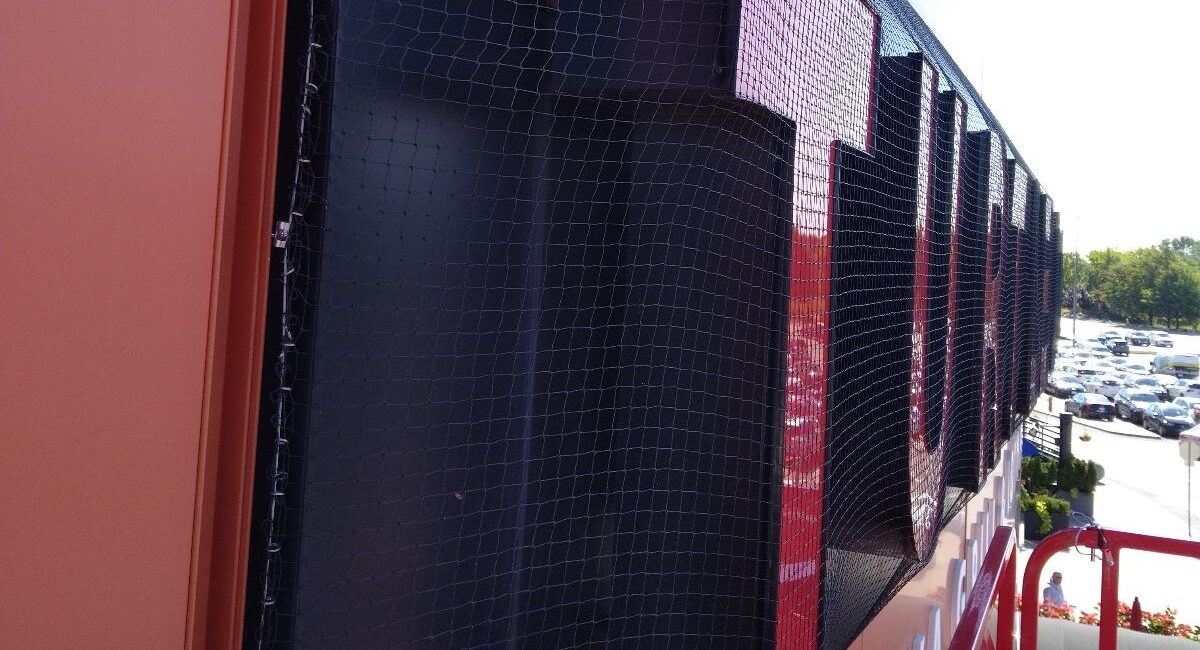
Once entry points are identified, we seal them using our professional-grade materials built to hold up against persistent animals. This is one of the most important steps — and one that’s easy to miss without a trained eye.
Installing One-Way Doors
If animals have already made their way into your building, we install one-way doors to remove them humanely. These special devices let animals leave the space on their own but prevent them from getting back inside. The animals exit naturally while searching for food or water. Once they are out, they cannot re-enter the building.
This method is safe for both the animals and your property. It avoids the need for trapping or handling wildlife directly. The process allows animals to return to their natural environment without harm. At the same time, it helps keep your workplace calm and undisturbed.
After the animals leave, our team seals the entry points they used to get inside. We repair gaps, holes, or weak spots so animals cannot return later. This final step is very important because it stops future infestations before they start. The result is a clean, humane, and long-lasting solution that protects your business.
Securing Waste and Food Sources
One of the biggest attractants for animals at commercial properties is easy access to food. Overflowing dumpsters, unsecured bins, and food scraps left outside are like an open invitation. Our professionals assess your waste management setup and identify changes that reduce the risk of attracting animals in the first place.
You can support this process by:
- Using tightly sealed, animal-resistant bins.
- Scheduling regular waste collection to prevent overflow.
- Ensuring outdoor eating areas and loading zones are kept clean.
Cutting off the food supply is one of the most effective long-term prevention strategies available
Addressing Landscaping and Exterior Conditions
The area surrounding your building plays a bigger role than most people realise. Overgrown trees, dense shrubs, and piles of debris all give animals places to hide, nest, and access your roof. During a professional site assessment, we look at:
- Tree branches that overhang or touch the roofline.
- Dense vegetation along the building perimeter.
- Debris piles, stored equipment, or unused materials near walls.
Trimming back overgrowth and clearing clutter removes the shelter and access points animals rely on. It also makes your property look more our professional — an added bonus for any business.
Protecting HVAC, Roof Vents, and Chimneys
Roof areas are one of the most common entry points for animals in the Durham Region. Birds nest in open vents. Raccoons access attics through damaged fascia boards. Squirrels chew through roof vents to get inside. Our team inspects and protects these vulnerable spots by:
- Installing heavy-duty vent covers and chimney caps.
- Checking HVAC systems for signs of nesting.
- Identifying and sealing any roof-level gaps or damage.
This is particularly important heading into summer, when animals are most active and looking for safe places to raise their young.
Wildlife in the Durham Region: What You Need to Know
The Durham Region’s unique climate and environment play a significant role in the prevalence of wildlife disturbances in residential and commercial spaces. With cold winters and warm, humid summers, buildings face seasonal challenges that increase their vulnerability to animal intrusions. For instance, freezing temperatures can cause cracks or gaps in rooflines and foundations, while the summer heat often drives animals to seek shelter in cooler spaces like attics and basements.
Local building styles in the region, such as homes with gable roofs, dormers, and older brick or wood siding, provide numerous access points for common wildlife such as raccoons, squirrels, and birds. Regional regulations protecting native species and managing wildlife interactions must also be carefully adhered to, ensuring humane and compliant practices.
Seasonal challenges include spring breeding periods, when birds and squirrels are especially active in building nests in vents or soffit gaps, and autumn, when animals begin searching for warm spaces to overwinter. Properties in the Durham Region often face recurring issues like chewed eavestroughs, damaged fascia boards, and blocked chimneys, making proactive and tailored prevention strategies essential.
Understanding these local factors enables our team to deliver customized, effective wildlife control solutions specifically designed for homes and businesses in the Durham Region. By addressing these regional nuances, we ensure long-lasting protection for your property while supporting humane and environmentally-conscious practices.
Wildlife Prevention with Skedaddle Humane Wildlife Control
Prevention is always better than removal. Our professional animal-proofing visit before summer begins helps protect your business from wildlife problems. Our team at Skedaddle Humane Wildlife Control in Durham provides detailed commercial inspections that check your entire property, inside and out. This helps us find small entry points and risk areas before animals move in.
Wild animals often look for quiet, sheltered places to build nests or find food. Rooflines, vents, soffits, and small gaps in a building can give them easy access. During an inspection, our team looks for these weak spots and recommends ways to seal them safely. This reduces the chance of animals getting inside your building later.
You also don’t have to wait until a problem becomes obvious. If you notice droppings, scratching sounds in walls or ceilings, or damage around your roofline, these can be early warning signs. Calling early makes the issue easier to handle and helps prevent larger problems. And if you haven’t noticed anything yet, a proactive inspection helps keep your property protected.
Frequently Asked Questions
What animals are most commonly found in Durham commercial buildings during summer?
Raccoons, squirrels, mice, rats, and birds are the most common animals our team encounters at Durham commercial properties. Each one presents different risks and requires different exclusion methods.
How do I know if animals have already gotten into my building?
Signs include scratching or scurrying sounds in walls or ceilings, animal droppings near entry points, chewed wires or insulation, unusual odours, and visible damage around vents, soffits, or rooflines. If you notice any of these, contact our professionals right away — do not attempt to handle droppings or nesting materials yourself.
How long does a commercial animal-proofing service take?
It depends on the size of your property and the number of entry points identified. Most commercial inspections can be completed in a single visit, with follow-up work scheduled as needed.
Can animals cause structural damage to my building?
Yes. Raccoons can tear apart insulation and fascia. Squirrels chew through electrical wiring, which can be a serious fire hazard. Birds cause damage with acidic droppings that corrode roofing materials and signage. The longer an infestation goes unaddressed, the more costly the repairs become.
Is it safe for my staff and customers during the proofing process?
Absolutely. Our methods are designed to be minimally disruptive to your business operations. We work efficiently and communicate clearly throughout the entire process.
Protect Your Business Before Summer Gets Busy
Wildlife can quickly become a big problem for your business if left unchecked. Animals like squirrels, raccoons, or birds can cause serious damage to your building, putting your investment at risk. They may chew through wires, damage insulation, and create entry points for other pests. On top of that, wildlife can bring health issues into your space, which could affect you, your employees, and your customers.
Taking action before summer is the best way to stay ahead of these risks. At Skedaddle Humane Wildlife Control in Durham, we understand how important your business is to you. That’s why we focus on providing safe, humane, and effective solutions to protect your property.
Don’t wait for wildlife to become a costly issue—plan ahead. Our team is here to help you create a strong, lasting defense against unwanted animals. Simply request an estimate today, and we’ll take a close look at your property to find the best protective measures for you. Your business works hard; make sure your building is ready to work just as hard this summer. With Skedaddle Humane Wildlife Control, you can keep your business safe, healthy, and running smoothly.

 Loading...