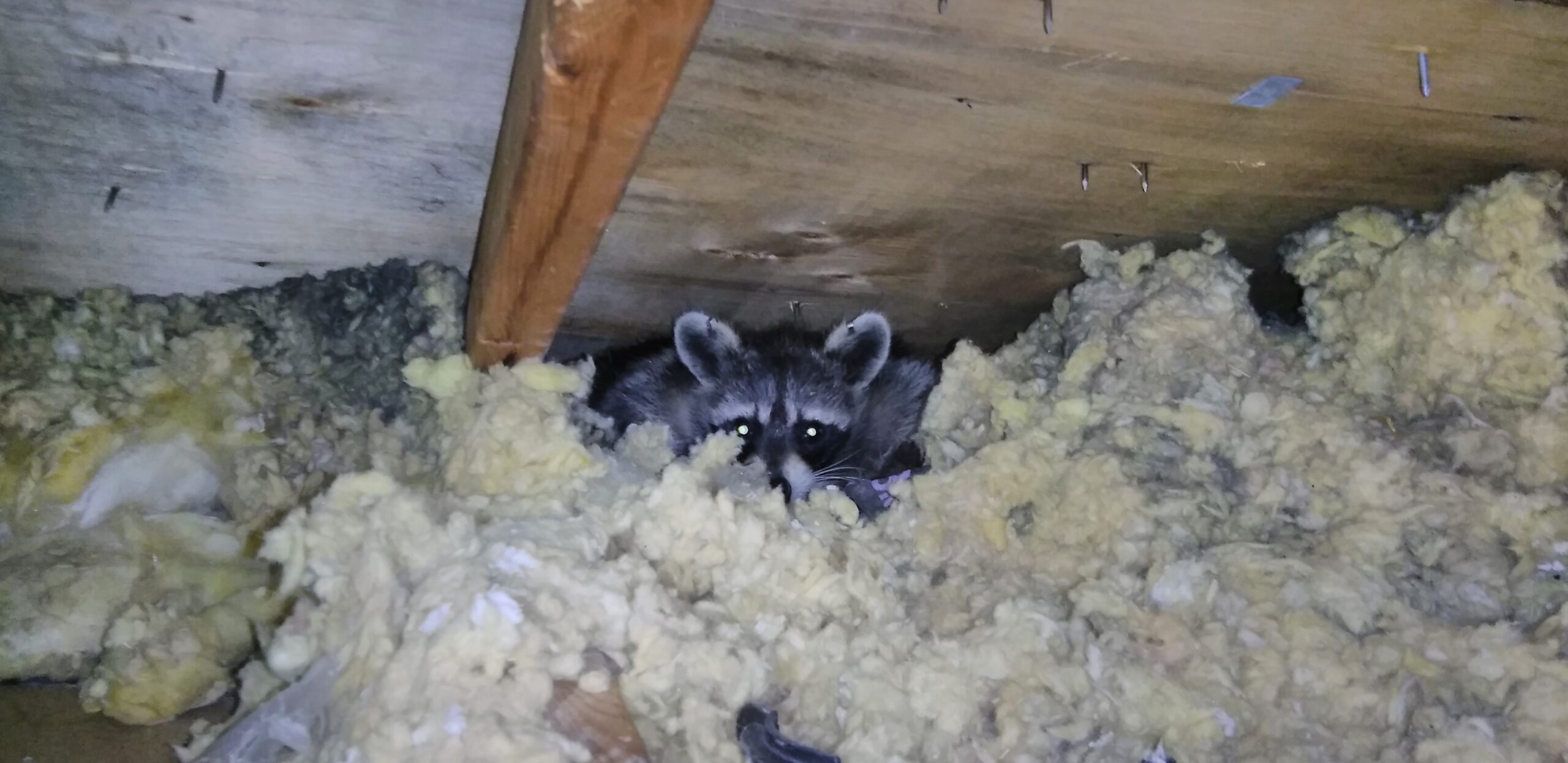
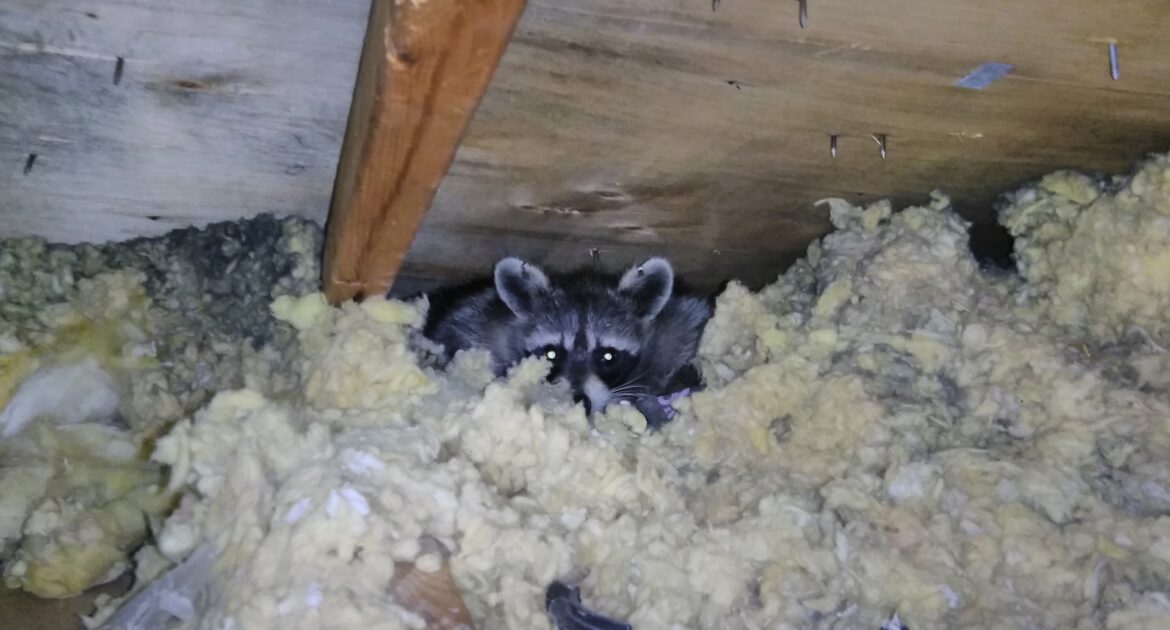
You hear a noise overhead late at night. A scratch. A thump. Maybe it stops, so you tell yourself it can wait. But when animals settle into your attic, waiting is exactly what causes problems to grow.
You may not see what is happening above your ceiling, but the dangers of wildlife in the attic can quickly affect your home. From attic wildlife damage to serious health risks of attic animals, these situations do not stay small. They spread, they worsen, and they become more expensive the longer they go on.
You need to understand what is at risk before damage reaches living spaces. In this blog, we explain the real dangers of allowing wildlife to live in your attic, why these issues escalate fast, and why our professional attic control matters.
Skedaddle Humane Wildlife Control in Durham helps homeowners deal with these situations safely, humanely, and thoroughly before the damage becomes overwhelming.
Structural Damage That Grows Over Time
You rely on your attic to protect the structure of your home, not slowly wear it down. When animals move in, they treat insulation, wood, and vents as nesting material. They pull, chew, and shift materials to create space. This kind of damage does not stop on its own and often spreads the longer animals remain inside.
Insulation is usually damaged first. Animals tear it apart or press it down to build nests. Once insulation is broken or packed flat, it can no longer hold heat in winter or keep cool air inside during summer. This causes uneven temperatures and higher energy bills. Wood supports and roof decking may also be chewed, weakening parts of the structure over time.
You may not notice this damage right away. Rooms may start to feel drafty, or your home may struggle to stay comfortable. In more serious cases, ceilings can stain or sag as materials above them fail. Structural damage is one of the most common dangers of wildlife in the attic, and it almost always gets worse without our proper professional intervention.
Fire Hazards Caused by Chewed Wiring
You do not expect a fire risk to start in the attic, but it happens more often than people realize. Many animals chew constantly to keep their teeth worn down. Electrical wiring becomes an easy target.
When wires are chewed, the protective coating is stripped away. Exposed wiring can spark, overheat, or short out. This creates a serious fire hazard above your living space.
Fire risks linked to attic activity include:
- Exposed Electrical Wires: When animals chew through wires, the protective coating is removed. This leaves bare wiring exposed inside the attic. Exposed wires can touch wood, insulation, or metal, which increases the chance of sparks. Because this damage happens out of sight, it often goes unnoticed for a long time.
- Hidden Damage that Goes Unnoticed Until It Is Severe: Most attic wiring damage cannot be seen from inside the home. You may not notice a problem until lights flicker, breakers trip, or a fire starts. By the time warning signs appear, the damage is often already extensive. This hidden risk makes attic-related fire hazards especially dangerous.
You may never smell smoke or see warning signs until a serious event occurs. Fire hazards are one of the most dangerous outcomes of attic wildlife damage and one of the hardest to detect early.
Health Risks That Affect Your Family and Pets
You assume the danger stays in the attic, but air moves freely through your home. Droppings, urine, and nesting debris do not stay contained above the ceiling.
The health risks of attic animals are a major concern. Waste can carry bacteria, parasites, and airborne spores. These contaminants can enter your living space through vents and small openings.
Common health risks include:
- Air Quality Issues Caused by Contaminated Insulation: When insulation becomes soaked with waste, it stops working the way it should. Odours and particles can move through vents and small gaps into your living space. This can make the air feel stale, musty, or hard to breathe. Poor air quality often affects sleep, comfort, and daily life before people realize the attic is the source.
- Parasites like Mites or Fleas Spreading into Living Areas: Animals often carry tiny parasites that do not stay where they start. These pests can travel through walls, ceilings, and vents into bedrooms and common areas. Once inside, they may bite people or pets and become hard to control. Their presence can continue even after the animals are gone if the attic is not properly addressed.
- Illness Linked to Exposure from Waste and Nesting Debris: Droppings and nesting materials can carry harmful bacteria and spores. These particles can become airborne and move through the home without being seen. People may experience coughing, headaches, or allergy flare-ups without knowing why. Long-term exposure can increase health risks, especially for children and older adults.
You do not need direct contact for these risks to matter. Simply sharing air space with a contaminated attic can affect breathing, allergies, and overall comfort. These health risks of attic animals are one of the strongest reasons homeowners should never ignore attic activity.
Damage That Spreads Beyond the Attic
You may think the problem stays contained in the attic, but animals rarely stay in one place. Once inside, they move through wall spaces, vents, and hidden gaps. These paths allow damage to spread beyond the original nesting area and into other parts of the home.
As activity continues, signs often show up below the ceiling. Stains can appear on walls or drywall as waste builds up above. Odours become stronger and harder to ignore. Scratching, thumping, or movement noises may happen more often and at all hours, adding stress to daily life.
What begins as a single attic issue can quickly affect the whole home. Repairs become more complex as more areas are involved. The longer animals remain inside, the greater the disruption and cost. Damage that spreads beyond the attic is one of the clearest signs that the situation needs our professional attention right away.
Ongoing Damage Without Proper Exclusion
You may remove one animal, but without proper exclusion, more will follow. Attics are warm, quiet, and protected, making them attractive nesting spaces year after year.
If entry points are not sealed, animals return through the same openings. This creates a cycle of repeated infestations and repeated damage.
Ongoing risks include:
- Continued Attic Wildlife Damage: When animals keep getting back inside, damage never truly stops. Insulation is pulled apart again, wood is scratched or chewed, and air paths are disturbed. Each return visit adds more wear to the attic space. Over time, small issues turn into large structural problems.
- Repeat Contamination of Insulation: Every new animal brings more waste into the attic. Droppings and urine soak into insulation, making it less effective and harder to restore. Odours can spread into living spaces through vents and ceiling gaps. Repeated contamination also increases health risks for people inside the home.
- Rising Repair and Cleanup Costs: Each return visit leads to more damage that needs fixing. Insulation replacement, repairs, and cleanup costs add up quickly. What starts as a small issue can become a major expense over time. Repeated damage always costs more than solving the problem fully the first time.
One of the biggest dangers of wildlife in the attic is not solving the full problem. Our professional exclusion ensures animals leave and cannot return, stopping the cycle instead of restarting it.
Why Professional Attic Control Matters
You cannot fix attic problems by waiting them out. Safe, humane, and effective control requires experience, planning, and proper tools.
At Skedaddle, we use one-way doors that allow animals to leave the attic on their own but prevent them from re-entering. This approach avoids harm while solving the problem at its source. Once animals exit, we secure entry points so the attic stays protected.
Our professional attic control focuses on:
- Safe removal without direct handling
- Preventing re-entry with secure sealing
- Reducing long-term attic wildlife damage
This approach protects your home, your health, and the animals involved.
Protect Your Home Before Damage Gets Worse
You should never ignore attic activity. The dangers of wildlife in the attic grow with time, not patience. From attic wildlife damage to serious health risks of attic animals, these problems affect safety, comfort, and home value.
Skedaddle Humane Wildlife Control in Durham helps homeowners deal with attic issues the right way. We focus on humane removal, long-term prevention, and protecting your home from future damage.
If you suspect attic activity, request an estimate today. Addressing the problem early keeps your home safer, cleaner, and more comfortable year-round.

 Loading...







