You know how cold a Durham Region winter can feel. The wind stings your face, the snow piles up, and everything slows down. But while you stay warm inside, many animals outside are fighting to survive the deep freeze. When food is scarce and frost sets in, your attic or chimney can look like a lifesaver to them — dry, dark, and full of protection from the elements.
At Skedaddle Humane Wildlife Control in Durham Region, we see this pattern every year. As temperatures drop, wildlife in attics during winter becomes one of the most common calls we get. Animals simply want to stay alive, and your home provides the shelter they need. Understanding deep-freeze animal behaviour helps you see why prevention before winter is key.
Below, we’ll walk you through the main reasons chimney wildlife shelter and attic spaces become so appealing and what we do to keep your home safe, secure, and animal-free.
1. Warmth Is Everything
When the temperature plunges below zero, body heat becomes survival. Animals like squirrels, raccoons, and mice look for any place that traps warmth. Attics and chimneys naturally hold heat that escapes from your living space.
You might not notice a small gap near the soffit or vent, but animals can. Once inside, that steady warmth helps them rest and survive long cold nights. Our team inspects and seals these gaps before winter to keep that warmth for you — not for them.
2. Chimneys Mimic Natural Dens
To many animals, chimneys feel like hollow trees or caves. They offer height, darkness, and a stable temperature — all ideal for shelter. Birds, raccoons, and even squirrels often slide down flues seeking safety.
We install protective chimney caps that block entry without trapping anything inside. That simple step turns your chimney from an open invitation into a well-protected venting system, reducing chimney wildlife shelter problems during each deep freeze.
3. Easy Access Through Tiny Gaps
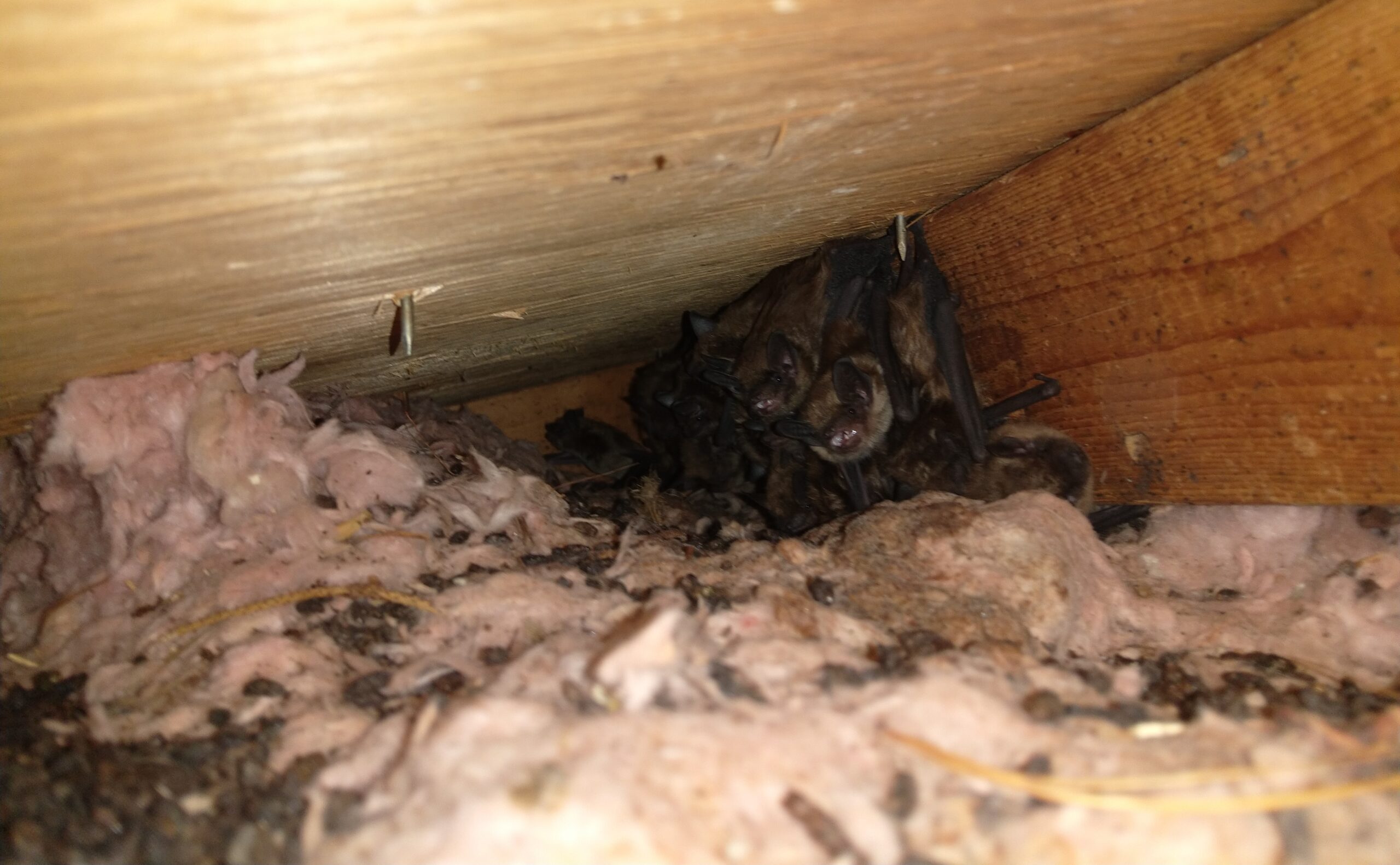
Animals don’t need much room to enter. Mice squeeze through holes the size of a dime. Bats can flatten and slip through half-inch cracks. During a deep cold, they push even harder to find openings.
Our technicians inspect:
- Roof edges and flashing for lifted sections
- Gaps near pipes, vents, or fascia boards
- Attic fans and louvred vents
- Chimney joints where mortar has weakened
Once these weak points are sealed, it becomes nearly impossible for animals to get inside — no matter how desperate the weather gets.
4. Food Is Scarce
During deep freeze conditions, insects disappear and plants die back. Foraging becomes risky and energy-draining. Animals follow scent trails from garbage bins, pet food, or stored birdseed that lead right to your home.
We help homeowners reduce those attractants by advising on secure lids, proper storage, and cleanup routines. When less food scent surrounds your home, there’s less motivation for animals to break in.
5. Attics Offer Safety From Predators
A predator can’t reach what it can’t climb to. Elevated spaces like attics, roofs, and chimneys protect smaller animals from foxes, owls, and coyotes. Even when temperatures rise a little, many stay hidden up high until spring returns.
You may never hear them during the day, but once darkness falls, the scratching or movement can start. Our inspection process includes listening for these subtle signs so we can act fast before the problem grows.
6. Building Materials Provide Comfort
Wood beams, insulation, and stored boxes create perfect nesting conditions. The soft insulation traps heat, and cardboard or fabric supplies nesting material. Animals instinctively dig into these items for comfort during extreme cold.
At Skedaddle, we replace or clean contaminated insulation after removal so your attic stays safe, clean, and energy-efficient — ready for the next season without risk of contamination or odour.
7. Deep Freeze Triggers Shelter Instincts
During extreme cold, deep freeze animal behaviour becomes predictable: survival first, everything else second. Animals stop searching for food and focus on finding the warmest, quietest place available.
Some examples include:
- Raccoons curling up near furnace exhaust vents
- Squirrels storing small food stashes in attic corners
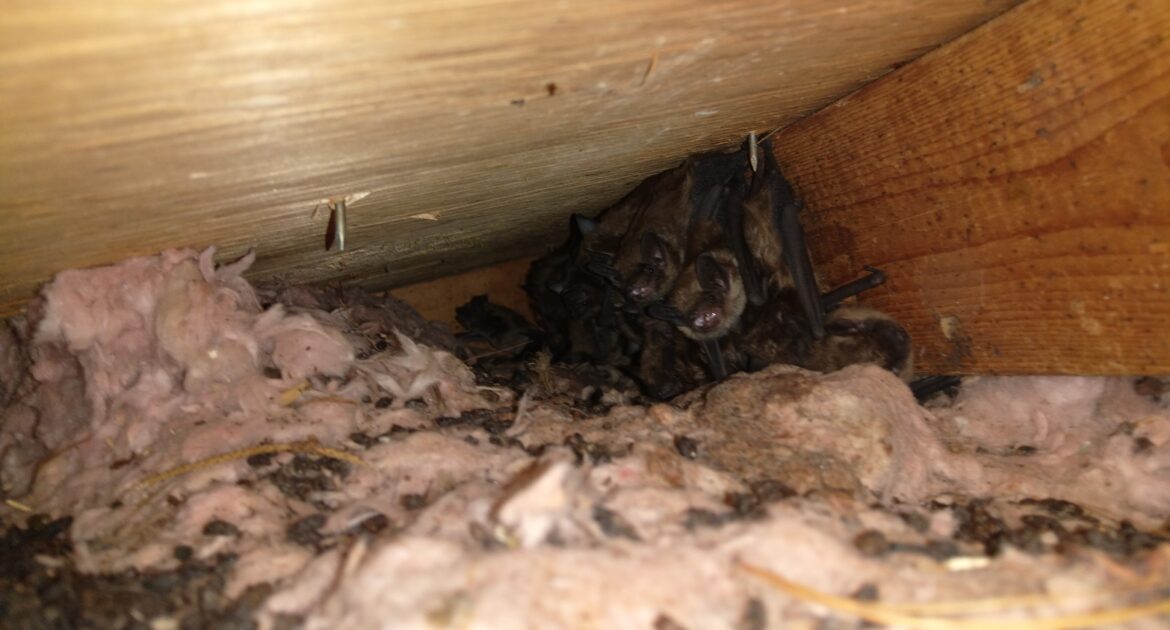
- Bats clustering near rafters for shared warmth
We understand these seasonal instincts and time prevention work accordingly, sealing entry points before temperatures plunge.
8. Mating Season Planning
Even in winter, some species prepare for spring mating. Female raccoons and squirrels often find safe dens months in advance. Your attic gives them a dry, stable environment to raise offspring when weather warms.
We stop this early by installing one-way doors that let any existing animals exit safely but prevent return. Once we confirm the space is clear, we permanently close those openings — protecting your home before nesting season starts.
9. Moisture and Shelter Go Hand-in-Hand
When snow melts or ice dams form, the underside of your roof can become damp. Moisture softens wood and insulation, making it easier for animals to chew or tear through. They follow that damp smell right into the attic.
Our technicians fix these vulnerabilities using durable materials that resist moisture. That keeps both water and wildlife out, protecting your roof and attic at the same time.
10. Chimneys Provide Quiet and Darkness
Unlike open attics, chimneys offer complete darkness and isolation from noise. For animals that rely on resting safely — like raccoons and birds — this can be irresistible. The warmth rising from your fireplace below only adds to the appeal.
A properly fitted chimney screen or cap stops this issue entirely. It allows smoke to vent while blocking animals, debris, and nesting material from entering.
11. Wind Protection During Blizzards
Strong winter winds make survival even harder. Animals naturally move toward structures that shield them. Houses break the wind, and the roof cavity acts as a perfect buffer. During major snowstorms, this shelter can mean the difference between life and death.
By sealing and reinforcing exterior edges before the season starts, we prevent these mid-storm break-ins. You stay warm inside while animals find natural shelter elsewhere.
12. Light and Heat from Homes Attract Attention
Even from a distance, heat radiating through roof vents and light escaping from attic windows can guide animals straight to your house. It’s like a glowing beacon in a frozen landscape.
We close these invisible “invitations” by checking vent screens and attic openings. The less energy your home leaks, the less interest animals have in it and the more efficient your heating system becomes for you.
13. Older Homes Have Weak Spots
Many Durham Region homes have aging roofs, brickwork, or siding. Over time, natural settling creates gaps animals can easily exploit. Cold temperatures make those cracks worse as materials contract.
Our inspections pay close attention to those aging features. Once reinforced, even an older home can stay fully protected through the harshest winters.
14. Stored Items Make Perfect Nesting Materials
If you store blankets, holiday décor, or old furniture in the attic, animals can shred and repurpose them for nests. During a deep freeze, soft materials trap warmth and help them survive.
We advise storing these items in sealed plastic bins rather than cardboard. After removal, we clean and sanitize the space so no scent attracts future visitors.
15. Easy Re-Entry Without Professional Sealing
If an animal finds its way in once, it will return again. Many species mark entry points with scent. Without professional sealing, those smells linger and invite future occupants.
That’s why we use commercial-grade materials and precise sealing methods. Once an entry is closed, it stays closed; no repeated invasions, no guesswork.
Keep Warm Without Any Wildlife
When the deep freeze arrives, animals only want warmth and safety, but your home shouldn’t be their shelter. By addressing the factors above, you protect your attic, chimney, and peace of mind.
Our Skedaddle Humane Wildlife Control in Durham Region team specializes in safe, humane removal and prevention. Using one-way doors, we allow animals to leave freely while preventing return, the best long-term solution for wildlife in attics during winter.
If you notice sounds in your walls, roof, or chimney this season, contact us right away. Request an estimate to learn more about how we can help you secure your home against chimney wildlife shelter and manage deep freeze animal behaviour safely and effectively.

 Loading...







