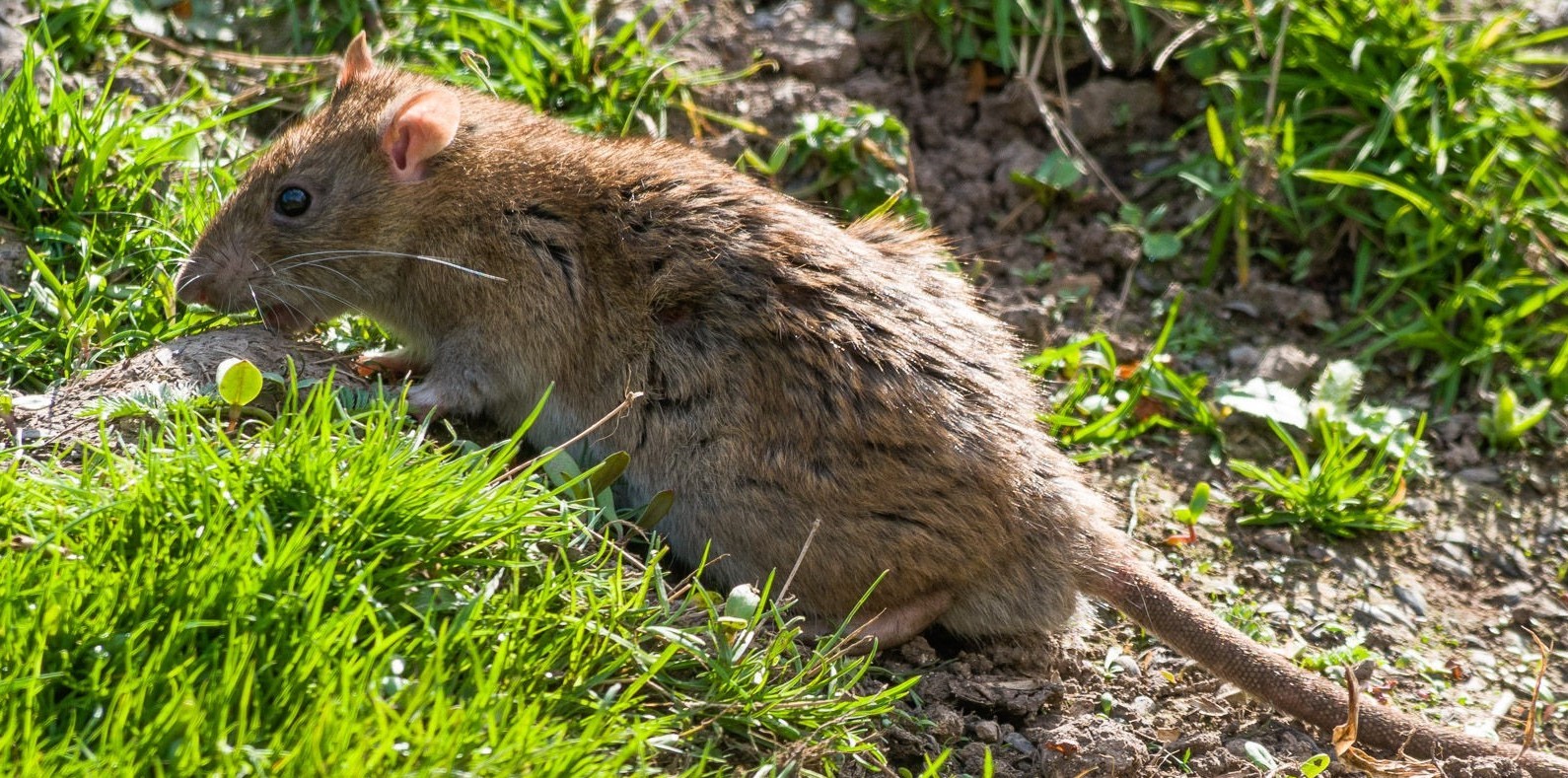
Rats are a marvel of adaptability in the animal kingdom. These resilient creatures have evolved over millennia to thrive in virtually any environment humans inhabit. From the bustling urban landscape of Etobicoke to the quiet residential areas near Sherway Gardens, rats demonstrate remarkable survival skills that make them challenging to control without professional intervention.
At Skedaddle Humane Wildlife Control, we’ve studied and managed rat populations since 1989, giving us unique insight into what makes these animals incredibly versatile. Understanding their adaptive traits is crucial for effective prevention and control strategies. Let’s explore the fascinating biological and behavioural characteristics that allow rats to survive anywhere and how this knowledge can help protect your home or business.
The Biological Marvels Behind Rat Adaptability
Rats possess an impressive array of physical attributes that contribute to their success in diverse environments. These advantages have evolved over thousands of years to create creatures perfectly designed to thrive alongside human civilization.
Physical Adaptations That Enable Survival
- Flexible skeletal structure: Rats can compress their bodies to fit through openings as small as a quarter. Their ribs can collapse, allowing them to navigate through tiny gaps—this is why even the smallest crack in your foundation can become an entry point.
- Powerful teeth and jaws: Their incisors never stop growing, compelling them to gnaw constantly. These teeth can chew through concrete, aluminium, some types of brick, and certainly wood and drywall, giving them nearly unrestricted access to structures.
- Enhanced sensory capabilities: They have poor eyesight but compensate with highly developed senses of smell, touch, and hearing. Their whiskers (vibrissae) provide detailed spatial information, allowing them to navigate in complete darkness.
- Disease resistance: Perhaps most concerning is that rats have robust immune systems that allow them to carry numerous pathogens without falling sick themselves. This creates serious health hazards when they invade homes, as they can spread diseases like Hantavirus, Leptospirosis, and Salmonella through their droppings and urine.
The combination of these physical traits creates an animal perfectly suited to infiltrate human structures. With a single pair of rats capable of producing nearly 1,250 offspring under favorable conditions each year, population control becomes extremely challenging without intervention.
Cognitive Flexibility: The Hidden Key to Rat Success
The true secret to rats’ survival lies in their remarkable cognitive abilities. These animals demonstrate problem-solving skills comparable to those of much larger mammals:
- Exceptional spatial memory: Rats create detailed mental maps of their environments, remembering complex routes and locations of food sources over extended periods.
- Social intelligence: They communicate and cooperate within colonies, sharing information about food sources and dangers.
- Neophobia and caution: Contrary to popular belief, rats are initially wary of new objects (neophobic). This behaviour makes many DIY trapping attempts ineffective, as they will avoid unfamiliar items in their environment.
- Adaptive learning: Perhaps most impressive is rats’ ability to learn from experiences. They quickly identify patterns, avoid dangers, and take advantage of new opportunities.
A study published in the Journal of Comparative Psychology demonstrated that they can solve complex mazes and remember solutions for months—far longer than previously thought possible. This cognitive flexibility allows them to adapt to changing conditions and overcome obstacles in ways few other animals can match.
How Rats Survive in Urban Environments
Urban settings like Etobicoke provide ideal conditions for rat populations to thrive. Understanding how rats utilize these environments helps explain why they’re such persistent pests in urban and suburban communities.
The Urban Rat’s Paradise
The abundance of food in urban areas fuels rat proliferation in several ways. Consistent food sources come from garbage disposal systems, food waste in commercial districts, poorly secured compost bins, and even bird feeders or pet food left outdoors. Coupled with these food supplies are the countless hiding places cities offer—everything from building foundations and wall voids to abandoned structures and underground utility systems. Rats also find shelter in landscaping features or dense vegetation.
Moreover, water sources are readily available, coming from leaking pipes, poor drainage areas, ornamental water features, or condensation from air conditioning units. The urban environment also means reduced predation, as cities typically have fewer natural predators like owls, hawks, and foxes that would control rat populations in wild settings.
In Etobicoke specifically, rats thrive in areas near restaurants, grocery stores, and waterways. The combination of food availability and shelter makes these locations especially problematic for property owners.
Seasonal Adaptations in Canadian Urban Settings
Rats demonstrate remarkable seasonal adaptations specific to Canadian urban environments. In the winter, they do not hibernate but instead move indoors seeking warmth. They cluster together in nests for body heat, stockpile food in hidden caches, and follow heat sources like utility lines into buildings.
During warmer months, rats expand their territory, establish new colonies, and reproduce at accelerated rates. They frequently utilize outdoor food sources and create more extensive burrow systems. The cyclical nature of these seasonal adaptations necessitates year-round vigilance. At Skedaddle, we’ve observed that many homeowners mistakenly believe rat problems disappear in specific seasons, while in reality, the rats have simply changed their behaviour to adapt to the conditions.
The Urban-Rural Adaptability Spectrum of Rats
Rats survive anywhere thanks to their ability to adjust to different environment types. Their adaptability isn’t limited to urban settings—they thrive across a spectrum of human-altered landscapes.
From City Centres to Suburban Neighbourhoods
Rats exhibit behavioural shifts based on human density and activity. In high-density urban areas, their movements are more nocturnal and cautious, and their territories are smaller. In suburban settings, they exhibit bolder behaviour, occupy larger territories, and utilize both natural and man-made structures. At rural-urban interfaces, they exploit both natural resources and human environments for sustenance.
One of rats’ most impressive adaptations is their omnivorous diet. They can consume approximately 10% of their body weight daily and derive nutrition from nearly any organic matter. They adjust food preferences based on availability, demonstrating impressive dietary flexibility.
Rats modify their reproductive rates based on resource availability. In food-rich environments, females can produce up to 7 litters annually, with each litter typically containing 6-12 pups. This rapid reproductive potential means even a small rat problem can quickly escalate into a major infestation if not addressed properly.
Why Professional Rat Control Is Essential
Given rats’ remarkable adaptability, DIY control methods often fall short. Through decades of wildlife control experience, Skedaddle has developed an integrated approach to rat management addressing all aspects of biology and behaviour.
The Limitations of DIY Approaches
Many homeowners attempt to solve rodent problems with store-bought solutions, but these approaches typically fall short for several reasons:
- Incomplete exclusion: Identifying every potential entry point requires specialized knowledge and equipment, including thermal imaging technology that can detect hidden access routes.
- Ineffective trapping: Due to rats’ neophobia and learning abilities, they soon avoid traps that don’t capture them immediately.
- Dangerous chemicals: DIY poisons can pose serious risks to pets, children, and beneficial wildlife. Additionally, poisoned rats may die within walls or other inaccessible areas, creating odour issues and health hazards.
- Failure to address root causes: Without understanding the factors attracting rats to your property, temporary removal won’t prevent reinfestation.
Skedaddle’s Comprehensive Approach to Rat Control
Our proven method addresses the full spectrum of rat adaptability with a multi-faceted approach. First, we conduct thorough inspections using specialized equipment like thermal imaging cameras to identify all entry points and nesting areas, including hidden spots. We then implement humane removal techniques; rather than using harmful poisons, we use one-way doors and other methods that allow rats to exit safely without returning. Furthermore, we provide long-term prevention solutions by securing properties against future invasions.
If you’re facing a rodent infestation, or if you want to prevent one before it starts, rely on the expertise of Skedaddle Humane Wildlife Control. Our experience and comprehensive approach ensure your home or business remains rat-free. Contact us today to protect your property and peace of mind from these adaptable intruders.

 Loading...