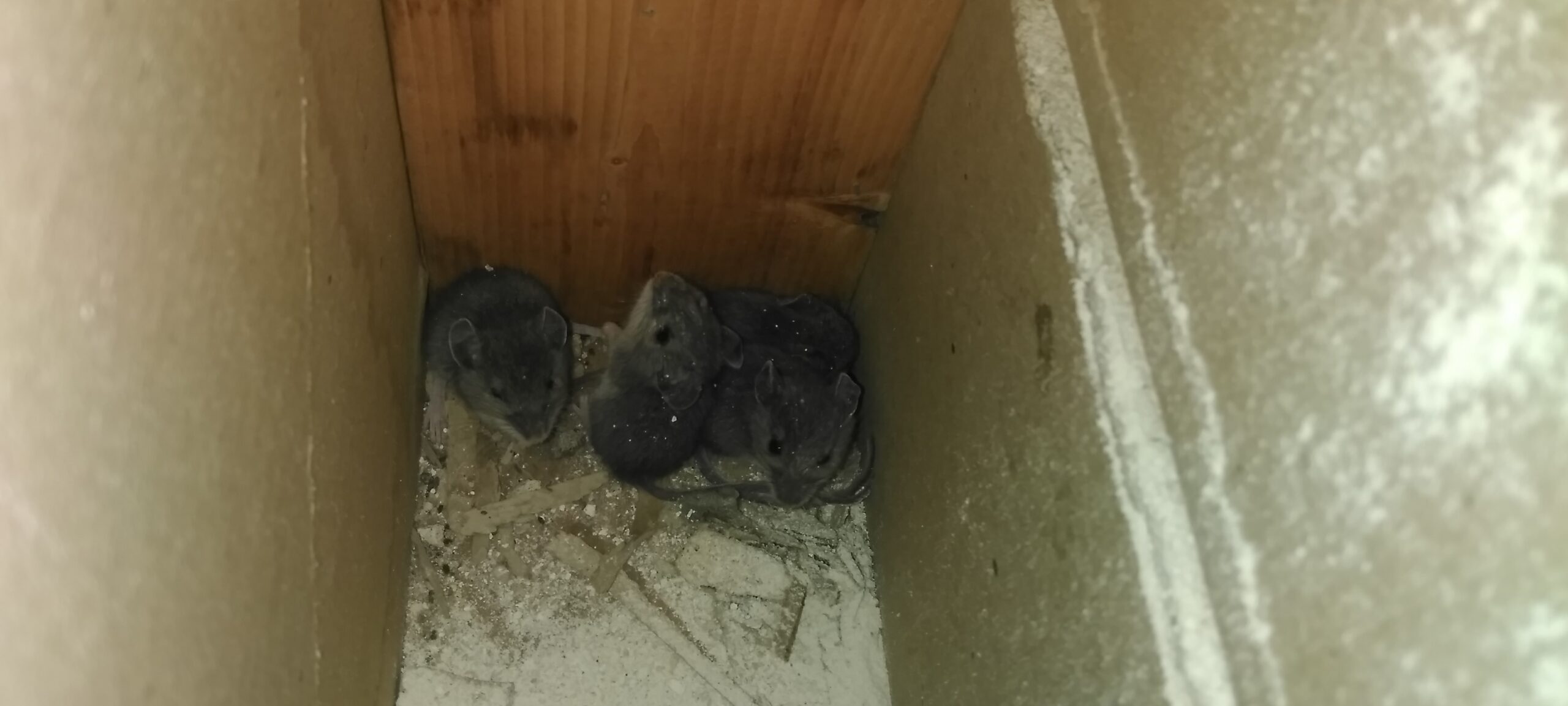
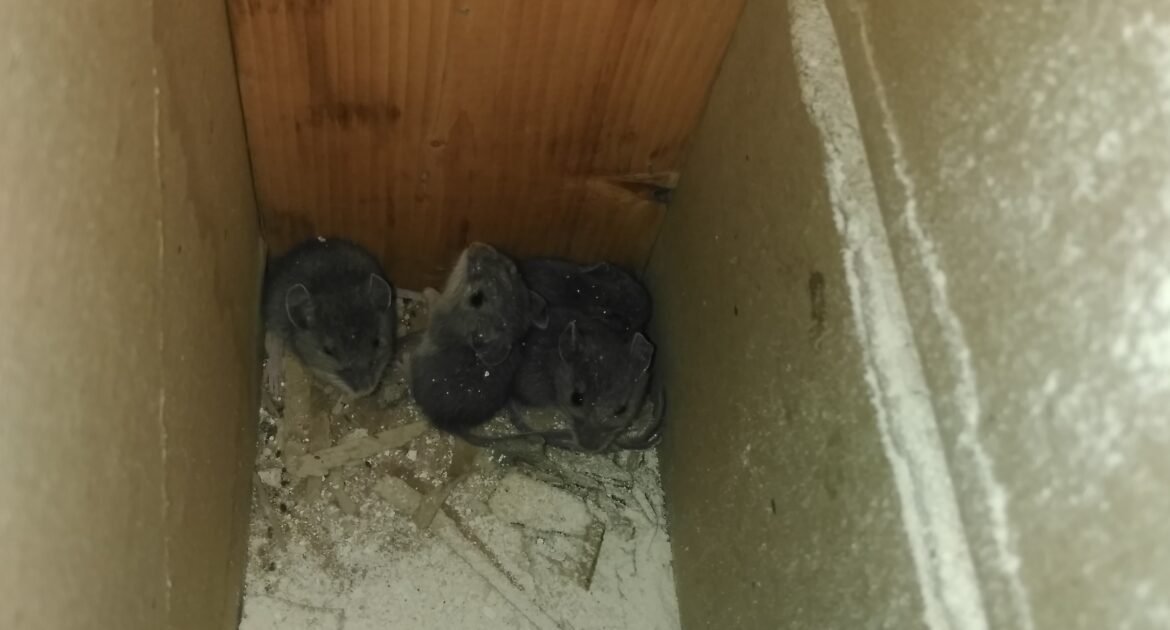
You may see your pet chasing something across the floor or find small signs of activity near food or baseboards and wonder if it is a real concern. For many homeowners, the biggest question is whether this activity puts pets at risk. The answer is yes. Mice health risks for pets are real, and they often show up before homeowners realize there is a larger issue inside the home.
You may not expect a small animal to cause serious problems, but contact can happen quickly. Curious cats and dogs are drawn to movement and scent, which increases exposure. That is why understanding the dangers of mice to cats and dogs matters, especially in homes with pets that explore every corner.
You will see below how activity affects pets, what risks are most common, and why early action helps prevent mice around pets. You will also learn how our team at Skedaddle Humane Wildlife Control in Guelph helps protect homes and pets using safe, humane solutions designed to stop repeat issues.
Why Pets Are Often the First to Be Exposed
You may notice your pet acting differently before you see clear signs of activity. Animals have stronger senses and often detect movement, scent, or sound early. That puts them closer to the risk.
Pets investigate places people do not, such as under appliances, behind furniture, or near walls. This increases contact with droppings, nesting areas, or the animal itself. Over time, this exposure raises mice health risks for pets, even if activity seems limited at first.
When pets interact with these areas repeatedly, the problem grows. That is why awareness and prevention matter early.
Health Risks Pets Face From Contact
You may assume pets can handle exposure without harm, but contact creates real health concerns. These risks often come from indirect exposure, not just catching the mouse.
- Diseases Can Spread Through Contact and Surfaces: Droppings and urine can carry bacteria that pets pick up on paws or fur. When pets groom themselves, those germs can enter the body. Over time, this can lead to illness that is hard to trace back to the source.
- Parasites Can Transfer to Pets: Fleas, mites, and internal parasites can move from mice to cats and dogs. Even brief contact with nesting areas can expose pets. These parasites may cause itching, digestive issues, or more serious health problems if untreated.
- Food and Water Contamination Affects Pet Health: When pet bowls or food storage areas are contaminated, pets ingest harmful bacteria without visible warning signs. This increases the dangers of mice to cats and dogs, especially in shared spaces like kitchens or laundry rooms.
These risks show why protecting the home protects pets too.
What Happens When Pets Catch or Play With One
You may think a pet catching a mouse is harmless or even helpful. In reality, this interaction increases risk rather than solving the problem.
Pets can be scratched or bitten during contact, which may lead to infection. Even without injury, handling the mouse exposes pets to saliva, parasites, and bacteria. Cats are especially prone to swallowing prey, which increases internal risk.
These moments often happen when homeowners are not watching. That is why relying on pets to control activity does not reduce mice health risks for pets.
Secondary Risks Many Homeowners Overlook
You may not see danger right away, but secondary risks are often the most serious ones pets face. These problems usually appear after contact has already happened, not during the first sighting. Even brief interaction can lead to issues that develop over time. That is why early prevention plays such an important role in protecting pets.
- Pets May Be Exposed to Toxins Indirectly: If a mouse has eaten poison somewhere outside the home, pets that catch or eat it can become sick. This type of exposure happens without warning and can cause serious health problems. Symptoms may not appear right away, which makes the risk harder to spot. Indirect exposure is one of the most dangerous outcomes for cats and dogs.
- Sharp Debris Can Cause Internal Injury: Bones, teeth, or sharp fragments can injure a pet’s mouth or throat during contact. If swallowed, these pieces can damage the stomach or intestines. Pets may act normal at first, which delays treatment. Over time, these injuries can become painful and serious.
- Stress and Behaviour Changes Can Develop: Ongoing chasing or exposure can create anxiety in pets. This stress may lead to changes in sleep, eating habits, or behaviour. Indoor pets are especially affected because they cannot escape the environment. Over time, constant stress can impact a pet’s overall health and well-being.
These hidden dangers are why prevention matters far more than reaction.
Why Problems Grow Without Proper Control
You may hope the issue stays small or fades on its own. Unfortunately, activity rarely stops without intervention.
As mice settle in, nesting areas grow and exposure increases. Pets continue investigating the same spots, which raises risk over time. What starts as occasional contact can turn into ongoing health concerns.
That is why acting early helps prevent mice around pets before long-term damage occurs.
How Humane Control Protects Pets
You want solutions that remove risk without harming mice. Humane control focuses on safe exit and prevention rather than force.
One-way doors allow mice to leave without stress while preventing re-entry. Once activity stops, access points are sealed so pets are no longer exposed. This approach reduces contact without introducing new risks.
When done correctly, this method protects both pets and the structure itself.
Preventing Repeat Exposure Inside the Home
You may remove current activity but still face risk if access remains open. Long-term protection focuses on removing shelter and entry points.
- Access Points Are Addressed After Exit: Sealing happens only once mice have left. This prevents trapped mice and avoids new exposure for pets.
- High-Risk Areas Are Reinforced: Walls, utility lines, and foundation gaps are secured to stop future entry. This reduces the chance pets encounter activity again.
- The Home Stops Sending Attraction Signals: When shelter and access are removed, activity drops naturally. This protects pets across all seasons.
This is how prevention reduces mice health risks for pets long-term.
Why Pet Safety Depends on Structure, Not Spot Fixes
You may focus on one room, but activity often shifts elsewhere. Pets roam freely, which means partial fixes leave risk behind.
Whole-home protection addresses how mice move through the structure. By securing the entire exterior, pets are less likely to encounter activity in hidden areas.
This approach supports lasting safety rather than temporary relief.
Protecting Pets With Our Professional Wildlife Team
You want help that understands both mice behaviour and pet safety. Our professional wildlife team focuses on humane removal, correct sequencing, and long-term prevention.
We work to limit disruption while ensuring pets are protected from ongoing exposure. One-way doors, exclusion, and reinforcement are applied carefully to reduce risk throughout the home.
This approach keeps the focus on prevention rather than repeat response.
A Safer Way to Protect Pets From Hidden Risks
You do not need to wait for a pet to get sick before taking action. Addressing mice health risks for pets early helps protect cats and dogs from exposure, stress, and illness.
When access is controlled and the home is sealed properly, the dangers of mice to cats and dogs drop significantly. Request an estimate to learn more about how we help prevent mice around pets. Our team at Skedaddle Humane Wildlife Control in Guelph is ready to help protect your home using safe, humane solutions that work.

 Loading...







