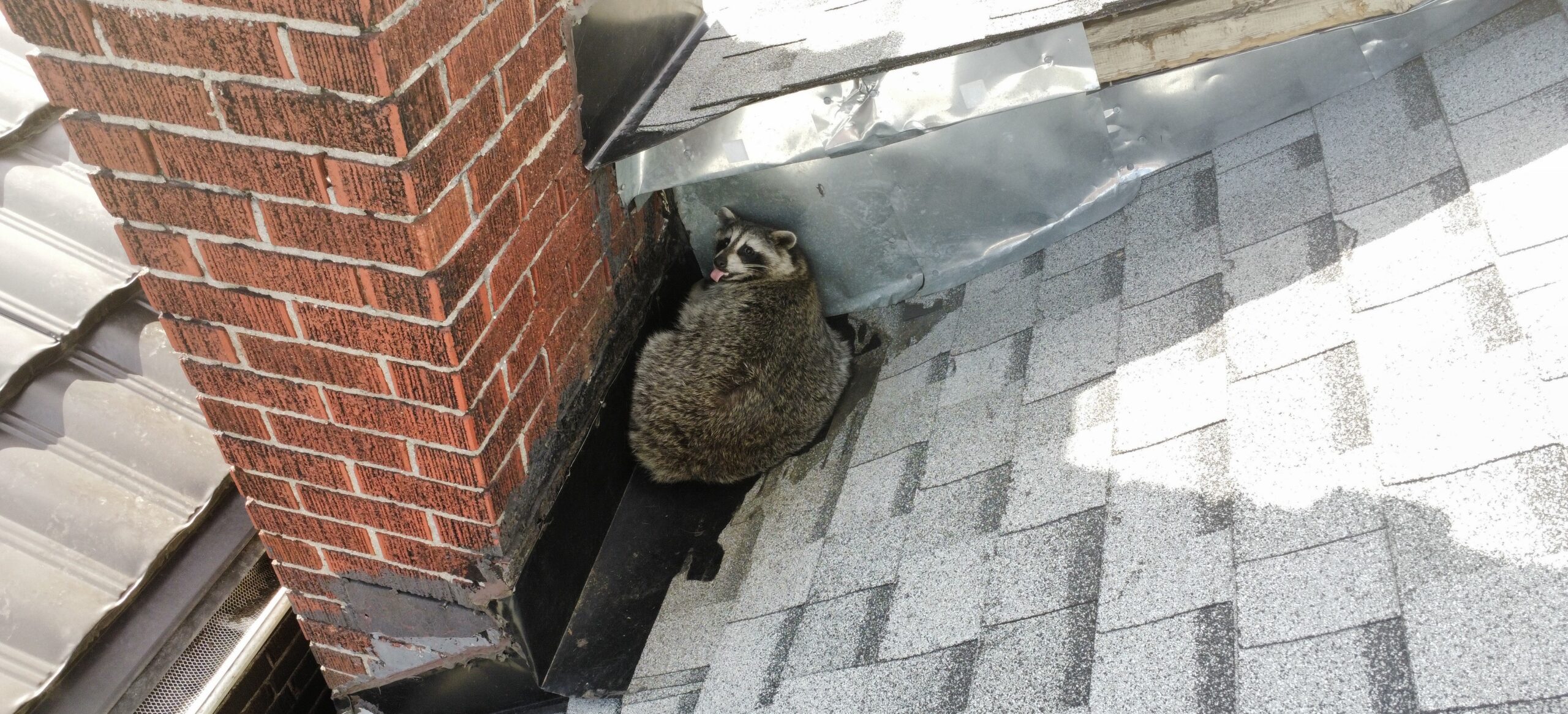
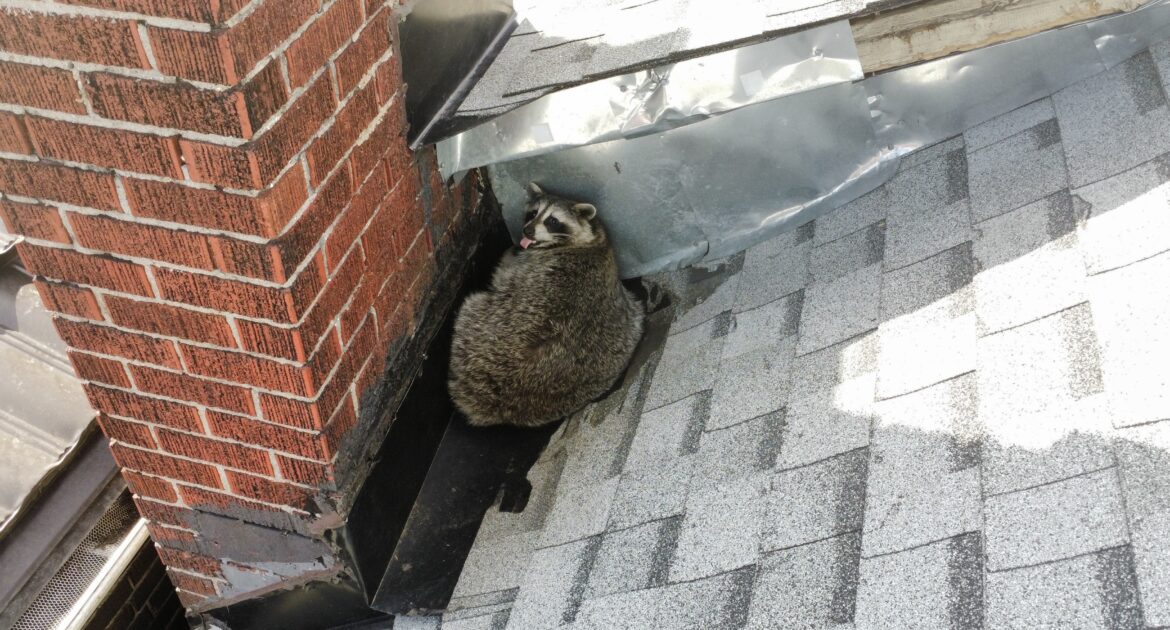
With the cold winds blowing through Guelph and the Royal City’s historic landmarks dusted in winter snow, homeowners may start to worry about unexpected guests. Raccoons nesting in chimneys during winter is a concern we see every year. These smart animals often slip undetected into chimneys seeking warmth and shelter, causing all kinds of headaches for property owners.
If you’re uncertain whether you have raccoons hiding above your fireplace, you’re not alone. Many don’t realize how attractive chimneys can be to these animals, especially mothers searching for a den that resembles a hollow tree. Let’s walk through the warning signals, risks, and safe steps for handling raccoons in your chimney this season.
Recognizing the Signs of Raccoons in Your Chimney
Chimneys offer perfect winter shelters: dry, dark, and protected from the elements. But how can homeowners in Guelph tell if there’s raccoon activity above? Understanding the common signs of raccoon occupancy in chimney spaces is essential for timely action.
Here are key indications that raccoons may be nesting in your chimney:
- Unusual rustling, thumping, or scratching sounds, especially at dawn or dusk.
- The sound of whimpering, chattering, or high-pitched squeals—often from baby raccoons.
- Strong, musky odours coming from your fireplace or the chimney itself.
- Debris like sticks, insulation, or leaves appearing in your fireplace, brought in as nesting material.
- Visible raccoon tracks or muddy paw prints on your roof or near the chimney stack.
Pay close attention: During the winter, mother raccoons may be especially secretive and quiet, making detection a challenge. This is why listening for persistent noises or periodic cries is critical, particularly in older homes with easy access points.
You might assume raccoons are merely passing through, but their tendency to return nightly (or even remain for weeks) can turn a minor issue into an ongoing seasonal dilemma. Once you suspect their presence, it’s essential to take further investigation steps.
Winter Raccoon Chimney Problems: Dangers and Damages
Allowing raccoons to settle in your chimney through the winter brings serious risks—not just for your property, but for the health and safety of all inside. These animals are remarkably strong for their size, and their resourceful nature means they can quickly create significant hazards.
Here are some winter raccoon chimney issues to be aware of:
- Chimney blockages from nests can create smoke backup, carbon monoxide risks, or even chimney fires if a fire is lit below.
- Damage to flue liners, caps, and the chimney crown as raccoons claw and chew their way inside.
- Entry of nesting material and droppings into your chimney, leading to odours and contamination.
- Risk of disease spread; raccoon feces can harbour harmful parasites, including Baylisascaris (roundworm) and bacteria like Salmonella or Leptospira.
- Aggressive behaviour from mother raccoons, especially if young are present, can escalate dangers during removal attempts.
Homeowners living near the University of Guelph or in the city’s older neighbourhoods often have brick chimneys that are prime targets for animal entry—especially if the cap is damaged or missing. These structures mimic the hollow trees raccoons naturally seek, a hidden insight explaining their repeated interest year after year.
Many don’t grasp how quickly minor noises or faint odours can develop into blocked flues, lingering smells, or health risks throughout the winter. Recognizing the full extent of damage is the first step in resolving the issue.
How to Check Your Chimney for Raccoons
Before taking action, it’s critical to confirm whether raccoons are actually present. Wondering how to check for raccoons in your chimney? There are safe, practical ways to investigate without putting yourself or your home at risk.
Consider these steps to assess your chimney:
- Listen carefully at different times of day, particularly dusk and dawn, for movement or vocal noises issuing from the chimney.
- Inspect your chimney cap from the ground (using binoculars if necessary) for visible damage, displacement, or animal movement.
- Look for droppings or nesting debris in the fireplace; note any distinct, foul odours that persist even when the fireplace isn’t in use.
- Shine a flashlight up from the fireplace (with the flue closed) to check for obstructions or the reflection of animal eyes.
- Check the roof after recent snowfall for raccoon-sized tracks leading to or from the chimney.
While these steps might help you identify activity, always take safety precautions and avoid direct contact. Raccoons can become startled and defend their young fiercely, especially when cornered in tight spaces like chimneys.
If you suspect babies are present, recognizable from high-pitched whimpers—keep in mind that winter removal is more complex and requires a special approach.
Raccoon Removal: Safety Tips for Every Homeowner
Protecting your family and home is always the top priority. Raccoon removal in winter poses unique challenges, so let’s recap some safety tips and guidelines:
- Never attempt to smoke raccoons out or ignite a fire to force them from the chimney; this is dangerous for both the animals and your property.
- Avoid trapping or direct handling—raccoons may carry diseases or respond aggressively when threatened.
- If you suspect young are present, avoid loud noises or attempts to remove them yourself, as this can separate them from the mother.
- Wear gloves and a protective mask if you must clean minor debris until professionals arrive to avoid contact with potentially hazardous droppings.
- Contact certified wildlife experts, such as Skedaddle, who have the tools, expertise, and experience to resolve the problem humanely and legally.
By following these guidelines and working with trusted professionals, Guelph homeowners can enjoy peace of mind through even the longest winters, knowing their homes are raccoon-free and protected against future invasions.
Once you’re familiar with these steps, you’ll be better prepared to act fast if you suspect raccoons have moved in. Let’s now explore how prevention and timely intervention can keep your home safe, warm, and wildlife-free for many winters to come.
Secure Your Home from Unwanted Winter Guests
Raccoons seeking refuge in chimneys during winter can create hazardous conditions, ranging from blocked flues and contaminated air to costly property damage—all while remaining cleverly concealed. Early detection of unusual noises, odours, or debris is vital, but tackling the problem requires more than observation; it demands expertise for humane, safe, and effective removal.
Entrust your home’s safety to Skedaddle’s seasoned professionals. Our unique approach blends cutting-edge technology with compassionate, hands-on techniques to ensure both your family’s well-being and the humane relocation of raccoon families. Don’t let these animals jeopardize your comfort or security.
Contact Skedaddle today for a thorough inspection and permanent solution. With our proven raccoon removal strategies, you can rest easy all winter knowing your home is protected against future wildlife intrusions.

 Loading...







