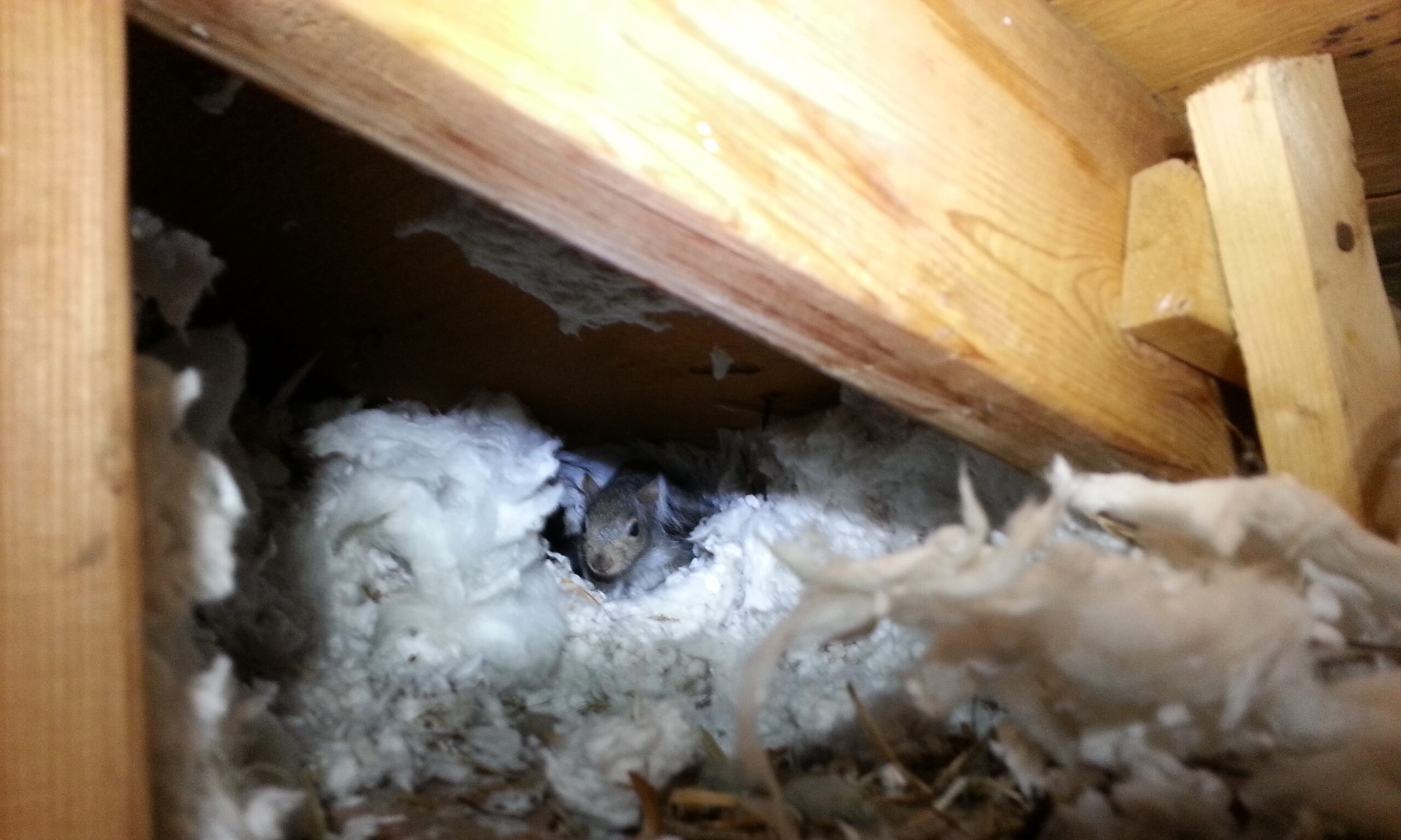

In the academic oasis of the University of Guelph Arboretum, visitors can observe squirrels behaving much as they have for centuries – foraging for nuts, scaling trees, and interacting with their environment in predictable patterns. Yet just a few kilometres away in Guelph’s downtown core, their urban counterparts display remarkably different behaviours. This stark contrast in urban squirrel behaviour has fascinated wildlife biologists and casual observers alike.
At Skedaddle Humane Wildlife Control, we’ve spent over 30 years observing the differences in forest vs. urban wildlife, particularly in species that have successfully adapted to human settlements. The difference between forest and city-dwelling squirrels reveals fascinating behavioural adaptations that highlight these animals’ remarkable resilience and intelligence.
How Urban Environments Transform Squirrel Behaviour
Urban squirrels face unique challenges and opportunities that their woodland relatives never encounter. These environmental differences have gradually shaped distinct behavioural patterns that help squirrels thrive in concrete jungles.
Bold and Fearless: The Urban Squirrel Personality
One of the most noticeable differences in urban squirrel behaviour is their reduced fear of humans. While forest squirrels typically maintain a safe distance from people, urban squirrels have learned that humans often represent a food source rather than a threat.
- Urban squirrels maintain significantly shorter flight distances when approached by humans
- They demonstrate greater boldness in seeking out food sources
- They’re more likely to approach people directly or enter human structures
- Their tolerance for noise and activity is substantially higher than their forest counterparts
This behavioural shift isn’t just interesting – it has practical implications for homeowners. Bold squirrels are more likely to attempt entry into homes, chewing through soffits, fascias, and vents with their powerful, continuously growing teeth. As we’ve seen countless times across Guelph, these determined creatures need only a two-inch gap to squeeze inside an attic or wall cavity.
Food Acquisition Strategies: From Natural to Opportunistic
The difference in food-gathering techniques between forest and urban squirrels demonstrates how environment shapes survival strategies. Forest squirrels rely primarily on natural food sources like nuts, seeds, fruits, and fungi. They spend significant time searching for and storing these foods, creating multiple caches to sustain them through leaner months.
City squirrels supplement natural foods with human-provided resources, including bird feeders, pet food left outdoors, and food waste in garbage containers. This shift toward human-provided food sources has reduced the need for extensive foraging and altered how urban squirrels allocate their time and energy. Rather than spending hours searching for naturally occurring foods, urban squirrels can dedicate more time to other activities, including exploring potential den sites in homes.
The Seasonal Cycle: How Environment Affects Breeding Patterns
Both forest and urban squirrels typically produce two litters annually, but environmental factors can influence the timing and success rate of these breeding cycles.
Breeding Variations Between Urban and Forest Populations
While all squirrels in our region typically have their first litter between February and April, followed by a second between August and September, key differences have been observed:
- Earlier breeding in urban areas: Warmer urban microclimates and more consistent food availability can trigger earlier breeding cycles.
- Higher reproductive success: Urban squirrels often raise more young to maturity due to abundant food resources.
- Increased population density: The combination of successful breeding and concentrated resources leads to higher squirrel populations in urban environments.
These reproductive advantages explain why urban areas like Guelph can support such dense squirrel populations. For homeowners, this means increased pressure from squirrels seeking nesting sites, particularly during the critical periods before each litter arrives.
Nesting behaviour Differences
Forest squirrels prefer nesting in natural tree cavities, leaf nests (dreys) high in tree branches, and underground burrows. Urban squirrels have learned that human structures often provide superior shelter – they’re warmer, drier, and offer better protection from predators than natural alternatives. This is particularly important during breeding seasons when mothers seek secure locations for their immobile young.
Problem-Solving and Adaptability: The Urban Squirrel Advantage
Perhaps the most remarkable difference between urban and forest squirrels lies in their problem-solving abilities and adaptability to changing conditions.
Enhanced Problem-Solving Skills
Urban environments present novel challenges that require creative solutions. Research indicates that urban squirrels demonstrate superior problem-solving abilities compared to their forest counterparts. They quickly learn to navigate complex obstacles to reach food, remember successful strategies for accessing difficult resources, and adapt to changing conditions faster than forest populations. This problem-solving prowess makes urban squirrels particularly challenging to exclude from homes. At Skedaddle, our wildlife technicians conduct thorough 35-50 point inspections to ensure vulnerabilities are mitigated.
Memory and Resource Tracking
Both urban and forest squirrels rely on spatial memory to locate stored food, but research suggests urban squirrels may have developed enhanced memory capabilities. They remember multiple food locations, track human patterns that indicate food availability, recognize and remember individual humans who regularly provide food, and adapt quickly to changing resource availability. These cognitive adaptations give urban squirrels a significant advantage in exploiting human environments. They remember successful entry points to homes and can return to them season after season if not properly excluded by professionals.
Social Behaviour Differences Between Urban and Forest Squirrels
Squirrel habitat differences significantly influence social structures and interactions within populations. Forest squirrels typically maintain larger territories with clearer boundaries. They engage in regular territorial behaviours and interact with fewer individuals daily. In contrast, urban squirrels have adapted to living in closer proximity to one another, creating more complex social dynamics with higher tolerance for other squirrels and more frequent interactions.
These social adaptations allow urban squirrels to maximize limited space while minimizing energy-wasting conflicts. However, the competition for prime nesting sites – like your attic – can become intense, particularly before breeding seasons.
Communication Adaptations
Both forest and urban squirrels communicate through vocalizations, body language, and scent marking. However, urban squirrels have had to adapt their communication patterns to suit their environment. They often vocalize at higher volumes to overcome city noise and have more nuanced alarm calls to differentiate between various urban threats.
Managing Urban Squirrel Challenges
While urban squirrels have successfully adapted to human environments, these adaptations can create significant challenges for homeowners. Their reduced fear of humans leads to bolder exploration of properties, their excellent problem-solving skills help them overcome simple deterrents, and their enhanced memory means they return to successful entry points. Their nesting preferences often lead them to choose human dwellings as prime locations.
If you notice signs of squirrel activity around your home or suspect they’ve found their way inside, it’s essential to address the problem swiftly and professionally. Urban squirrels are adept at finding weaknesses in the home, making DIY deterrents often ineffective. At Skedaddle, we offer comprehensive inspection and humane removal services designed to deal with urban squirrel challenges. Our experienced technicians identify entry points, implement exclusion measures, and provide you with advice to prevent future conflicts.
If urban squirrels are posing a threat to your property, contact Skedaddle Humane Wildlife Removal in Guelph today for effective and humane solutions. With our expertise, we can protect your home from these crafty critters, ensuring a safe and secure environment for your family.

 Loading...







