You’ve probably seen a squirrel dart across your yard with a nut in its mouth and wondered what happens next. Do they really remember where they hide everything? Or do some of those buried treasures stay forgotten until spring?
That curiosity leads to an even bigger question, why do these animals go to such lengths to hide food, and what happens when they forget their stashes?
At Skedaddle Humane Wildlife Control in Maple Grove, we see this behavior up close. Squirrel food storage is one of nature’s most fascinating survival tactics. These little animals rely on instinct, memory, and even smell to plan for harsh winters.
Yet despite their cleverness, they sometimes misplace what they hide and that can lead to new trees, shrubs, and the occasional home visit when they run out of space outdoors.
Let’s look at how squirrel caching behavior works, why they hide so much food, and what really happens when they forget their stashes.
Why Squirrels Store Food in the First Place
Minnesota winters are generally tougher than most. Food becomes scarce, and animals that depend on nuts, seeds, and fruits have to plan ahead. That’s exactly why squirrels spend late summer and fall gathering supplies, they’re building a safety net for when snow covers the ground.
Instead of hibernating like some animals, they stay active all year. When temperatures drop, they retreat to their nests for warmth, then return outside to dig up food from one of the many hiding spots they made earlier. These storage spots are called caches, and together they make up an animal’s personal pantry.
How They Decide What to Store
You might assume squirrels grab any nut they can find, but they’re actually selective. They test, shake, and inspect before they store anything. The goal? Keep only food that lasts.
Here’s what usually ends up in their caches:
- Nuts and Acorns: their main food source, chosen for long shelf life.
- Seeds and Pinecones: great for energy during freezing months.
- Fruits or Mushrooms: dried out first so they don’t rot underground.
- Corn Kernels and Grains: often taken from gardens, bird feeders, or crops nearby.
You can see how organized this looks, but there’s still some randomness to where they place each stash, which leads to forgetfulness later.
Types of Squirrel Food Storage
Squirrels use more than one strategy for hiding food. The most common is called scatter hoarding, where they bury nuts in hundreds of small locations instead of one big pile. This method protects them from theft and spoilage, but it also increases the odds of losing track.
Here’s a breakdown of the main caching behaviors:
- Scatter Caching: One nut per hole, hidden in random spots around a yard, park, or forest.
- Larder Caching: All food stored in one main location (rare for tree squirrels, more common for ground species).
- Surface Hiding: Items tucked under leaves, grass, or logs for quick grabs later.
- Fake Caching: Pretending to bury food to trick competitors watching nearby.
Each approach helps with survival but adds a layer of complexity. The more caches there are, the harder it becomes to remember them all.
How They Remember (Most of the Time)
A squirrel’s memory is more advanced than the average person may assume. . They use a mix of spatial memory and scent to relocate food, especially under light snow. They can recall landmarks, shapes, and even the feel of the ground near a hiding place.
Scientists have found that squirrels use a mental map to track their hiding zones. They also sort food by type, keeping acorns in one area and pinecones in another. That means they’re not digging randomly; they have a system.
Still, even the best system can fail when snow, rain, or yard work alters the landscape.
Why Squirrels Forget Their Stashes
You probably think of squirrels as nature’s planners, but memory lapses are common. There are several reasons why squirrels forget stashes, and they’re not all due to bad memory.
Some of the biggest causes include:
- Environmental Changes: Fresh snow, strong winds, or human landscaping can erase landmarks they rely on.
- Over-Collection: When there are hundreds of small caches, it’s impossible to remember them all.
- Scent Confusion: Rain or other animal scents can block odor cues.
- Predator Avoidance: Sometimes they abandon caches to stay safe from hawks or cats.
- Natural Distraction: Competing with other animals or chasing a mate can make them lose focus.
What’s amazing is that these forgotten nuts often sprout into trees, an accidental reforestation project that benefits everyone.
How Forgetfulness Helps the Environment
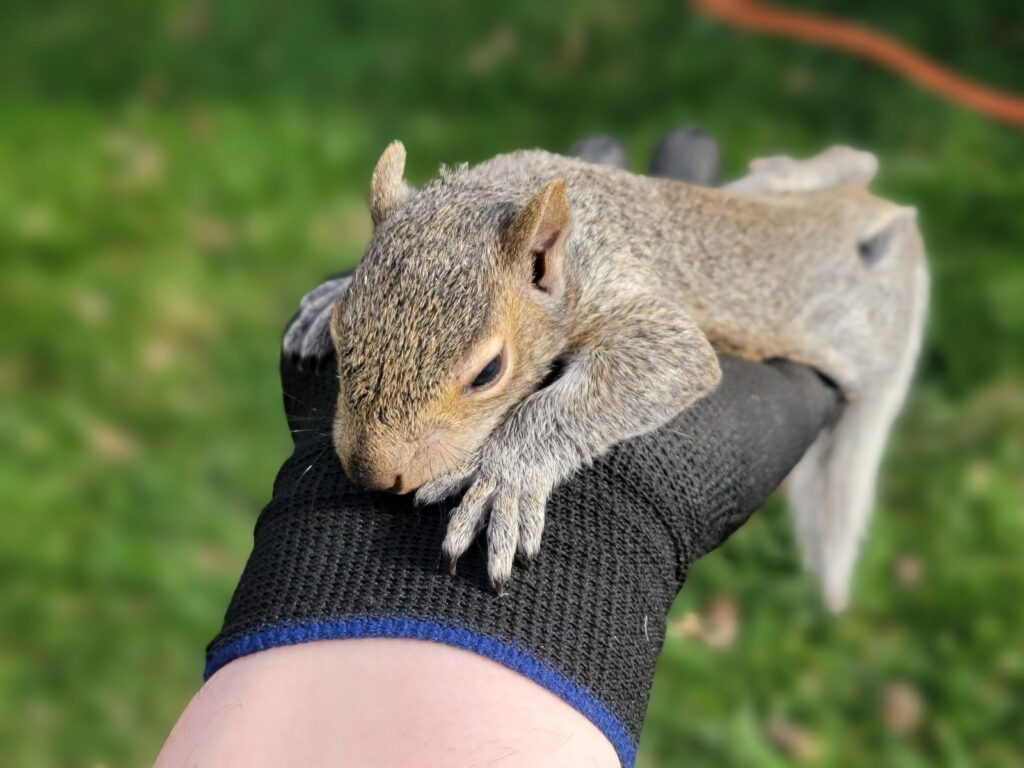
Forgetting where food has been stored is all a part of nature’s elaborate plan. Those buried nuts left untouched through winter have a good chance of growing in spring. Many oak, walnut, and hickory trees exist today because a squirrel simply didn’t return to its cache.
Here’s what those forgotten stashes can lead to:
- New Tree Growth: Seeds germinate and help forests expand.
- Better Soil Health: Buried nuts and organic matter enrich the soil.
- Habitat Diversity: More trees mean more shelter and food for birds and insects.
It’s one of nature’s perfect mistakes, a small memory slip that keeps ecosystems alive.
When Food Storage Leads to Problems Indoors
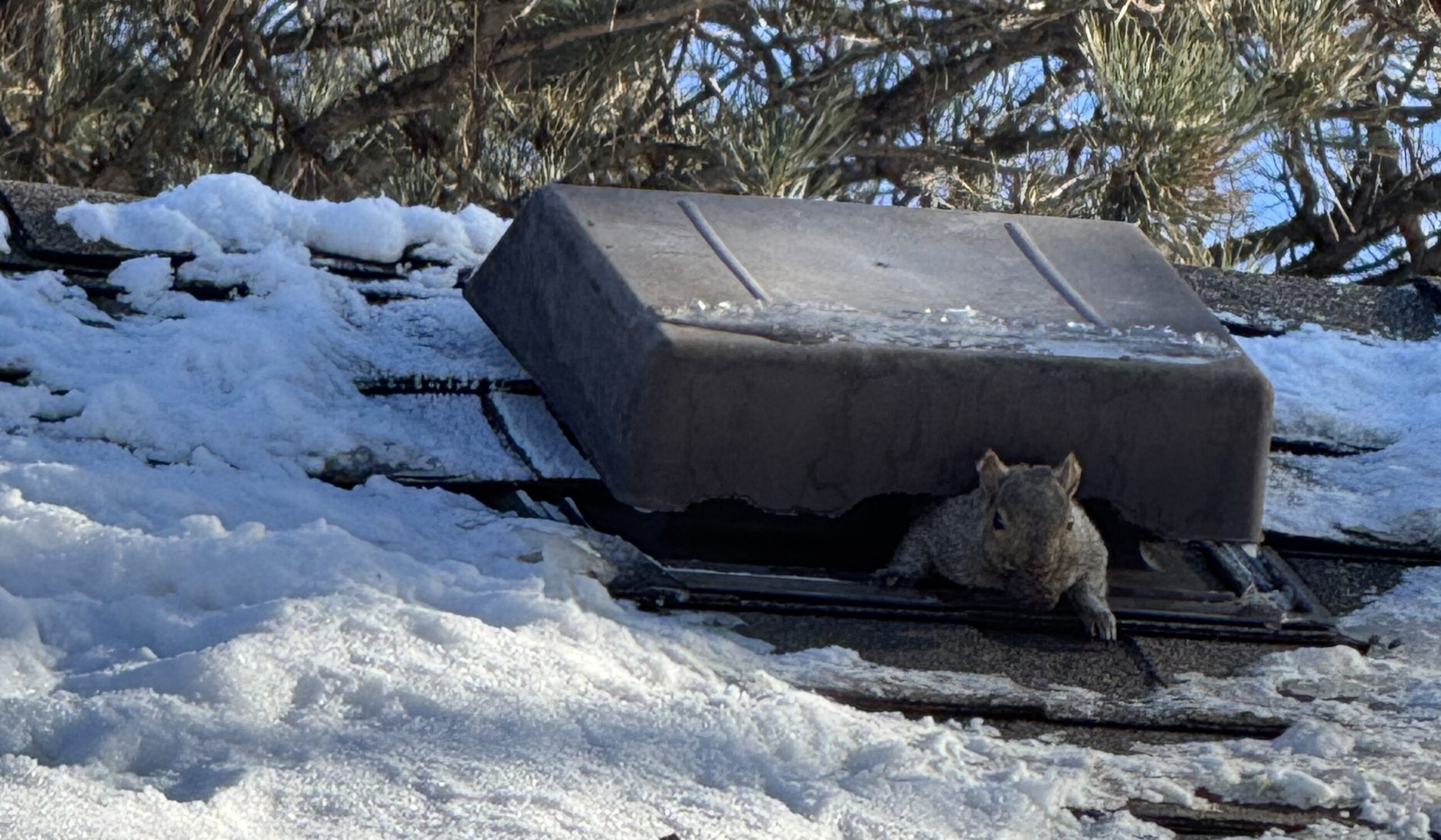
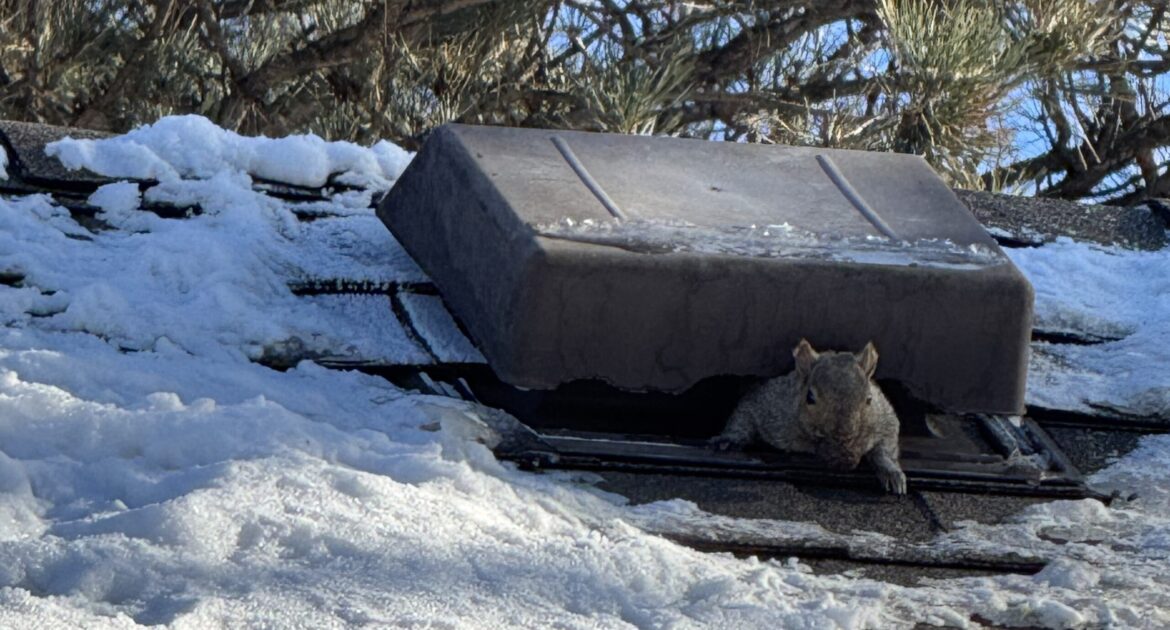
Squirrels sometimes bring their caching behavior too close to home. When outdoor storage spots run low or temperatures drop sharply, your attic, soffits, or walls can start to look like warm, dry alternatives.
You can often tell when this happens by small noises in the walls or attic, gnaw marks on wood, or scattered insulation. These are signs of a potential invasion. Once inside, they may stash nuts and seeds behind insulation, under floorboards, or near vents, creating a mess and possible fire hazards if wiring gets chewed.
At Skedaddle, we see this often in Maple Grove homes. That’s why our humane removal process uses one-way doors, they allow the animal to leave safely but prevent them from coming back inside. Then we seal the entry points permanently with durable materials designed to handle Minnesota’s harsh weather.
How Caching Behavior Changes With the Seasons
Squirrels are the busiest in late summer and early fall. That’s when these animals start stockpiling before winter hits. They’ll spend hours each day collecting and burying food, working almost like tiny gardeners preparing for cold months ahead.
But caching doesn’t stop in winter. During warm spells, they dig through snow to find old stashes. By spring, most of the stored food is gone, or turned into new life.
You can even spot patterns:
- Fall: Most active gathering season.
- Winter: Digging up what’s left.
- Spring: Some stashes sprout into plants.
- Summer: Rest period until the next harvest cycle begins.
It’s a year-round routine that keeps both the animal and the ecosystem thriving.
The Role of Scent in Finding Food
Smell is one of their strongest tools. Even under several inches of snow, they can detect nuts hidden weeks or months earlier. They rely on scent markers to guide them, sometimes even rubbing their faces or bodies on food before burying it to “mark” it with their own scent.
But scent doesn’t last forever. Rain, snowmelt, and other animal tracks can interfere with their natural detection system. When this happens, it’s easy for them to lose track of certain caches completely. That’s another reason why squirrels forget stashes: nature’s unpredictability.
Common Hiding Spots Around Maple Grove
Squirrels and other rodents can be extremely creative when it comes to storage. They’ll use almost anything that provides cover.
Some favorite spots include:
- Flowerbeds, mulch, and planters
- Base of trees or along fence lines
- Piles of leaves or wood
- Roof edges or open soffits
- Gutter corners and wall voids
While many of these spots are outside, the last few often lead to entry points around homes, especially during winter.
Professional Prevention With Skedaddle Humane Wildlife Control
Dealing with the stress of animals living in your home can be exhausting and frustrating. That’s where we come in. At Skedaddle Humane Wildlife Control in Maple Grove, we take a safe, science-based approach to keep homes protected.
Our trained team inspects your roofline, soffits, and vents for weak spots where animals may enter. Then we install one-way doors that let wildlife leave but not return. Once we confirm everything is clear, we seal entry points with durable, weather-resistant materials that blend with your home’s structure. You don’t have to lift a finger, we handle everything from start to finish so your home stays secure and humane solutions stay in place.
Nature’s Memory Game
When you think about squirrel food storage, it’s easy to see how smart, and forgetful, these animals can be. Their caching behavior keeps them alive through tough winters, but when they forget their stashes, they help forests grow. It’s a fascinating cycle of survival and renewal that plays out right in your backyard.
Still, when those instincts lead them into homes, you don’t want to handle it yourself. Skedaddle Humane Wildlife Control in Maple Grove uses proven methods like one-way doors and professional sealing to guide wildlife out safely and keep them from returning.
Request an estimate to learn more about how we can help protect your home while keeping nature in balance.

 Loading...

