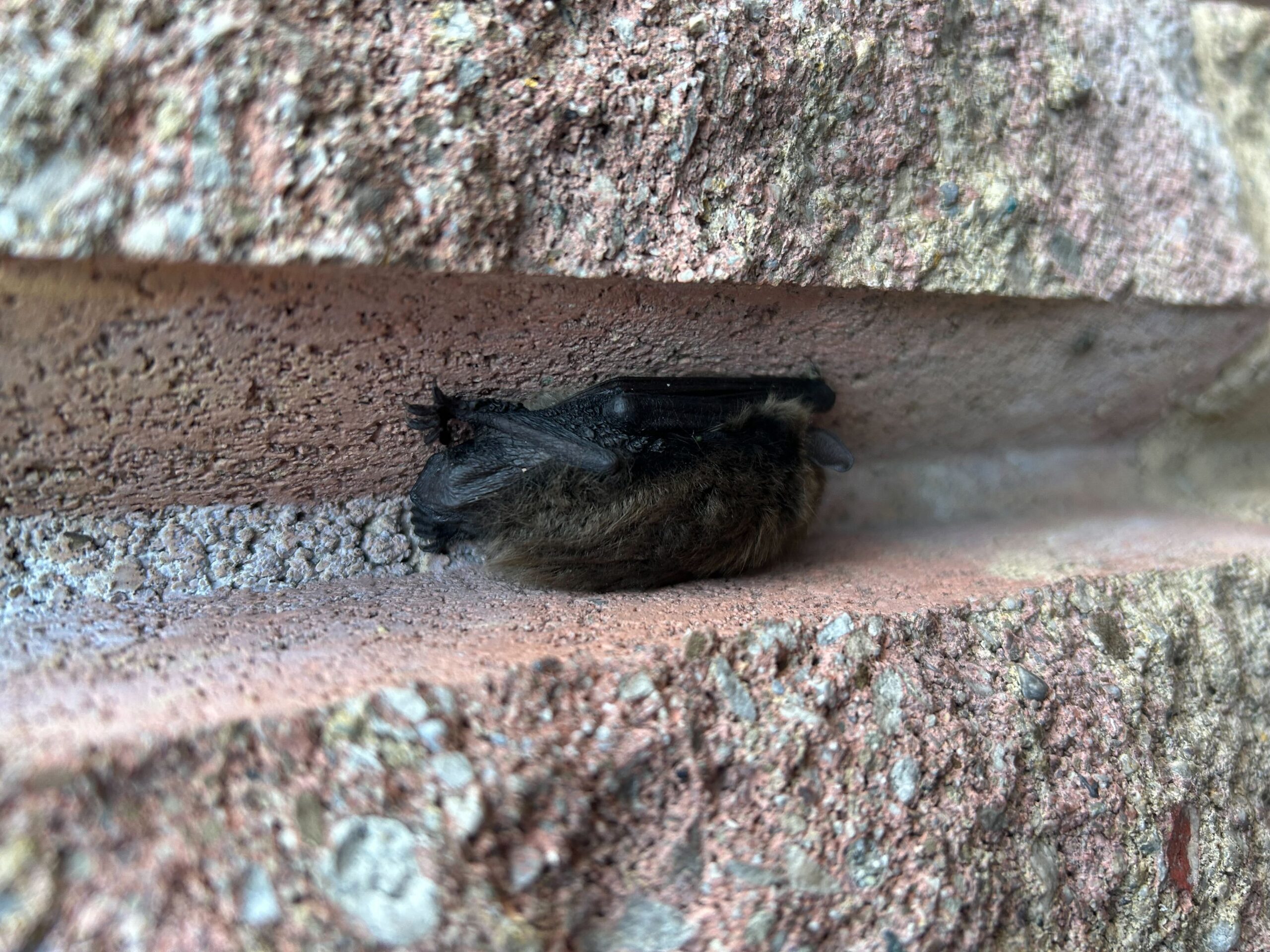
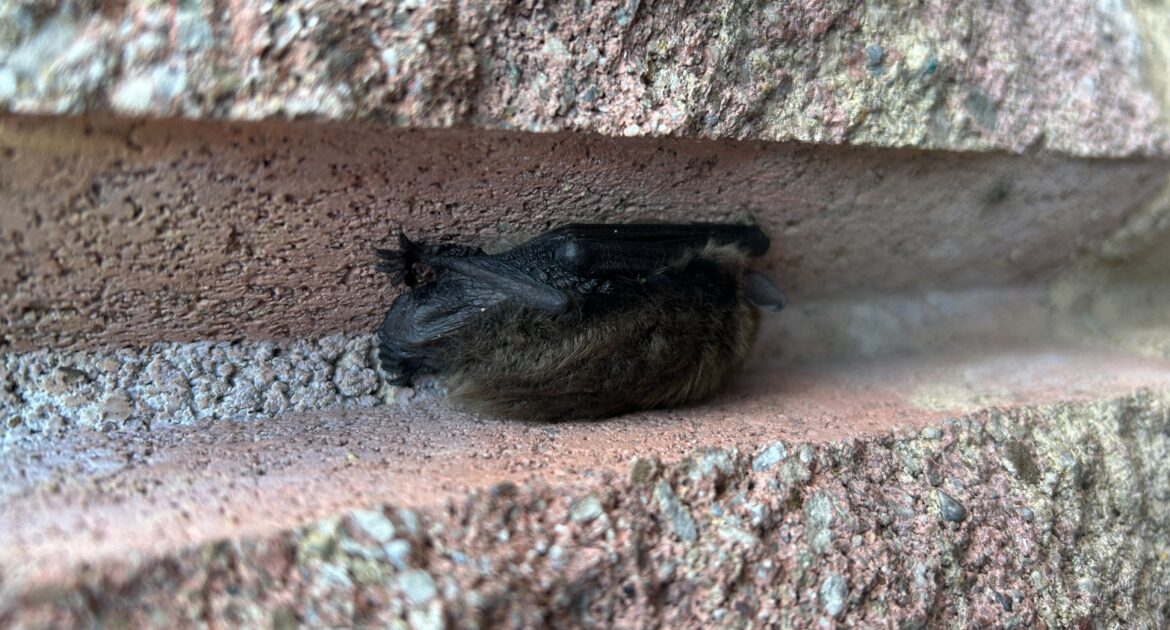
Bats are fascinating creatures that often spark curiosity—and sometimes concern—when they roost near homes. Understanding bat facts homeowners should know can help reduce fear and promote safe, informed decisions. While bats can occasionally enter structures, learning about their behavior and habits can prepare you to keep your home safe and wildlife unharmed.
At Skedaddle Humane Wildlife Control in Maple Grove, we know that education is the first step in prevention. By knowing bat facts homeowners need to be aware of, you can better recognize signs of activity, understand seasonal behaviors, and implement professional strategies to prevent issues before they start.
Why Bats Are So Unique
Bats are the only mammals capable of true flight. Their wings are made of a thin membrane stretched across elongated fingers, which allows precise maneuvering in the air. A single bat can fly up to 30 miles in a single night in search of food.
Understanding these abilities is key to appreciating why bats may occasionally appear near homes. Their skill in flying, combined with echolocation, helps them navigate complex urban environments without relying on sight alone.
Bats Play a Crucial Role in the Ecosystem
Bats are essential for controlling insect populations. A single bat can eat up to 1,000 insects per hour, helping reduce mosquitoes and other bugs that affect humans. They also contribute to pollination and seed dispersal in certain species.
Learning bat behavior facts allows homeowners to see the ecological benefit of bats, which can reduce fear and encourage safe coexistence. Knowing their role can make it easier to respond calmly if bats are observed near your property.
Bat Senses Are Extraordinary
Bats rely on echolocation, a natural sonar system, to navigate and find food in complete darkness. They emit high-frequency sounds that bounce off objects, allowing them to “see” their surroundings through sound.
- Their hearing is so acute they can detect prey smaller than a mosquito.
- Echolocation explains why bats rarely fly into obstacles or humans.
- Understanding this aspect of bat behavior helps homeowners feel more comfortable around bats around homes.
Studies indicate that urban bats often navigate successfully even in cluttered neighborhoods, demonstrating their remarkable adaptability.
Habits and Habitats of Bats
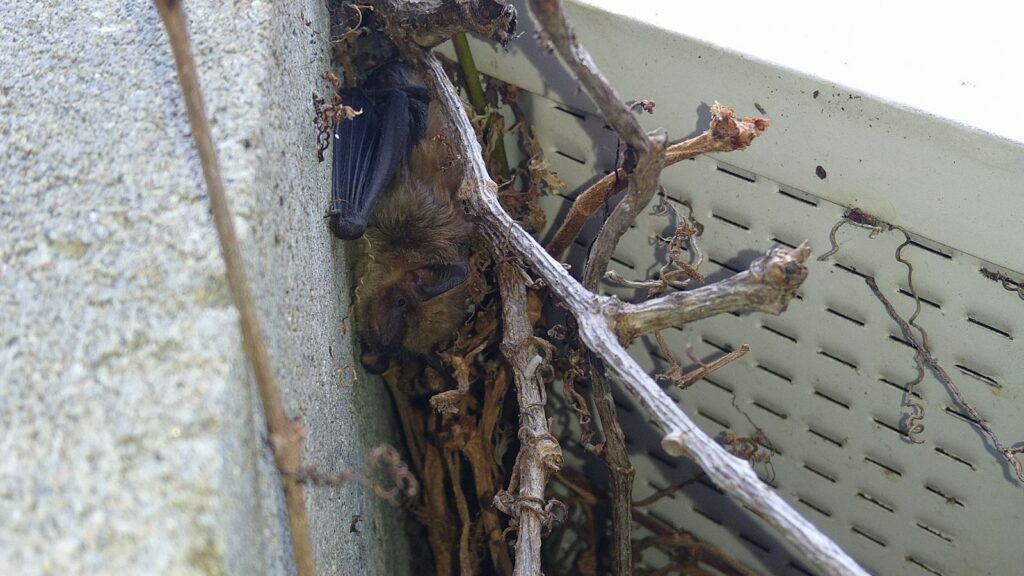
Bats often roost in sheltered areas that provide safety from predators. In urban and suburban areas like Maple Grove, this can include:
- Attics and eaves
- Chimneys and vents
- Garages and sheds
Seasonal behavior affects where bats choose to roost. In summer, maternity colonies form in safe, warm locations, while in winter, bats may hibernate in cool, quiet areas. Research shows urban structures can attract higher roosting activity, which is why homeowners should be aware of possible entry points.
Health Awareness and Safety
While bats are generally not aggressive, awareness is important because they can carry diseases. Professional prevention ensures homeowners are protected without harming bats.
Signs that bats might be present around your property include:
- Small droppings near entry points
- Stains or scratches on vents or eaves
- Unusual noise, especially at dusk or night
By recognizing these signs early, homeowners can work with professionals to prevent structural damage and reduce health risks.
Debunking Myths About Bats
Many homeowners worry about bats because of common myths. Some think bats are blind, aggressive, or will get tangled in hair. In reality:
- Bats have excellent vision for their size.
- They are rarely aggressive and will avoid humans.
- Conflicts are extremely rare when proper exclusion measures are in place.
Understanding these bat facts homeowners need to know helps reduce unnecessary fear and encourages responsible, humane management.
How Learning Bat Facts Homeowners Can Use Helps
Knowing bat facts homeowners need empowers property owners to identify potential issues and take proactive steps. This knowledge makes it easier to:
- Recognize bats around homes without panic
- Identify entry points or areas that may need professional assessment
- Make informed decisions about prevention strategies
Professional consultation ensures these strategies are safe and long-lasting while respecting wildlife.
Professional Bat Prevention Solutions
At Skedaddle, we provide humane prevention methods that protect homes and bats alike:
- Comprehensive inspections to identify vulnerable areas
- Professional exclusion of potential entry points
- Installation of durable barriers to prevent re-entry
These measures reduce the risk of bat-related issues while keeping wildlife unharmed.
Benefits of Being Prepared
Understanding bat habits and knowing bat behavior facts allow homeowners to stay informed and take action before problems arise. Benefits of professional, humane prevention include:
- Protection of attics, vents, and rooflines from damage
- Reduced risk of exposure to droppings or other hazards
- Peace of mind knowing your home is secure
- Encouraging coexistence with local wildlife
Studies indicate that homes with professional bat exclusion measures experience up to 95% fewer conflicts with bats compared to untreated properties.
Be Prepared With Knowledge
The more homeowners know about bats, the better prepared they are to protect their property and respect wildlife. From echolocation to seasonal habits, learning bat facts homeowners should know helps reduce fear and encourages safe, informed decisions.
At Skedaddle Humane Wildlife Control in Maple Grove, we focus on education and professional prevention. If you notice bats around your home or want to safeguard your property proactively, our team can provide expert guidance and humane solutions tailored to your needs.

 Loading...