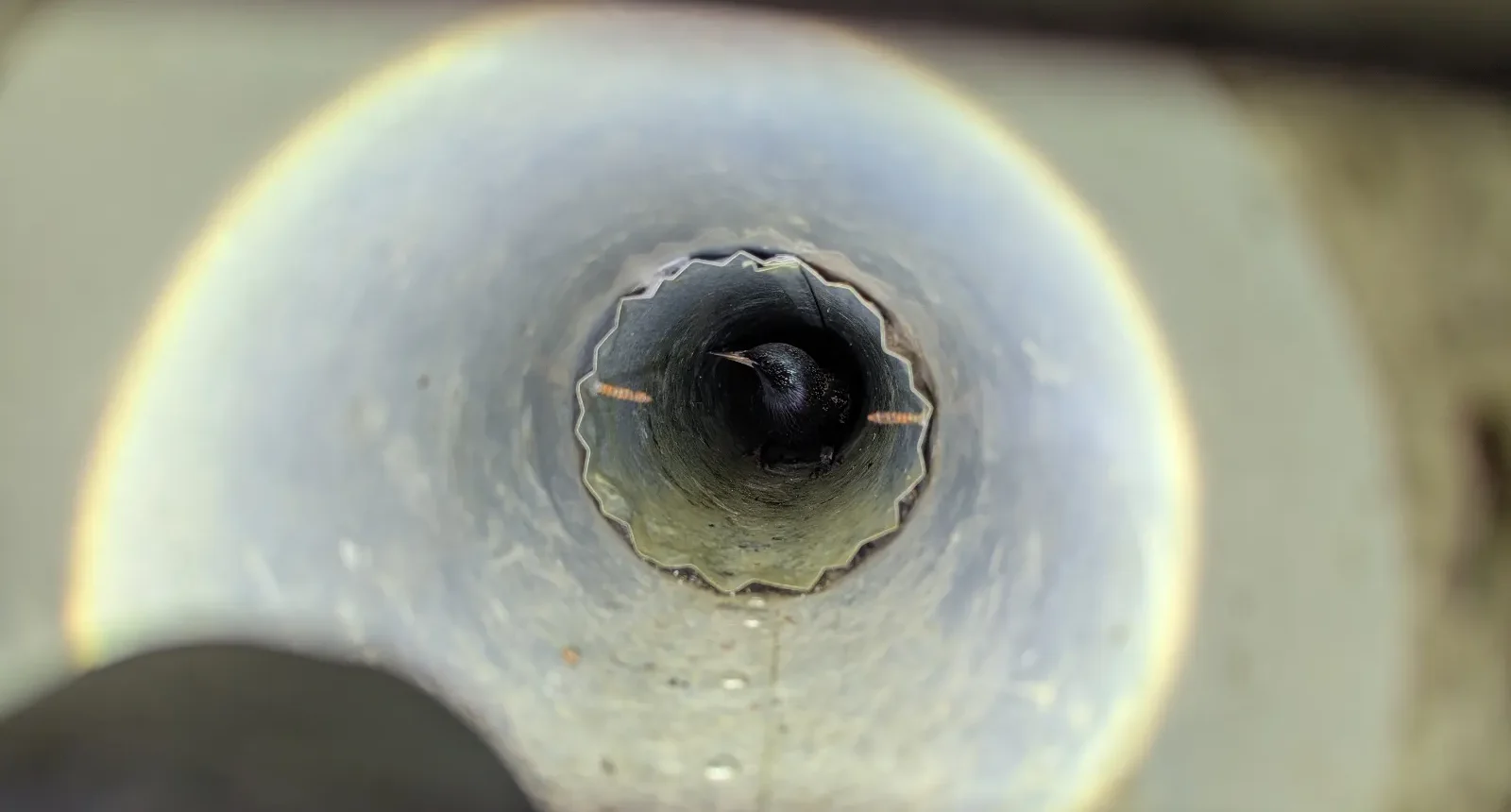
You will start to notice more bird activity as winter fades and spring begins. The direct answer is this: seasonal birdwatching in spring brings a wide range of bird species, from early arrivals like robins and blackbirds to colourful migrants like warblers and orioles. These animals return for food, nesting, and warmer weather, and many will pass right through your yard.
You may hear more singing in the morning or see more movement in trees and open spaces. This is because spring is one of the busiest times of year for bird activity. At Skedaddle Humane Wildlife Control in Brooklyn Park, we often see how quickly this activity increases around homes and properties.
In this blog, you will learn what birds you’ll see in the spring while seasonal birdwatching, how their behaviour changes through the season, and how our team helps protect your home as activity grows.
What Birds Are Associated With Spring?
You will most often see birds that return from migration or become more active after winter. These include robins, blackbirds, swallows, warblers, and songbirds. Each group arrives at different times throughout the season.
Some birds are early arrivals, showing up as soon as the snow begins to melt. Others arrive later when insects and plants become more available. This creates waves of activity from late winter into early summer.
Spring is also when these animals begin nesting and defending their space. This is why you may notice more noise, movement, and interaction near your home.
Early Spring Birds (Late February to March)
As the weather begins to warm, you will start to see the first wave of birds returning. These early arrivals are strong and can handle colder temperatures. Their presence is one of the clearest signs that spring is starting.
You will often see these animals in open spaces, lawns, and near water. They are focused on finding food and settling back into their usual areas. Here are some of the most common early spring birds to watch for.
- Red-winged Blackbirds & Common Grackles: You will often see these birds arrive in large groups early in the season. Their calls are loud and easy to recognize in open fields and wetlands. They are one of the first signs that spring migration has begun.
- American Robin: You will often see robins hopping across lawns looking for food. They are one of the most familiar early spring birds. Some stay all year, but many become more active as temperatures rise.
- Waterfowl (Canada Geese, Mallards, Wood Ducks, Bufflehead, Tundra Swans): You will see more water birds as lakes and rivers begin to thaw. They gather in groups near open water. Their return adds movement and sound to early spring landscapes.
- American Woodcock: You may spot this animal at dawn or dusk during its unique “sky dance.” It flies upward and then spirals back down in a display. This behaviour is one of the most interesting signs of early spring.
- Birds of Prey (Turkey Vultures, Bald Eagles, Red-tailed Hawks, Northern Harriers): You may notice large birds flying high as they move north. They search for food across open land. Their return shows that migration is well underway.
Mid-Spring Birds (April Activity)
As temperatures rise, you will start to see more bird activity and variety. Mid-spring brings more sound, movement, and colour to your surroundings. Many of these animals are now fully active and preparing for nesting.
You may notice more birds flying quickly or moving through trees and open areas. This is because insects and food sources are becoming more available. Here are some birds commonly seen during this time.
- Eastern Phoebe: You will often see this bird near buildings and trees catching insects. It moves quickly and returns to the same spots often. It is usually one of the first flycatchers to arrive in spring.
- Tree Swallow & Barn Swallow: You will see these birds flying quickly through the air as they catch insects. Their fast and smooth movement makes them easy to spot. They arrive once flying insects become more common.
- Fox Sparrow & Song Sparrow: You may notice these birds moving along the ground in leaf litter. They search for food and stay close to bushes and low areas. Their songs become more common as spring continues.
- Yellow-rumped Warbler & Palm Warbler: You will often see these early warblers moving through trees and shrubs. They are some of the first colourful birds to arrive. Their presence marks the start of peak migration.
- Great Blue Heron & Great Egret: You may spot these large birds near ponds and wetlands. They move slowly and are easy to recognize. Their return shows that water areas are becoming active again.
- Ruby-crowned Kinglet: You may hear this small bird before you see it. It has a loud and lively song for its size. It moves quickly through branches while searching for food.
Late Spring Birds (May Peak Migration)
Late spring is when bird activity reaches its highest point. You will see the greatest variety of birds during this time. Many species are passing through or settling into nesting areas.
You will also notice brighter colours and more unique animals. This is when migration is at its peak. Here are some late spring birds to watch for.
- Warblers (Yellow, Magnolia, Black-and-white, Chestnut-sided and more): You will see many types of warblers moving through trees. They are small, colourful, and very active. This group brings some of the brightest colours of the season.
- Baltimore Oriole & Orchard Oriole: You will notice them by their bright orange and black colouring. They often stay high in trees and are easy to spot. Their arrival adds bold colour to spring landscapes.
- Rose-breasted Grosbeak: You may see this bird at feeders or in trees. The male has a bright red patch on its chest. It stands out clearly against green leaves.
- Indigo Bunting: You will notice this animal by its deep blue colour. It prefers open areas and forest edges. Its colour becomes more vivid in sunlight.
- Scarlet Tanager: You may spot this bright red bird high in trees. Its colour is very bold and easy to recognize. It is less common but very striking when seen.
- Ruby-throated Hummingbird: You will see this small bird hovering near flowers. It feeds on nectar and moves very quickly. Its wings create a soft humming sound.
- Shorebirds (Least Sandpiper, Short-billed Dowitcher): You may find these birds near water or muddy areas. They search for food along shorelines. Their movement adds variety to late spring birdwatching.
Birdwatching Tips for Spring
Spring is one of the best times to watch birds. You will see more movement, hear more songs, and notice more variety. A few simple tips can help you get the most out of the season.
These tips can help you spot more of these animals and understand their behaviour better. Timing and location make a big difference. Here are some helpful things to keep in mind.
- Listen for Song: You will hear the most bird activity early in the morning. They sing to claim space and attract mates. Listening carefully can help you find them even if you cannot see them right away.
- Follow the Weather: You may notice more birds after certain weather changes. Warm winds and clear skies often bring new arrivals. These conditions can lead to busy migration days.
- Check Wetlands and Ponds: You will often see more birds near water areas. These spaces attract many species looking for food. They are great places to watch a variety of birds in one spot.
- Use Native Plants: You can attract more birds by having natural plants and water nearby. These provide food and shelter for tired travellers. This makes your space more active during migration.
Why Bird Activity Increases in Spring
You will notice more birds in spring because this is a key time for survival and growth. Birds return to find food, build nests, and raise their young. This creates a lot of movement and activity around your home and neighbourhood.
Longer days and warmer weather also play a big role. Birds use light and temperature to guide where they go and what they do. As these conditions improve, their energy and activity increase quickly. You may start to hear more songs and see more movement each day.
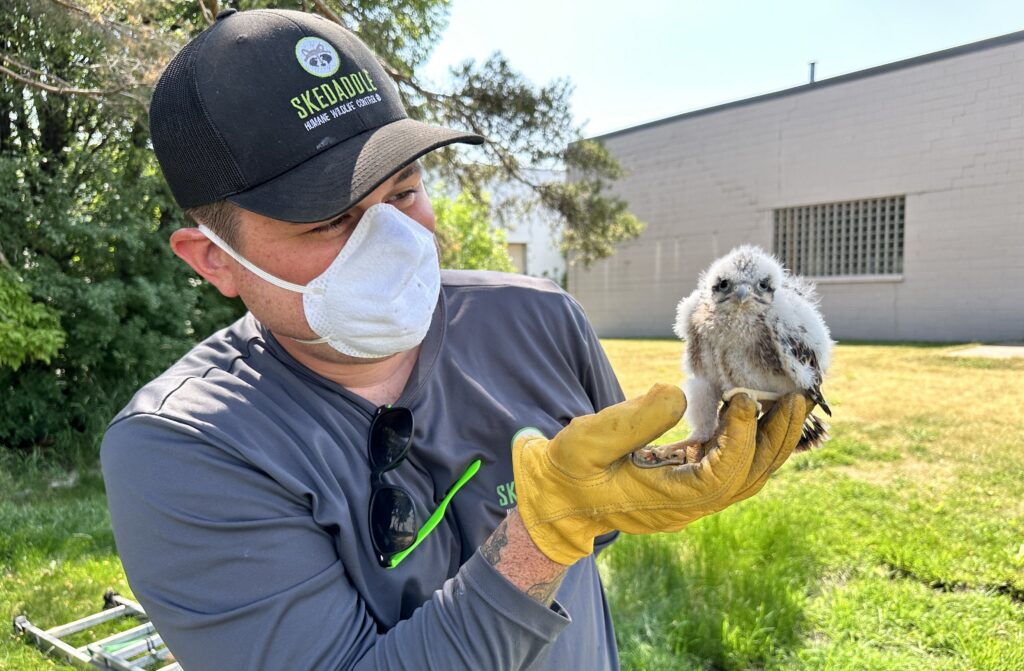
This increase in activity can bring these animals closer to your home. Rooflines, vents, and quiet areas can look like safe places to rest or nest. Once they find a good spot, they may return again and again. This is why spring often brings more bird presence around your property.
Bird Prevention for Your Home
You will notice more birds in spring because this is a key time for survival and growth. Birds return to find food, build nests, and raise their young. This creates a lot of movement and activity around your home and neighbourhood.
Longer days and warmer weather also play a big role. Birds use light and temperature to guide where they go and what they do. As these conditions improve, their energy and activity increase quickly. You may start to hear more songs and see more movement each day.
This increase in activity can bring birds closer to your home. Rooflines, vents, and quiet areas can look like safe places to rest or nest. Once they find a good spot, they may return again and again. This is why spring often brings more bird presence around your property.
Birds in Brooklyn Park
You live in an area where seasonal changes strongly affect bird activity. Spring brings a large increase as birds return from migration. This leads to more movement, noise, and interaction around homes.
Many homes in Brooklyn Park have features that attract birds. Rooflines, vents, and nearby trees provide shelter and easy access. These spaces can quickly become nesting areas if they are not protected. This makes early awareness very important.
Weather also plays a key role in how birds behave. Warmer temperatures and longer days increase their activity and movement. You may notice more of these animals around your property during this time. This is why spring is the most important season to stay aware and protected.
Frequently Asked Questions
What birds come back first in spring?
Robins and blackbirds are usually the first to return. They can handle cooler temperatures. Their arrival often signals the start of the season.
Why are birds more active in spring?
These animals are focused on feeding and nesting. Warmer weather makes food easier to find. This increases movement and visibility.
Do birds stay all spring?
Some birds stay, while others pass through. Migration patterns vary by species. This creates changing activity over time.
Why do birds gather near homes?
Homes offer shelter and protection. Rooflines and vents can provide safe nesting spots. This attracts these animals during busy seasons.
When is peak birdwatching season?
Late spring is usually the busiest time. This is when most species are active. You will see the highest variety during this period.
Enjoy the Spring Without the Bird Stress
Spring is one of the best times to enjoy birdwatching. You will see a wide range of species returning, feeding, and nesting. This activity brings energy and life back to your surroundings. At the same time, it can create new challenges around your home if birds settle in the wrong places.
The increase in movement, sound, and nesting behaviour can lead to issues if left unchecked. Small entry points and quiet spaces can quickly become problem areas. Once these animals begin using these spaces, they often return again and again. This can lead to ongoing activity and damage over time.
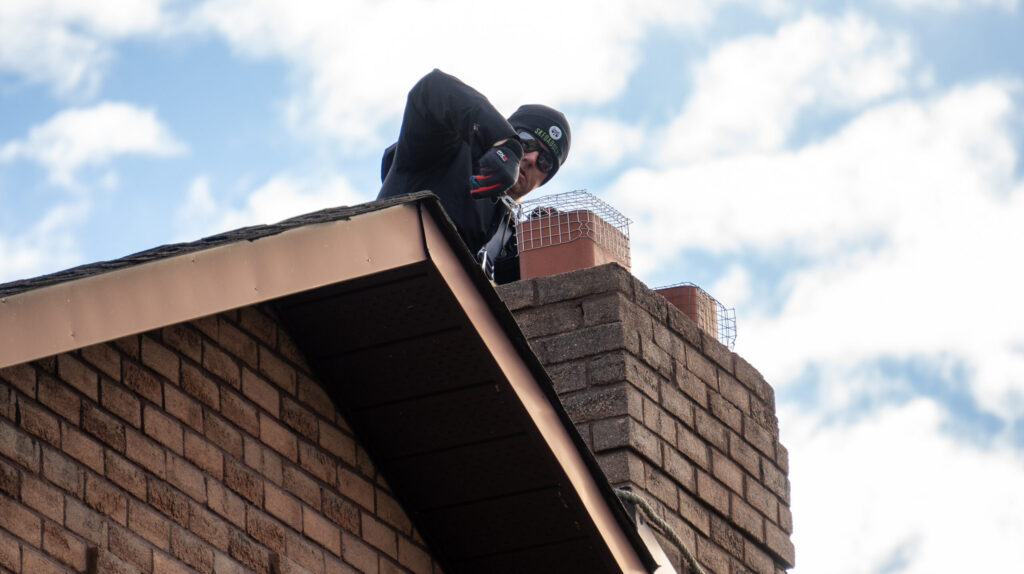
At Skedaddle Humane Wildlife Control in Brooklyn Park, we help you manage this safely and effectively. We handle removal, prevention, and protection so you can enjoy the season without the stress. Our team uses proven methods to keep your home secure while allowing birds to move on naturally.
You can request an estimate today to learn more. We are ready to help you protect your home and enjoy spring with peace of mind.

 Loading...