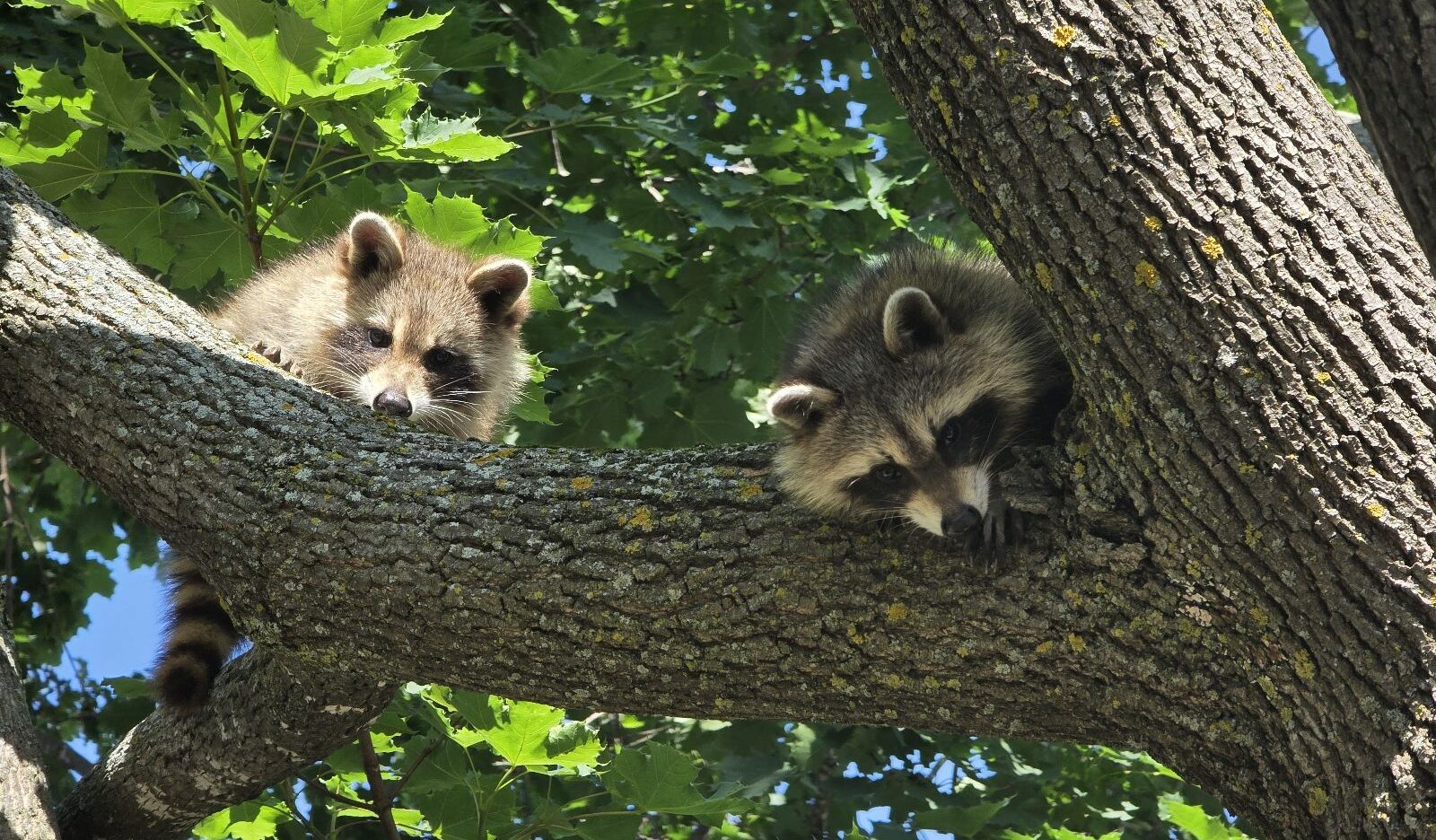
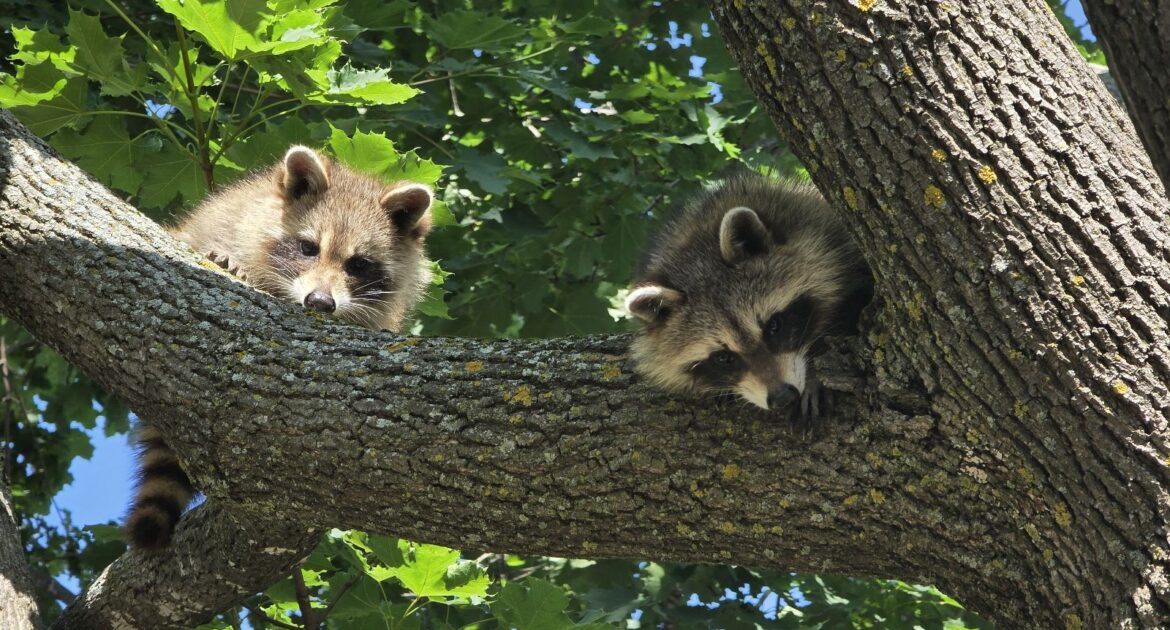
Hearing scratching, thumping, or scurrying sounds in your attic can be unsettling. If you suspect a raccoon has taken up residence, it’s natural to wonder whether you should confront it yourself. At Skedaddle Humane Wildlife Control in Minnetonka, we know that these situations can feel stressful, and we want homeowners to make safe, informed choices.
While the instinct might be to investigate or try to remove the animal, approaching a raccoon in an enclosed space is never safe. Raccoons are wild animals with strong instincts to defend themselves and their young, and even a seemingly calm raccoon can become aggressive if startled. In this blog, we’ll discuss why homeowners should avoid direct contact, how to recognize raccoon activity, and why professional, humane wildlife control is the safest approach for both people and animals.
Understanding Raccoon Behavior
Raccoons are incredibly adaptable and clever animals, which is part of what allows them to thrive in urban and suburban areas. They are nocturnal, which means most of their activity occurs at night—often when homeowners are trying to sleep and suddenly hear noises coming from the attic.
- Raccoons are highly protective of their young, especially in spring when kits are born.
- A female raccoon may have 2–5 kits per year, usually in late spring, which makes her more defensive if she perceives a threat.
- They are excellent climbers and can gain access to attics via chimneys, vents, or even tree branches that touch the roof.
Understanding these behaviors helps homeowners see why approaching a raccoon directly is risky. A wild animal’s instinct is to protect itself and its young, not to be confronted by humans in tight, enclosed spaces.
The Risks of Approaching a Raccoon
Even if the raccoon seems calm, approaching it can lead to serious consequences. Raccoons are strong and agile, and their natural defenses can quickly turn a minor nuisance into a dangerous situation.
- Physical risks: Sharp teeth and claws can inflict serious injuries if the raccoon feels threatened.
- Health risks: Raccoons can carry rabies, roundworms, and other pathogens that are harmful to humans and pets.
- Property risks: Raccoons may panic and cause additional damage while trying to escape, including tearing insulation, chewing wires, or breaking vent screens.
According to the Centers for Disease Control and Prevention (CDC), raccoons are responsible for thousands of bite and scratch incidents every year in the U.S., many of which occur when people try to handle them without proper training. Approaching a raccoon in an attic, where the space is tight and the animal feels trapped, significantly increases these risks.
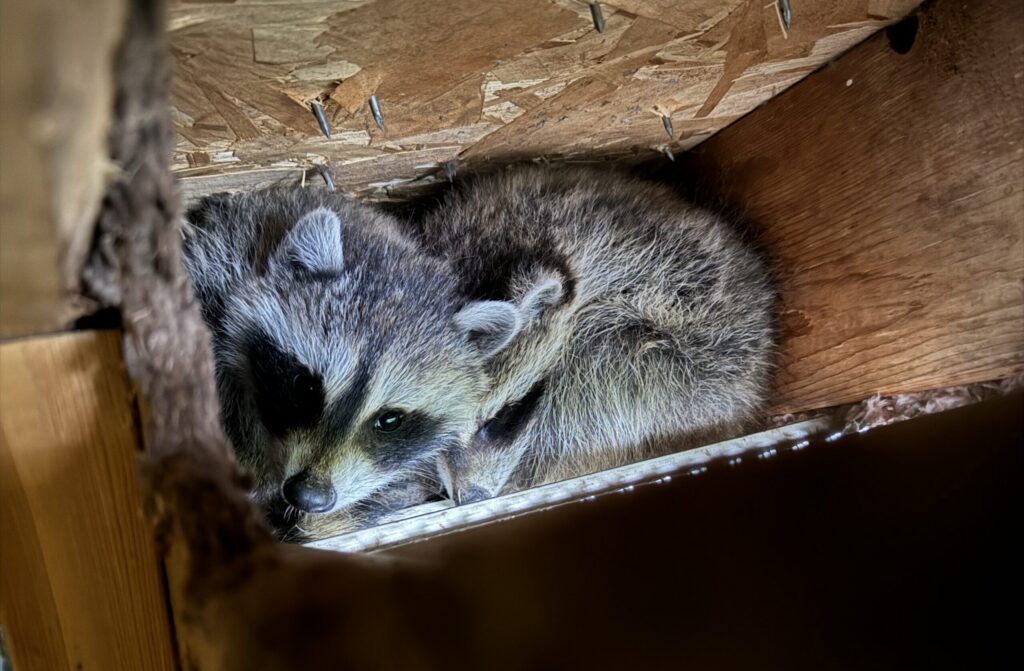
Signs a Raccoon Is in Your Attic
Recognizing the signs of raccoon activity can help you take action safely, without ever approaching the animal. Common indicators include:
- Scratching, thumping, or scurrying noises, especially at night
- Damaged insulation or chewed wiring
- Droppings or urine stains along rafters or in corners
- Torn roof vents, shingles, or soffits
- Tracks or footprints near entry points
Even if you only notice subtle signs, it’s important to take the situation seriously. Early detection allows professionals to resolve the problem safely, before damage becomes costly or the risk to your family increases.
Why Professional Assessment Is Crucial
Attempting to handle a raccoon on your own is not just risky—it can worsen the situation. Professional wildlife control specialists can assess the problem safely and recommend humane solutions that protect both your home and the animals involved.
- Entry point identification: We inspect your home thoroughly to find gaps, vents, or other vulnerable areas.
- Seasonal assessment: Knowing whether a female raccoon is raising young affects timing and strategy.
- Safety planning: Professionals ensure homeowners and pets are not exposed to injury or disease during assessment and resolution.
With a professional approach, you avoid the risk of bites or scratches, prevent further property damage, and ensure that the situation is handled ethically.
Humane and Safe Conflict Resolution
Humane wildlife control focuses on solutions that address the problem while minimizing stress to the animal. At Skedaddle in Minnetonka, we use methods that prioritize safety for both the homeowner and the raccoon.
- Securing entry points to prevent future access
- Installing safe deterrents to encourage movement away from high-risk areas
- Educating homeowners on seasonal behaviors, like mating or raising young, which affect raccoon activity
These humane strategies reduce the chance of repeat visits, minimize property damage, and ensure the animal remains safe. Unlike harmful methods, humane approaches provide long-term peace of mind without creating unnecessary suffering.
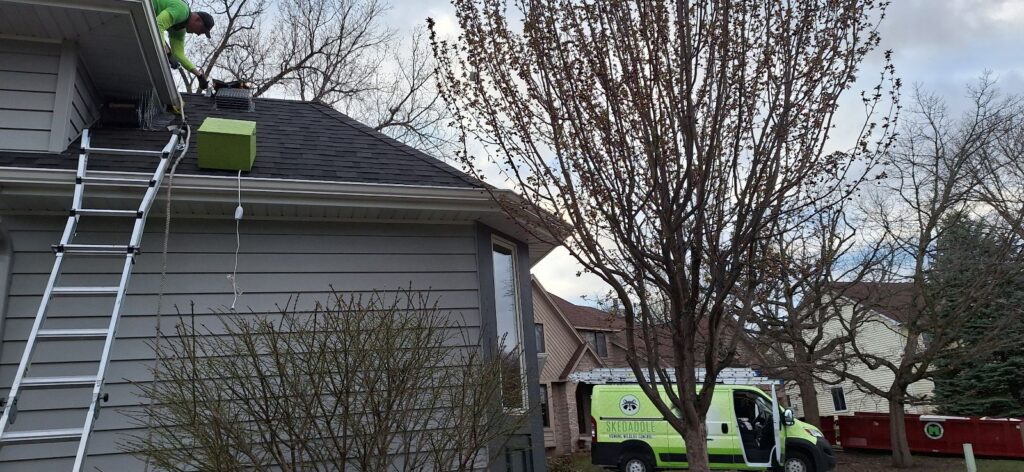
Seasonal Considerations: Why Spring Is Riskier
Spring is a critical time for raccoons because it coincides with their breeding and rearing season. Female raccoons are especially protective during this period, which increases the risk of aggressive behavior if someone tries to approach them.
- Female raccoons often move into attics in late spring to give birth.
- Young kits remain in the nest for several weeks, making mothers more defensive.
- Raccoon activity generally increases during this time as they search for food and maintain their nests.
Understanding seasonal patterns helps homeowners know why avoiding direct contact is essential. Professionals are trained to address these seasonal risks safely.
Prevention Tips for Homeowners
While you should never approach a raccoon directly, there are steps you can take to reduce the chances of them entering your attic. Proactive prevention is safer and more effective than waiting for a problem to escalate.
- Secure garbage and compost bins: Keep food sources inaccessible.
- Trim tree branches near your roof: Raccoons often use branches to access attics.
- Seal gaps and vents: Inspect for holes, broken screens, or loose siding.
- Remove attractants near your home: Keep pet food, birdseed, and fallen fruit away from exterior walls.
Regular maintenance and awareness of wildlife behavior reduce the likelihood of conflicts and make it easier for professionals to manage situations when they arise.
Why Professional, Humane Solutions Are the Smart Choice
Homeowners who rely on humane wildlife control gain multiple benefits:
- Reduced risk of injury or disease exposure
- Prevention of repeated wildlife conflicts
- Protection of property and investment
- Assurance that wildlife is treated ethically
By working with professionals like Skedaddle, homeowners enjoy peace of mind knowing their home is secure and wildlife is handled responsibly. Humane methods combine safety, ethics, and long-term effectiveness, making them the smartest choice for modern homeowners.
Safety First for You and the Raccoon
Encountering a raccoon in your attic can be stressful, but approaching it yourself is never the safest option. Recognizing signs of raccoon activity, understanding seasonal behavior, and implementing preventive measures are all essential steps to protect your home and family.
Humane wildlife control is now the industry standard because it protects people and animals alike. At Skedaddle Humane Wildlife Control in Minnetonka, we provide professional assessments, safe strategies, and ongoing guidance to ensure your home remains secure. Choosing humane solutions protects your property, keeps wildlife safe, and provides lasting peace of mind.

 Loading...







