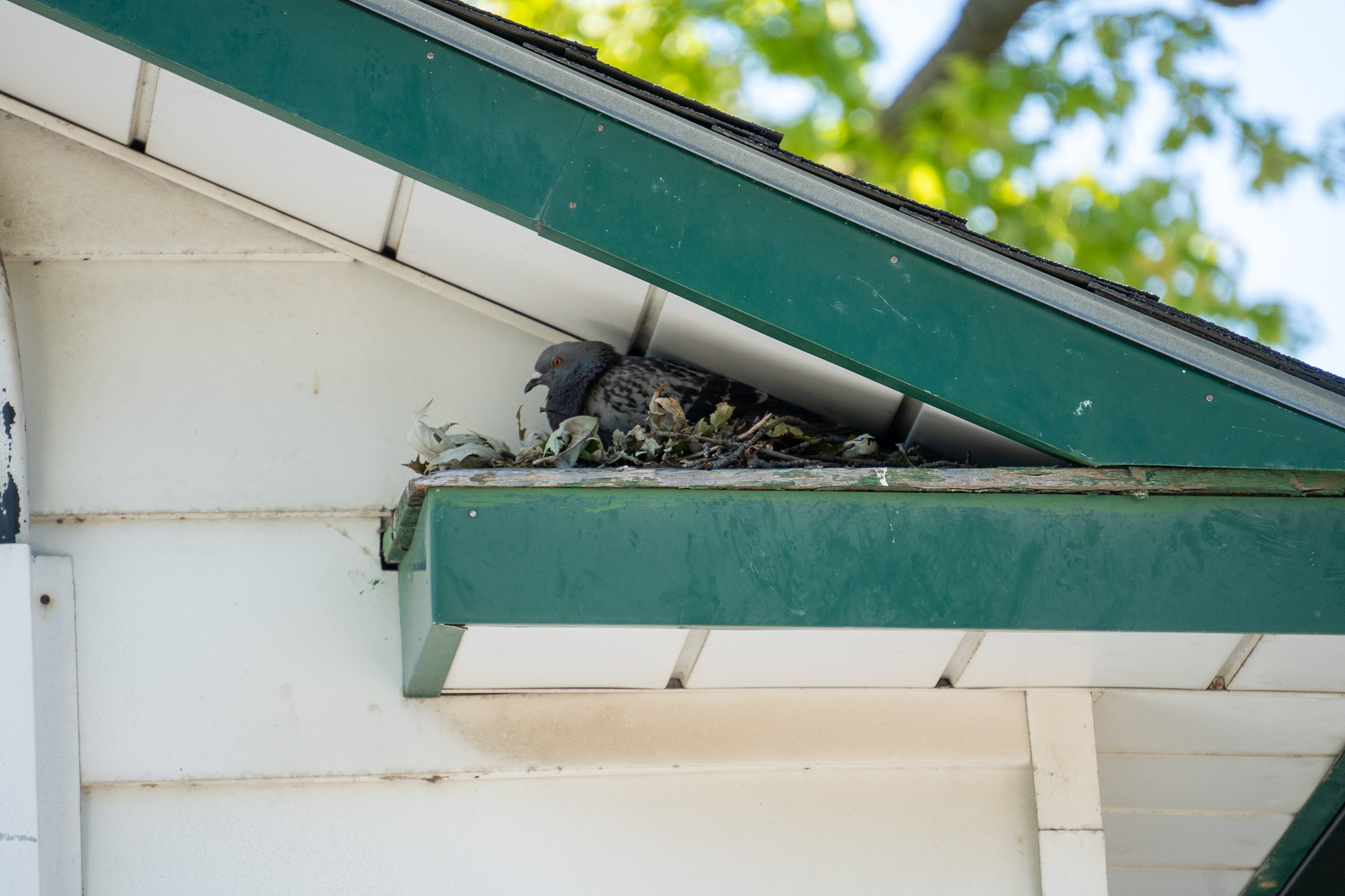
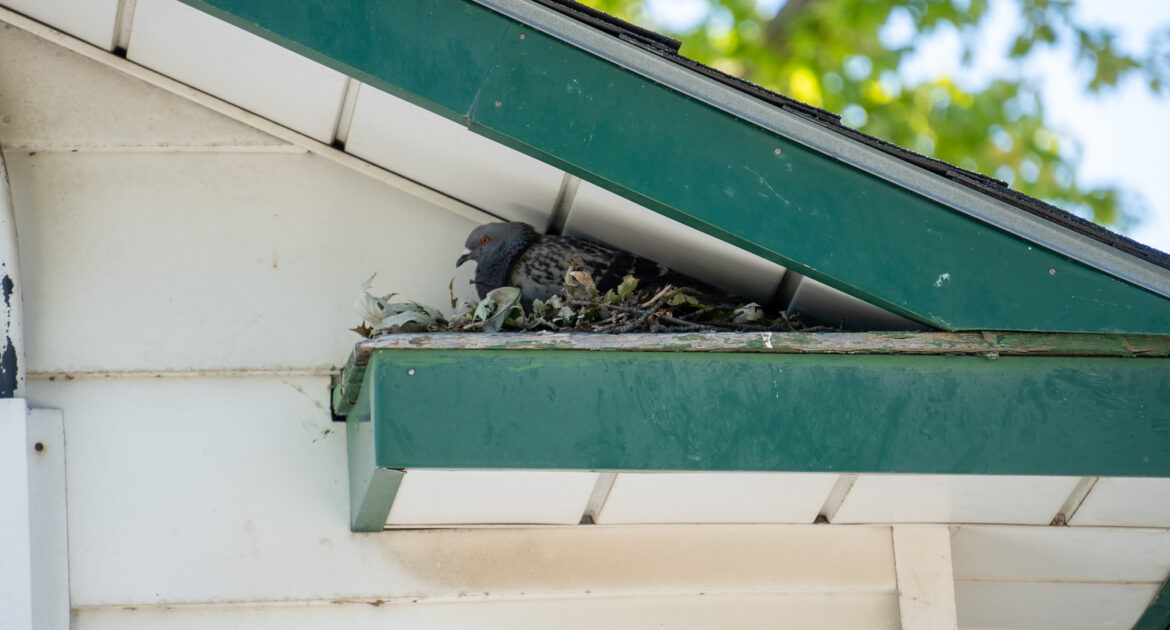
Birds bring life and beauty to our neighborhoods, but when they start nesting near homes, problems can quickly arise. One of the biggest concerns homeowners face is bird droppings health risks. While it may seem like just a mess to clean, bird droppings can carry harmful bacteria, fungi, and parasites that affect your family’s health.
At Skedaddle Humane Wildlife Control in Brooklyn Park, we help homeowners understand the dangers birds can pose and provide humane solutions to prevent issues before they escalate. Ignoring bird activity can lead to serious health concerns and structural damage, so early action is key.
Why Bird Droppings Are More Than a Nuisance
Bird droppings are more than just unsightly—they can pose real threats to your health. Studies show that urban birds can carry diseases from birds that humans may contract if exposed to contaminated surfaces or airborne dust from dried droppings.
Some of the common ways bird droppings impact your home and health include:
- Contaminating outdoor patios, roofs, and vents
- Spreading fungal spores that can affect the respiratory system
- Attracting insects and other animals that may carry additional pathogens
According to the CDC, areas with heavy bird activity can see a 30–40% higher risk of fungal spores in the air around droppings, highlighting the importance of professional prevention.
Common Diseases from Birds
Birds, while beautiful and an essential part of our ecosystems, can inadvertently pose health risks to humans when cleanliness around their habitats is neglected. Their droppings, nests, and even feathers can serve as carriers for various diseases, making it crucial to understand the potential threats and implement preventative measures.
Histoplasmosis
Histoplasmosis is a fungal infection that develops from inhaling spores found in dried bird droppings. Symptoms can include cough, fever, and fatigue. Urban areas like Brooklyn Park are at increased risk because birds often congregate in high densities.
Salmonella
Bacteria from bird droppings can contaminate surfaces and sometimes enter homes through ventilation systems. Salmonella exposure can cause nausea, diarrhea, and fever. Proper prevention is essential to avoid these risks.
E. coli and Other Bacterial Infections
Bird droppings can also carry E. coli, which spreads through airborne dust or direct contact. Symptoms are often gastrointestinal, making it crucial to limit exposure around your home.
Parasites
Nesting materials may host mites, lice, or ticks. These parasites can bite humans and pets, leading to irritation and potential health problems.
Allergies and Respiratory Issues
Feathers, dust, and droppings can trigger asthma or allergies. Studies show that repeated exposure can worsen symptoms, particularly for children and sensitive adults.
Areas of the Home Most at Risk
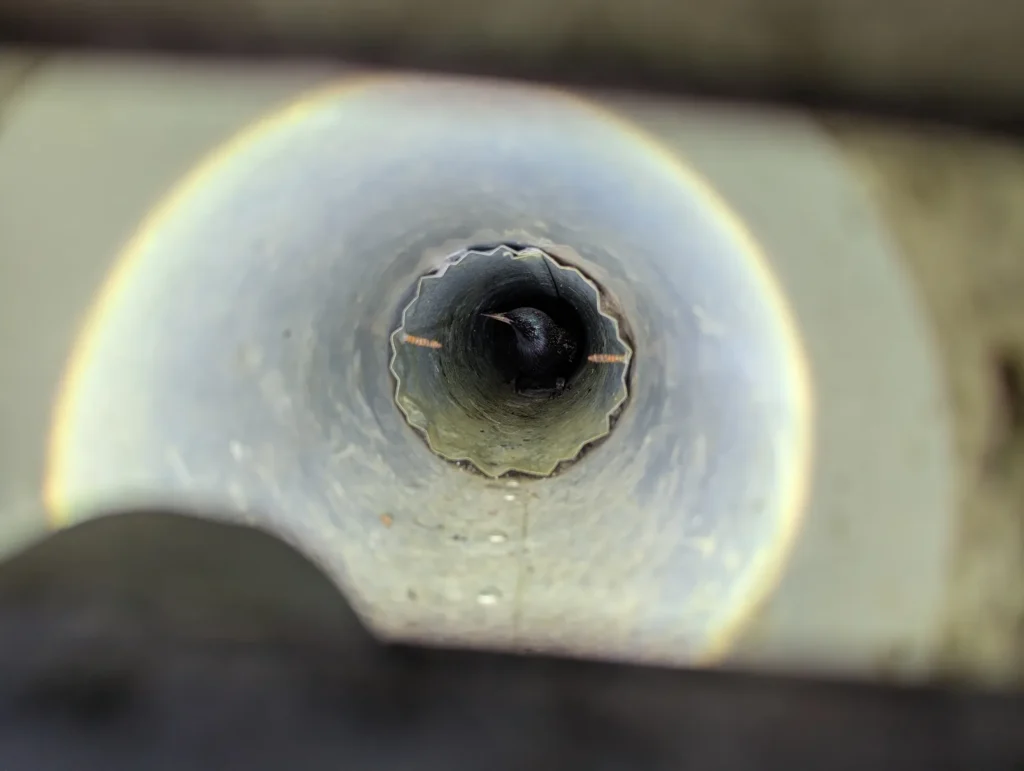
Birds often choose high, sheltered areas for nesting, which can make problems less visible until they escalate. Common areas at risk include:
- Rooflines, eaves, and gutters
- Attics and ventilation systems
- Balconies, patios, and outdoor ledges
- Windowsills and entry points for nesting
Keeping these areas protected is essential to reduce exposure to bird infestation dangers.
Signs You May Have Bird Infestation Dangers
Even without seeing birds regularly, certain signs indicate that birds could be affecting your home:
- Accumulation of droppings near rooflines or vents
- Nesting materials in gutters or attic spaces
- Dust or unusual odors from feathers and droppings
- Increased presence of insects attracted to nests
If you notice any of these signs, it’s a strong indication that professional evaluation is needed to prevent health risks associated with bird droppings from escalating.
Humane Prevention and Professional Solutions
At Skedaddle, we focus on humane bird prevention rather than traps or relocation. Our approach ensures long-term protection while respecting wildlife.
Common methods we use include:
- Installing bird-proofing measures like netting and spikes
- Securing rooflines, vents, and other access points
- Removing attractants such as accessible food or open garbage areas
These measures protect your home from both structural damage and diseases from birds without harming the animals.
Long-Term Benefits of Professional Bird Prevention
Investing in professional bird prevention offers multiple advantages:
- Protects your roof, attic, and outdoor spaces from contamination
- Reduces exposure to bacteria, fungi, and parasites
- Prevents recurring nesting and ongoing health risks
- Provides peace of mind knowing your home is safe and wildlife-friendly
Research indicates that homes with professionally installed bird exclusion measures experience a 90% reduction in repeat bird activity, making prevention highly effective.
Why Professional Experience Matters
Wildlife behavior is complex, and improper prevention can lead to repeated issues. At Skedaddle, we combine decades of experience with humane, science-backed methods to ensure long-lasting results.
Our team assesses the property comprehensively, addressing:
- Existing entry points for nesting
- Areas prone to droppings accumulation
- Roofline and vent vulnerabilities
This holistic approach ensures both your home and health are protected from bird droppings health risks.
Protect Your Home and Health with Humane Bird Solutions
Birds may seem harmless at first, but bird droppings, health risks and bird infestation dangers can create serious problems if left unchecked. Professional, humane prevention is the safest way to protect your home, family, and pets.
At Skedaddle Humane Wildlife Control in Brooklyn Park, we specialize in safe, long-term solutions for bird prevention. If you’re noticing droppings, nesting, or unusual activity around your home, our team is here to help provide peace of mind and expert protection for years to come.

 Loading...







