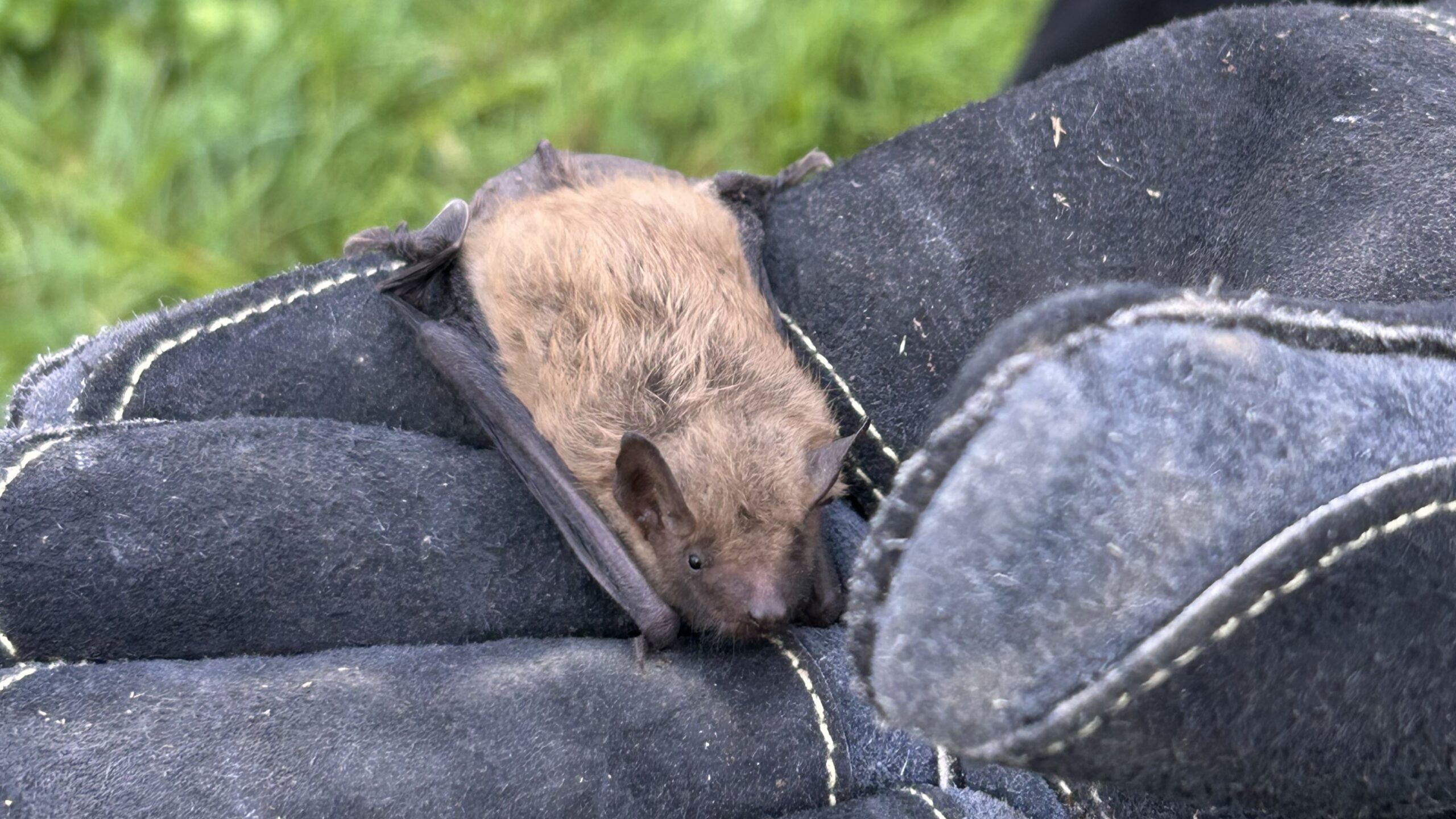
If you’ve ever heard scratching or faint squeaks coming from above your ceiling, you’re not imagining things. You might have bats roosting in your attic and while that can sound alarming, there’s actually a fascinating reason behind it.
You see, bats are just looking for a safe, warm, and quiet place to rest. For centuries, caves were their natural choice. But as cities like Brooklyn Park have grown and natural roosting sites have disappeared, many bats have adapted to something that feels surprisingly similar, your attic.
At Skedaddle Humane Wildlife Control in Brooklyn Park, we often see how modern homes mimic caves in ways that bats find irresistible. Let’s look at why bats roost in attics, what makes these spaces ideal, and how humane removal and prevention keep both you and these animals safe.
The Perfect Imitation of a Cave
Attics have a lot in common with caves. It’s dark, quiet, and often untouched by people for months at a time. Bats are drawn to this because it provides the same sense of security they once found in nature.
When we look at bat attic vs. cave roosting, the similarities stand out:
- Darkness and Isolation: Just like caves, attics have little light and few disturbances.
- Stable Temperatures: Insulated attics hold warmth, protecting bats from harsh weather.
- High Entry Points: Rooflines, vents, and gaps under eaves are easy for bats to access.
- Safety from Predators: Indoors, bats don’t have to worry about snakes or birds of prey.
You might think your attic is just extra storage space, but to a bat, it’s the perfect imitation of the environment their species evolved to use.
Warmth During Harsh Minnesota Winters
You might not realize it, but temperature plays a big role in bat roosting habits. Bats are warm-blooded mammals that can’t handle long exposure to freezing temperatures. That’s why they seek insulated, sheltered spaces when the weather turns cold.
In the wild, they would hibernate in deep caves that hold steady temperatures year-round. In neighborhoods like Brooklyn Park, homes provide the same comfort without the danger of flooding, predators, or freezing air.
Attics trap rising heat from the rest of your home, which makes them ideal winter shelters. Once bats settle in, they can cluster together to share body warmth, conserving energy until spring.
When the snow melts and the weather warms, most will leave on their own, unless there’s a colony already established that decides to stay.
Easy Access Through Tiny Openings
Bats don’t need much space to get inside. In fact, they can squeeze through openings as small as half an inch wide about the size of a thumb. That makes many homes in Brooklyn Park perfect targets without you even knowing it.
When inspecting homes, we often find entry points like:
- Loose roof shingles or warped fascia boards
- Open soffits and gaps in eaves
- Unscreened attic vents
- Gaps around chimneys or where siding meets the roofline
To a bat, these are natural openings like those in cave walls. Once one bat gets in, others soon follow. Colonies can quickly form if left undisturbed, and while they’re quiet guests at first, their droppings and odor eventually reveal their presence.
A Safe Space for Raising Young
Female bats look for roosts that offer warmth, safety, and a place to raise their young, which is why bat attic vs. cave roosting matters so much during baby season.
Attics provide the perfect nursery conditions:
- Warm, steady air for pups that can’t regulate body temperature
- Hidden corners and rafters for hanging upside down undisturbed
- Insulation that mimics soft cave walls
During the summer months, mothers gather in small maternity colonies. The young remain inside until they’re old enough to fly, usually mid- to late-summer. That’s why humane removal is so important, sealing bats in during this time can trap helpless pups inside.
We use specialized one-way doors that let bats exit safely while preventing re-entry. It’s the most effective and humane way to protect both your home and the animals.
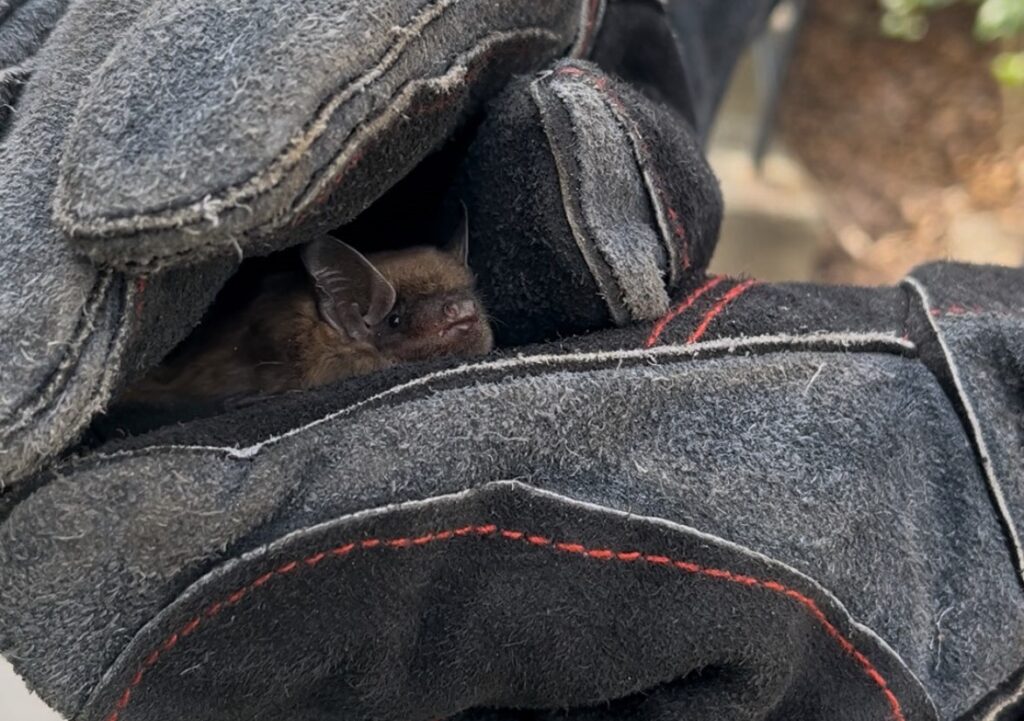
Food and Water Nearby
Bats don’t just choose homes for warmth, they also consider convenience. In Brooklyn Park, neighborhoods provide easy access to insects and nearby water sources.
- Streetlights and porches attract moths, beetles, and mosquitoes, easy meals for bats.
- Lakes and ponds nearby give them a steady water supply.
- Backyards and gardens create shelter for flying insects.
Your attic becomes the ideal resting spot near a reliable food source. Once they finish feeding at night, they can return to roost without traveling far, saving energy and avoiding predators.
Caves Are Harder to Find
One big reason why bats roost in attics is simply because natural caves are harder to find. Urban growth has reduced access to the dark, deep shelters they once relied on. Logging, quarrying, and development have all disrupted their natural roosting environments.
When their options are limited, bats adapt and they’ve done it remarkably well. They now use buildings, barns, bridges, and attics as replacements for what nature once provided. This adaptability is one reason bats continue to thrive even in cities.
But it also means more human-bat interactions, which is why calling professionals like Skedaddle Humane Wildlife Control matters. We can ensure these animals are removed safely and guided toward more suitable habitats outdoors.
Quiet, Hidden, and Undisturbed
One of the biggest attractions of an attic is peace and quiet. Bats are nocturnal, which means they sleep during the day. They prefer areas where light and noise are minimal.
You might not even realize bats are living above you because they move silently and only become active after sunset. The lack of daily disturbance helps them feel secure enough to stay for months, or even years, if left alone.
Once a colony finds a safe roost, they return year after year. That’s why permanent exclusion and professional prevention are so important. Without sealing every possible gap, they’ll come back as soon as the weather turns cold again.
What Attracts Bats to Certain Homes
Not every home in Brooklyn Park attracts bats equally. Certain features make some houses much more appealing.
Common reasons include:
- Older roofs or siding with gaps
- Warm attics with poor insulation
- Nearby trees providing easy access to rooflines
- Outdoor lighting that draws insects
- Homes located close to ponds or wooded areas
When these conditions combine, your home becomes a five-star resort for bats with everything they need within easy reach.
The Dangers of Ignoring Roosting Bats
While bats are fascinating animals and vital for controlling insects, they don’t belong inside your home. Their droppings, called guano, can damage insulation and create strong odors. Over time, it can also lead to moisture problems and mold growth.
More importantly, bats can carry diseases like rabies and histoplasmosis, though transmission to humans is rare, it’s not a risk worth taking.
That’s why we always recommend professional help instead of attempting to handle bats yourself. Our team uses humane techniques to remove them safely and ensure they can’t return.
Professional Bat Prevention With Skedaddle
You shouldn’t have to share your home with bats, especially when humane solutions exist. Our team at Skedaddle Humane Wildlife Control in Brooklyn Park specializes in long-term prevention that keeps animals outdoors where they belong.
When you contact us, we’ll:
- Perform a full inspection of your roof, attic, and vents.
- Identify every possible entry point.
- Install one-way doors that allow bats to leave safely but not re-enter.
- Seal and secure your home using durable materials that last.
You’ll gain peace of mind knowing your home is protected, and the bats have been guided out safely to find natural roosts elsewhere.
Keep the “Caves” Where They Belong
Bats entering your home are not intentionally causing harm to your property. They’re just adapting to the environment around them. Still, letting them stay can lead to damage and health concerns.
At Skedaddle Humane Wildlife Control in Brooklyn Park, we use humane, science-based methods that protect your home while respecting natural bat roosting habits. Request an estimate to learn more and keep your attic free from unwanted guests this season.

 Loading...







