You hear a flutter in the attic. Then maybe a chirp coming from the dryer vent. Soon, it sounds like a busy airport inside your home. At first, you may think it is just one bird family making noise.
But it is common for homeowners to be surprised by what they find. In some cases, there may be multiple bird species nesting in different parts of the house at the same time. When this happens, it is a clear sign of birds nesting in the house, not just passing through.
Birds usually prefer their own space, but certain conditions can turn a home into the perfect nesting spot. Warm air, quiet areas, and easy entry points all make attics and vents very attractive.
Over time, this can lead to a serious bird infestation attic issue. Nesting materials, droppings, and constant noise can affect insulation, airflow, and overall comfort. These problems often grow before homeowners realize how widespread the activity has become.
This is where professional help becomes important. At Skedaddle Humane Wildlife Control in Kitchener-Waterloo, trained wildlife specialists understand how and why birds choose homes for nesting. They know how to identify different entry points, recognize signs of overlapping activity, and address the issue safely. With the right inspection and prevention plan, our professionals can stop current nesting activity and help prevent birds from returning year after year.
Why Birds Share Space
Most birds are territorial. They want their own spot to raise their babies without anyone else bothering them. However, nature is full of surprises. Sometimes, different species end up as roommates in your home. Here are a few reasons why this rare event happens.
Too Many Birds, Not Enough Trees
In busy cities like Kitchener and Waterloo, finding a good nesting spot is tough for birds. Trees get cut down, and safe hollows are hard to find. Your home offers perfect protection from wind, rain, and predators.
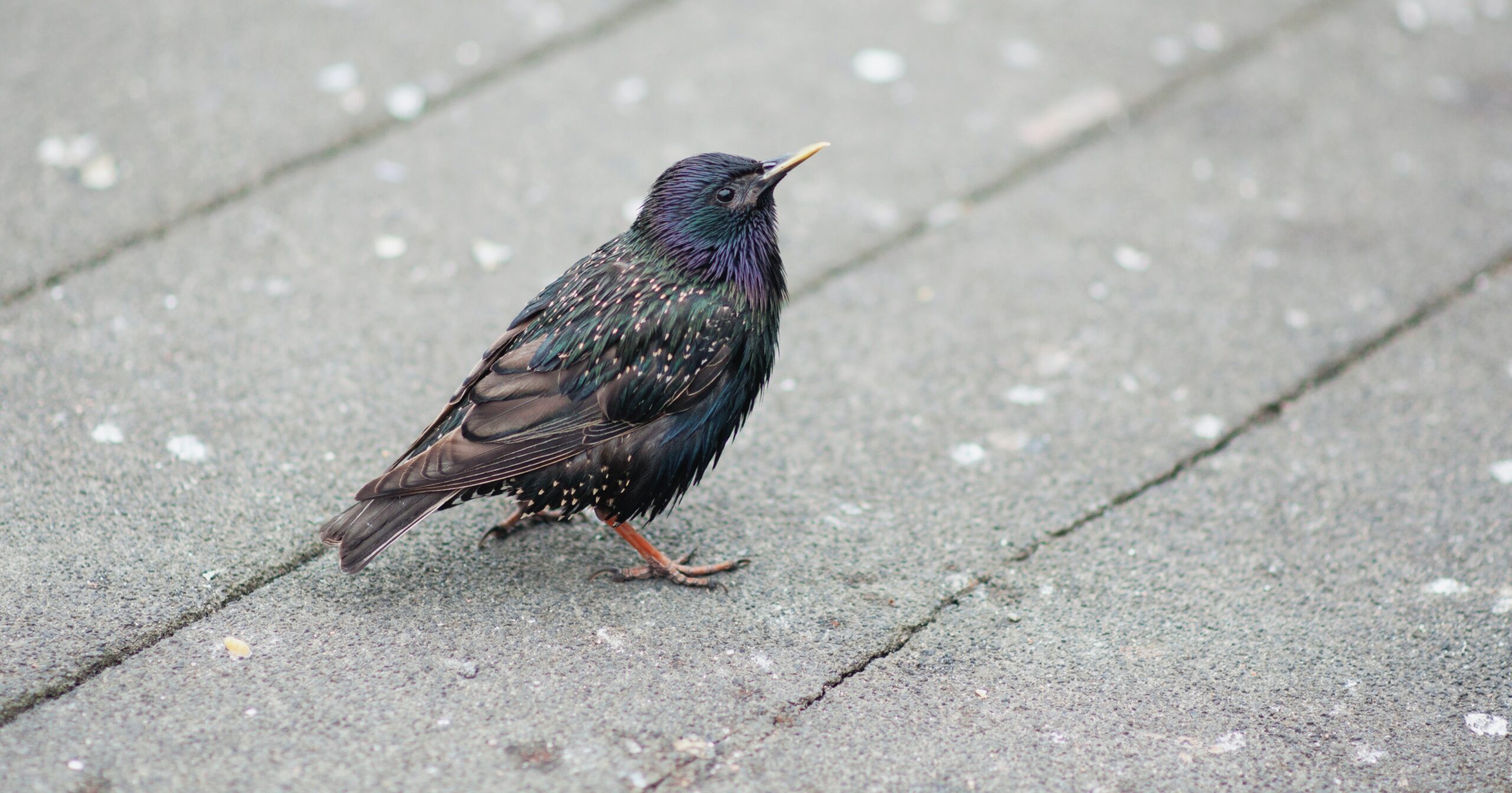
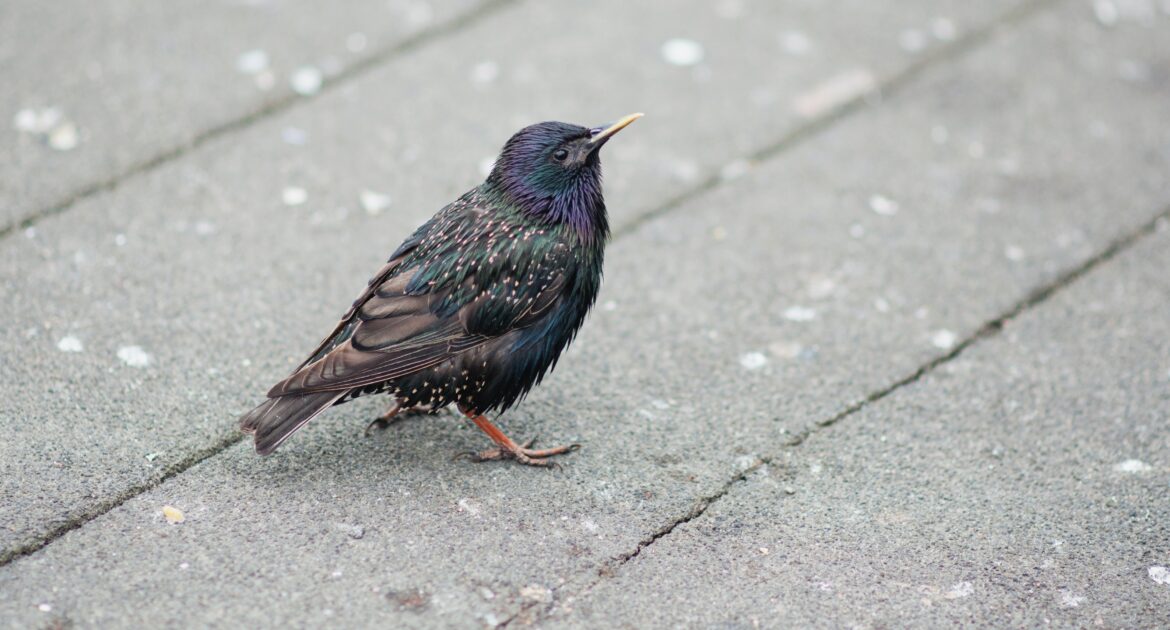
If you have a large attic or multiple vents, one bird family might not even know the other is there. For example, a starling might claim a bathroom vent, while a house sparrow sets up camp in the attic eaves. They are using different “apartments” in the same building. This leads to multiple bird species nesting in your home without fighting over the same square foot of space.
Different Nesting Habits
Different birds like different kinds of homes. Because of this, they might not see each other as competition.
- Cavity Nesters: Birds like starlings or sparrows love dark, enclosed spaces. They will squeeze into small holes in your siding or vents.
- Ledge Nesters: Birds like robins or doves prefer flat surfaces. They might build a nest on a sheltered beam of your porch or under the eaves.
Since they aren’t looking for the exact same type of spot, you could easily have birds nesting in the house (or on it) in two different locations at once.
One Moves Out, Another Moves In
Sometimes, it isn’t about sharing space at the same time, but rather a quick takeover. This is called succession.
- One bird family finishes raising their babies and leaves.
- A different species sees the empty, safe spot and moves in right away.
To you, it feels like continuous noise and activity. It seems like they are there together, but they are actually taking shifts. However, this still creates a buildup of nesting material and droppings that needs professional attention.
The “Lazy” Parent Strategy
There is a bird called the Brown-headed Cowbird that doesn’t build its own nest at all. Instead, it lays its eggs in another bird’s nest. This is a type of parasitism.
- The original mom bird ends up raising a baby that isn’t hers.
- This results in a mixed-species brood in one single nest.
While this is rare inside a house structure compared to a tree, it is a fascinating example of how two types of birds can be connected to one nesting site.
The Risks of a Crowded House
Having one bird family in your vents or attic is stressful. Having two types means double the trouble. It is important to know why this is bad for your home.
Damage to Your Home
Birds are busy builders. They bring in grass, twigs, mud, and even bits of plastic. When you have multiple bird species nesting, this material piles up fast.
- Blocked Vents: Nests in dryer or bathroom vents stop air from flowing. This can cause appliances to overheat and even start fires.
- Ruined Insulation: In an attic, birds will tear up insulation to make their beds. They trample it down, which makes it less effective at keeping your house warm or cool.
- Chewed Wires: Some birds might peck at electrical wiring, which is a serious safety hazard.
Health Concerns
Birds leave behind more than just twigs. They leave droppings, which can carry diseases. When droppings dry out, they turn into dust that can travel through your air ducts.
- Bacteria: Salmonella and E. coli are common.
- Parasites: Birds can bring in mites, ticks, and fleas. If the birds leave, these bugs might look for a new host—you or your pets.
- Mould: Wet nesting material can lead to mold growth in your walls or attic.
Noise and Smell
Two families mean twice the noise. You might hear scratching, chirping, and fluttering at all hours of the day. As the babies grow, they get louder. Also, the accumulation of droppings creates a very bad smell that can seep into your living areas.
Why You Shouldn’t Do It Yourself
It is natural to want to fix the problem right away. You might think about climbing a ladder to pull the nest out. Please stop! This is not a good idea for several reasons.
- It’s Dangerous: climbing ladders and reaching into vents puts you at risk of falling.
- It’s Unhealthy: You should never touch bird droppings or nesting material without the right safety gear. You could breathe in harmful spores.
- It’s Often Illegal: Many birds, especially migratory ones, are protected by law in Canada. It is illegal to disturb their nests or eggs.
- They Might Be Stuck: Sometimes birds fall down wall cavities and can’t get out. Trying to get them might hurt the animal or result in a bird loose in your living room.
How We Help Your Home
At Skedaddle Humane Wildlife Control in Kitchener/Waterloo, we know how to handle these crowded situations safely. We don’t just get the birds out; we make sure they can’t get back in.
Here is how we help:
- Assess: We check your whole house to find every entry point and identify who is living there.
- Remove: We use hands-on techniques to remove birds safely. If there are babies, we place them in a baby box outside so their mom can find them and move them to a new home.
- Clear: We use special tools to clean out the messy nesting material and droppings. This keeps your family safe from germs.
- Protect: We install one-way doors. These clever devices let the birds fly out to find food, but they cannot open the door to get back in. We then seal up the entry points with strong screen so no new birds can move in.
Peaceful Living for Everyone
If you suspect you have birds nesting in the house, don’t wait for the problem to multiply. Whether it is one family or a mixed flock, the mess and noise will only get worse.
Protect your home and let the birds find a better place to live in nature. If you hear scratching or chirping, reach out to us. Request an estimate from Skedaddle Humane Wildlife Control in Kitchener/Waterloo today. We are ready to help you reclaim your home.

 Loading...