Every homeowner in the Kitchener-Waterloo region knows that just as Victoria Park is a haven for local wildlife, your property might inadvertently become a home for skunks. If you’ve ever wondered how to avoid getting sprayed by a skunk while going about your day or tending to your yard, you’re not alone. We often hear from concerned residents looking for ways to prevent those infamous encounters that lead to lingering odours and stressful clean-ups.
Our team at Skedaddle specializes in humane skunk removal services, and we’re here to empower you with strategies, expert insights, and reliable solutions for any skunk-related concern—whether you want to dodge a skunk-induced mishap or need assistance from skunk control experts near you.
Understanding Skunk Behaviour and Signs of Activity
Skunks are not aggressive creatures, but they are highly resourceful and determined when seeking shelter or food. Familiarizing yourself with skunk behaviour is the first step to managing their presence and thus understanding how to avoid those unpleasant surprises.
Denning Habits
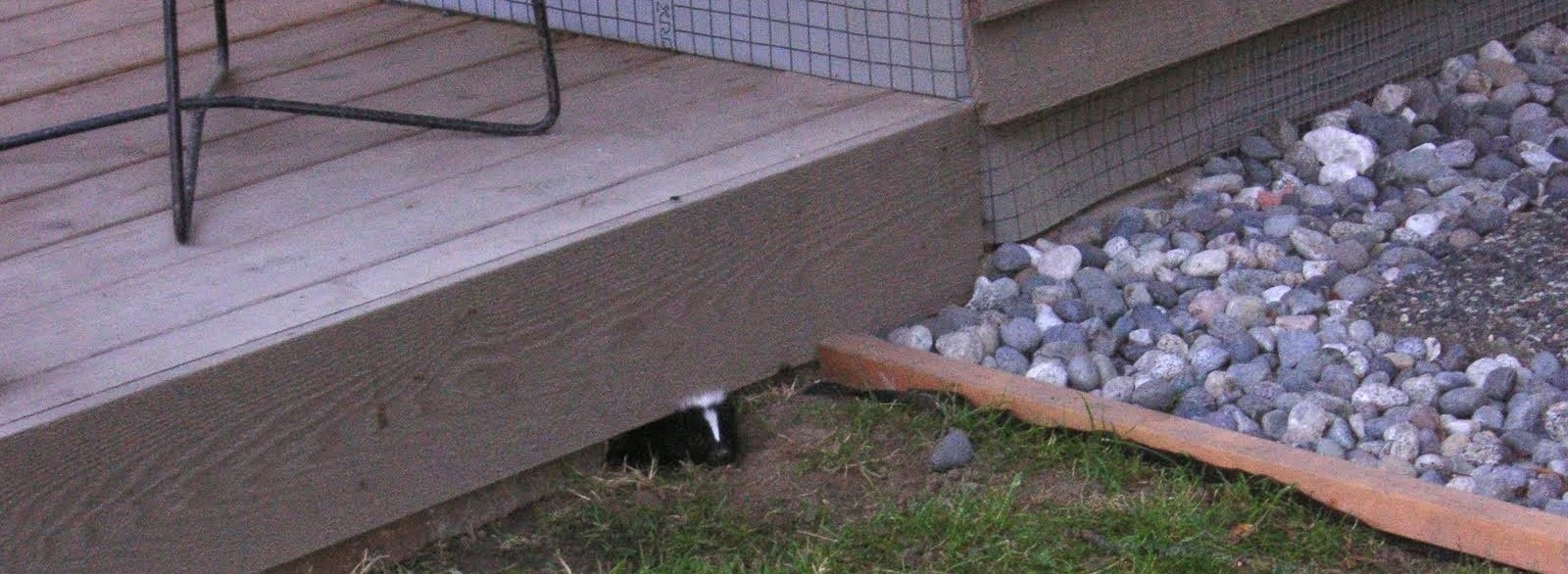
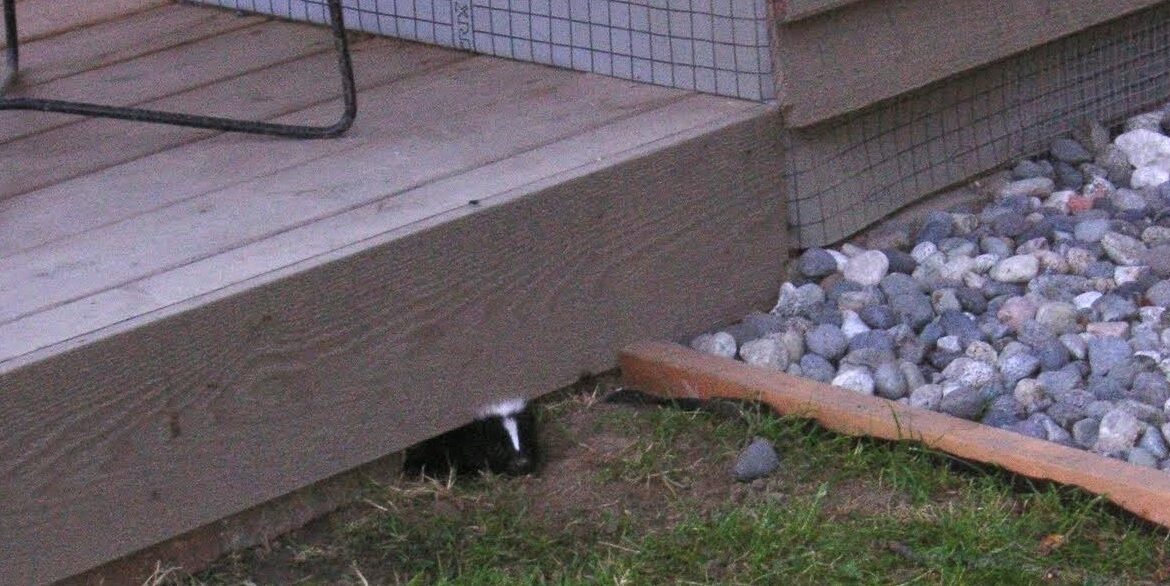
Skunks prefer to dig rather than climb, making them likely to establish dens under structures like decks, sheds, or porches. In the Kitchener-Waterloo area, these foundationless structures create perfect, protected environments for raising their young and weathering cold seasons.
Seasonal Behaviour
While skunks do not truly hibernate, they enter extended periods of rest known as torpor during the winter months. You may notice less surface activity after the first frost, but their presence below your outbuildings and porches might still go undetected until spring.
- Nocturnal Tendencies: Skunks are most active at night. Seeing one during the day can be normal, especially if a mother is teaching her young to forage.
- Digging Over Climbing: Unlike raccoons, skunks are not adept climbers. Expect evidence of burrowing rather than elevated nests.
Recognizing Activity
Spotting a skunk before an encounter is your best line of defence. Telltale signs include:
- Small holes in lawns or gardens from foraging grubs.
- Fresh piles of dirt or visible tunnels along the edges of sheds, decks, or patios.
- Occasional whiffs of that distinctive odour, which can linger near entry points or den sites.
Knowing what to look for allows you to take preventive action before a run-in occurs. Next, we’ll guide you through practical measures to keep skunks at bay.
Preventive Measures: How to Avoid Getting Sprayed by a Skunk
The best way to avoid direct confrontations—and that dreaded spray—is prevention. We recommend a blend of environmental management and personal awareness to decrease your chances of encountering skunks.
- Secure Entry Points
Seal up gaps below decks, porches, and sheds with heavy-gauge steel mesh sunk at least 8–12 inches into the ground. This barrier stops even the most determined digger from gaining access. After every humane skunk removal service, our technicians install these screens discreetly, preserving your home’s appearance while delivering lasting protection.
- Remove Food Sources
Skunks are opportunistic eaters, so it’s important to take precautions around your property. Make sure to cover compost piles securely, keep pet food indoors overnight, and secure your garbage bins with tight-fitting lids. Additionally, pick up any fallen fruit or leftover birdseed from your lawn to reduce attractions and discourage skunks from visiting.
- Eliminate Shelter Opportunities
Skunks love areas that offer cover and easy access, so it’s important to manage your property accordingly. Stack firewood away from your house, clear thick brush or long grass from fence lines and outbuildings, and remove unused items like lumber, which can invite denning.
- Be Aware During High-Risk Seasons
Fall and early spring are critical times when skunks search for shelter. Booking an inspection with skunk control experts near you during these months can help catch activity before it becomes a problem.
Should you unexpectedly spot a skunk, remember these actions to minimize the risk of being sprayed:
- Move slowly and quietly away; do not startle the animal.
- Watch for warning signs: stamping feet, raised tail, and a skunk turning its back are clear indications of feeling threatened.
- Give the skunk a clear exit route and resist cornering it.
By combining these strategies, you can significantly reduce the chances of finding yourself in a direct skunk encounter. However, understanding where skunks might be living on your property is just as crucial—let’s tackle that next.
How To Identify Skunk Dens on Your Property
Locating a skunk’s den allows you to focus preventive efforts where they’re most needed and helps you decide if it’s time to call a professional.
Decks and Sheds
These structures are prime real estate for skunks. Search for disturbed soil and small, arched holes near the base, claw or scratch marks on freshly disturbed earth, and any subtle or strong odours, particularly near the den entrance.
Yard and Garden Clues
Skunks feeding on insects leave multiple shallow, cone-shaped holes in turf or mulch. Dishevelled areas where sod appears rolled back suggest skunks rooting for grubs.
For example, if you notice a line of disturbed earth tracing around your deck, that’s a strong indicator of recent tunnelling. Another example is that persistent odours concentrated in a single area—even after cleaning—suggest an active den below.
When in doubt, a professional assessment from humane skunk removal services can confirm if your suspicions are correct and what next steps should be taken.
Skunk Life Cycle and Seasonal Behaviour: What Kitchener-Waterloo Homeowners Should Know
Understanding the unique habits of local skunks will help keep you a step ahead, whatever the time of year.
- Breeding and Kits: Skunks give birth in late spring, with babies reliant on their mothers for several months. Family groups are more likely to spray if threatened, especially when young are present.
- Torpor, Not True Hibernation: Skunks enter deep periods of inactivity known as torpor through the coldest months, emerging occasionally in milder weather to search for food.
- Seasonal Movement: As autumn cools, skunks prepare their dens to withstand the winter.
By understanding these patterns, you can better anticipate when and where skunks may become a concern on your property.
The Role of Skunk Control Experts: Humane Solutions and Prevention
Choosing the right approach to skunk removal is essential for both your safety and the wellbeing of the animals. Skedaddle’s proven process focuses on non-invasive, humane solutions that safeguard your property for the long haul.
Our Process Includes
- Assessment and Identification
Our wildlife technicians inspect your property, pinpoint current dens, and identify vulnerable areas to prevent repeat visits. - Spray-Free Removal Methods
Gentle, hands-on techniques—paired with customized equipment like heated baby reunion boxes an one way doors—allow us to remove skunk families without provoking defensive spraying. - Cleaning and Decontamination
We thoroughly clear out soiled bedding, droppings, or contaminated soil to reduce disease risk and eliminate lingering odours. - Permanent Exclusion
All identified entry points are professionally sealed with durable mesh. This ensures that once a skunk is removed, you won’t have to worry about new arrivals.
Our commitment to humane skunk removal services doesn’t stop at removal. Every service call is followed up with tailored advice and preventative recommendations, so you can confidently live and work skunk-free for seasons to come.
Partnering with Skedaddle for Lasting Skunk Solutions
Understanding skunk behaviour and taking the appropriate preventive measures are crucial steps in maintaining a skunk-free environment. While it might seem daunting, proactive actions can significantly mitigate the challenges posed by these unwanted guests. If you suspect skunks are nesting around your home or notice signs of their activity, contacting professionals offers the most secure and humane solution. Skedaddle offers tailored recommendations and expert skunk removal services designed to ensure that these wildlife visitors do not overstay their welcome.
Take charge of your property’s wellbeing. If skunks have become more than just a passing concern, trust Skedaddle’s experienced team for humane and lasting removal solutions. Call us today and reclaim your peace of mind while protecting your home!

 Loading...