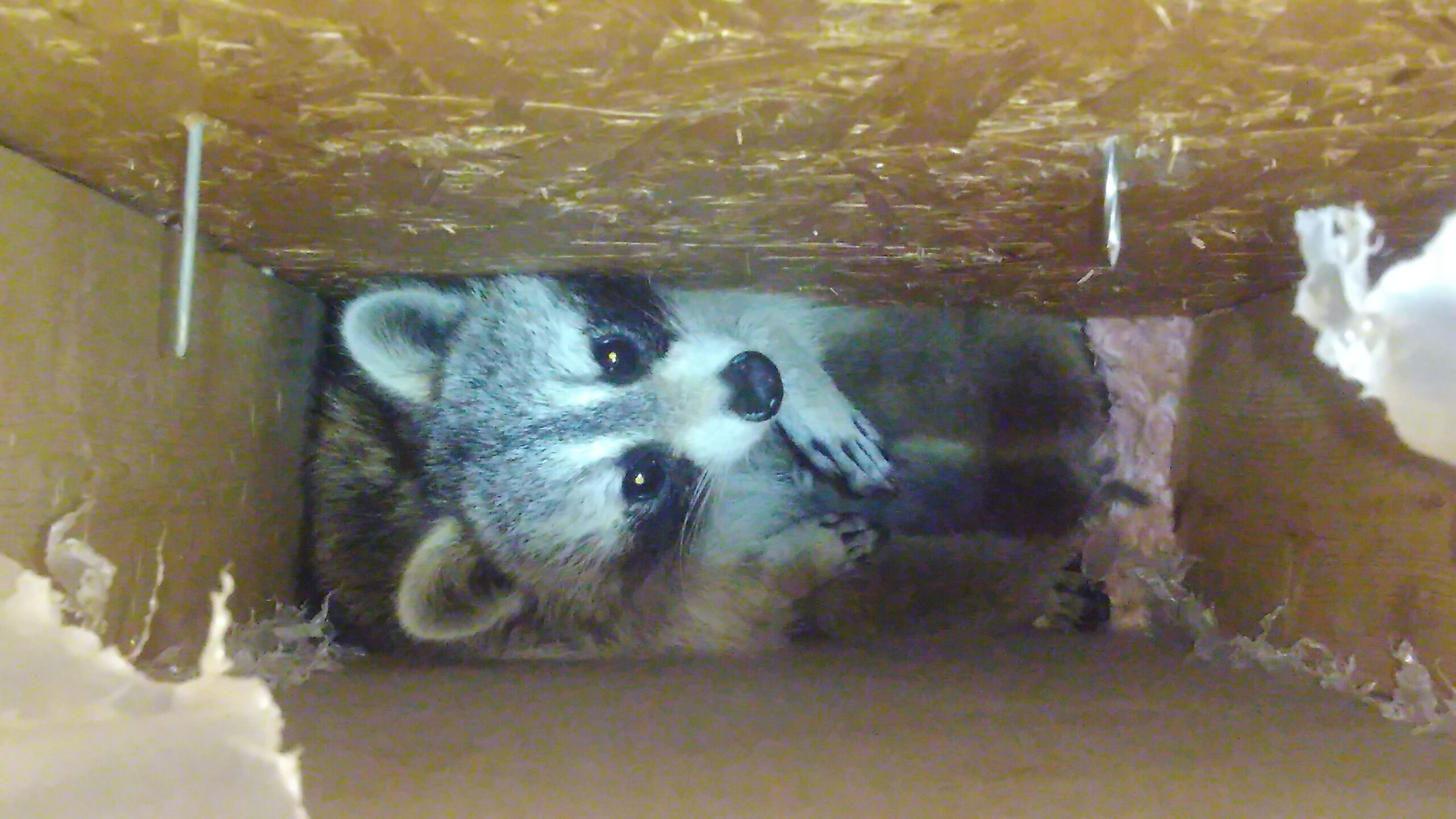
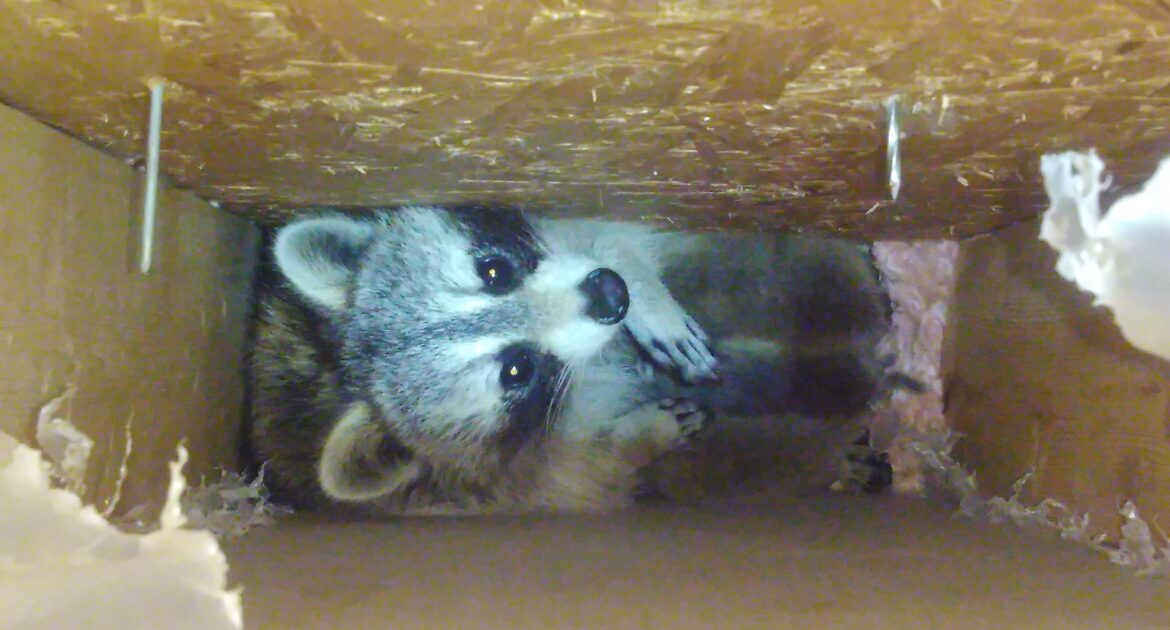
You walk outside on a cold Kitchener morning and notice the mess. Garbage bags ripped open, food scraps scattered across the driveway, and muddy paw prints leading away. You already know who the culprits are.
You might wonder: why are raccoons in the garbage more often when it’s freezing out? The truth is, you’ve got something they desperately need: warmth, shelter, and a reliable meal.
When snow covers their natural food sources, raccoons turn to the easiest target they can find: your garbage bins. During winter, their survival depends on it.
At Skedaddle Humane Wildlife Control in Kitchener, we see this pattern every year. These smart, determined animals adapt quickly, finding ways to pry open lids and feast on leftovers. The colder it gets, the bolder they become.
In this article, you’ll learn why raccoons rely on your bins in winter, how their behavior changes with the season, and what professionals like us do to prevent raccoon garbage entry safely and humanely.
1. You Provide the Perfect Winter Food Source
You might not realize it, but your garbage can smells like a buffet to a hungry raccoon. During the spring and summer, they have plenty to eat: berries, insects, and small animals are everywhere. But once winter sets in, that natural food disappears.
When snow covers the ground, raccoons can’t dig for worms or find fallen fruit. They go into survival mode and start searching for calories anywhere they can find them. That’s when garbage bins become a top target.
Here’s what often attracts them:
- Food scraps and leftovers.
- Grease, meat bones, and cooking fat.
- Pet food or containers with residue.
- Rotting fruit or compost piles.
You may not notice the smell, but raccoons do. Their noses are powerful enough to detect a trace of food from metres away. Once they find a bin that delivers, they keep coming back — night after night.
That’s how one raccoon can turn your yard into a repeat stop on its nightly route.
2. You Live in a City That Makes Survival Easy
You might think the city is too busy or bright for wild animals, but Kitchener is actually the perfect environment for raccoons. City life gives them everything they need: warmth, shelter, and endless food.
Urban raccoons are different from their country cousins. They’ve learned how to live around people and thrive doing it. They know when garbage day is, how to open bins, and which houses offer the best food sources.
Why cities like Kitchener attract them:
- Plenty of garbage bins close together.
- Few natural predators.
- Easy access to sheds, attics, and garages.
- Warmer temperatures than open countryside.
You might not notice it, but raccoons memorize food routes the same way you remember grocery store aisles. Once they find a reliable bin, they visit it again and again throughout the winter.
3. You’re Dealing With Creatures That Don’t Truly Hibernate
You may assume raccoons disappear in winter like bears, but they don’t. Instead of hibernating, they enter short rest cycles called torpor. They sleep for days during cold snaps, but wake up on warmer nights to hunt for food.
When temperatures rise above freezing, they venture out. Often heading straight for neighbourhood garbage bins. If the weather stays mild, you might see increased activity for several nights in a row.
Because they burn so much energy keeping warm, raccoons need high-fat foods like meat scraps, butter, or pet kibble, which are exactly the kinds of things people throw away.
So when you spot raccoons in the garbage during January or February, it’s not random. It’s part of their survival rhythm: wake, feed, rest, repeat.
4. You Might Be Giving Them Shelter Without Realizing It
You could be offering raccoons more than just food. You might also be giving them shelter. Once they find a regular food source, raccoons often look for nearby nesting spots.
Garages, decks, sheds, and attics all make excellent dens. They’re warm, dry, and close to the garbage. A raccoon that doesn’t have to travel far between food and shelter is more likely to stay through the entire winter.
Signs they might be nesting nearby include:
- Scratch marks on fences, vents, or decks.
- Strange noises at night, especially near the attic.
- Droppings or leftover garbage around your bins.
When Skedaddle teams respond to calls about raccoons in the garbage, we often find that the animals have already made a den nearby. That’s why a full inspection is key. Not just cleaning up the mess.
Keep Your Garbage (and Home) Safe This Winter
You don’t want to wake up to scattered trash or unwanted guests this winter. The good news? You can stop the cycle. By understanding winter raccoon behaviour and taking simple steps to prevent raccoon garbage entry, you protect both your home and these animals from harm.
If you suspect raccoons in the garbage, call Skedaddle Humane Wildlife Control in Kitchener. Our team will inspect your property, use one-way doors to guide animals out, and secure every entry point.
Request an estimate today and keep your garbage, your property, and your peace of mind protected all winter long.

 Loading...