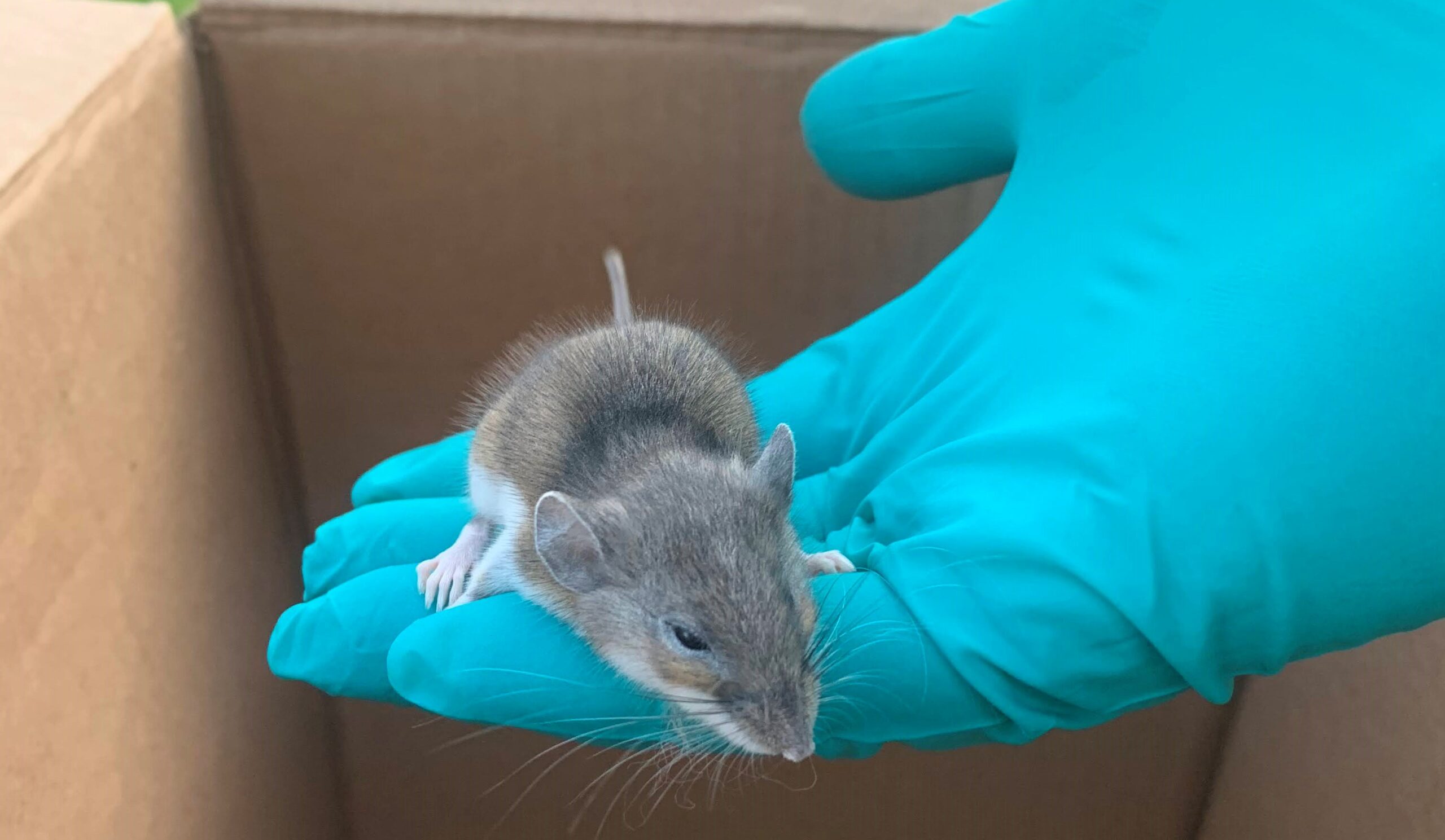
Snow changes everything in Wisconsin. You feel the cold settle in. You see the flakes pile up fast. You hear the wind pushing against your home. After each snowfall, you may also notice something else: more mouse activity inside your house.
Many homeowners wonder why mouse infestations rise right after snow hits the ground, and the answer is simple. Snowfall mouse problems in Wisconsin grow fast because snow forces these animals to search for warmth, shelter, and food they can’t find outside.
You deal with heavy winters in Waukesha every year, and the weather doesn’t just affect roads and sidewalks. It changes how wildlife behaves, including these tiny animals. When snow covers the ground, outdoor food disappears.
Temperatures drop lower than their bodies can handle. The conditions push them closer to homes, which feel like safe survival zones. This is why mice infestations in Waukesha snowfall events are so common and why they often appear right after a storm passes.
Our team at Skedaddle Humane Wildlife Control in Waukesha helps homeowners every winter who face these sudden problems. This guide explains why snow increases indoor mouse activity, how the animals move into homes, where they hide once they get inside, and the signs you may notice early on. You’ll also learn why professional help is important for long-term solutions and how we prevent mice in Waukesha homes using humane and effective methods.
Why Snowfall Pushes Mice Toward Homes
Snowfall creates a sudden shift in how these animals survive outdoors. You may not see it happening, but their natural patterns change the moment the snow piles up. Outdoor conditions become harder, and the drive for warmth and food becomes stronger.
Food Disappears Under the Snow
When the ground is bare, mice rely on seeds, fallen nuts, plants, and insects. Snow wipes those out in hours. With everything buried, they shift their search pattern to places that still offer food—homes, sheds, and garages. A house has pantry smells, garbage bins, pet food, and tiny crumbs. To a mouse, that is a winter buffet.
Because food disappears so suddenly, snowfall mouse problems in Wisconsin tend to peak within the first day or two after a storm. You may hear scratching, chewing, or soft movement in walls because the animals follow scent trails right to your home.
Homes Feel Warm and Stable
Snow and wind drop temperatures faster than the ground can adjust. These small animals lose heat quickly and need a steady place to warm up. Homes always give off heat—through cracks, vents, utility lines, foundations, and rooflines. That heat rises out into the snow, creating warm “hotspots” mice can detect.
When they sense this warmth, they follow it like a trail. This is one big reason Waukesha homes experience more mice infestations after a snowfall. To the animals, a home is the safest and warmest place they can find.
How Mice Enter Homes After a Snowfall
After snow hits the ground, the drive to find shelter becomes stronger, and mice take advantage of every tiny opening around a home. Many homeowners don’t realize how small these gaps can be.
They Fit Through Openings the Size of a Dime
These animals can flatten their bodies and slide through cracks that look impossible. They don’t need a large hole—just a tiny flaw in a structure. Snow and freezing weather widen cracks and shift materials, making it easier for them to get inside.
Here are common openings they use after a snowfall:
- Gaps around doors
- Cracks near basement windows
- Openings around pipes or utility lines
- Loose siding
- Small holes in foundations
Cold weather makes materials stiff or brittle, which helps them chew and push their way in faster.
Snow Banks Make Access Easier
Snow doesn’t just cover the ground. It piles up against the sides of houses. That extra height turns normal ground-level entry points into easy access paths. If the animals can climb snow to reach a window gap or siding seam, they will.
A tall snow bank near a porch, foundation, or deck can act like a ramp. This is one overlooked reason Waukesha homes see more infestations after storms.
Why Mouse Activity Increases Indoors After Snowfall
It’s natural to assume that once inside, the animals settle quietly. But snowfall doesn’t only push them indoors. It changes their behavior inside your home as well.
Indoor Heat Creates More Movement
When snow covers the home and freezing air hits every surface, warm pockets inside walls and ceilings become even more attractive. These animals follow those warm paths, moving between insulation and small open spaces.
Heat escaping from:
- Furnace rooms
- Kitchens
- Laundry rooms
- Water heaters.
As a result, this creates trails they follow from room to room. This is why homeowners hear more noise at night after a snowfall, even if the animals were already inside before the storm.
Storm Noise Drives Them Deeper Inside
Strong winds and heavy snow hitting the house can scare them deeper into sheltered spots. You might hear more activity in walls, ceilings, basements, and attics. Storms create vibrations and sounds that make the animals move around more while seeking a quieter area.
Where Mice Hide Inside Waukesha Homes in Winter
Once inside, mice choose specific areas that give them warmth, safety, and easy access to food. Some of these spots are so hidden that homeowners don’t notice anything until the signs become stronger.
- Wall Cavities: These spaces act like natural tunnels. They’re warm, dark, and safe from predators. Snowfall pushes them deeper into walls because the insulation provides heat they can’t find outdoors.
- Attics: Even though attics get cold, they stay warmer than outdoor air after a snowfall. Heat rising from the lower floors keeps the area comfortable enough for mice to survive. They also use insulation for nesting, making attics a common hiding spot.
- Basements and Crawlspaces: Ground-level heat sinks into basements, creating warm zones below the floor. These spots are also close to many entry points, such as foundation cracks or utility openings.
Why Infestations Grow Quickly After Snowfall
You may notice infestations growing faster after a snowfall because these animals can breed year-round when they find the right conditions. A warm home gives them everything they need to survive the winter: heat, shelter, and steady access to food. Even a small group can grow quickly once they settle in, and what started as one or two can turn into many more in a short amount of time.
Snow also traps them inside for longer periods. When deep snow blocks their usual outdoor paths, they stay hidden indoors and move around more often. As they search for warm pockets and food, the activity becomes easier for you to hear or see. This is why signs seem to increase so quickly right after a storm.
Prevent Mice in Waukesha Homes With Skedaddle
You never need to try handling mice on your own, especially in winter. The animals carry health risks, and they hide in places that are hard to reach. We focus on safe, humane removal and long-term prevention.
At Skedaddle Humane Wildlife Control in Waukesha, we find every entry point, use humane methods including one-way doors, and secure the home so the animals can’t return. Winter infestations often involve multiple openings, hidden nests, and damaged insulation, so our trained team handles every part of the process for you.
Now, you get a complete solution without touching anything yourself.
Stay Ahead of Snowfall Mouse Problems in Wisconsin
Snowfall changes the way these animals behave, and that’s why mice infestations in Waukesha snowfall events rise so fast. When food disappears and temperatures drop, homes become the safest option. You can prevent mice in Waukesha homes by acting early, before the storms push them closer.
If you’re hearing sounds, seeing signs, or suspect movement, request an estimate to learn more. Our team at Skedaddle Humane Wildlife Control in Waukesha is ready to help you stay protected all winter long.

 Loading...