Every year in Denver, as the cold months settle in, squirrels seek warmth inside our homes. One of the greatest concerns for homeowners during this time is the increased risk of fire caused by squirrel chewing and nesting behaviors. At Skedaddle, we understand the unique combination of threats they pose, especially when frigid temperatures drive them indoors.
If you’re worried about squirrel chewing fire risks or have been asking, “How can I keep my family and property safe this winter?”, you’re not alone. Many residents have shared with us, “I never realized that squirrels could actually cause a house fire—until I started seeing chewed wires in the attic.” Today, we’re here to educate you about these risks and guide you through effective Denver home squirrel prevention strategies.
Understanding Squirrel Chewing Fire Risks
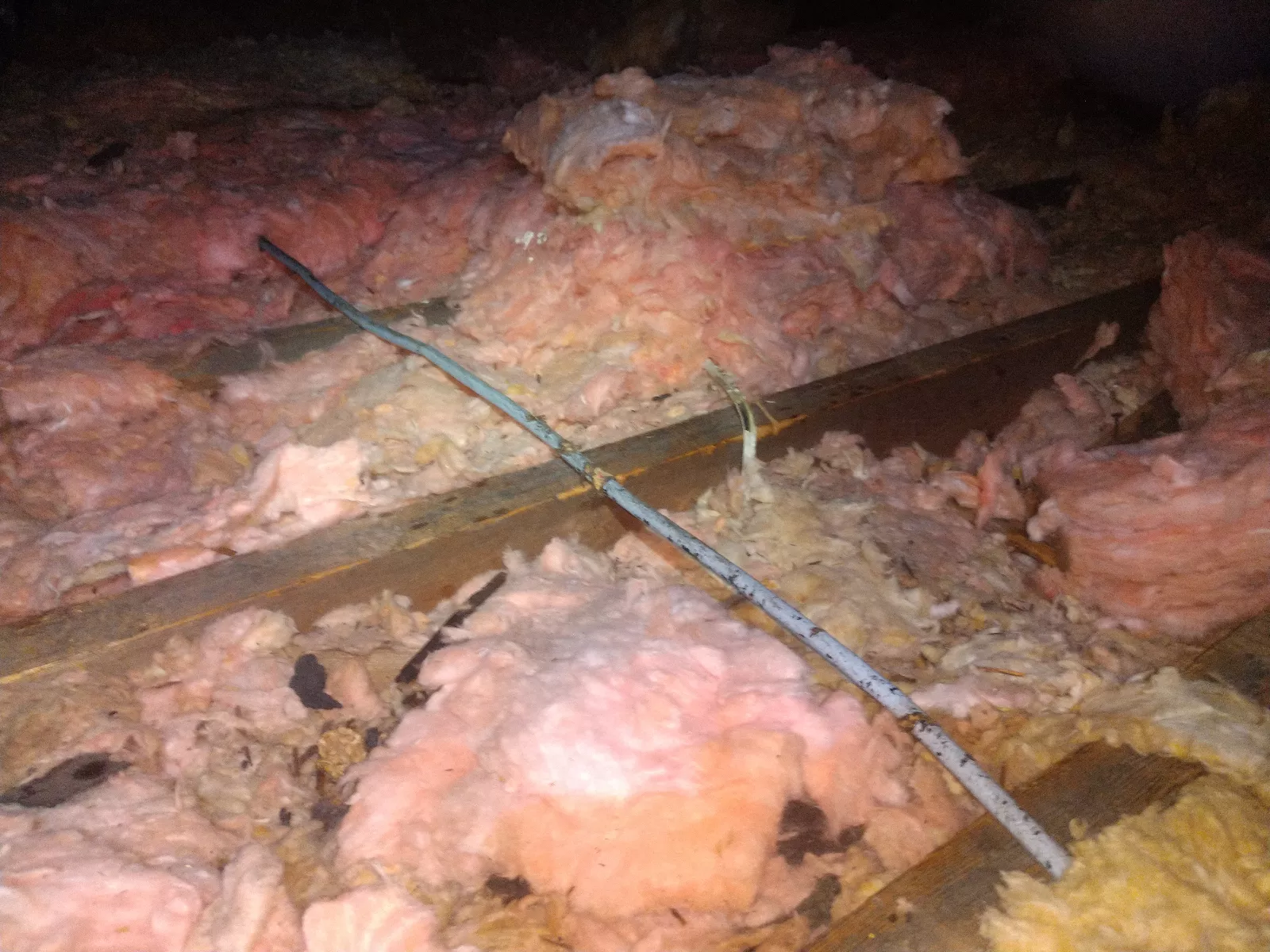
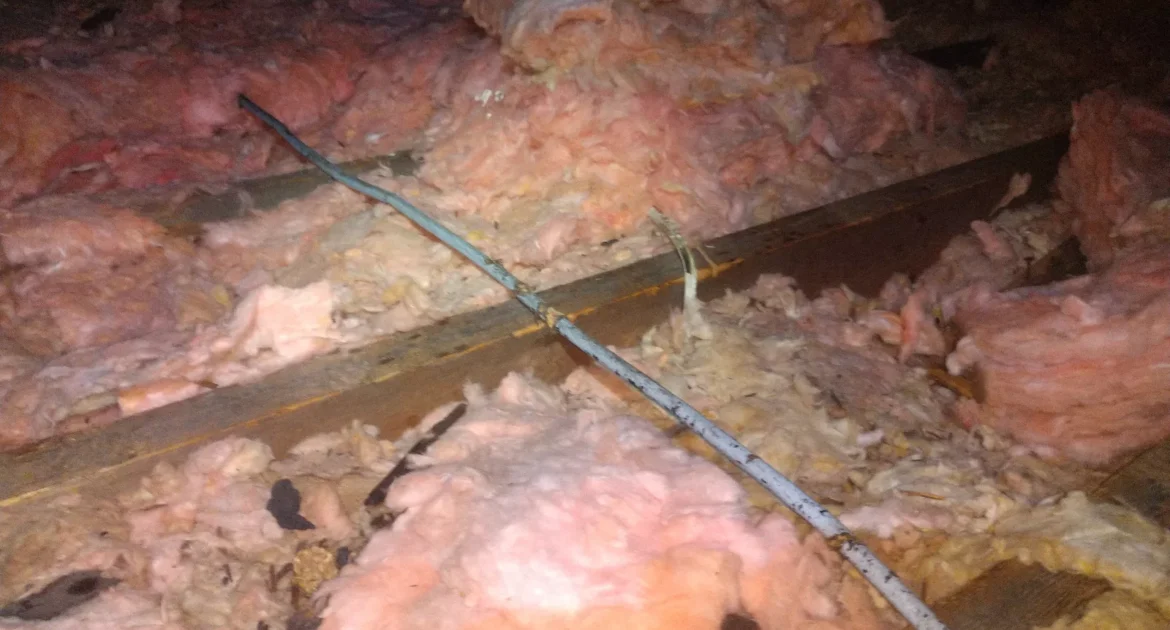
Many people underestimate the connection between squirrels and house fires. These energetic rodents have powerful teeth that grow all year round. To prevent their teeth from overgrowing, squirrels chew on hard surfaces—wood, plastic, aluminum, and, most significantly, electrical wiring. Each winter, the problem intensifies as they move into attics, crawl spaces, and even inside walls.
There are two main ways squirrels increase fire risk:
- Chewing Wires: When they gnaw through insulation on electric cables, this exposes live wires that can arc and spark fires.
- Nesting Materials: Squirrels collect dry leaves, twigs, and pieces of insulation to build large nests, especially in tight spaces like attics. If these materials contact exposed wires, the mix becomes a potential ignition source.
This dual threat is a hidden insight that surprises many homeowners. The issue isn’t just the gnawed wires; it’s the messy nests and bundled insulation clumped near those damaged wires. These conditions create a hazardous environment, making “squirrel chewing fire risks” a real concern for everyone living in Denver, Lakewood, and neighboring communities.
Proactive measures are essential to address these hazards, especially as winter’s grip tightens.
Why Denver Homes Are Especially at Risk in Colder Months
Denver’s winters can be long, cold, and harsh. As the temperature drops, more squirrels look to homes for shelter, especially areas with mature trees and abundant food sources. Here’s why the risk increases in this region:
- Squirrels don’t hibernate but seek warm, sheltered places to weather the cold.
- Attics provide a cozy, safe haven close to food caches they make in the fall.
- Roofs of older homes, especially those in neighborhoods like Lakewood, have vulnerabilities—cracks or loose soffits and vents—that squirrels exploit.
Moreover, winter brings added moisture and freezing temperatures that cause building materials to contract, widening gaps and cracks through which squirrels enter. Once inside, the signs they leave behind can go unnoticed until serious problems arise.
Now, let’s delve into recognizing the clear warning signs that squirrels have made your home their winter den.
Signs of Squirrel Damage in Your Home
Spotting the signs early is crucial to preventing both property damage and potential fire hazards. Knowing what to look for helps protect your family and investment:
- Chewed electrical wires or tripped circuits
- Small, round holes in soffits, attic vents, or wall corners
- Torn or disturbed insulation in attic spaces
- Clumps of dry nesting material in hidden corners
- Foul odors from squirrel droppings or urine
- Scratching sounds early in the morning or at dusk
If you notice any combination of these signs, it’s a strong indication that squirrels are present and possibly creating dangerous conditions. Understanding how squirrel nesting behavior raises fire risks is key. When dry nesting materials are packed around exposed wires, the risk of ignition rises sharply—this is often overlooked until disaster strikes.
The Hidden Dangers of Squirrel Nesting Behavior
It’s easy to focus on the visible damage squirrels cause, such as chewed wood or gnawed storage boxes. Yet, the most severe hazards often go unseen—inside attics and walls where squirrels build their nests.
Here’s how nesting behavior leads to fire hazards:
- Squirrels gather high volumes of dry leaves, twigs, and shredded paper.
- They drag these materials deep into insulation, attic corners, and around electrical cables.
- Damaged wires hidden beneath loose, dry insulation increase the risk of a smoldering fire, especially in hidden spaces.
- Nesting areas often go undisturbed through the winter, allowing dangerous conditions to persist.
This combination of factors means that fire can start quietly and spread rapidly before anyone notices. As we help Denver homeowners like Sarah P. understand, it’s not merely the act of chewing—it’s how squirrels transform a safe attic into a fire risk zone.
Recognizing these challenges leads right into the need for solid prevention strategies, especially as we approach the coldest part of the year.
Denver Home Squirrel Prevention: Effective Steps for Winter Protection
At Skedaddle, our mission is to keep your property safe with proven Denver home squirrel prevention. Here are key steps every homeowner should take:
- Schedule a Fall or Early Winter Inspection: Before temperatures dip further, have experts inspect your attic, roofline, and vents for possible entry points.
- Seal All Openings: Close gaps in soffits, fascia boards, eaves, and around attic fans using heavy-gauge screening and professional-grade materials.
- Trim Tree Branches: Cut back limbs that provide squirrels easy access to your roof.
- Install Chimney Caps: Prevent entry through chimneys using sturdy metal covers.
- Declutter Attics and Storage Areas: Remove unnecessary boxes and loose combustibles.
Our technicians provide a thorough inspection—often 35-50 points around your home—identifying every vulnerability. We specialize in sealing even the hardest-to-reach entry points and use humane removal techniques if squirrels or babies are present. This approach ensures families in Denver and Lakewood can rest easy, knowing their homes are protected from both animal intruders and fire risks.
Moving beyond prevention, it’s also important to address existing squirrel damage swiftly and safely.

Addressing Winter Squirrel Damage in Denver
If squirrels have already entered your home, prompt action is essential to prevent further damage and health risks. Skedaddle can assess the full extent of harm, including chewed wires and soiled insulation, and remove all nesting materials, even from hard-to-reach areas like attic corners and ventilation systems. Contaminated insulation is repaired or replaced, and entry points are deodorized to mask scents that might attract new wildlife, ensuring your home is safe and secure.
Ignoring winter squirrel damage in Denver increases both repair costs and safety threats. Our experience shows that what starts as a single nesting squirrel can quickly become a family, causing widespread contamination and multiplying the risk of fire. Only professional intervention can guarantee all traces of squirrel activity are properly eradicated.
Proactive Tips to Protect Your Denver Home Before the Next Cold Snap
Staying one step ahead is the cornerstone of home safety during cold weather. Denver home squirrel prevention measures do more than protect property; they keep your family safe. Here are final tips from our decades of helping local homeowners:
- Inspect your attic for light showing through gaps—this often signals an entry point.
- Listen for scratching or running noises, especially at sunrise or sunset.
- Regularly clear gutters and downspouts to remove accumulated debris that might attract wildlife.
- Check on attic wiring as part of your seasonal home maintenance routine.
By acting now, you can dramatically reduce the odds of suffering from squirrel chewing fire risks. Our commitment at Skedaddle is to educate, protect, and act—providing customized solutions that are safe for your family and humane for the wildlife involved.
Moving forward, remember: calling in professional help ensures that even hidden hazards are addressed before they escalate. Denver winters may be cold, but your home should be safe and secure, standing as strong as the mountains themselves against unseen risks.
Safeguard Your Home from Squirrel-Induced Fire Hazards This Winter
As Denver’s winter chill drives squirrels indoors, the risks of hidden fire hazards rise dramatically. Chewed electrical wires and dry, flammable nesting materials in attics create a dangerous combination that threatens both property and personal safety. By staying alert for early warning signs and understanding how squirrels exploit even minor vulnerabilities, you’re taking the first step toward a safer home.
Don’t let a preventable hazard catch you off guard. Trust Skedaddle’s decades of humane wildlife experience for a comprehensive inspection, expert removal, and durable exclusion solutions tailored to your home’s unique needs. Secure your peace of mind before the coldest months set in—contact Skedaddle today and keep your Denver home protected from the dangers squirrels can bring. Your family’s safety and your property’s integrity deserve nothing less.

 Loading...







