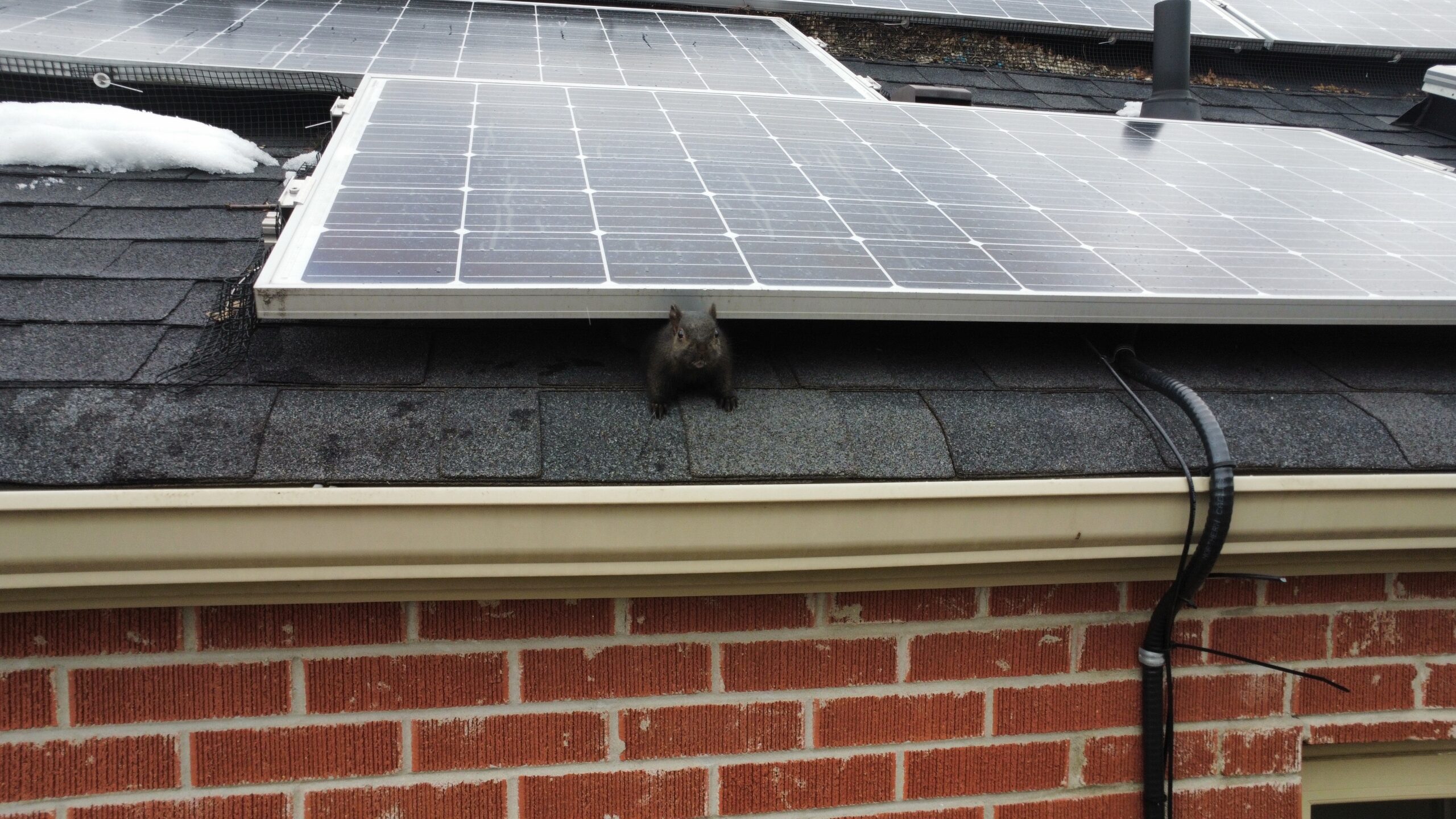
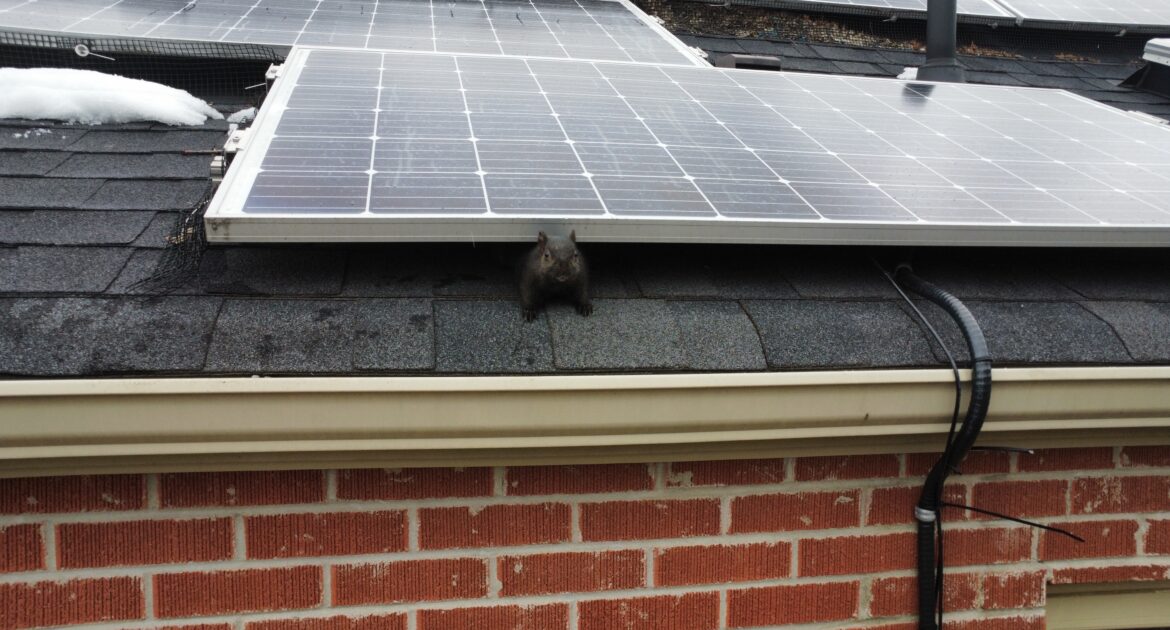
Denver winters bring breathtaking Rocky Mountain views alongside an unwelcome reality—squirrels in Colorado attics are a challenge many homeowners face every year. As snow piles high and icy winds whip through communities from Littleton to the Denver suburbs, squirrels instinctively seek shelter. For these agile rodents, chimneys, attics, and even wall cavities offer a warm escape from the harsh outdoors. Homeowners quickly learn that sharing a roof with uninvited wildlife brings more than physical damage; it fuels sleepless nights and mounting stress.
At Skedaddle, we understand the unique impact that Colorado’s winter wildlife behavior has on homes and families. Our decades of experience equip us to help you not only protect your property but also reclaim your peace of mind.
Colorado’s Harsh Winter Climate and Squirrel Behavior
Colorado’s long, frigid winters profoundly affect local wildlife. Squirrels must adapt their survival strategies as temperatures drop. These creatures, including black, gray, and red squirrels, remain active all winter but spend much of their time inside their nests after snow arrives. Unlike hibernating animals, squirrels must continue foraging and require secure, warm dens to withstand freezing temperatures.
Squirrels naturally seek:
- Shelter from wind and snow
- Consistent warmth from household heat loss
- Proximity to stored food supplies
- Protection from predators unable to access buildings
- Enclosed, elevated spaces for raising young
Typical neighborhood habitats—tree hollows and nests—often aren’t enough to survive the relentless Denver cold. Human dwellings provide easy access points and stable conditions, making them irresistible targets for winter wildlife.
As the season deepens, the risk of winter squirrel chimney problems increases. Squirrels capitalize on tiny cracks or open vents to establish themselves well before homeowners notice. Transitioning from outside threats to the specific havoc they create indoors, we can see just how pressing these intrusions become.
Why Squirrels Target Attics and Chimneys in Winter
The quest for warmth drives squirrels to new extremes. Attics and chimneys mimic several features squirrels look for in a nest:
- Dry, windproof interiors
- Warmth from rising household heat
- Insulating materials (like insulation or stored belongings)
- Ample places to hide from humans and predators
Many homes, especially older properties typical in areas like Littleton and Denver, develop vulnerabilities over time. Squirrels can squeeze through or chew open gaps as small as two inches in soffits, vents, or fascia boards. Once inside, they quickly build nests, often concealed from sight.
Residents may wonder, “Why do squirrels climb down chimneys?” Chimneys are vertical, secluded, and sometimes uncapped, making them ideal dens with easy access from the outdoors. They also serve as direct routes between the roof and the warmth of lower spaces. The drive for shelter is so strong during Colorado’s harsh winter pest season that squirrels will brave even busy homes, risking contact with people and pets.
This leads to clear indicators for homeowners, which we’ll explore next along with the damages that squirrels can cause.
Common Signs and Structural Damage from Squirrels in Colorado Attics
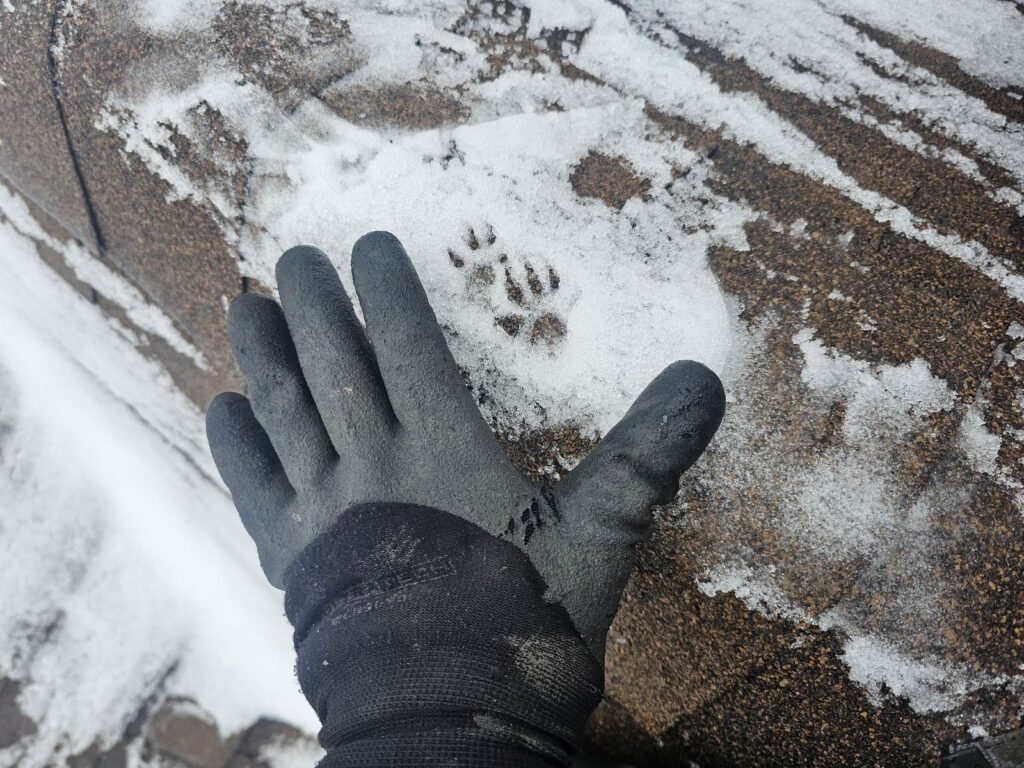
Early detection is key, but squirrels are experts at staying undetected during their initial days inside a home. Overlooked entry points mean problems often grow unnoticed until spring, when the full extent of damage becomes evident.
Tell-tale signs of a squirrel incursion include:
- Scratching or scampering sounds at dawn and dusk
- Shredded attic insulation or chewed wires
- Nests made from dry leaves, twigs, and insulation materials
- Droppings or urine stains near entry points
- Soffit, vent, or fascia boards with visible chew marks
Once established, squirrels can cause widespread structural harm. Their constantly growing teeth must be worn down, so they gnaw:
- Support beams
- Electrical wiring, raising fire risks
- HVAC ductwork and venting
- Roof supports and wooden frames
- Plumbing lines
Electrical and fire hazards rank high among the perils homeowners face, but there’s more. Squirrel nests can attract ticks and fleas, affecting household pets and human health alike. Their urine and droppings introduce new bacterial risks and persistent odors that linger long after the animals leave.
Seeing the physical effects is upsetting enough, but the psychological impacts are just as serious for many residents. Let’s look at how dealing with Colorado’s harsh winter pests can affect our peace of mind—and what to do about it.
Dealing with the Stress of Winter Squirrel Intrusions
Having squirrels in Colorado attics doesn’t only cause visible chaos. For many Denver residents, the anxiety of wildlife within the walls is overwhelming. You may worry about the safety of your home, your family’s health, and the uncertainty of what’s happening behind closed doors.
Common sources of stress include:
- Hearing unexpected noises at dawn or dusk
- Worrying about costly repairs or insurance claims
- Concerns about hidden health risks from droppings, urine or bites
- Stress over the well-being of pets and children
- Fear of recurring invasions each winter
If you’re experiencing this kind of anxiety, it’s important to know you’re not alone. Our team has seen how even signs of wildlife presence, like a few droppings in a corner or unexplained scratching, can keep families awake at night. Recognizing the impact of wildlife on mental health is the first step to taking back control.
Practical steps to ease this stress include:
- Scheduling a professional inspection to confirm and locate squirrel activity
- Documenting signs (sounds, damage, droppings) to support your concerns
- Seeking support from trusted wildlife removal professionals
- Educating all household members about safety and next steps
- Remembering that with the right help, the problem can be solved humanely and effectively
Transitioning from awareness to prevention sets the stage for a more confident, proactive approach for Denver homeowners.
Prevention Tips for Avoiding Winter Squirrel Chimney Problems
The best defense against Colorado’s harsh winter pests is prevention—especially before cold weather sets in. With decades of experience serving Denver and nearby areas like Littleton, we recommend being proactive in securing your property each fall.
Here are effective prevention strategies to reduce the risk of squirrel entry:
- Inspect your roof, soffits, vents, and chimneys for gaps, cracks, or loose coverings before winter
- Trim tree limbs and branches at least six feet from roofs and power lines
- Install chimney caps and use heavy gauge screens on vents
- Store food and nesting materials securely away from accessible areas
- Address water damage and replace aged wooden or vinyl surfaces prone to chewing
Scheduling a thorough fall inspection by Skedaddle ensures that every potential entry point is identified and secured. Our technicians are trained to recognize even hard-to-spot vulnerabilities, using knowledge of both squirrel behavior and home construction to create a strategy that works for your specific property.
When prevention measures aren’t enough, and signs of squirrels appear, it’s time to bring in professionals for a lasting solution.
When and How to Seek Expert Wildlife Removal in Denver
While DIY attempts may tempt some, effective and humane removal requires specialized knowledge and equipment—especially with winter squirrel chimney problems. Skedaddle’s qualified technicians bring experience, compassion, and thoroughness to every removal in Colorado.
Key advantages of working with certified wildlife professionals are:
- Comprehensive inspection and entry-point identification
- Humane removal of all squirrels, including babies, with family reunification outside
- Safe cleaning and decontamination of soiled insulation and nests
- Repair and sealing of entry points to prevent recurrence
- Deodorization to mask attractant scents and discourage new intruders
Our hands-on approach protects property value, household health, and peace of mind—all without harming local wildlife. Denver homeowners and businesses can rest easy knowing that the job is done right the first time.
Our team remains accessible after the initial removal to address any concerns, answer questions, or reinforce vulnerable spots if needed. The result? A secure, stress-free environment for your family—even during the longest Rocky Mountain winters.
As a local leader in wildlife control, we take pride in helping the Denver community—whether you live downtown or in nearby Littleton—to live in harmony with neighborhood wildlife. By focusing on both preventive action and quick, humane intervention, we give you the tools to navigate Colorado’s winter wildlife challenges confidently and comfortably.
Take Back Your Home from Winter Squirrel Intrusions
As Colorado’s unforgiving winters drive squirrels into attics and chimneys, homeowners are left to contend with more than nuisance noises—they face serious risks to their property and peace of mind. From chewed electrical wires and costly structural damage to persistent health hazards, the presence of squirrels indoors demands timely, knowledgeable intervention.
Don’t let winter wildlife take over your sanctuary. Skedaddle’s team of humane wildlife control experts offers comprehensive solutions, from thorough inspections and hands-on squirrel removal to customized prevention strategies that truly last. Protect your home, safeguard your family’s well-being, and reclaim your comfort this season. Connect with Skedaddle today and ensure your home remains squirrel-free, safe, and secure—through every Colorado winter ahead.

 Loading...