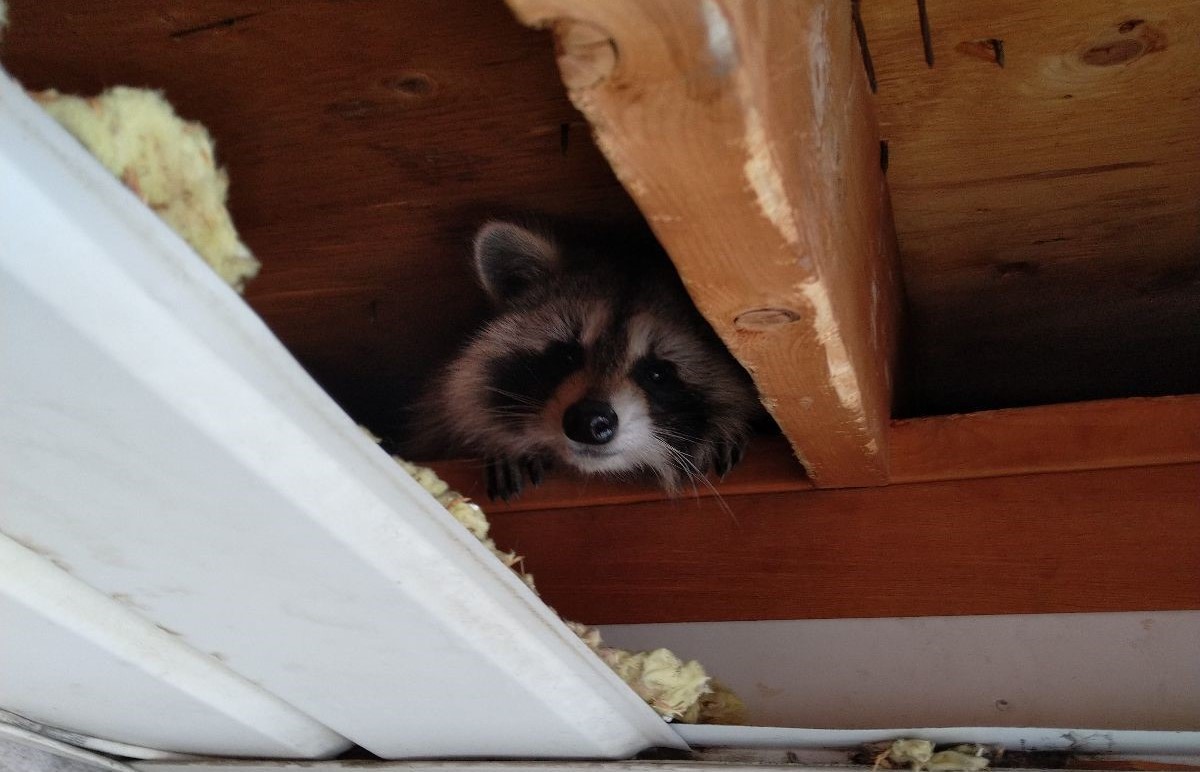
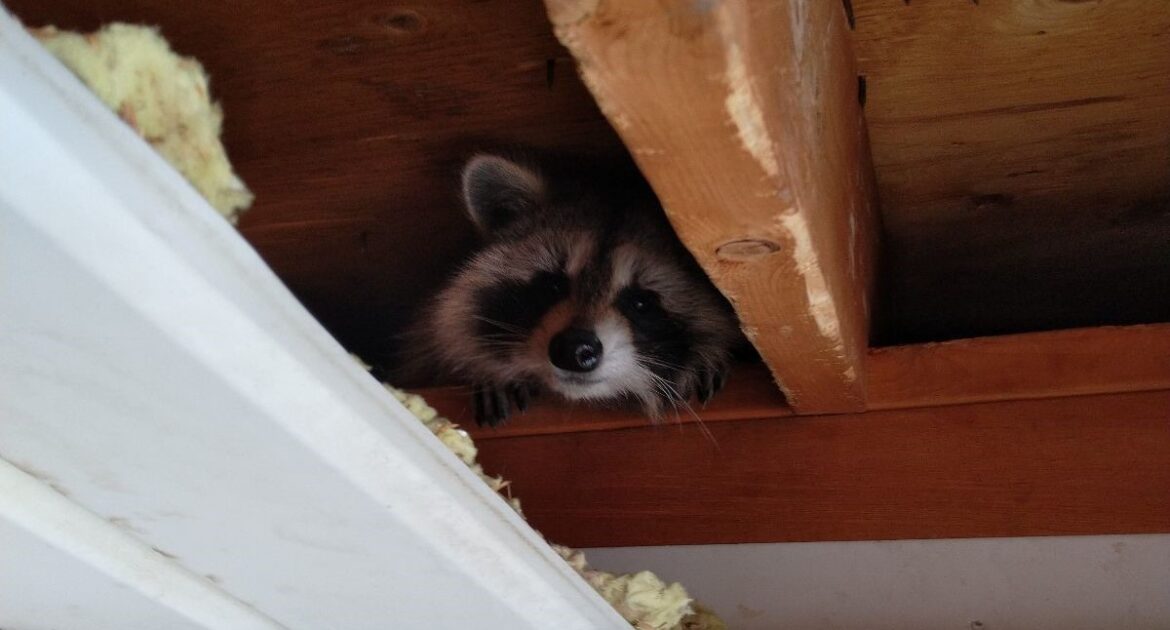
Hearing scratching, thumping, or scurrying noises from your attic can be unsettling, but it also raises a common question: is it just a single curious raccoon, or is an entire family living above your home or business? In Marietta, homeowners often struggle to tell the difference, and the uncertainty can cause stress—not just about potential property damage, but also the health risks these nocturnal visitors bring.
At Skedaddle, we specialize in humane wildlife removal and help residents quickly identify whether raccoon activity involves a lone intruder or multiple animals. Single raccoons are often exploratory, moving in and out of attics quietly, while a family group—typically a mother with babies—creates more consistent, louder, and chaotic sounds, especially during the spring and summer months when kits are present.
Recognizing raccoons in attic signs, understanding the behaviors of lone versus family groups, and addressing the issue promptly is critical for protecting your property and ensuring your peace of mind. With the right knowledge and professional guidance, you can remove raccoons safely and prevent future invasions.
Raccoons in Attic Signs: What to Look and Listen For
Understanding which noises in your attic indicate raccoon activity is essential, as these nocturnal creatures often become active when the city of Marietta quiets down. Their presence can be detected through specific sounds and physical evidence.
Key indications of raccoon presence in attics include:
- Loud thumping or heavy footsteps, often heard at dusk or dawn.
- Persistent scratching, especially along walls, ceilings, or near vents.
- Unusual vocalizations such as chirping, chittering, or whimpering, which may echo the community energy of Marietta Square under varied circumstances.
- Visible damage to insulation, wiring, or vent covers.
- Droppings or strong, musky odors that do not fade with time.
Spotting one or more of these clues is often the first alert that an animal has settled in. However, noise and damage alone don’t always reveal how many raccoons you’re sharing space with. By investigating specific behaviors and patterns, you can evaluate whether you have a single intruder or an entire raccoon family in attic areas.
How to Identify Raccoon Infestations: Clues from Damage and Droppings
While the sounds of raccoons are often the first sign, recognizing physical evidence can substantiate suspicions of a raccoon infestation.
Physical clues to watch for:
- Torn or displaced attic insulation, particularly concentrated in corners or around entry points.
- Damaged roof vents, soffits, or siding with signs of forced entry.
- Scattered droppings, often more plentiful and spread out in the case of a group rather than a single animal.
- Imprints or worn pathways on insulation, suggesting repeat movement and multiple occupants.
These signs reflect the raccoon’s resourcefulness and strength—qualities that necessitate professional removal. When we inspect Marietta attics, we look for patterns of damage and contamination, which help us estimate raccoon activity. If these clues aren’t enough, thermal imaging and a meticulous visual check can uncover hidden dens or separate nest sites.
The number and distribution of these signs play a role in identifying whether a solitary raccoon or multiple animals are present. For example, a sharply localized nest may signal a lone raccoon, while widespread destruction and several latrine sites often point to a family taking up residence.
Raccoon Family in Attic vs. Single Raccoon: Noise and Behavior Differences
Recognizing whether you’re dealing with a solitary raccoon or a family plays a crucial role in deciding the necessary measures for removal. The presence of a raccoon family brings about distinctive patterns compared to that of a lone raccoon.
A single raccoon in your attic usually creates steady, heavy footsteps or occasional scratching, often sticking to a single area as it seeks warmth or shelter. Its vocalizations are minimal, with only the occasional growl or huff, and activity tends to be predictable and localized.
In contrast, a raccoon family—typically a mother with her kits—exhibits markedly different behaviors. You may hear multiple, overlapping footsteps, particularly noticeable during the quiet nighttime hours. The kits produce a variety of high-pitched sounds, from chittering and squeaks to soft purring noises while nursing or playing. Activity increases during spring and early summer, coinciding with the period when the mother is raising her young. These families often leave messier nesting areas, with displaced insulation and multiple droppings scattered in different corners of the attic. As the kits become more mobile, you might also notice small drag marks or tracks as they explore their surroundings.
Recognizing these differences is key to understanding whether you’re dealing with a lone raccoon or a full family, which can inform how you approach safe removal and long-term prevention.
Observing these differences is vital, as a raccoon family will resemble the bustling energy of Marietta Square, whereas a single raccoon tends to be more covert.
If your attic resonates with diverse noises and shows extensive mess, it might be a raccoon nursery, especially likely between February and July. During these times, reaching out to professionals ensures humane removal, both for the safety of the animals and the well-being of your household.
Emotional and Health Risks of Raccoon Infestation
While structural damage and unsettling noises are immediately concerning, emotional stress and health realities often accompany a raccoon infestation.
Risks to consider include:
- Anxiety about potential diseases, such as rabies or parasites like roundworm (baylisascaris), which are commonly found in raccoon droppings.
- Worry over the costs of repairing damage to insulation, wiring, or structural elements of your attic.
- Concerns about lingering odors and contaminants that may affect your family’s comfort and safety.
- Fear of direct encounters, especially if a mother raccoon feels threatened and becomes defensive of her young.
- Disruption to sleep or daily routines, leading to added stress for residents.
Many people underestimate these emotional impacts until the problem escalates. We’ve seen firsthand how uncertainty over the number of raccoons and their hidden activities amplifies homeowners’ worries. That’s why addressing infestations quickly and comprehensively is more than a property concern—it’s also about family well-being.
Our process includes thorough cleanup, disinfection, and restoration services—ensuring your home remains a safe, welcoming place.
How Skedaddle Safely and Humanely Removes Raccoons From Your Home
At Skedaddle, our approach to raccoon removal combines safety, precision, and humane practices. Our trained technicians begin with a full property inspection to identify entry points, signs of activity, and potential den sites.
We use one-way exclusion devices to allow raccoons to exit your home but prevent reentry, ensuring a stress-free removal process for the animals. For mothers with kits, we carefully time interventions and, if necessary, relocate young safely to reunite them with their mother once the area is secure. After removal, we repair and reinforce vulnerable areas—such as vents, soffits, and rooflines—and provide professional cleaning and deodorization to eliminate contamination.
By combining these techniques, Skedaddle ensures your home is raccoon-free, protected against future intrusions, and maintains a safe environment for your family.
Why Proper Identification and Professional Removal Matters
Before any removal or cleanup begins, it’s vital to determine the extent of raccoon presence. The difference between a mother with young and a solitary animal significantly influences removal strategy. Our technology, including thermal imaging and expert inspections, reveals the depth of infestations.
Our approach at Skedaddle emphasizes:
- Careful inspection of all potential entry points and nesting sites.
- Safe, humane removal of both adults and babies using proven techniques.
- Cleaning and decontaminating affected spaces, including insulation removal when needed.
- Repairing damage and securing every possible entry point with heavy-gauge screening.
- Full explanations of findings and ongoing support for future prevention.
Choosing professional help means safeguarding your home and your emotional peace of mind. Attempting to handle a raccoon family in attic areas without the right skills or tools can put both people and animals at risk, and may spread contaminants throughout the living space.
With more than 30 years of expertise serving the Marietta community, our knowledge of home construction, animal behavior, and modern removal techniques ensures the best possible outcome—protecting your home’s value, your health, and your comfort.
Restore Peace and Safety Above Your Home
Recognizing the difference between a lone raccoon and an entire family in your attic is more than a matter of curiosity—it’s essential for safeguarding your property and well-being. Early signs such as persistent noises, visible damage, and scattered droppings aren’t just disturbances; they are crucial clues that demand swift attention. Timely, accurate identification combined with humane removal is the only way to prevent further structural harm, emotional stress, and health risks that raccoons inevitably bring.
When it comes to wildlife intrusion, experience and care make all the difference. Let Skedaddle’s Marietta-based experts provide a thorough assessment, safe removal, and complete restoration, so your attic is protected long after the raccoons are gone. Don’t let uncertainty disrupt your home—call Skedaddle today and give your family the peace of mind that comes from honest, professional, and lasting wildlife control.

 Loading...