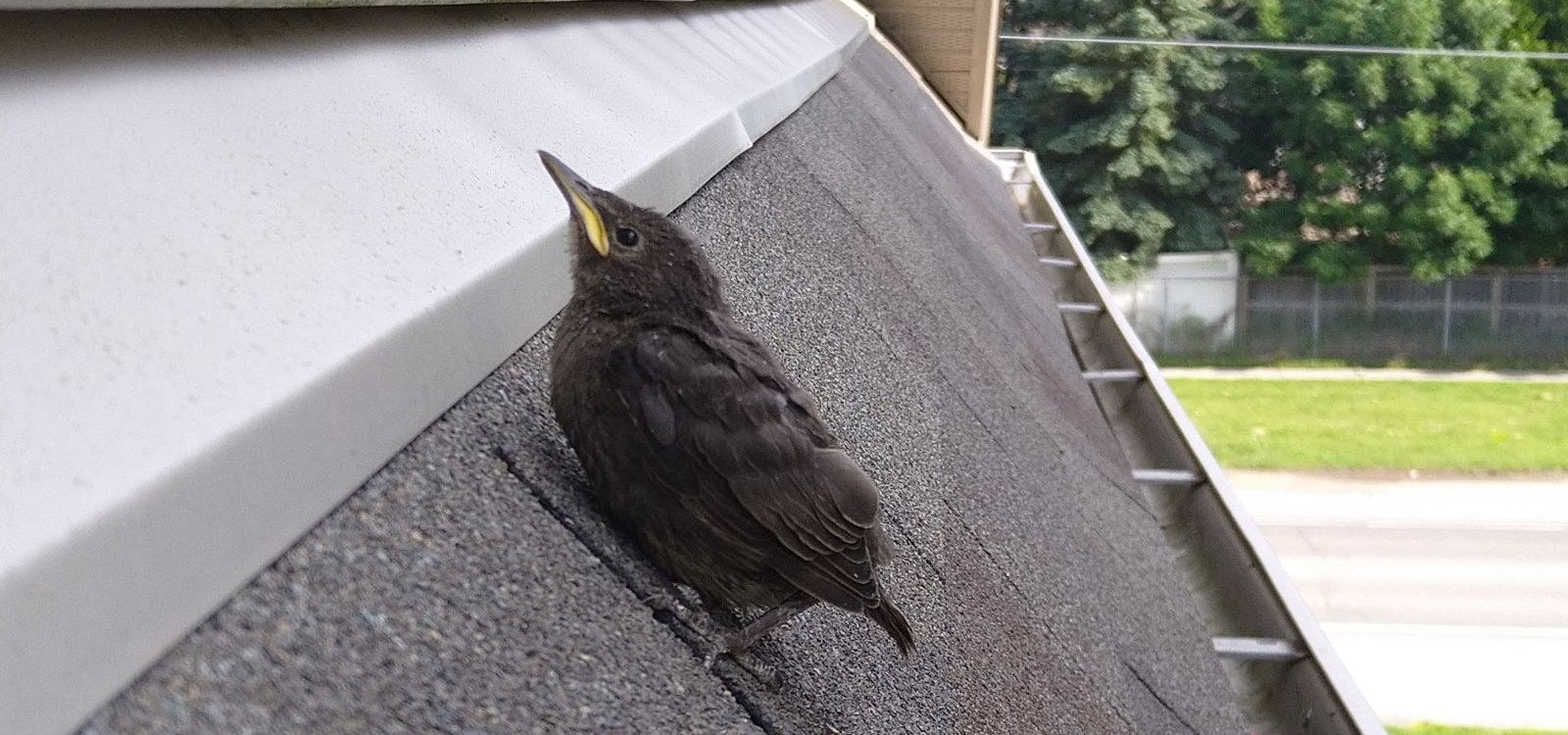
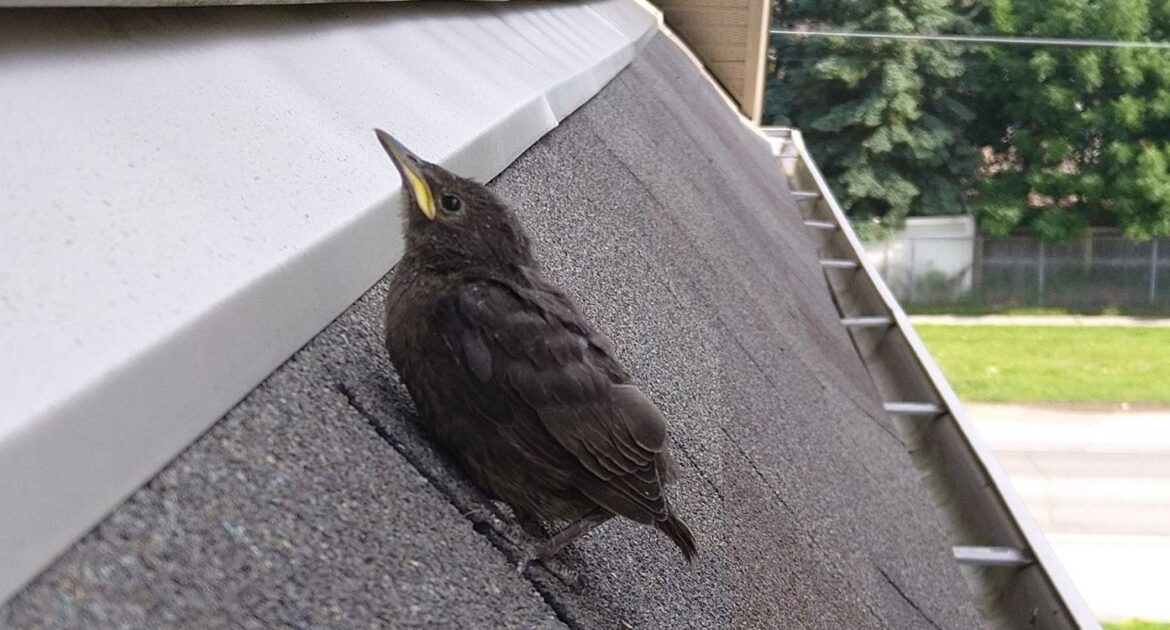
Nestled in the heart of Marietta, historic neighborhoods tell stories of generations past—much like the unique character that draws visitors to the famed Marietta Square. But beneath the craftsmanship of these homes lies a modern challenge: birds in older homes are more common than many realize. If you’ve ever asked yourself why these properties attract so many birds, you’re not alone.
The truth is, older homes provide exactly what birds are looking for. Weathered wood, loose siding, and aging rooflines create perfect entry points for cavity-nesting species like sparrows and starlings. Wide eaves, ornate trim, and brick chimneys offer sheltered nooks that mimic natural nesting sites. Even gaps in vents or soffits—common in houses built decades ago—become prime opportunities for birds to move in. Combined with the warmth these structures hold and the abundance of nearby food sources in established neighborhoods, older homes often act as inviting microhabitats for urban wildlife.
Protecting your home doesn’t mean losing its historic charm. With professional bird-proofing solutions from Skedaddle, it’s possible to preserve both the integrity of your property and the heritage that makes it special—while keeping unwanted feathered guests outside where they belong.
Architectural Appeal: Why Birds Are Drawn to Older Homes
Older homes in Marietta are known for their beauty, but certain features give birds easy access to shelter and nesting sites. Many homeowners are surprised to learn their property’s architectural character doubles as an invitation for local wildlife.
- Gaps in aging soffits and fascia boards allow small birds to sneak in and set up nests.
- Oversized or unsealed attic vents offer warmth during cooler months.
- Brickwork with missing mortar or small holes in siding provides entry points for cavity nesters.
- Ornate trim and decorative eaves can create hidden perches and protected spaces for roosting.
- Chimneys and unused flues provide safe nesting locations, particularly for species like chimney swifts.
It’s no wonder that even as the allure of a classic home remains strong for people, birds are equally drawn to these inviting spots—seeking safety, warmth, and the resources needed to raise their young. This is especially true in established neighborhoods, where mature landscaping also provides ample food sources just steps away.
Understanding exactly what architectural features attract birds can help as we move toward practical bird-proofing strategies. But first, it’s important to understand the role these homes play as mini-ecosystems.
Microhabitats: The Ecological Significance of Older Homes
Much like a park or wooded lot, an older home can function as a living, breathing ecosystem. Birds in older homes do more than seek shelter—they contribute to biodiversity right in our backyards.
Older properties often become microhabitats for a number of reasons. They offer secluded spaces away from predators and busy human traffic. Attics, eaves, and walls can remain undisturbed for long periods, making safe places for nesting birds. Additionally, insects and other small creatures—attracted by age-related gaps and moisture—create rich feeding opportunities for birds.
While these microhabitats are ecologically valuable, sharing your home with birds can also mean dealing with health risks and property damage. The key is to appreciate their ecological role while keeping our homes comfortable and safe.
This understanding sets the stage for a proactive approach to bird-proofing older houses—balancing conservation and preservation with home protection.
Why Birds Nest in Marietta: Local Factors in Play
Marietta’s unique mix of urban, suburban, and natural habitats turns the community into a haven for birds seeking ideal nesting grounds. For those living or working in historic homes, this means increased encounters with feathered residents.
- The region’s temperate climate encourages long breeding seasons.
- Proximity to parks, rivers, and mature trees offers easy access to food and nesting materials.
- The prevalence of older architecture provides ample nesting spots, especially for species like starlings, sparrows, and pigeons.
- Construction booms in newer areas push birds into older, densely treed neighborhoods.
- Neighborhoods surrounding Marietta Square offer both safety from predators and plenty of human-provided resources.
Birds are clever—they adapt quickly to urban settings. Chimneys, vents, and eaves become prime locations for raising young, especially during the spring and early summer months. Pigeons, on the other hand, might take advantage of sheltered corners year-round.
Understanding why birds nest in Marietta helps homeowners and business owners identify hot spots for bird entry and nesting—and reveals why classic properties need targeted bird-proofing.
Common Challenges: Sharing Space with Birds in Older Homes
Living alongside birds has its positives, but problems arise when they invade attics, vents, and walls. Many residents of Marietta’s older neighborhoods have dealt with these issues at one time or another.
Some of the most common complaints include droppings on walkways, porches, and exteriors, which can damage paint and pose health risks. Vent and chimney blockages caused by nests might lead to fire hazards or poor ventilation. Additionally, noise disturbances from birds nesting inside walls, soffits, or attics, along with accumulated nesting material attracting insects or rodents, compound the problem.
Besides property concerns, bird infestations present health dangers. Droppings from some species are known to carry pathogens like salmonella or histoplasmosis. The risks increase when droppings become airborne during cleaning or nest removal.
Thankfully, these risks can be managed and even prevented through a combination of structural care and expert intervention.
Effective Bird-Proofing Strategies for Older Homes
Bird-proofing older homes calls for more than generic fixes—it requires expert care that preserves the property’s character while protecting against wildlife intrusions. Skedaddle specializes in humane, comprehensive solutions designed specifically for historic and architecturally unique structures.
Our process includes:
- Thorough Home Assessments – Skedaddle technicians conduct detailed inspections of attics, rooflines, soffits, vents, and chimneys to pinpoint vulnerabilities birds often exploit.
- Custom Exclusion Techniques – We seal entry points using durable materials like galvanized mesh and wildlife-safe caulking, ensuring long-lasting results without compromising your home’s appearance.
- Specialized Vent and Chimney Protection – Professional installation of chimney caps, vent covers, and screens keeps birds out of flues and exhaust systems while maintaining airflow and function.
- Safe Nest Removal & Cleanup – Our humane methods ensure birds are removed without harm, followed by careful cleanup of droppings and nesting materials to reduce odors, pests, and health risks.
- Ongoing Prevention & Maintenance – With seasonal inspections and proactive adjustments, Skedaddle ensures your property stays secure year after year.
By combining humane removal, expert exclusion, and ongoing support, Skedaddle delivers peace of mind to local homeowners. Your historic property deserves to remain both beautiful and bird-free—and our team is here to make that happen.
Caring for Microhabitats: Balancing History, Health, and Biodiversity
Older homes do much more than shelter families; they also contribute to the area’s living landscape by supporting wildlife. By understanding and managing the attraction birds have to historic properties, we can maintain a balance between comfort and conservation.
Consider these steps to keep both your home and its microhabitat healthy:
- Schedule seasonal maintenance to repair weathered wood, loose bricks, and damaged vents before nesting begins.
- Trim trees and shrubs near entry points to reduce cover for birds seeking a new nest.
- Remove food sources near the home, like unsecured trash or standing water, to discourage frequent visits.
- Monitor for signs of activity, such as droppings, twigs, or unusual noise in vents and attics.
- Consult with experts for humane and effective solutions that are sensitive to both your home and the local ecosystem.
At Skedaddle, we believe that protecting your property is fully compatible with supporting local wildlife. Our bird removal and prevention strategies are always humane—addressing both immediate concerns and long-term resilience for your home.
If you’re noticing more birds around your property, or you want to ensure your historic home is prepared for years to come, reach out to our team for a tailored bird-proofing plan backed by decades of experience and a lifetime guarantee.
Whether you cherish your home’s architectural beauty or its role in Marietta’s unique ecosystem, taking charge of bird-proofing older houses can preserve both your comfort and your property’s special place in the community. When it comes to safeguarding your home—today and for future generations—our experts at Skedaddle are ready to help.
Preserve Your Historic Home—Without Unwanted Winged Guests
Older homes in Marietta offer charm and character, but their unique features can make them prime real estate for birds seeking warmth and shelter. While these storied properties contribute to urban biodiversity, the presence of birds introduces significant challenges, including health risks, property damage, and persistent noise. Bird-proofing is an essential strategy that allows homeowners to enjoy the beauty and history of their residences while ensuring comfort and safety for their families.
If you’re noticing signs of birds making themselves at home in your attic, vents, or eaves, don’t leave your property’s future to chance. Trust Skedaddle’s humane, comprehensive approach, honed over three decades, to remove birds safely and prevent future infestations. Contact us today for a tailored assessment and let us help you protect your home’s legacy—so you can focus on the features you love, while we handle the ones that attract unwelcome guests.

 Loading...